






Ordered Dirt. Received Dirt. Would Buy Again.
About this soil
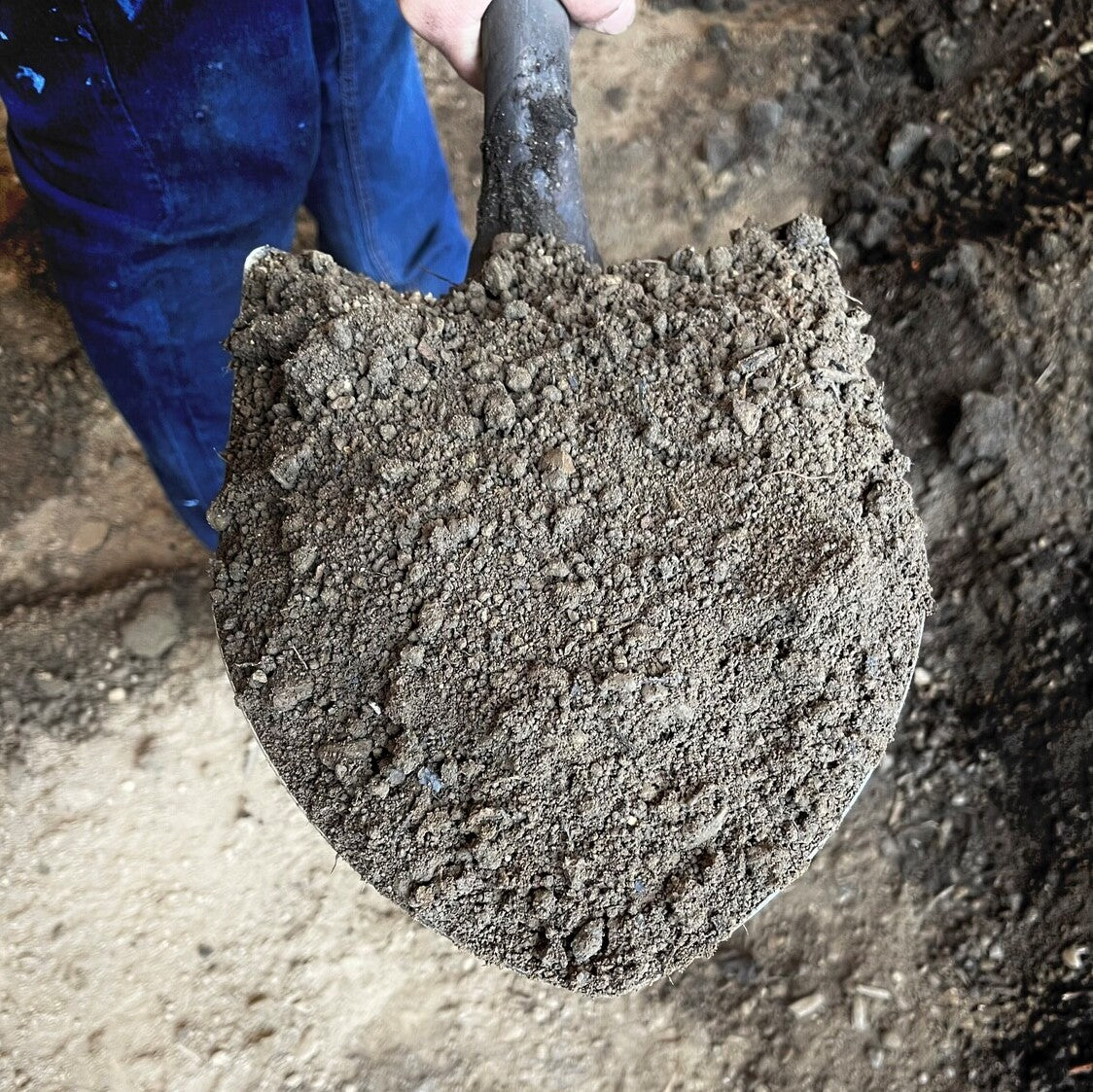
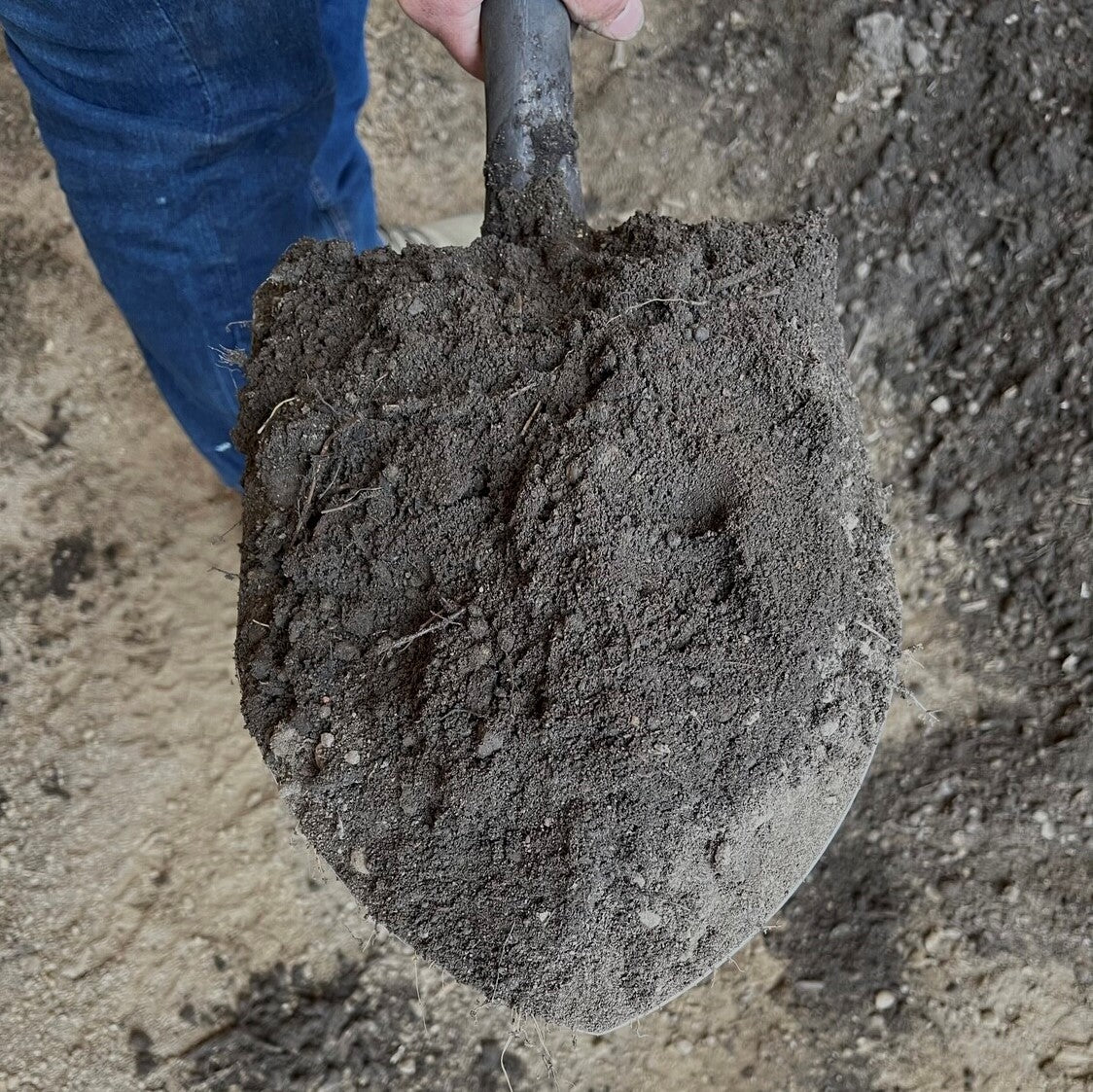
Quality topsoil for lawns, gardens, and landscape projects. Nutrient rich and ready to support strong root development and healthy plant establishment.
Ordered Dirt. Received Dirt. Would Buy Again.
Tell us what you're looking for
Thanks! We received your request.
Something went wrong. Please try again.
How Much Material Do I Need?
How Much Material Do I Need?
For new beds over The Woodlands's sandy loam, plan on 4 to 6 inches of soil amendment for planting beds and at least 12 inches for raised structures, accounting for settling that typically occurs in the first few weeks after installation.
Use our free soil calculator
What is a yard?
What is a yard?
FAQs
FAQs
The Woodlands Soil Delivery
The Woodlands Soil Delivery
Regular price
$48.00
per
yard
Regular price
Sale price
$48.00
Unit price
per
Shipping calculated at checkout.
Minimum of 4 yard
Couldn't load pickup availability
Not currently available
We can't take orders for this right now. Tell us what you need and we'll get back to you.
Hand-picked local yards
4,000+ regional deliveries
Dedicated support
Why order through Mulch Mound
The best local soil, without the guesswork.
We hand-pick and partner with the best yards in your region, keep only the ones our buyers rate well, and back each load with our guarantee.
Mulch Mound Guarantee
If your soil isn't the quantity or quality you ordered, we'll make it right.
About this soil
Quality topsoil for lawns, gardens, and landscape projects. Nutrient rich and ready to support strong root development and healthy plant establishment.
Ordered Dirt. Received Dirt. Would Buy Again.
How Much Material Do I Need?
How Much Material Do I Need?
For new beds over The Woodlands's sandy loam, plan on 4 to 6 inches of soil amendment for planting beds and at least 12 inches for raised structures, accounting for settling that typically occurs in the first few weeks after installation.
Use our free soil calculator
What is a yard?
What is a yard?
FAQs
FAQs
Tell us what you're looking for
Thanks! We received your request.
Something went wrong. Please try again.
How It Works
Getting started is easy — just follow these simple steps
1
Choose your soil
Make sure you adjust the quantity to your home's needs. You can use our calculator to estimate how much you'll need.
2
Select your delivery date
Select a delivery date you'd like for the product to be dropped off at your home
3
Sit back and wait
Sit back, wait, and let us work our magic to make sure the highest quality product is delivered to your driveway.


Placing an order online was so easy. Delivery was on time. When the driver realized we had a newly poured driveway they erred on the side of cautio...
Read full review
Placing an order online was so easy. Delivery was on time. When the driver realized we had a newly poured driveway they erred on the side of caution and opted not ti drive in it. The company even sent me a message explaining that call. Would recommend!
Need Help Calculating How Much Soil You Need?
Use our NEW Trace from Satellite tool to get an estimate for your project based on an aerial view of your property
Try Our CalculatorMeasure the area you need to fill in square feet and decide on your target depth in inches, then use a volume calculator to convert to cubic yards, which is the standard unit for bulk soil orders. In The Woodlands, where beds often need 4 to 6 inches of amendment to overcome the limitations of the native sandy loam, it is common to underestimate volume on the first order. Round up slightly so you have enough to finish the project without a second delivery.
Soil Types We Deliver in The Woodlands
Mulch Mound delivers bulk soil by the yard throughout The Woodlands, making it easy to fill raised beds, repair thin lawns, or prep new planting areas without hauling bags from a store. Our soils are measured and priced by the cubic yard so you get exactly what your project calls for. Order online and we bring it straight to your property.
Screened Top Soil
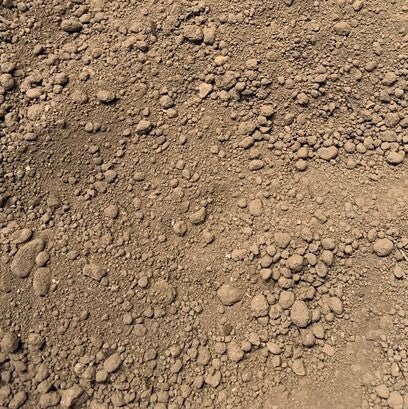
Our screened topsoil is a popular choice for lawns, flower beds, and grading work across the region. The clay-heavy native soil common in this part of Texas makes a fresh layer of quality screened topsoil a smart investment, supporting root development, improved drainage, and strong plant establishment from the start.
Gardening Blend
This standard blend combines topsoil with organic amendments to create a balanced growing mix ready for raised beds, flower gardens, and new planting areas. It performs especially well where dense local soils limit root growth, offering good drainage, steady nutrients, and a texture that is easy to work with.
Garden Compost
Rich, finished standard compost loaded with organic matter, our Garden Compost is ideal for mixing into existing beds before planting season. The warm, humid climate here means plants respond quickly to the added nutrients and improved moisture retention, making this a smart amendment for any garden or landscape planting area.
Complete Your Outdoor Soil Project
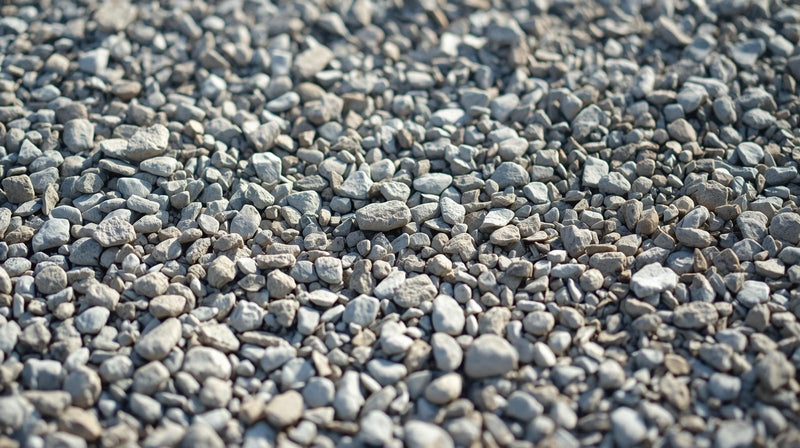
Once your soil is in place, adding a layer of hardwood mulch on top will slow moisture loss from the sandy loam mix and reduce weed pressure through The Woodlands's long growing season. Decorative stone borders around new beds also help define the space and prevent soil from washing onto hardscaping during heavy rains.

Service area
Areas we deliver soil in The Woodlands, Texas
Mulch Mound Pro Tip
In The Woodlands, the gap between the last frost around February 18 and the onset of summer heat is short, so getting new soil placed and beds planted quickly matters. Aim to have any bulk soil delivered and installed by early March so you can transplant warm-season starts before daytime temperatures regularly exceed 85 degrees. Planting into freshly worked soil while conditions are still mild gives roots the best possible start before the long Zone 9a summer begins.
Mulch Mound Pro Tip
Because The Woodlands's native sandy loam leaches nutrients easily, any bulk soil you bring in will benefit from the addition of a slow-release organic fertilizer worked into the top few inches at planting time. This is especially true for vegetable gardens, which are heavy feeders. Supplementing your soil order with compost, either mixed in or applied as a top layer, gives plants a more balanced nutritional foundation that holds up better through the leaching effects of the area's frequent rainfall.
Mulch Mound Pro Tip
When grading low spots or leveling lawn areas with bulk soil in The Woodlands, pay attention to how the grade directs water away from structures. The heavy rainfall common in spring storms means that even a slight negative grade toward a foundation can funnel significant water against a house over a season. Use bulk soil to build a gentle positive slope away from the home, ideally one inch of drop per foot, so rain events drain away from the structure rather than pooling against it.
The Unique Landscape of The Woodlands
The Woodlands was developed largely on sandy loam that, while naturally well-draining, lacks the organic density needed to support lush lawns, productive vegetable gardens, or thriving landscape beds without amendment. Imported bulk soil fills that gap by giving homeowners control over the growing medium in new beds, raised planters, and low spots that need grading. The area's 50 inches of annual rainfall can cause nutrient leaching in sandy soils, meaning the native ground is constantly losing the fertility that plants depend on. Building up beds with quality soil also improves the drainage dynamics in areas prone to pooling after heavy rains, which are common in The Woodlands during spring storm season. Whether you are leveling a lawn, establishing a new garden, or constructing raised beds, the right soil makes the difference between plants that just survive and plants that thrive through the long Zone 9a growing season.