Mulch Mound delivered a yard of pea gravel to us. Delivery was on time, driver was friendly and hit a bullseye on the “tarp target”. We used the pea gravel (which was diameter as specified) to fill several muskrat holes around our pond. I would definitely recommend Mulch Mo...
Tell us what you're looking for
Thanks! We received your request.
Something went wrong. Please try again.
How Much Material Do I Need?
Plan on 3 inches of mulch for established Thornton beds and about 2 inches for tight groundcover plantings where you do not want to bury the crowns. That works out to one cubic yard per 100 to 110 square feet.
Use our free mulch calculator
What is a yard?
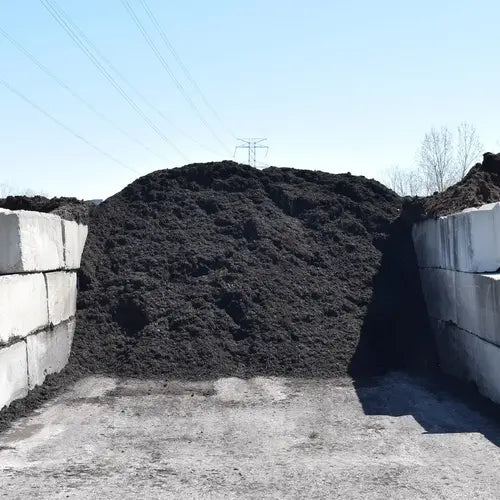
A yard is approximately 27 cubic feet. As a general guideline, one yard of material can cover an area of about 100-160 square feet at a 2-3 inch depth.
Mulch Mound delivered a yard of pea gravel to us. Delivery was on time, driver was friendly and hit a bullseye on the “tarp target”. We used the pea gravel (which was diameter as specified) to fill several muskrat holes around our pond. I would definitely recommend Mulch Mo...
How Much Material Do I Need?
Plan on 3 inches of mulch for established Thornton beds and about 2 inches for tight groundcover plantings where you do not want to bury the crowns. That works out to one cubic yard per 100 to 110 square feet.
Use our free mulch calculator
What is a yard?
A yard is approximately 27 cubic feet. As a general guideline, one yard of material can cover an area of about 100-160 square feet at a 2-3 inch depth.
Mulch Mound delivered a yard of pea gravel to us. Delivery was on time, driver was friendly and hit a bullseye on the “tarp target”. We used the ...
Read full review
Mulch Mound delivered a yard of pea gravel to us. Delivery was on time, driver was friendly and hit a bullseye on the “tarp target”. We used the pea gravel (which was diameter as specified) to fill several muskrat holes around our pond. I would definitely recommend Mulch Mound to a friend!
I can’t say enough good things about Mulch Mound! If you read my review below you will see I had a problem with my order. Mulch Mou...
Read full review
UPDATE!
I can’t say enough good things about Mulch Mound! If you read my review below you will see I had a problem with my order. Mulch Mound was quick to respond and solved the issue with my delivery. Will definitely be a customer next year.
First time purchase from Mulch Mound!! First what I liked! Easy to order online and straight forward pricing and delivery. The driver was on time and courteous and delivered my Mulch exactly where I requested! The product is of good quality and comparable to others I have purchased from before. Now what I DID’NT LIKE! I have been mulching the same house and yard for almost 20 years. I always order the same amount and don’t have any issues with covering the same area but this year I fell about a yard short. I was home when the mulch was delivered and when the driver dumped it I noticed that it seemed a bit less than I was used to. I didn’t apply it any thicker than usual and probably a bit thinner than usual because I was worried about running out.
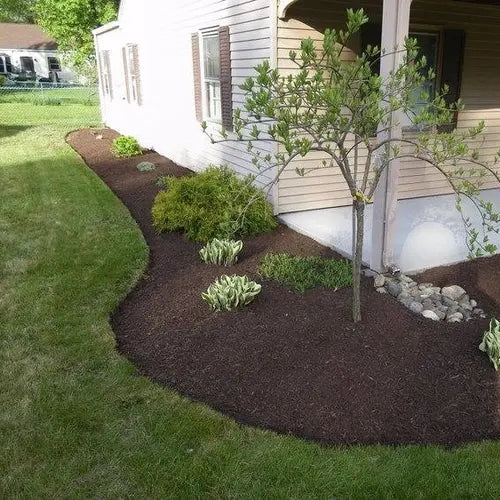
Measure each bed separately in feet, length times width, then add the square footage together before you enter it. Curved island beds are easiest to estimate by treating them as a rectangle around the outer edge and subtracting about 20 percent. One cubic yard covers roughly 108 square feet at 3 inches deep.
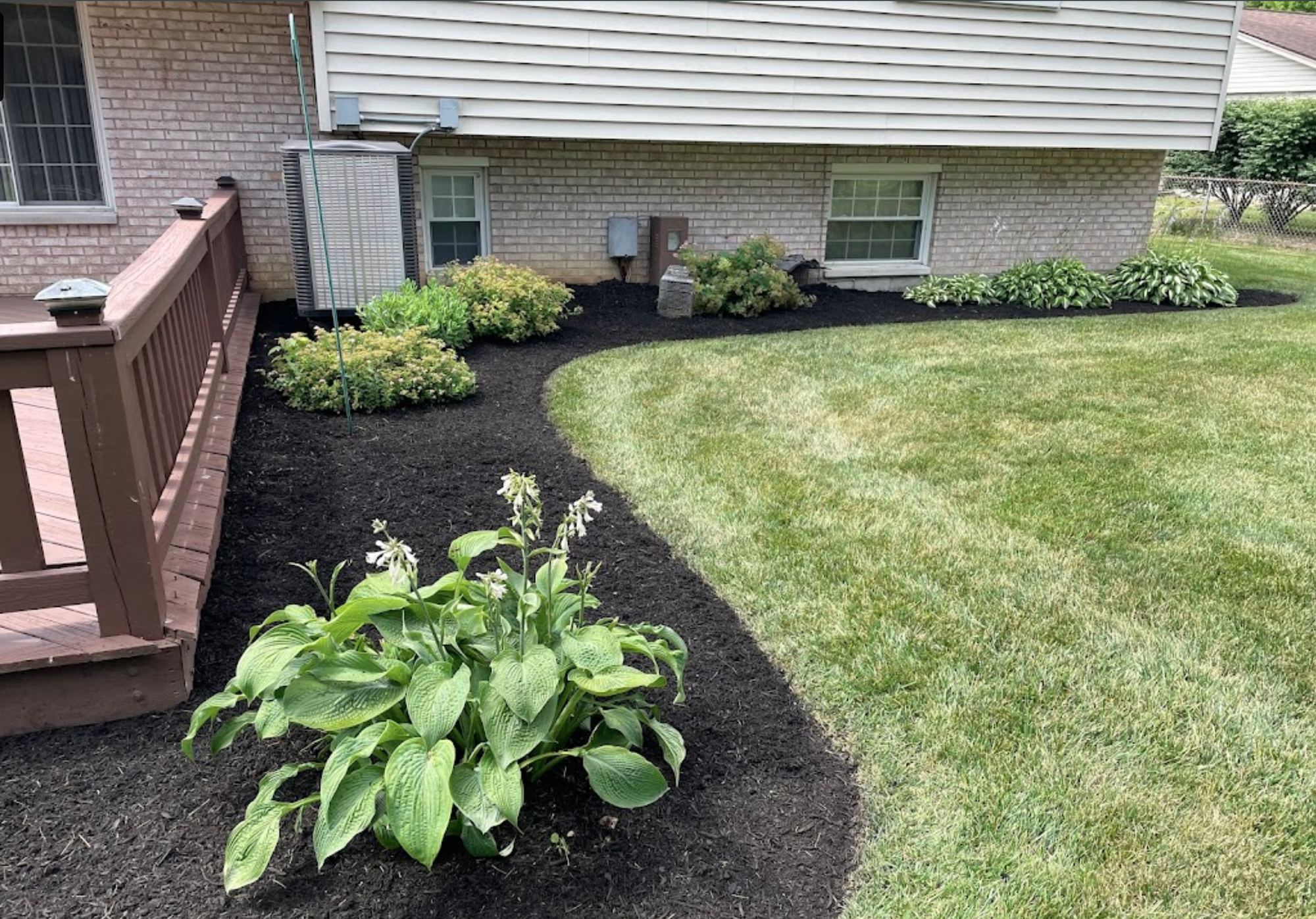
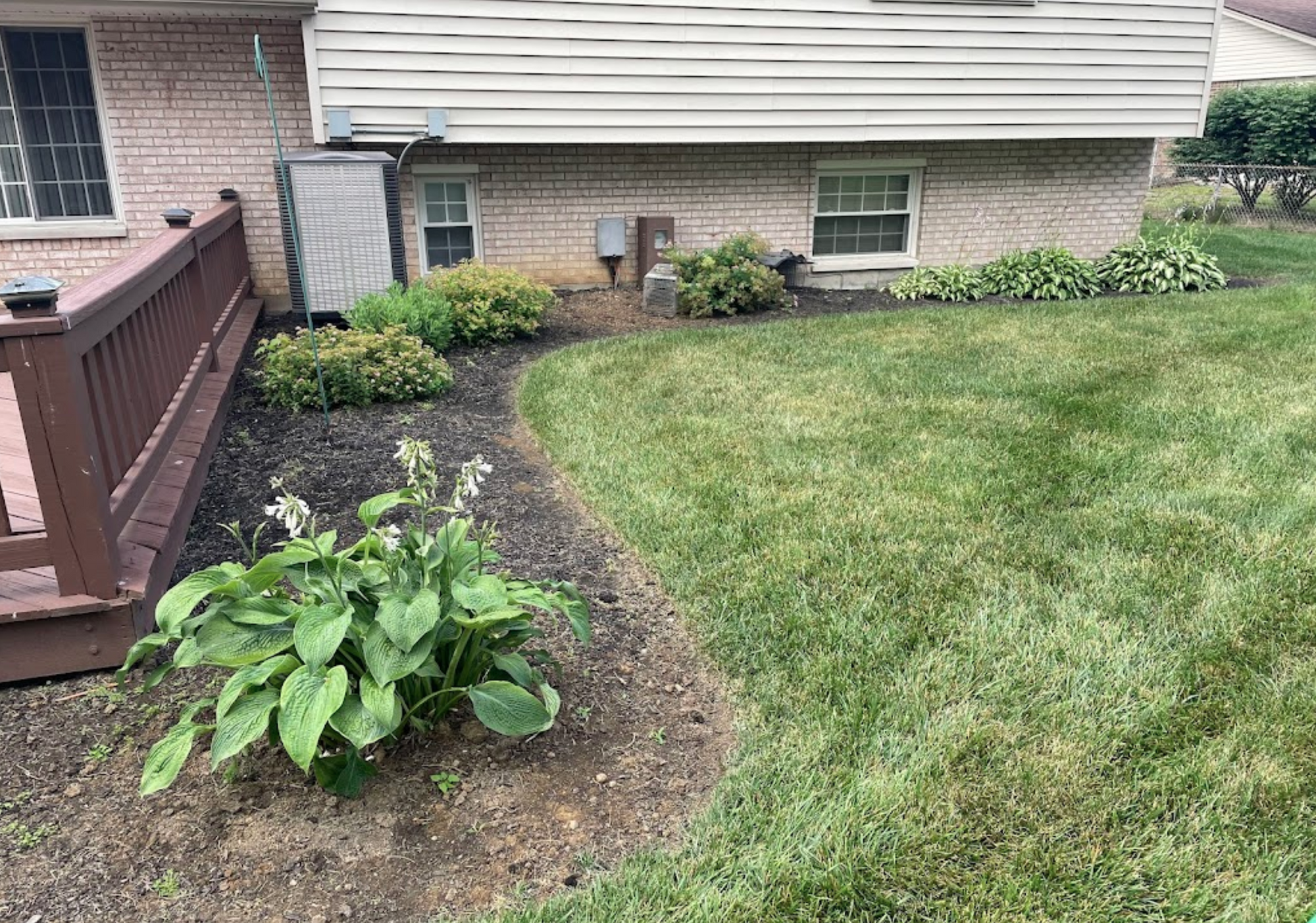
Mulch vs. No Mulch: The Difference
Thornton's combination of thin, dry air at 5,351 feet, intense UV, and just 16 inches of yearly moisture means organic mulch breaks down slowly compared to the Midwest or Pacific Northwest. Your wood mulch will fade in color long before it actually decomposes, which is why an annual top dress usually beats a full replacement. Non organic options like cobble and crushed granite never break down at all, but they also never improve the clay underneath.
Before
After
Best Mulch Choice for Thornton Lawns
Most yards in the Thornton area sit on type of soil. Thornton's alkaline clay runs high on the pH scale and packs into dense layers that resist both water and root penetration, which is why azaleas, blueberries, and pin oaks struggle here while iron chlorosis yellows maples and river birch. Plant beds need organic matter added on top and worked in to loosen that structure over time.
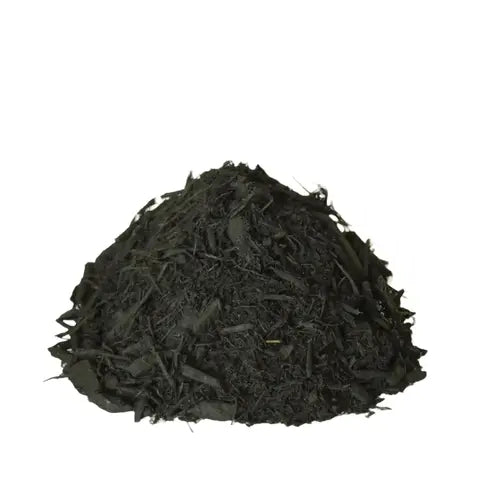
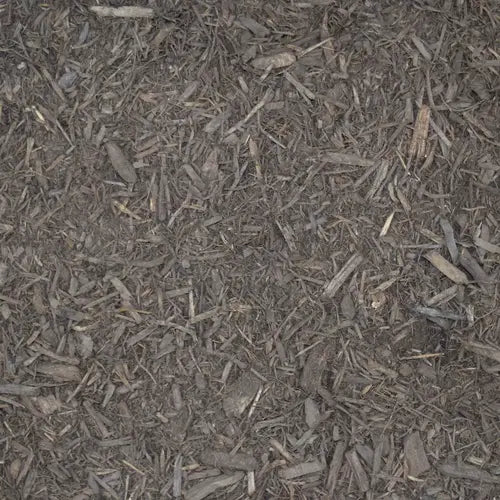
Hardwood Mulch
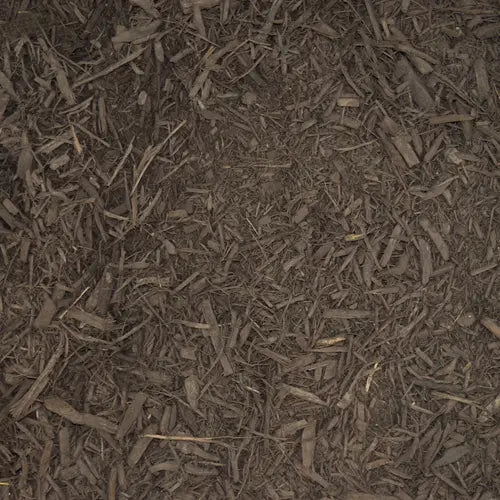
Shredded hardwood is the best fit for Thornton because it slowly releases mildly acidic organic acids as it decomposes, nudging surface pH down and freeing up iron for chlorotic shrubs. Its decomposition also feeds soil biology that opens channels through the clay, so water soaks in instead of running off.
Complete Your Outdoor Mulch Project
Most Thornton customers pair mulch with a few yards of compost worked into the clay first, plus steel or poly edging to keep mulch out of the bluegrass. Landscape fabric staples and a lightweight mulch fork make spreading day go a lot faster.
Water your beds deeply the day before mulch arrives. Thornton clay is nearly impossible to rewet once it dries into a hard crust, and mulch laid over bone dry soil will keep it that way for weeks. A slow soak that reaches 6 to 8 inches down gives you a moist reservoir under the mulch, and that reservoir is what carries shrubs through the hot, dry stretch between the June rains and the August monsoon bursts.
Mulch Mound Pro Tip
Watch your drip lines when you mulch. Most Thornton yards run drip emitters under the mulch layer, and a hurried wheelbarrow crew can crush or bury a line so you never notice a leak until the water bill shows up. Flag your emitters with landscape pins before spreading, then run the zone for five minutes afterward and walk the bed looking for dry spots or geysers.
Mulch Mound Pro Tip
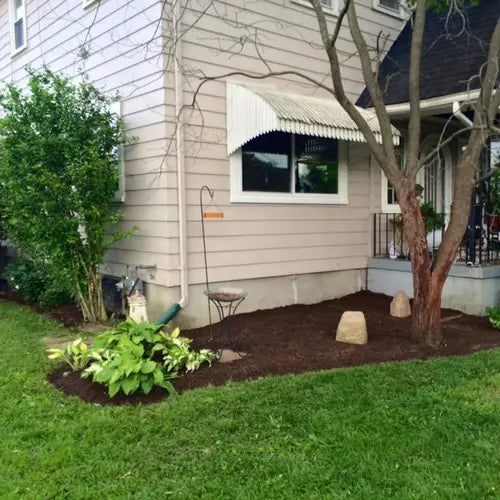
Keep mulch off your foundation and out of window wells. Thornton building lots are graded to move water away from the house, and piling mulch against siding creates a moisture bridge and a highway for earwigs and voles. Leave a 6 inch bare gap along the foundation wall, and if that strip looks unfinished, run a narrow band of 1 inch cobble there instead of organic material.
Frequently Asked Questions
Click a question to see the answer
Answer
How deep should mulch be in Thornton with only 16 inches of rain a year?
Three inches is the sweet spot for Thornton beds. Two inches is not enough to slow evaporation once the wind picks up off the plains, and anything past four inches on our tight clay can hold moisture against stems and starve roots of oxygen. Around tree trunks and perennial crowns, pull the mulch back an inch or two so it never touches bark.
Answer
Will mulch help my clay soil or just sit on top of it?
It does both. In the short term it shields the clay surface so it stops crusting and starts absorbing rain instead of sheeting it toward the sidewalk. Over two or three seasons the bottom layer breaks down into the top inch of clay, feeding earthworms and slowly opening up the structure. Thornton clay improves faster under organic mulch than it ever will under rock.
Answer
When is the best time to mulch in Thornton?
Late April into mid May, right around the May 5 average last frost, is ideal. The soil has warmed but has not started losing moisture yet, and you will lock in whatever the spring snows left behind. A lighter refresh in October before the October 5 first frost helps insulate perennials through the freeze thaw cycles that define our winters.
Answer
Does mulch blow away in Thornton's spring winds?
Fine, dry, uncomposted bark can drift when the March and April gusts come down off the foothills. Shredded hardwood knits together as it settles and holds far better than nuggets or chips in exposed north Thornton lots. Water the mulch in after spreading and it will mat down within a day.
Answer
Is dyed mulch safe to use near my vegetable beds?
The colorants used on quality dyed mulch are iron oxide and carbon based and are considered safe around ornamentals. That said, for edible beds in Thornton we steer people toward undyed shredded hardwood or a fine compost mulch, which will feed your soil rather than just holding color through the summer sun at 5,351 feet.
Answer
How often will I need to replace mulch here?
Our dry air and short wet season slow decomposition compared to wetter climates, so most Thornton homeowners top dress about an inch every year and do a full refresh every three years. High UV at this elevation fades color faster than the wood actually breaks down, so a thin topping usually restores the look.
Answer
Can I mulch right over the weeds already in my beds?
Pull bindweed, thistle, and cheatgrass first, because Thornton's toughest weeds push right through three inches of mulch. For everything else, a good scrape plus three inches of shredded hardwood will smother most annual weed seed. Skip plastic sheeting under mulch here, it traps heat against clay and keeps the little rain we do get from reaching roots.
The Unique Landscape of Thornton
Thornton sits at 5,351 feet on the northern edge of the Denver metro, where roughly 16 inches of annual moisture has to stretch across a long, sunny growing season. Bare alkaline clay beds here crust over, shed water when the July thunderstorms finally arrive, and bake plant roots during 95 degree afternoons. A 3 inch layer of mulch buffers that soil surface, cuts evaporation dramatically, and keeps root zones 10 to 15 degrees cooler on the hottest days. It also protects perennials during Thornton's freeze thaw whiplash, when a 65 degree February afternoon is followed by a 12 degree night and unmulched crowns get heaved right out of the clay. For most Thornton yards, mulch is the single cheapest way to make a limited water budget go further between the last frost around May 5 and first frost near October 5.