About this mulch

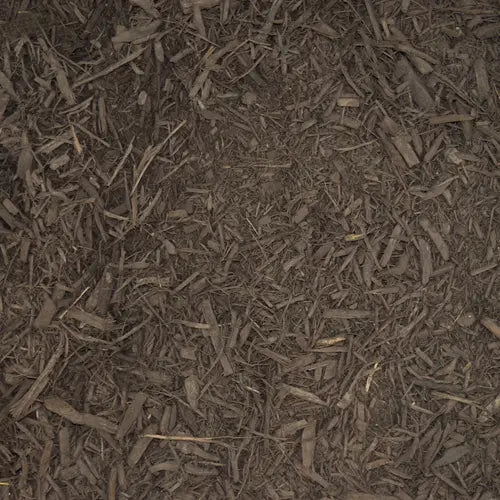
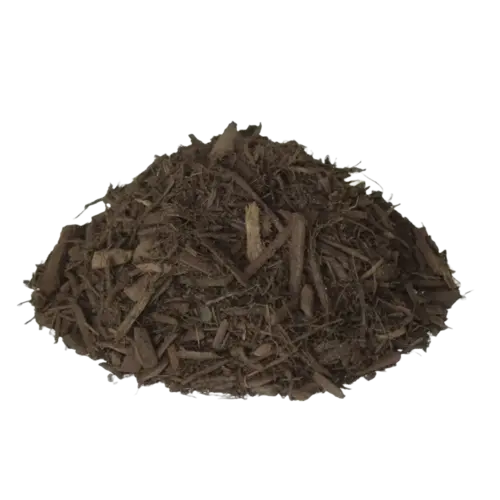
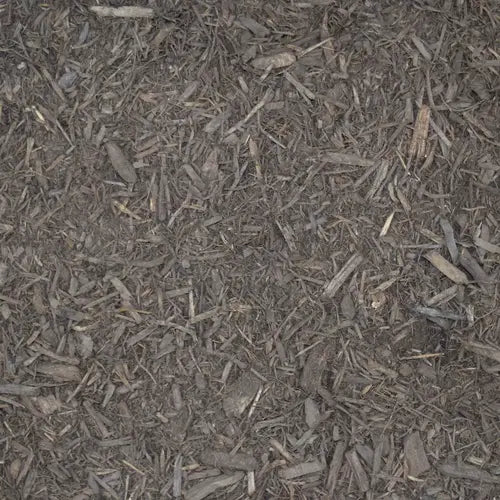
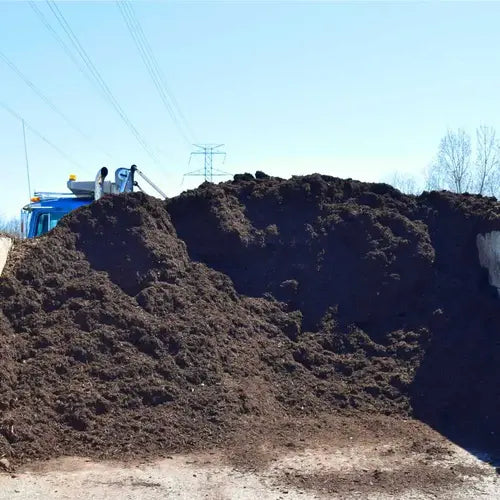
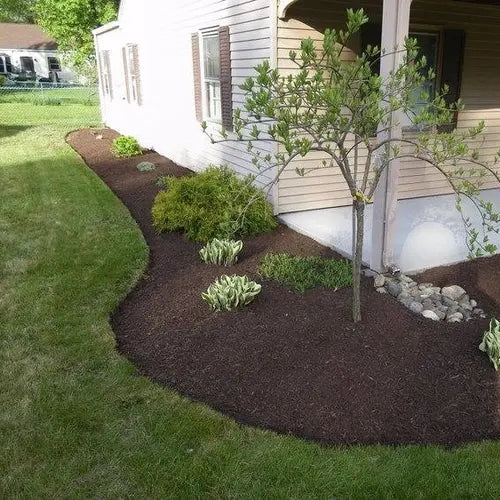
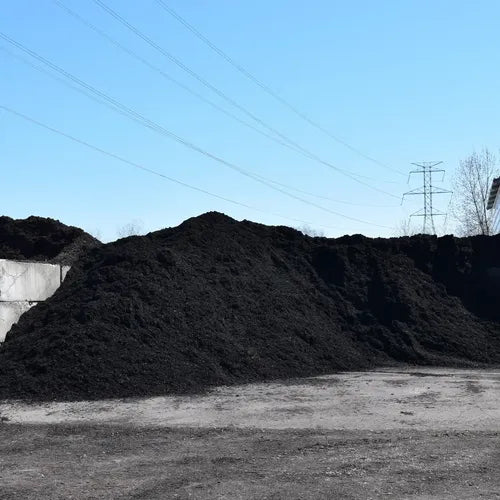
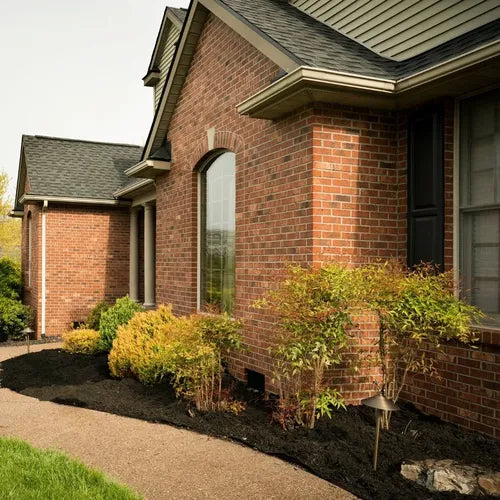
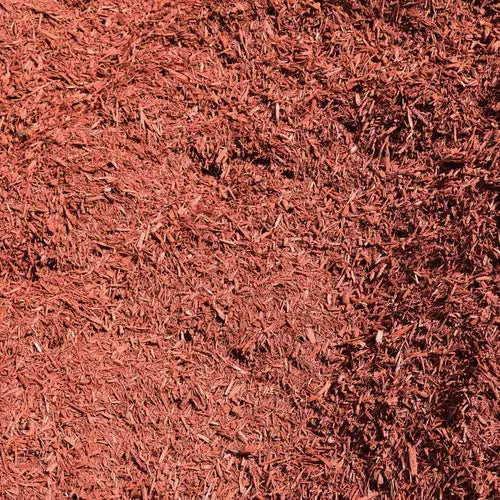
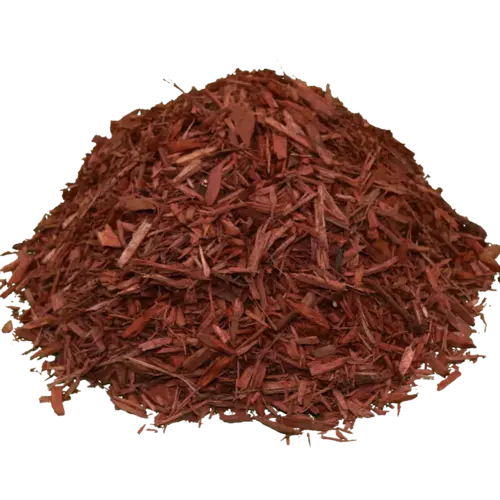
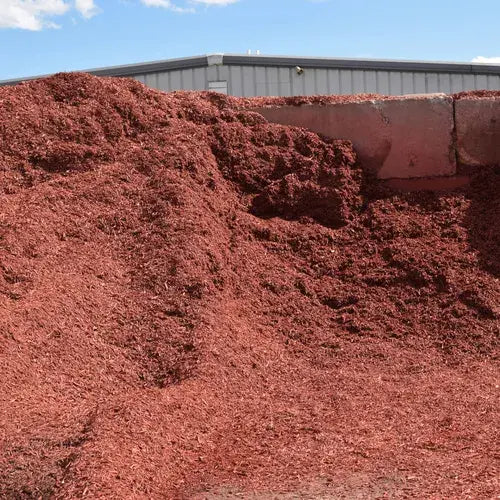
Warm brown double shredded mulch with lasting color that looks freshly applied for weeks. Spreads smooth, stays put, and gives beds a natural, polished appearance.

UPDATE!

I can’t say enough good things about Mulch Mound! If you read my review below you will see I had a problem with my order. Mulch Mound was quick to respond and solved the issue with my delivery. Will definitely be a customer next year.

First time purchase...

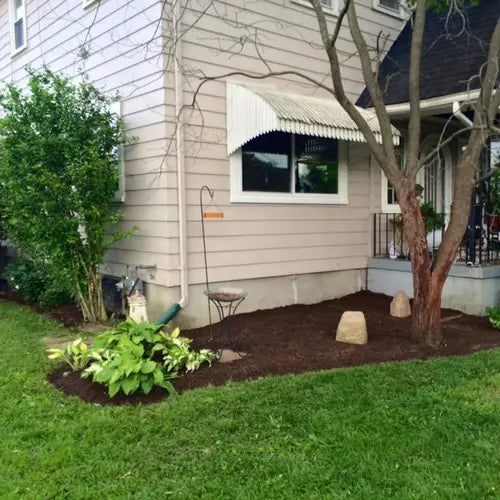
Plan for a 3-inch layer throughout Titusville's plant beds, as sandy soil loses moisture so rapidly that thinner applications provide minimal benefit. A single cubic yard covers approximately 100 square feet at that depth.
Use our free mulch calculator

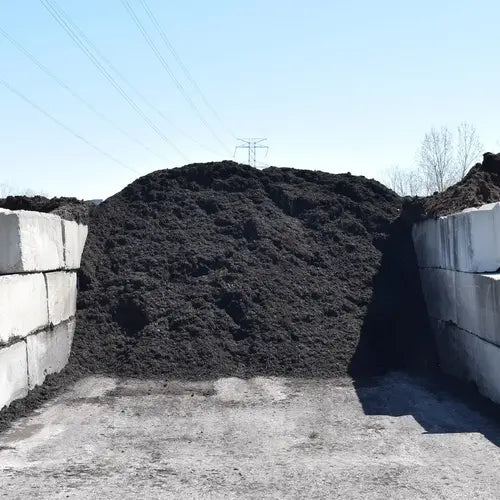
A yard is approximately 27 cubic feet. As a general guideline, one yard of material can cover an area of about 100-160 square feet at a 2-3 inch depth.

Titusville Mulch Delivery

Titusville Mulch Delivery

4.7
137 reviews
Regular price $55.00 per yard
Regular price Sale price $55.00
Sale Sold out
Color
Style
Minimum of 3 yard
Hand-picked local yards
4,000+ regional deliveries
Dedicated support
Why order through Mulch Mound

The best local mulch, without the guesswork.

We hand-pick and partner with the best yards in your region, keep only the ones our buyers rate well, and back each load with our guarantee.

Mulch Mound Guarantee

If your mulch isn't the quantity or quality you ordered, we'll make it right.

About this mulch

Warm brown double shredded mulch with lasting color that looks freshly applied for weeks. Spreads smooth, stays put, and gives beds a natural, polished appearance.

UPDATE!

I can’t say enough good things about Mulch Mound! If you read my review below you will see I had a problem with my order. Mulch Mound was quick to respond and solved the issue with my delivery. Will definitely be a customer next year.

First time purchase...

Plan for a 3-inch layer throughout Titusville's plant beds, as sandy soil loses moisture so rapidly that thinner applications provide minimal benefit. A single cubic yard covers approximately 100 square feet at that depth.
Use our free mulch calculator

A yard is approximately 27 cubic feet. As a general guideline, one yard of material can cover an area of about 100-160 square feet at a 2-3 inch depth.

View full details

How It Works

Getting started is easy — just follow these simple steps

1

Choose your Mulch

Make sure you adjust the quantity to your home's needs. You can use our calculator to estimate how much you'll need.

2

Select your delivery date

Select a delivery date you'd like for the product to be dropped off at your home

3

Sit back and wait

Sit back, wait, and let us work our magic to make sure the highest quality product is delivered to your driveway.

What Titusville Customers Are Saying

4.7
out of 5 based on 137 reviews
Google Reviews

Calculate mulch for your Titusville project

For Titusville's Sandy type of soil, we recommend 2-3 inches for best weed suppression and moisture retention

Try Our Calculator
📍

To estimate how much mulch you need for your Titusville beds, measure the length and width of each bed area in feet, multiply those numbers together to get square footage, then divide by 100 for a 3-inch depth coverage estimate per cubic yard. Because Titusville's sandy soil benefits from a generous layer, err on the side of ordering slightly more rather than less. A little extra mulch goes quickly when topping off thin spots or extending a bed edge.

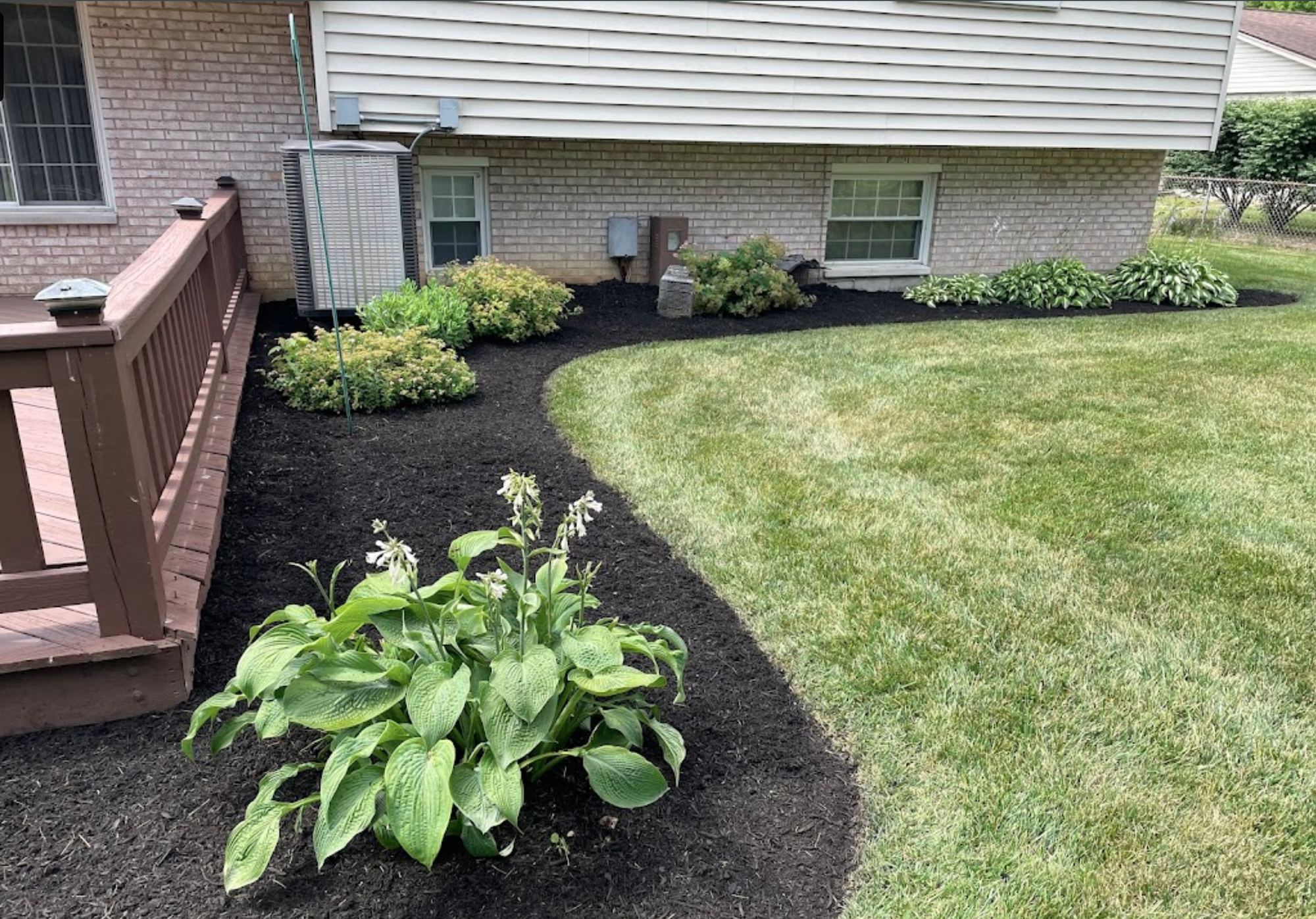
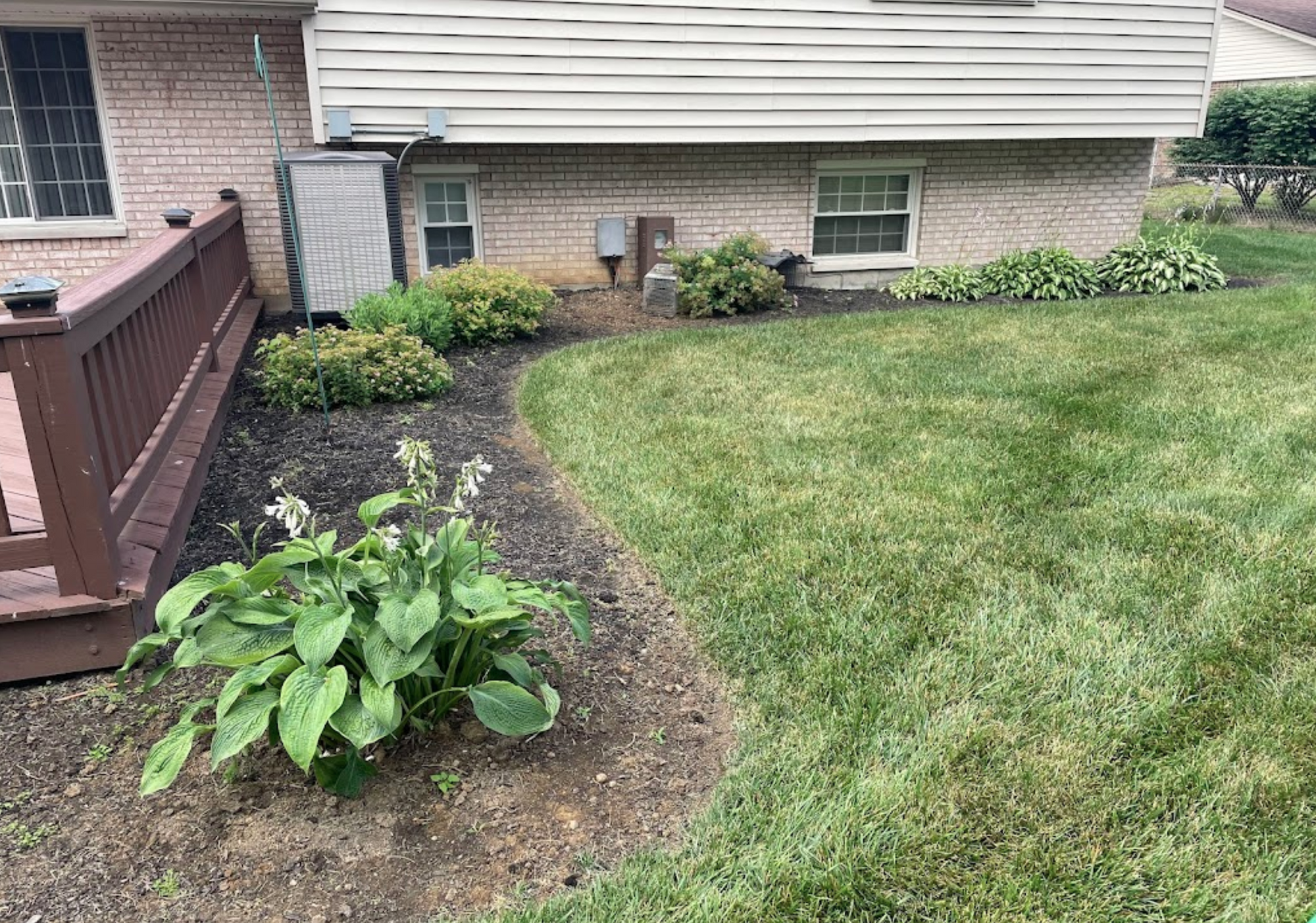
Mulch vs. No Mulch: The Difference

Titusville's warm, humid climate accelerates the breakdown of all organic mulches, but natural and dyed products respond differently to that persistent heat and moisture. Natural hardwood mulch decomposes relatively quickly in Zone 10a, feeding organic matter into sandy soil but requiring more frequent replenishment to maintain depth and effectiveness. Dyed mulches use colorant to maintain visual appeal longer through hot Florida summers, making them a popular choice in high-visibility beds where consistent aesthetics matter as much as soil health.

Before image
After image
Slider handle
Before
After

Mulch Types We Deliver in Titusville

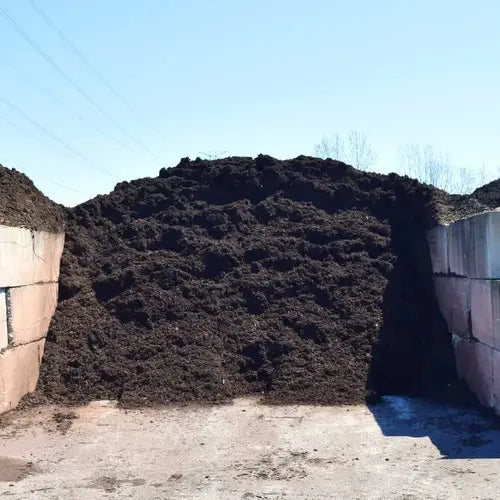
The warm, humid climate and sandy soils common in this part of Florida make fresh mulch essential for protecting plant roots and holding moisture through the dry season. Mulch Mound offers bulk mulch delivery in Titusville by the cubic yard, bringing quality material straight to your property. We carry a range of mulch types to match the colors and landscape styles common throughout this area.

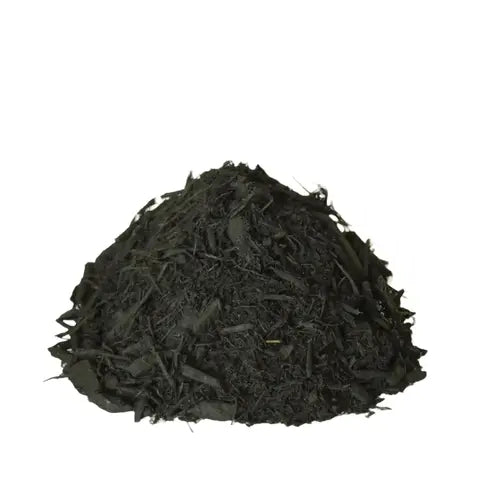
Dyed Black Mulch

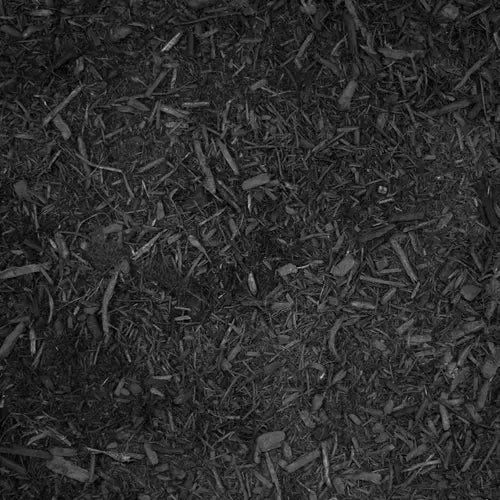
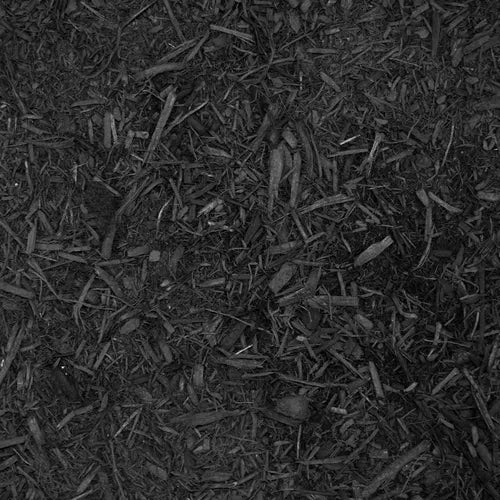
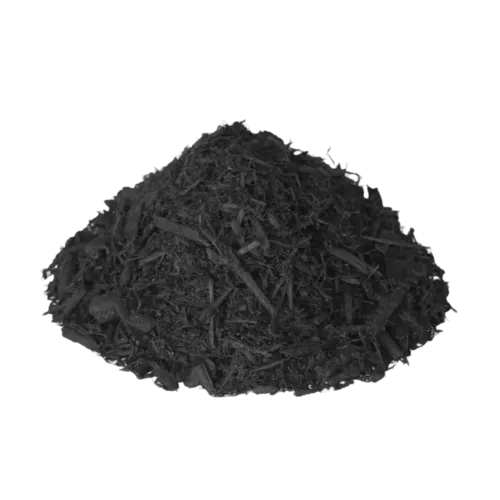
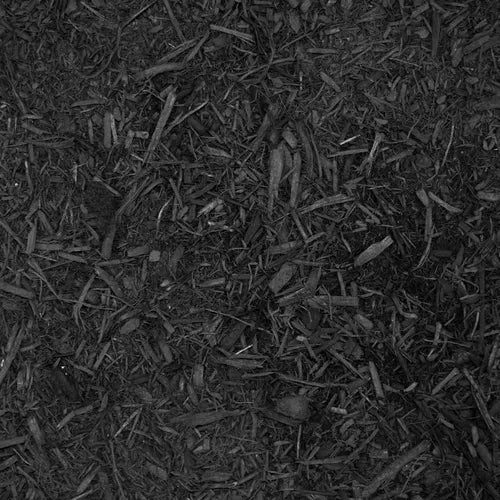
Dyed black double shredded mulch delivers a bold, high contrast look that stands out in Florida landscape beds. The rich color holds strong under intense summer sun and heavy seasonal rain, giving beds a sharp, finished appearance that pairs well with the lighter home exteriors and open yards common in this part of the state.

Dyed Brown Mulch

Warm brown double shredded mulch blends naturally with the sandy soils and earthy tones typical of Florida landscapes. The color stays fresh looking through the season, spreading smoothly and holding in place even after heavy summer downpours. It gives beds a clean, polished finish without looking too bold or artificial.

Natural Brown Mulch

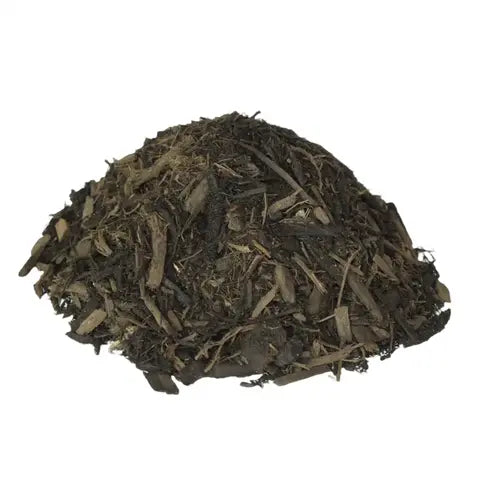
Natural brown double shredded mulch skips the dye and lets the wood's own warm, earthy tone do the work. It suits homeowners who prefer a more organic look, and it performs well in sandy soil by improving moisture retention and supporting healthy root growth through the heat of summer.

Complete Your Outdoor Mulch Project

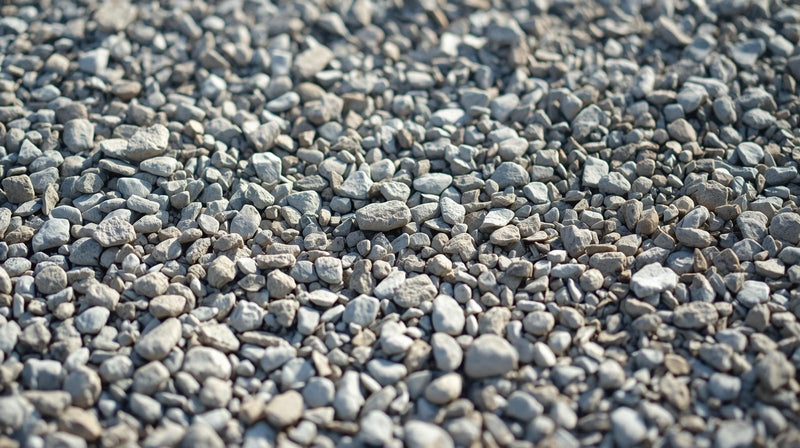
Pair your mulch order with quality topsoil to build up nutrient-poor sandy beds before mulching, or add a crushed stone border to define bed edges and keep mulch contained during Titusville's heavy summer downpours.

Map of Titusville, Florida

Areas we deliver mulch in Titusville, Florida

No cities found for this region.

See All Locations
Mulch Mound Pro Tip

Titusville's growing season runs nearly twelve months in Zone 10a, which means weeds never fully stop germinating in unprotected beds. Apply mulch at a consistent 3-inch depth each spring before the summer rainy season begins, because that is when weed pressure spikes alongside rapidly warming soil temperatures. A thick, even layer applied before June cuts down on hand-weeding throughout the entire wet season and reduces how often you need to reapply before the following winter.

Mulch Mound Pro Tip

Sandy soil in Titusville heats up fast in direct sun, and high root-zone temperatures stress plants during long summer afternoons. Organic mulch acts as an insulating blanket, keeping the top few inches of soil measurably cooler than bare ground on the same property. If you grow palms, crotons, or other tropical ornamentals that are staples of Titusville landscapes, a well-mulched root zone helps them direct energy toward growth rather than heat recovery during the hottest months of the year.

Mulch Mound Pro Tip

With 53 inches of rain falling on Titusville each year, mostly concentrated in powerful summer thunderstorms, mulch acts as a critical buffer between heavy rainfall and bare sandy soil. Without it, intense storms compact the soil surface, reduce water infiltration, and splash soil-borne pathogens onto plant foliage. A fresh layer of shredded hardwood mulch before the rainy season cushions the impact of those downpours, keeps beds looking tidy through the wet months, and dramatically reduces soil splash on low-growing plants and ground covers.

Frequently Asked Questions

Click a question to see the answer

Answer

How often should I reapply mulch in Titusville's climate?

In Titusville's Zone 10a climate, organic mulches break down year-round because there is no true winter dormancy to slow decomposition. Most homeowners find they need to top off or replace mulch once a year, and sometimes twice if they applied a thin layer to start. A full 3-inch depth applied in the fall will carry you through most of the growing season, but check beds in late spring before the heavy summer rains arrive and add an inch if the layer has thinned noticeably.

Answer

Will mulch actually help during Titusville's dry stretches between rainstorms?

Yes, and it makes a noticeable difference specifically in sandy soil. Titusville's sandy profile drains so fast that surface moisture evaporates almost as quickly as it soaks in. A 3-inch mulch layer can cut soil moisture evaporation by more than half, meaning your plants have access to water for days instead of hours after a rain event. During the drier months between November and May, that moisture retention can be the difference between thriving plants and stressed ones.

Answer

Does all the rain Titusville gets wash my mulch out of the beds?

Titusville's 53 inches of annual rainfall does cause some mulch movement, especially during intense summer thunderstorms. Shredded hardwood mulch interlocks as it settles and holds up much better against heavy rain than nugget-style products. Keeping a clean bed edge and applying mulch at a consistent 3-inch depth rather than piling it too deep near plant stems will help it stay put. Flat bed areas hold mulch well, while sloped spots benefit from shredded types that resist washing.

Answer

What mulch depth works best over Titusville's sandy soil?

Three inches is the sweet spot for Titusville's sandy soil conditions. Less than that and moisture evaporates too quickly through the thin layer, negating most of the retention benefit. More than 4 inches can hold so much moisture against plant stems in Titusville's humid climate that it invites fungal issues. Keep mulch pulled an inch or two away from stems and trunks, and check depth each spring before the summer rains return.

Answer

Should I worry about termites getting into my Titusville home from mulch near the foundation?

It is a fair concern in Florida and worth taking seriously. Termites are naturally present in Titusville's environment regardless of mulch, but keeping mulch from touching your home's foundation reduces the risk of giving them a direct bridge indoors. Leave a 6-inch gap between any mulch bed and your foundation, and avoid piling mulch against wood siding or door frames. Inorganic stone mulch is a good alternative for the narrow strip directly against the foundation if you prefer extra peace of mind.

Answer

Is dyed mulch safe to use in my Titusville vegetable garden?

Most dyed mulches sold today use iron oxide or carbon-based colorants that are considered safe around food gardens at normal application depths. That said, many Titusville gardeners prefer natural hardwood mulch in vegetable beds because it breaks down and adds organic matter to the sandy soil, improving nutrient retention over time. If your vegetable beds are permanent raised beds, natural mulch offers both safety confidence and a long-term soil-building benefit that dyed products do not provide.

Answer

Is it a good idea to apply mulch right after a heavy Titusville summer rainstorm?

Yes, and it is actually a great time to mulch if the storm was not so intense that it displaced your existing bed material. Applying mulch over already-moist sandy soil seals in that surface moisture before the Florida sun has a chance to bake it away. Avoid spreading mulch during an active downpour because heavy rain will displace it before it settles. Wait a few hours after the storm passes and then spread your mulch while the soil is still holding that water.

The Unique Landscape of Titusville

Titusville's sandy soil drains so aggressively that plant beds can be bone dry within 48 hours after even a heavy summer downpour, despite the area receiving 53 inches of rain per year. A properly applied mulch layer acts as a buffer between that fast-draining ground and your plants' roots, capturing and slowly releasing the moisture that sandy soil refuses to hold on its own. Summer soil surface temperatures in Titusville can exceed 100 degrees Fahrenheit, and mulch provides the insulation that protects shallow root systems from heat stress during the long growing season. Organic mulches feed nutrients back into sandy soil as they break down, gradually improving the soil's ability to hold water and support plant life. Because Titusville sits in Zone 10a with a last frost around March 13 and a first frost not until around December 15, decomposition runs almost continuously, meaning mulch breaks down faster here than in cooler climates and beds need refreshing more often.