




I needed 3 yards of top soil and that's what I got! Right on time and right where I asked it to be placed (Order# 2041).
About this soil
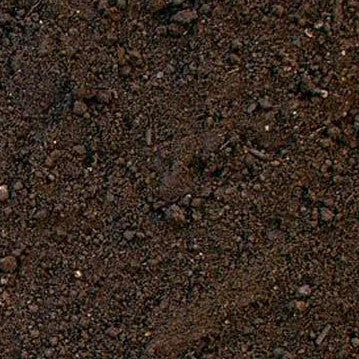
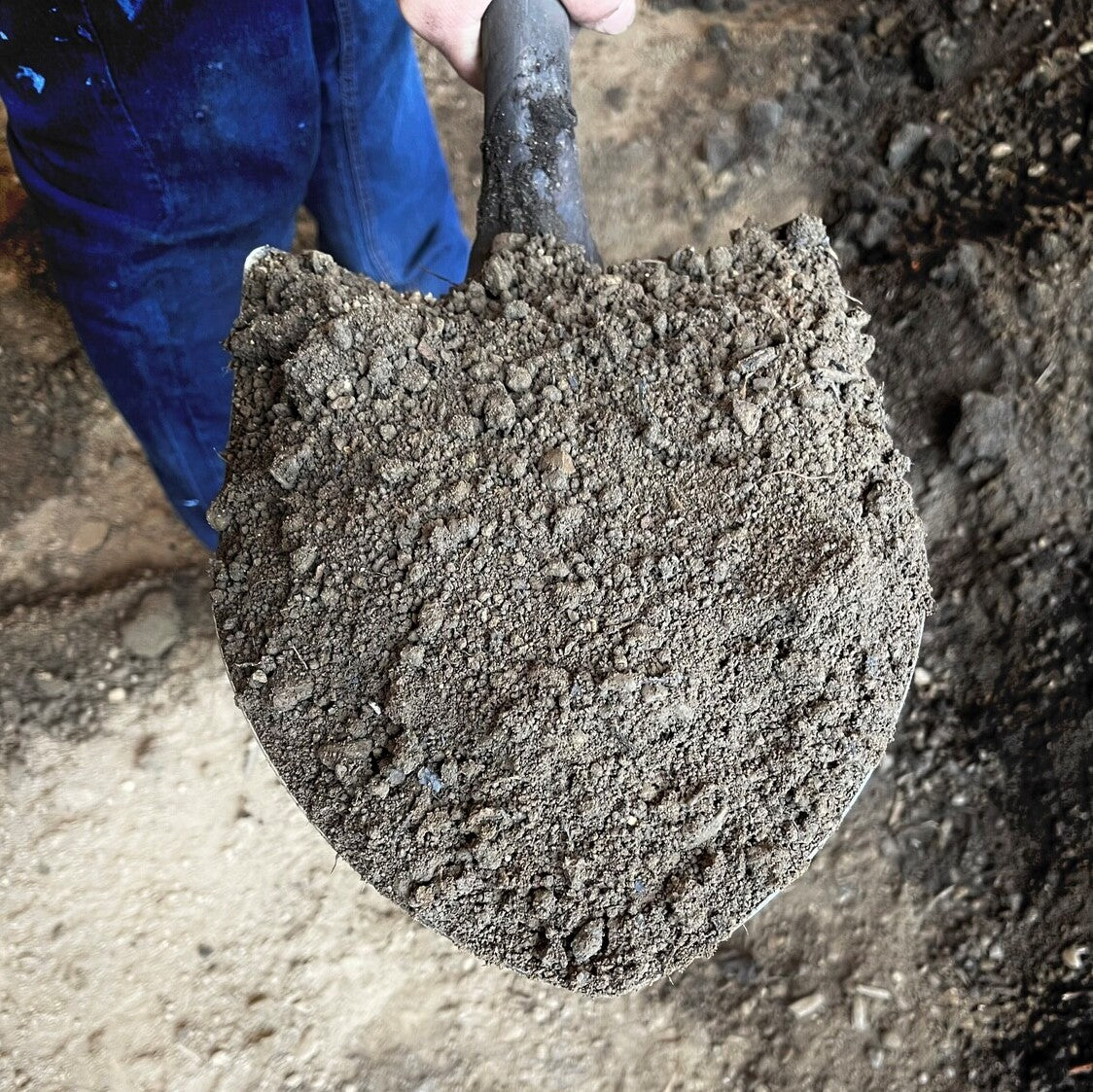
Quality topsoil for lawns, gardens, and landscape projects. Nutrient rich and ready to support strong root development and healthy plant establishment.
I needed 3 yards of top soil and that's what I got! Right on time and right where I asked it to be placed (Order# 2041).
Tell us what you're looking for
Thanks! We received your request.
Something went wrong. Please try again.
How Much Material Do I Need?
How Much Material Do I Need?
For planting beds over Titusville's sandy native soil, plan for a minimum of 6 inches of quality topsoil or garden mix to give roots a workable growing zone above the fast-draining sand. Lawn leveling projects typically need 0.5 to 1 inch applied in stages to avoid smothering existing turf.
Use our free soil calculator
What is a yard?
What is a yard?
FAQs
FAQs
Titusville Soil Delivery
Titusville Soil Delivery
Regular price
$55.00
per
yard
Regular price
Sale price
$55.00
Unit price
per
Shipping calculated at checkout.
Couldn't load pickup availability
Not currently available
We can't take orders for this right now. Tell us what you need and we'll get back to you.
Hand-picked local yards
4,000+ regional deliveries
Dedicated support
Why order through Mulch Mound
The best local soil, without the guesswork.
We hand-pick and partner with the best yards in your region, keep only the ones our buyers rate well, and back each load with our guarantee.
Mulch Mound Guarantee
If your soil isn't the quantity or quality you ordered, we'll make it right.
About this soil
Quality topsoil for lawns, gardens, and landscape projects. Nutrient rich and ready to support strong root development and healthy plant establishment.
I needed 3 yards of top soil and that's what I got! Right on time and right where I asked it to be placed (Order# 2041).
How Much Material Do I Need?
How Much Material Do I Need?
For planting beds over Titusville's sandy native soil, plan for a minimum of 6 inches of quality topsoil or garden mix to give roots a workable growing zone above the fast-draining sand. Lawn leveling projects typically need 0.5 to 1 inch applied in stages to avoid smothering existing turf.
Use our free soil calculator
What is a yard?
What is a yard?
FAQs
FAQs
Tell us what you're looking for
Thanks! We received your request.
Something went wrong. Please try again.
How It Works
Getting started is easy — just follow these simple steps
1
Choose your soil
Make sure you adjust the quantity to your home's needs. You can use our calculator to estimate how much you'll need.
2
Select your delivery date
Select a delivery date you'd like for the product to be dropped off at your home
3
Sit back and wait
Sit back, wait, and let us work our magic to make sure the highest quality product is delivered to your driveway.

Highest compliments. Great driver.
Website is easy to navigate. Just a seamless process. 5 stars!!

Need Help Calculating How Much Soil You Need?
Use our NEW Trace from Satellite tool to get an estimate for your project based on an aerial view of your property
Try Our CalculatorMeasure your garden bed or lawn area in feet, multiply length by width to get square footage, and then multiply by the fill depth in feet to get cubic feet, dividing by 27 to convert to cubic yards. For Titusville raised bed projects, plan for a full 12-inch depth since shallow beds dry out too fast in the local heat and sandy soil below drains away moisture rapidly. It is always better to order a small amount of extra material when building new beds, as soil settles noticeably after the first heavy watering and you will want material on hand to top off any low spots.
Soil Types We Deliver in Titusville
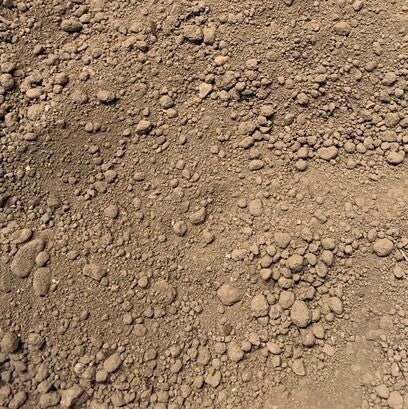
Titusville yards often sit on sandy, nutrient-poor ground that struggles to support lush lawns and thriving gardens without a quality soil amendment. We make it easy to order bulk topsoil by the yard in Titusville, delivered straight to your driveway or project site. Whether you are filling raised beds, grading a yard, or establishing new planting areas, we bring the right soil in the quantities you need.
Screened Top Soil
Our screened topsoil is run through a fine mesh to remove rocks, roots, and clumps, leaving a smooth, workable blend that is ready to spread. It is nutrient rich and well suited for lawns, flower beds, and vegetable gardens in Titusville's warm, humid growing climate. The fine texture encourages strong root development and helps young plants establish quickly.
Complete Your Outdoor Soil Project
After filling your beds with quality soil, layer mulch on top to lock in the moisture that Titusville's sandy ground would otherwise lose within days of a rain event. Add a stone border or edging to keep soil contained during the heavy summer downpours that regularly move loose material in unprotected beds.


Service area
Areas we deliver soil in Titusville, Florida
Mulch Mound Pro Tip
Titusville's summer rainy season delivers intense, fast-moving thunderstorms that can displace surprising amounts of loose topsoil if beds are not properly protected. After filling a new bed, water it lightly and allow it to settle for a day before planting. Then apply mulch immediately over the bare soil surface to shield it. This two-step approach prevents the compaction and surface erosion that happens when those first heavy storms hit fresh, unprotected soil during the weeks right after installation.
Mulch Mound Pro Tip
Because Titusville sits in Zone 10a with an almost year-round growing season, soil in active garden beds never really rests. Replenish organic matter in your beds at least once a year by top-dressing with a thin layer of compost or fresh garden mix in September before the fall planting season begins. Sandy soil is incredibly porous and organic matter breaks down quickly in Titusville's heat and humidity, so annual additions keep beds productive rather than gradually reverting to the nutrient-poor conditions of the native ground around them.
Mulch Mound Pro Tip
Grading and drainage improvement is one of the most overlooked benefits of importing quality soil to Titusville yards. While sandy soil drains well on its own, compacted low spots near driveways and foundations often develop poor drainage that directs water toward your home's structure. Grading those problem areas with topsoil and then planting or mulching over them creates a gentle slope that moves Titusville's heavy summer rain away from structures and toward open lawn areas where it can absorb safely into the ground.
The Unique Landscape of Titusville
Titusville's native sandy soil drains water quickly and efficiently but holds almost no nutrients and dries out so fast that building productive garden beds without imported soil is a constant uphill battle. Whether you are grading a bare yard, filling a raised vegetable bed, or repairing low spots that collect standing water during summer storms, quality topsoil or garden soil gives you a workable growing medium that native sandy ground simply cannot provide on its own. Zone 10a's nearly year-round growing season keeps garden beds in continuous production, depleting nutrients faster than in cooler climates where soil rests for several months each year. With 53 inches of annual rainfall, mostly falling in intense summer bursts, poorly structured soil also allows fertilizers to leach through sandy profiles before roots ever absorb them. Investing in quality soil is the single most impactful step you can take before planting, because everything else from mulch to irrigation to fertilizer performs better when the growing medium beneath it has real structure and nutrient-holding capacity.