




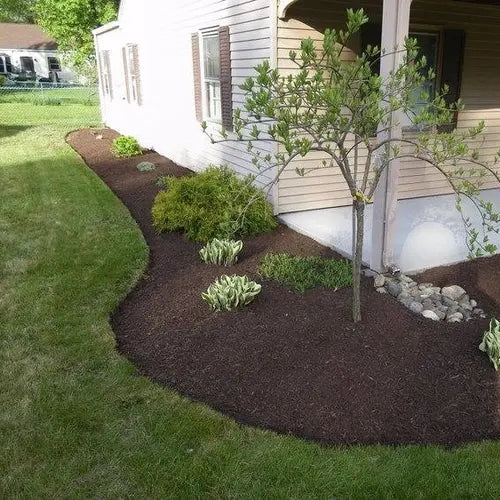

Delivery was smooth and on time!
The triple shredded mulch was great quality and just what we were looking for.
About this mulch
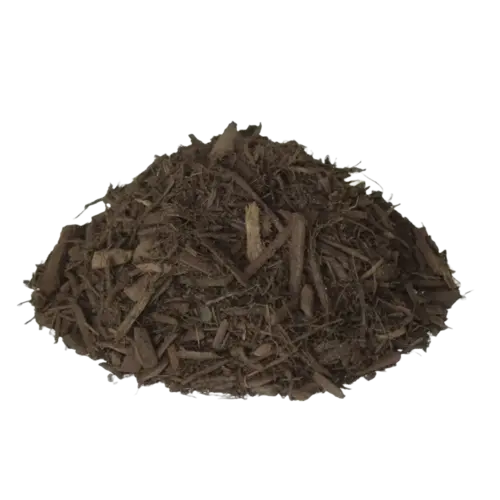
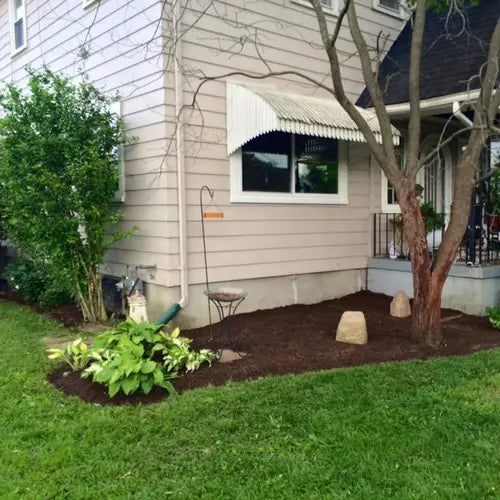
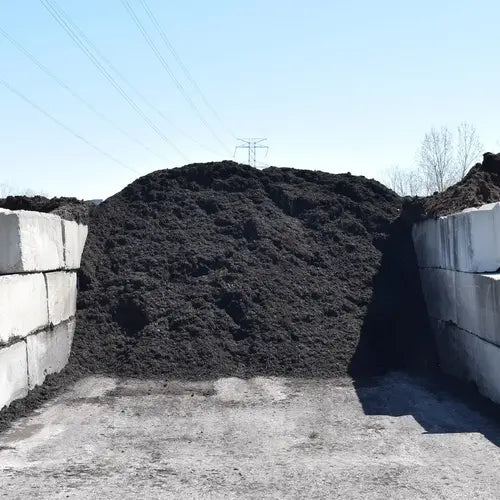
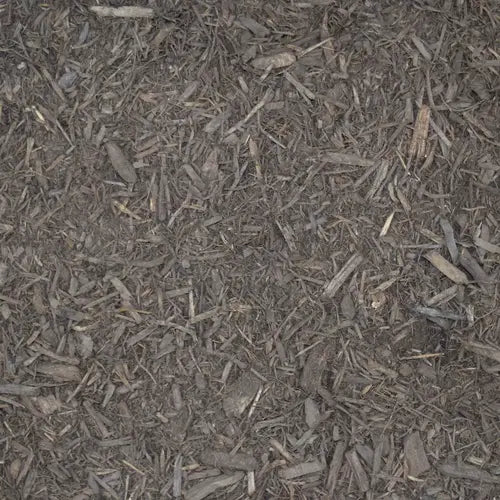
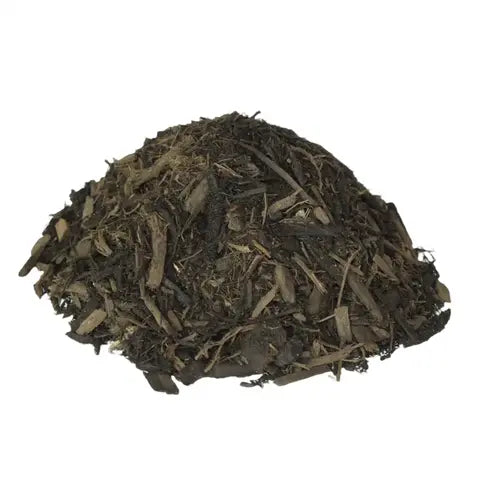
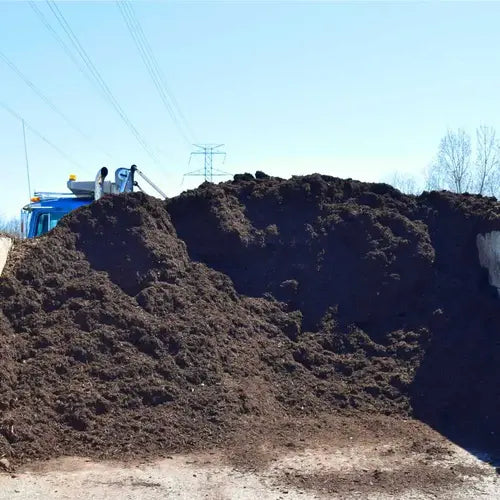
Warm brown double shredded mulch with lasting color that looks freshly applied for weeks. Spreads smooth, stays put, and gives beds a natural, polished appearance.
Delivery was smooth and on time!
The triple shredded mulch was great quality and just what we were looking for.
Tell us what you're looking for
Thanks! We received your request.
Something went wrong. Please try again.
How Much Material Do I Need?
How Much Material Do I Need?
For Topeka beds over heavy clay, two to three inches of mulch provides adequate moisture retention and weed suppression without compounding the drainage limitations clay already creates. New beds being established for the first time may benefit from a full three inches to help buffer the soil temperature swings that come with Zone 6b winters and late spring frost risk.
Use our free mulch calculator
What is a yard?
What is a yard?
FAQs
FAQs
Topeka Mulch Delivery
Topeka Mulch Delivery
Regular price
$64.00
per
yard
Regular price
Sale price
$64.00
Unit price
per
Shipping calculated at checkout.
Minimum of 3 yard
Couldn't load pickup availability
Not currently available
We can't take orders for this right now. Tell us what you need and we'll get back to you.
Hand-picked local yards
4,000+ regional deliveries
Dedicated support
Why order through Mulch Mound
The best local mulch, without the guesswork.
We hand-pick and partner with the best yards in your region, keep only the ones our buyers rate well, and back each load with our guarantee.
Mulch Mound Guarantee
If your mulch isn't the quantity or quality you ordered, we'll make it right.
About this mulch
Warm brown double shredded mulch with lasting color that looks freshly applied for weeks. Spreads smooth, stays put, and gives beds a natural, polished appearance.
Delivery was smooth and on time!
The triple shredded mulch was great quality and just what we were looking for.
How Much Material Do I Need?
How Much Material Do I Need?
For Topeka beds over heavy clay, two to three inches of mulch provides adequate moisture retention and weed suppression without compounding the drainage limitations clay already creates. New beds being established for the first time may benefit from a full three inches to help buffer the soil temperature swings that come with Zone 6b winters and late spring frost risk.
Use our free mulch calculator
What is a yard?
What is a yard?
FAQs
FAQs
Tell us what you're looking for
Thanks! We received your request.
Something went wrong. Please try again.

How It Works
Getting started is easy — just follow these simple steps
1
Choose your Mulch
Make sure you adjust the quantity to your home's needs. You can use our calculator to estimate how much you'll need.
2
Select your delivery date
Select a delivery date you'd like for the product to be dropped off at your home
3
Sit back and wait
Sit back, wait, and let us work our magic to make sure the highest quality product is delivered to your driveway.

Great experience with mulch mound. Their online calculator made it easy to estimate how many yards of mulch I needed and delivery was quick. I woul...
Read full review
Great experience with mulch mound. Their online calculator made it easy to estimate how many yards of mulch I needed and delivery was quick. I would definitely recommend them for your future projects.

We needed mulch for our HOA common areas. Local providers were all holding high prices even for 40 yards of mulch. Mulch mound was easy to wowith...
Read full review
We needed mulch for our HOA common areas. Local providers were all holding high prices even for 40 yards of mulch. Mulch mound was easy to wowith & has great price for natural mulch + delivery schedule options. They called before delivery to ensure Delivery was exactly where we wanted it.
Calculate mulch for your Topeka project
For Topeka's Heavy Clay type of soil, we recommend 2-3 inches for best weed suppression and moisture retention
Try Our CalculatorMeasure the length and width of each bed and multiply to get square footage, then plan on a depth of two to three inches for Topeka beds built over clay soil. Because clay holds moisture longer than sandy soils, you rarely need to exceed three inches here, and doing so can keep roots waterlogged during wet springs. Add up all your bed square footage, divide by 108 for a three-inch depth, and that figure gives you the number of cubic yards to order.
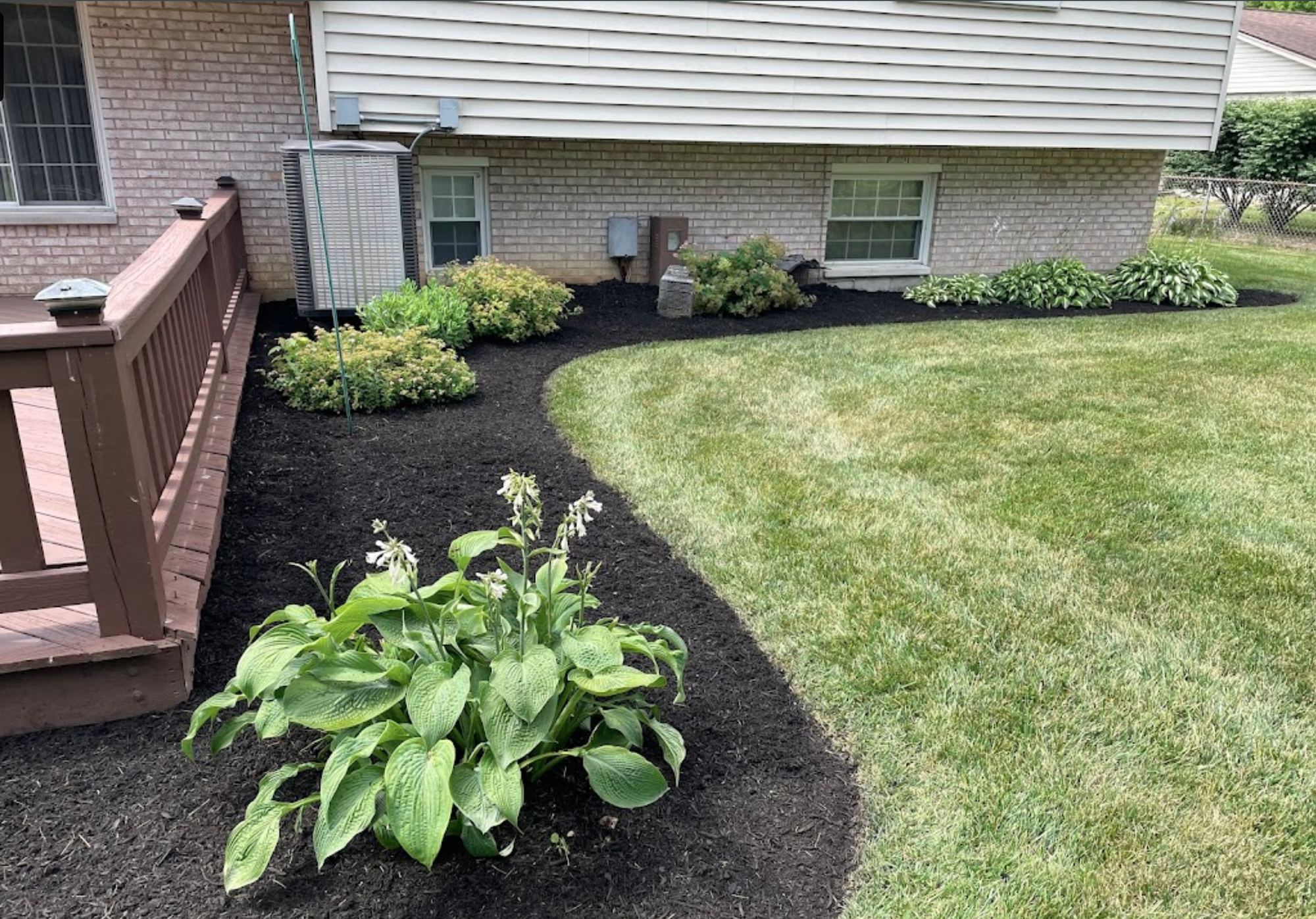
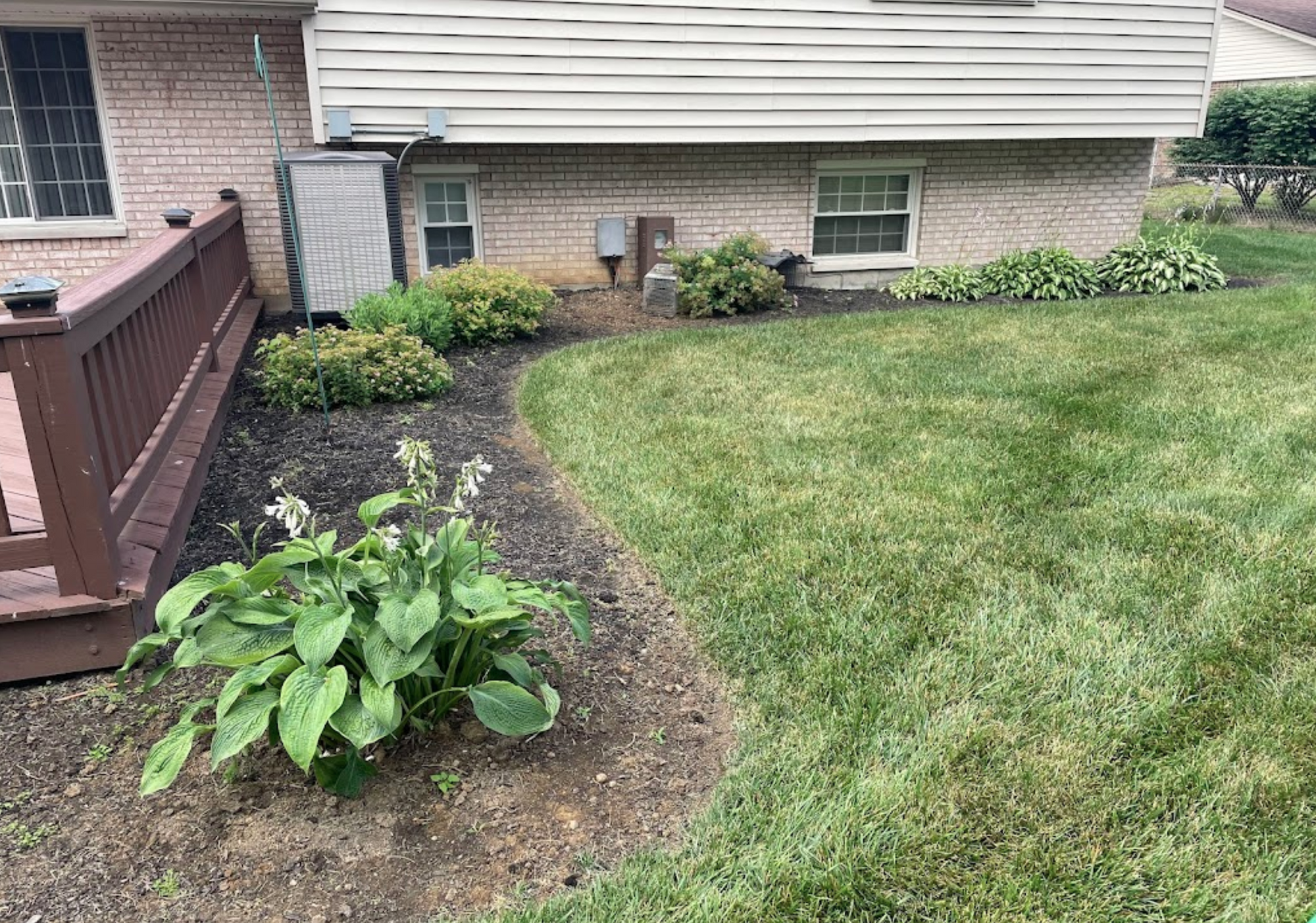

Best Mulch Choice for Topeka Lawns
Most yards in the Topeka area sit on Heavy Clay type of soil. Heavy clay soil in Topeka forms a dense, compacted layer that restricts root growth and makes it difficult for new plantings to establish a healthy root system in their first growing season. Plant beds built on raw native clay drain poorly and create conditions where roots sit in standing water after spring rains, making both plant selection and bed preparation especially critical here.
Hardwood Mulch
Hardwood mulch is one of the best long-term investments you can make in a Topeka clay-soil bed because as it decomposes it contributes organic matter that gradually loosens clay structure over multiple seasons. Earthworms are drawn to decomposing hardwood mulch and their activity further breaks up clay beneath the bed, improving both drainage and aeration in a way that no single-season soil amendment can fully replicate.
Mulch Types We Deliver in Topeka
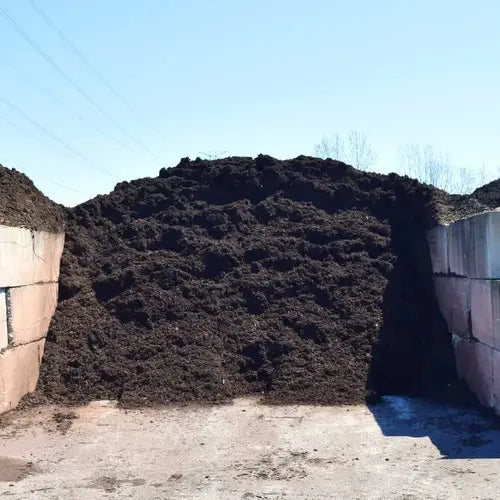
Mulch Mound offers bulk mulch delivery in Topeka by the cubic yard, making it simple to cover garden beds, tree rings, and large landscapes without hauling bags. Our deliveries serve residential and commercial properties across this part of Kansas, where clay-heavy soils and warm summers make a quality layer of mulch especially valuable. Choose from the varieties below and we will drop the load right where you need it.
Dyed Black Mulch
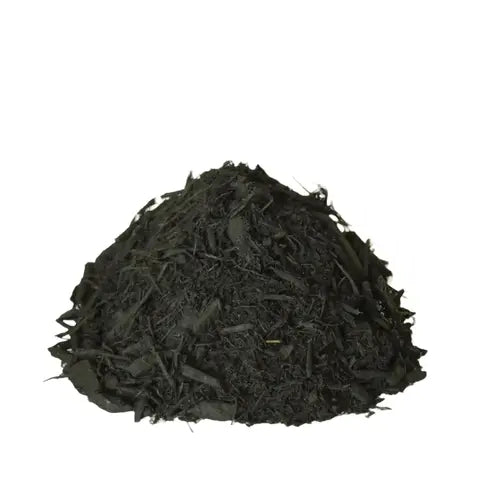
Dyed Black Mulch comes in a double shredded style that spreads smoothly and gives any bed a sharp, polished look. The bold color holds through Kansas summer heat and heavy spring rains, making it a popular choice for homeowners who want a clean, high-contrast finish around foundation plantings and tree rings.
Dyed Brown Mulch
Dyed Brown Mulch is available double shredded, with a warm tone that looks freshly applied for weeks even under the region's intense summer sun. It suits homeowners who prefer a natural feel with reliable color retention, and the smooth texture spreads easily across wide beds and around perennials.
Natural Brown Mulch
Natural Brown Mulch is double shredded and undyed, drawing its warm earthy tone straight from the wood itself. It suits landscapes where an honest, understated look is the goal, and it performs well in the region's clay-heavy soils by holding moisture and slowly improving the ground beneath.
Complete Your Outdoor Mulch Project
If your clay beds need better soil structure before mulching, a load of our quality garden soil mixed into the top several inches first gives plant roots a more hospitable environment to establish in. Pairing mulched beds with decorative stone borders gives your Topeka yard a clean finished edge that holds mulch in place through the heavy spring storms this area regularly sees.


Mulch Mound Pro Tip
Topeka clay compacts quickly when walked on while wet, so plan to spread your mulch right after a dry stretch rather than right after a rain. Working over wet, soft clay pushes mulch down unevenly and can trap moisture near the surface where it encourages rot. Waiting even two or three days after a significant rain for the clay surface to firm up slightly makes spreading much easier and gives you a more consistent finished depth across your beds.
Mulch Mound Pro Tip
Because Topeka's last frost falls around April 22, many homeowners rush to plant in early April and then mulch immediately afterward. Resist the urge to mulch before your soil has warmed past 50 degrees. Mulching too early in spring traps cold air in clay soil and slows root establishment for warm-season plants. A basic soil thermometer tells you exactly when conditions are right, and in Topeka that typically means waiting until at least the second week of April before laying fresh mulch over newly planted beds.
Mulch Mound Pro Tip
With 38 inches of annual rainfall, Topeka receives enough natural moisture that mulch in shaded or low-lying beds can stay wet for extended periods through spring. Watch for matting or surface fungal growth in these spots, particularly under established tree canopies where clay drainage is often poorest. Raking mulch lightly every few weeks in spring breaks up any compacted layers and lets the soil surface breathe. In consistently wet spots, a coarser mulch material allows more air movement and reduces the risk of fungal issues developing through the rainy season.
The Unique Landscape of Topeka
Topeka's heavy clay soil creates a frustrating cycle for homeowners, staying waterlogged after spring rains and then baking into a cracked, nearly impenetrable surface by midsummer. A proper layer of mulch breaks this cycle by moderating soil temperature and slowing evaporation during the long stretches of heat that follow Topeka's wet springs. With 38 inches of annual rainfall concentrated in spring and early summer, mulch also cushions the impact of heavy downpours that can wash out plant beds and compact bare clay surfaces even further. Zone 6b winters bring enough freeze-thaw action between October and April to heave roots and damage perennials, and a consistent mulch layer insulates against those temperature swings. Getting mulch down before the last frost date of April 22 sets your beds up for a healthier growing season from the very start.