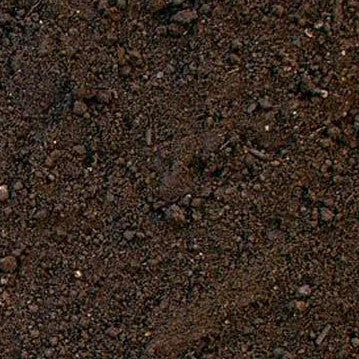
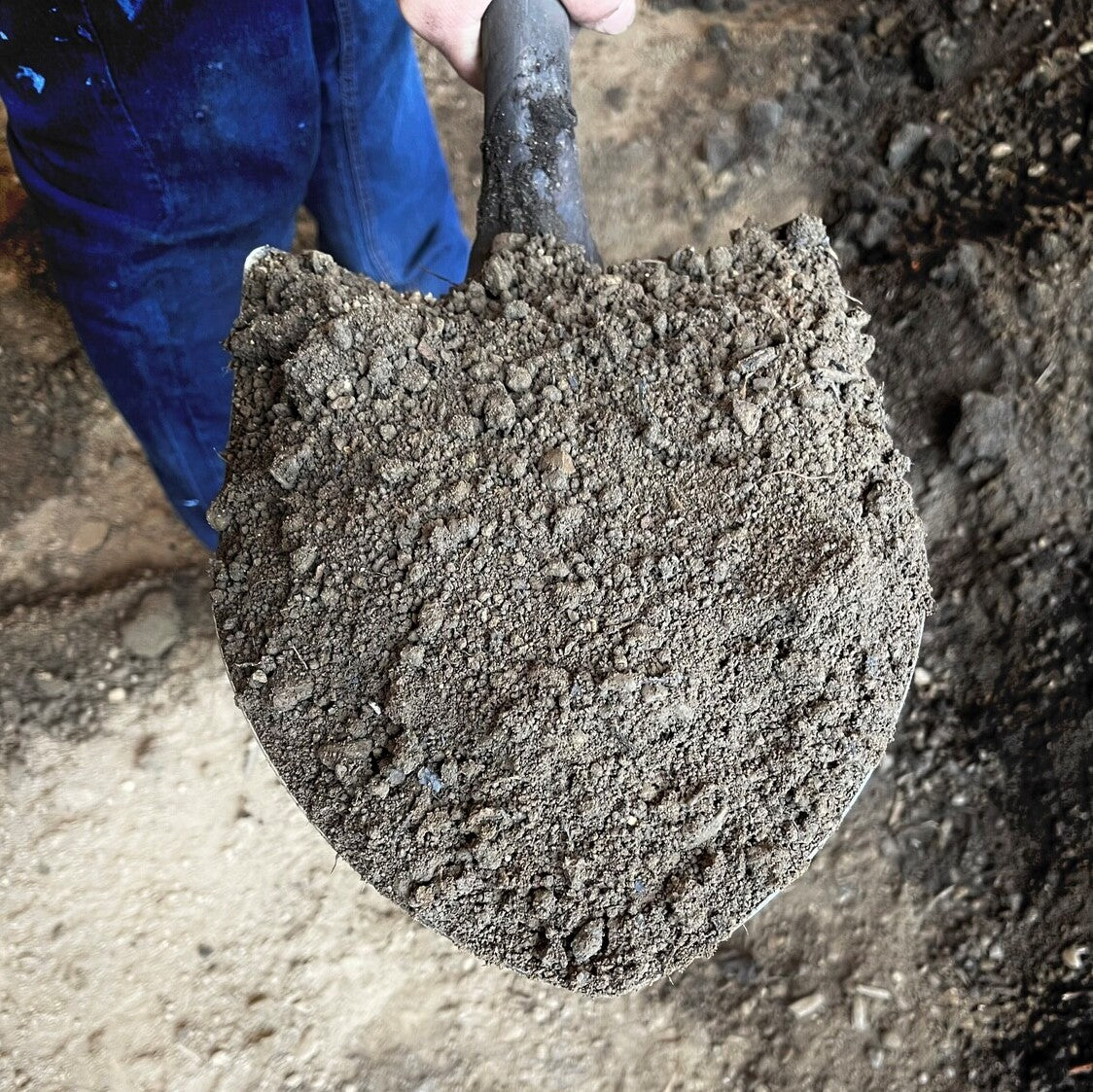
Quality topsoil for lawns, gardens, and landscape projects. Nutrient rich and ready to support strong root development and healthy plant establishment.
Great experience - not only was this the most affordable option for dirt delivery in Cleveland heights, but the delivery was fast and friendly. Got exactly what I needed and the truck got as close as possible to where I needed the dirt - even in my cramped driveway. Will be us...
Tell us what you're looking for
Thanks! We received your request.
Something went wrong. Please try again.
How Much Material Do I Need?
For new planting beds in Topeka, plan on eight to twelve inches of quality soil to give roots a workable environment above the clay base. For lawn leveling and topdressing over existing grass, thin lifts of no more than half an inch at a time allow turf to grow through without being buried and smothered.
Use our free soil calculator
What is a yard?
A yard is approximately 27 cubic feet. As a general guideline, one yard of material can cover an area of about 100-160 square feet at a 2-3 inch depth.
We can't take orders for this right now. Tell us what you need and we'll get back to you.
What do you need?
Thanks! We received your request.
Something went wrong. Please try again.
Hand-picked local yards
4,000+ regional deliveries
Dedicated support
Why order through Mulch Mound
The best local soil, without the guesswork.
We hand-pick and partner with the best yards in your region, keep only the ones our buyers rate well, and back each load with our guarantee.
Mulch Mound Guarantee
If your soil isn't the quantity or quality you ordered, we'll make it right.
About this soil
Quality topsoil for lawns, gardens, and landscape projects. Nutrient rich and ready to support strong root development and healthy plant establishment.
Great experience - not only was this the most affordable option for dirt delivery in Cleveland heights, but the delivery was fast and friendly. Got exactly what I needed and the truck got as close as possible to where I needed the dirt - even in my cramped driveway. Will be us...
How Much Material Do I Need?
For new planting beds in Topeka, plan on eight to twelve inches of quality soil to give roots a workable environment above the clay base. For lawn leveling and topdressing over existing grass, thin lifts of no more than half an inch at a time allow turf to grow through without being buried and smothered.
Use our free soil calculator
What is a yard?
A yard is approximately 27 cubic feet. As a general guideline, one yard of material can cover an area of about 100-160 square feet at a 2-3 inch depth.
Great experience - not only was this the most affordable option for dirt delivery in Cleveland heights, but the delivery was fast and friendly. Got...
Read full review
Great experience - not only was this the most affordable option for dirt delivery in Cleveland heights, but the delivery was fast and friendly. Got exactly what I needed and the truck got as close as possible to where I needed the dirt - even in my cramped driveway. Will be using again and recommending to my neighbors.
Measure the length and width of your project area and determine the depth you need, keeping in mind that most Topeka planting beds benefit from eight to twelve inches of quality soil to get above the clay layer beneath. Multiply length by width by depth in feet and then divide by 27 to convert to cubic yards. For raised beds, measuring the inside dimensions of your frame carefully is important since even a few inches of difference in wall height adds up to a meaningful volume difference when ordering.
Soil Types We Deliver in Topeka
Mulch Mound delivers bulk topsoil by the yard in Topeka, making it easy to fill raised beds, regrade yards, or prep new garden areas without hauling bags from the store. Our soil is sold by the cubic yard and dropped off right at your property. Whether you are starting fresh or improving an existing landscape, we have the right soil to get the job done.
Screened Top Soil
Our screened topsoil is nutrient rich and processed to remove rocks, clumps, and debris, giving you a clean, workable base for lawns, gardens, and landscape beds. It suits Topeka homeowners dealing with thin or compacted clay ground, supporting strong root development and healthy plant establishment across a wide range of growing conditions.
Complete Your Outdoor Soil Project
Finishing your soil project with a layer of mulch on top locks in the moisture and temperature stability your new planting medium needs through Topeka's variable spring weather and dry summer stretches. Adding stone edging around the perimeter of a new bed keeps quality soil from eroding out during the heavy spring rains that Topeka regularly sees in April and May.
Can I just amend my existing Topeka clay instead of bringing in new soil?
You can improve clay with organic matter over time, but the process takes multiple growing seasons and significant ongoing effort. For a vegetable garden or new planting bed in Topeka, bringing in quality topsoil or a garden blend and working it into the top eight to twelve inches of existing clay gives you meaningful results in the first season rather than the third or fourth. If you are starting a new raised bed from scratch, filling it entirely with a quality mix bypasses the clay problem completely and gives you full control over drainage and nutrition from day one.
Answer
What soil depth do I need for a new vegetable garden in Topeka?
Most vegetables need at least eight inches of workable soil for proper root development, and twelve inches is better for root crops like carrots and beets. In Topeka, where the clay below can become compacted and impenetrable quickly, building that depth with imported quality soil rather than relying on native clay means your plants will have the loose, well-drained root zone they need from the very first season. The Zone 6b growing window that opens after April 22 is productive but not excessively long, so giving plants the best possible soil from the start helps you make the most of every week in the ground.
Answer
How do I use bulk soil to fix the low spots in my Topeka lawn that collect water after heavy rain?
Lawn leveling with bulk topsoil is one of the most practical fixes for Topeka yards because the clay-heavy native soil erodes and settles unevenly over time, and low spots tend to get worse each year. Apply a thin layer of topsoil, no more than half an inch at a time, over the low area and work it into the existing grass with a rake. Repeating this process in spring and fall over one to two growing seasons gradually fills the low spot and allows grass to grow through rather than being smothered by a heavy single application.
Answer
When is the best time to bring in new soil for a Topeka landscape project?
For vegetable gardens and annual beds, the ideal time is just before Topeka's last frost date of April 22, so you can get soil in place, let it settle for a week or two, and then plant as soon as the season opens. For lawn projects and grading work, early fall is excellent because Topeka's September and October conditions, warm soil and more reliable moisture, allow grass seed to germinate and establish before the October 13 first frost arrives. Spring is a solid second option for lawn work if fall was not possible.
Answer
Will imported topsoil drain better than my native clay, or will it just sit on top and cause its own pooling issues?
Quality imported topsoil will drain significantly better than native Topeka clay, but placement matters. If you place topsoil directly over a flat clay surface without any grade, water can pool at the interface between the two layers because clay below slows percolation. Loosening the top few inches of native clay before adding topsoil helps the two layers communicate hydraulically and prevents that perched water problem. For raised beds, this interface issue largely disappears because gravity pulls water away from the root zone and out through the sides and bottom.
Answer
How much soil do I need to fill a four-by-eight raised bed in my Topeka backyard?
A standard four-by-eight-foot raised bed at twelve inches deep holds just over one cubic yard of soil. In Topeka, where starting from native clay is not practical for most food crops, a dedicated raised bed with quality garden mix is one of the most efficient ways to grow vegetables within Zone 6b's growing season. Ordering slightly more than your calculation suggests is smart because soil settles after the first several waterings and you will want to top it off after that first season to maintain your full root depth.
Answer
What type of soil works best when placed over Topeka's heavy clay base?
For planting beds and gardens, a loamy topsoil or a garden blend that includes compost works best over Topeka clay because the organic content improves drainage at the interface and feeds plants through the growing season. For grading and lawn leveling, a clean screened topsoil without heavy compost content is better because it compacts more evenly and gives grass seed a stable, consistent base to germinate in. Avoid raw fill dirt for anything other than structural grading since it typically has no nutrient value and may contain subsoil clay that compresses even more than the native material you already have.
Mulch Mound Pro Tip
In Topeka, working soil when it is too wet leads to compaction that can last an entire growing season. Clay-heavy amended soil smears and clumps when it is saturated, destroying the pore structure you are trying to create. The simple squeeze test works well here: grab a handful of your soil and squeeze it into a ball, then poke it. If it crumbles apart, it is ready to work. If it stays in a sticky, slick ball, wait another day or two before tilling, grading, or planting.
Mulch Mound Pro Tip
If you are installing a raised garden bed in Topeka, consider lining the bottom with a single layer of cardboard before adding your soil mix. The cardboard creates a temporary barrier that prevents the aggressive native clay from wicking up into your new bed during the first season, and it decomposes naturally within a year, allowing roots to eventually extend downward once the clay below has been gradually improved by drainage and earthworm activity from above.
Mulch Mound Pro Tip
Topeka's heavy clay base means any bowl-shaped or low-lying area in your yard is prone to pooling after the spring rain season. When grading with new topsoil, always slope the surface away from your home's foundation at a rate of at least one inch per foot for the first six feet out from the structure. Getting this grade right before laying topsoil is far easier than correcting it after grass has established, and it protects your foundation from the water intrusion that flat or reverse-graded clay yards commonly experience here.
The Unique Landscape of Topeka
Topeka homeowners are working with some of the most challenging native soil in the Midwest, a heavy silty clay that compacts under foot traffic and equipment, drains slowly after the wet spring season, and becomes brick-hard by August. Trying to grow a vegetable garden, establish a new lawn area, or build a raised bed directly in this clay without amending or replacing the growing medium sets most projects up for failure from the start. Bringing in quality bulk topsoil or a garden blend lets you create a root-friendly environment above or alongside that native clay, giving plants the drainage and nutrition they simply cannot find in the native ground. For lawn leveling and grading projects, a clean topsoil blend gives you a workable material that establishes grass much faster than trying to grade with sticky, uncooperative clay. In a Zone 6b growing environment like Topeka's, getting the soil right before the April 22 last frost passes is the single most impactful investment you can make for long-term landscape success.