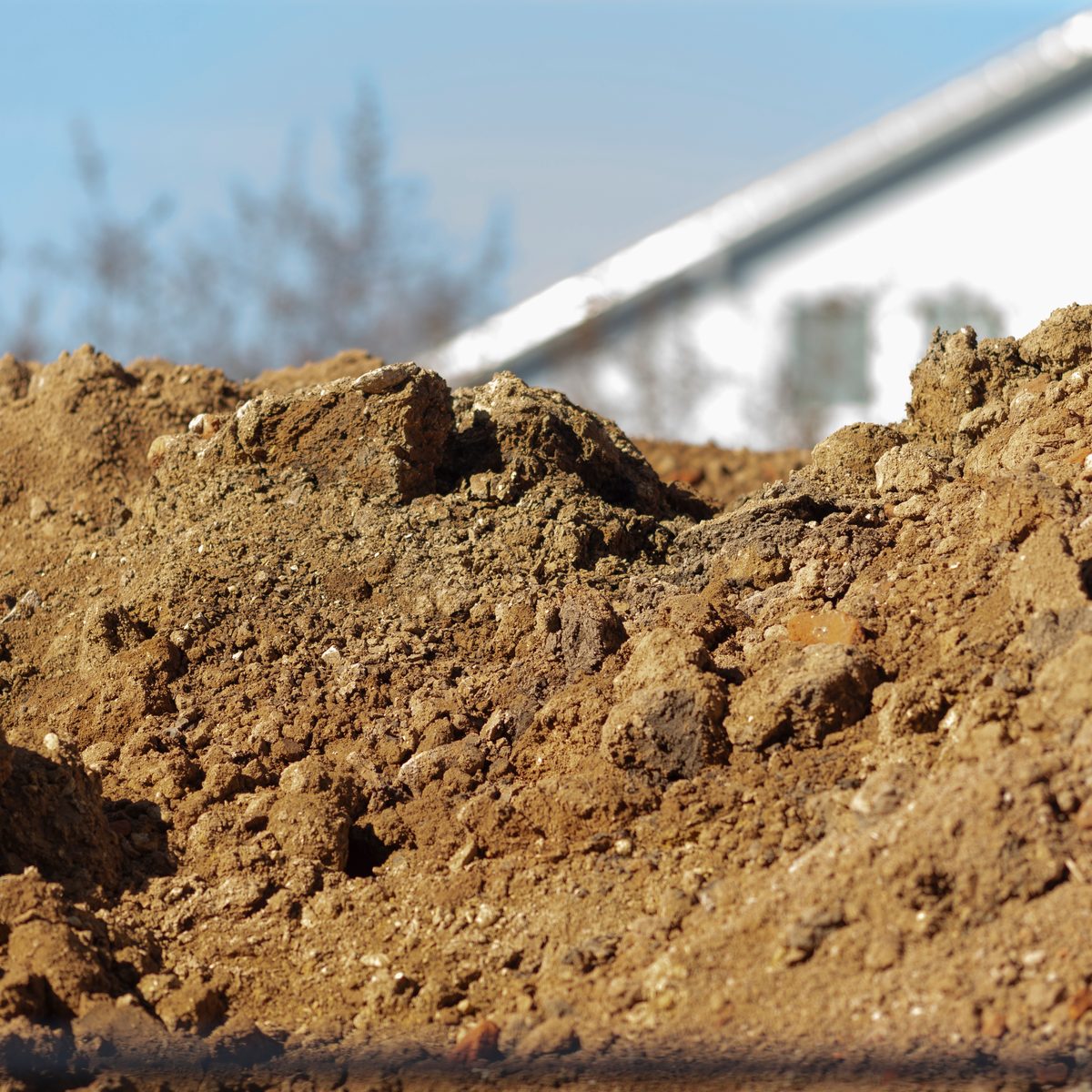
About this fill dirt

Screened fill dirt free of debris, for raising low ground and backfilling. Structural material, place it in lifts and compact as you go.

Wonderful experience! They put the mulch exactly where we wanted. This mulch spread very easily and didn’t have the usual “mulch smell.” We will definitely use again!

Fill dirt is sold by the cubic yard, and one yard covers about 54 square feet at a 6 inch depth. For a typical low spot or backfill job running 8 to 12 inches deep, plan on roughly 40 to 27 square feet of coverage per yard, so measure your area and depth first, then work backward from there. Most Tuscaloosa jobs we deliver for run somewhere between a few yards for a small foundation fix and a dozen or more for a full yard regrade.

A yard is approximately 27 cubic feet. As a general guideline, one yard of material can cover an area of about 100-160 square feet at a 2-3 inch depth.

Tuscaloosa Fill Dirt Delivery

Tuscaloosa Fill Dirt Delivery

4.7
137 reviews
Regular price $38.00 per Yard
Regular price Sale price $38.00
Sale Sold out
Shipping calculated at checkout.
Type
Size
Hand-picked local yards
4,000+ regional deliveries
Dedicated support
Why order through Mulch Mound

The best local fill dirt, without the guesswork.

We hand-pick and partner with the best yards in your region, keep only the ones our buyers rate well, and back each load with our guarantee.

Mulch Mound Guarantee

If your fill dirt isn't the quantity or quality you ordered, we'll make it right.

About this fill dirt

Screened fill dirt free of debris, for raising low ground and backfilling. Structural material, place it in lifts and compact as you go.

Wonderful experience! They put the mulch exactly where we wanted. This mulch spread very easily and didn’t have the usual “mulch smell.” We will definitely use again!

Fill dirt is sold by the cubic yard, and one yard covers about 54 square feet at a 6 inch depth. For a typical low spot or backfill job running 8 to 12 inches deep, plan on roughly 40 to 27 square feet of coverage per yard, so measure your area and depth first, then work backward from there. Most Tuscaloosa jobs we deliver for run somewhere between a few yards for a small foundation fix and a dozen or more for a full yard regrade.

A yard is approximately 27 cubic feet. As a general guideline, one yard of material can cover an area of about 100-160 square feet at a 2-3 inch depth.

View full details

How It Works

Getting started is easy — just follow these simple steps

1

Choose your quantity

Adjust the quantity to match your project. One cubic yard covers about 100 to 160 square feet at a 2 to 3 inch depth.

2

Select your delivery date

Select a delivery date you'd like for the product to be dropped off at your home

3

Sit back and wait

Sit back, wait, and let us work our magic to make sure the highest quality product is delivered to your driveway.

From The Mouths of Tuscaloosa Folks

4.7
out of 5 based on 137 reviews
Google Reviews

Complete Your Outdoor Project

Fill dirt does the heavy lifting, but most projects need a capping layer of topsoil on top before grass or plants go in. If you're backfilling near a structure, a layer of crushed stone at the base can help with drainage before the fill goes on top. Ask about pairing a fill delivery with topsoil so both are staged and ready the same day.

Map of the fill dirt delivery area around Tuscaloosa, Alabama

Service area

Areas we deliver fill dirt in Tuscaloosa, Alabama

Mulch Mound Pro Tip

Don't dump fill dirt in one deep pour. Place it in lifts of 6 to 8 inches and compact each layer before adding the next, otherwise you'll get soft spots that keep settling for a year or two, especially over Tuscaloosa's clay subsoil which already drains slow and holds moisture. A rented plate compactor for a weekend job is worth it. Skipping this step is the number one reason fill jobs need redoing.

Mulch Mound Pro Tip

Fill dirt is not for growing anything directly, it's structural. Once you've built up your grade and compacted it, cap the top with 4 to 6 inches of real topsoil before seeding or planting. Skipping the cap means grass struggles to root in dense subsoil, and you'll be reseeding bare patches within a season, which is a common callback we see on backfill jobs done without a topsoil layer.

Mulch Mound Pro Tip

Order slightly more than your calculated volume, since compaction typically reduces fill volume by 10 to 20 percent once it's settled and packed. It's easier to have a little extra on site for touch ups than to schedule a second delivery for a small shortfall. If your project also needs topsoil or gravel, ask about scheduling both in the same trip to cut down on separate deliveries.

Grading and Filling in Tuscaloosa

Tuscaloosa's red clay drains slowly and swells when it gets wet, which means low areas around foundations and along fence lines tend to hold standing water after storms rolling in off the Gulf. Fill dirt gives you a way to raise that grade with a dense, stable material instead of fighting the clay underneath it. It's also the go-to for backfilling around pool decks and retaining walls on the sloped lots common near Bryant-Denny Stadium and the older neighborhoods around it. Because it's subsoil, not topsoil, it's built for structure, not for planting directly into.

What Clean Fill Is

Clean fill is screened subsoil free of debris, roots, and contaminants. It is made for volume and grade, and it compacts predictably, which is exactly what you want under slabs, in trenches, and behind walls.

Fill Dirt vs Topsoil

Fill dirt builds the shape of the ground, topsoil grows things on top of it. Bring the grade up with fill, then cap it with 4 to 6 inches of topsoil anywhere grass or plants are going in.

Compact in Lifts

Place fill in layers of 4 to 6 inches and compact each one before adding the next. Dumping the full depth at once leaves voids that settle later, and settling is the one problem fill is supposed to solve.

Frequently Asked Questions

Click a question to see the answer

Answer

Can I plant grass directly in fill dirt?

Not directly. Fill dirt is subsoil meant for raising grade and backfilling, and it lacks the organic content grass needs to root well. Once your fill is compacted and settled, cap it with 4 to 6 inches of topsoil before seeding or laying sod. Skipping that cap is the most common reason bare patches show up after a regrade.

Answer

How many cubic yards do I need to fill a low spot in my yard?

One cubic yard covers about 54 square feet at a 6 inch depth. Measure your low spot's square footage, decide how deep you need to fill it, usually 6 to 12 inches, then use that ratio to estimate. A 200 square foot spot filled 8 inches deep runs roughly 5 cubic yards, plus a little extra for compaction.

Answer

When is the best time to bring in fill dirt around Tuscaloosa?

Fill dirt jobs are driven by the project, not the season, so there's no wrong time of year to order. That said, working before the ground freezes or during drier stretches between spring rains makes compaction easier since Tuscaloosa's clay soil holds water and gets heavy when saturated.

Answer

Where will the truck place the fill dirt on delivery day?

The driver places the load as close to your work area as the truck can safely reach, based on your driveway, gate width, and ground conditions. Clear a path ahead of time and let us know about narrow access or soft ground when you schedule. Delivery timing itself is set at checkout, not guessed at over the phone.

Answer

What's the difference between fill dirt and topsoil for my project?

Fill dirt is subsoil, screened of debris, used for raising grade, backfilling, and building up volume, it's dense and structural. Topsoil is the growing layer you cap it with, richer in organic matter so grass and plants can root. If you're just filling volume, fill dirt is the economical choice, then finish with topsoil on top.

More delivery around Tuscaloosa, Alabama

All Tuscaloosa, Alabama landscape supply