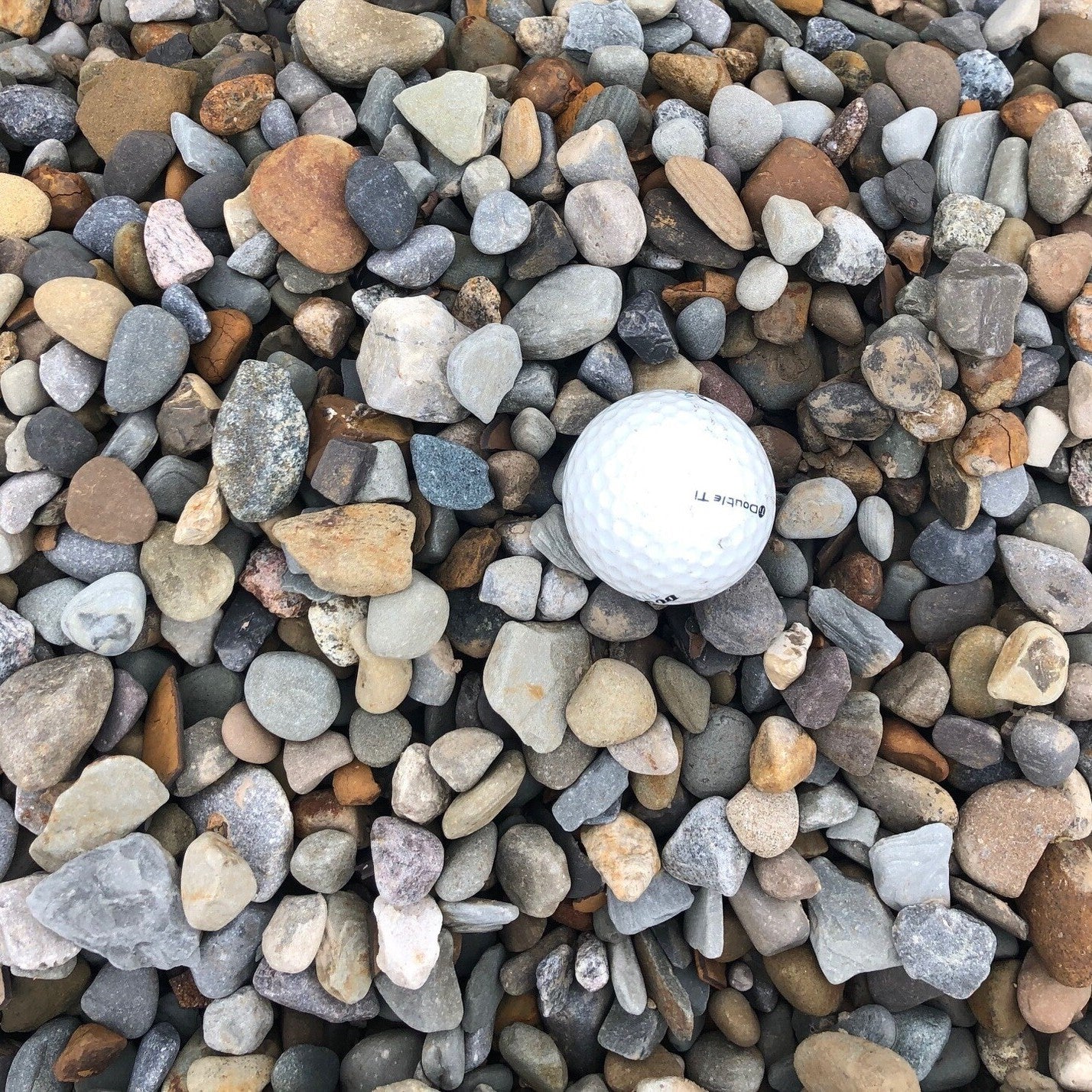
Number 57 crushed stone, angular limestone graded to about three quarters of an inch. The standard driveway, base and drainage gravel, it locks together under traffic and drains fast.
My experience with Mulch Mound was great and super easy. I ordered two yards of screened topsoil and was able to get it delivered within 2 days. They came in my requested time frame (afternoon) and dropped it off where I asked on my driveway. The topsoil was exactly what was a...
Tell us what you're looking for
Thanks! We received your request.
Something went wrong. Please try again.
How Much Material Do I Need?
For decorative ground cover in Twin Falls landscaping, a 2 to 3 inch depth is standard and provides solid weed suppression while keeping the coverage looking full and intentional. Pathways and driveways benefit from a 3 to 4 inch depth to handle foot and vehicle traffic through seasonal freeze-thaw cycles without rutting.
Use our free gravel calculator
What is a Yard?
A yard is approximately 27 cubic feet. As a general guideline, one yard of material can cover an area of about 100-160 square feet at a 2-3 inch depth.
We can't take orders for this right now. Tell us what you need and we'll get back to you.
What do you need?
Thanks! We received your request.
Something went wrong. Please try again.
Hand-picked local yards
4,000+ regional deliveries
Dedicated support
Why order through Mulch Mound
The best local , without the guesswork.
We hand-pick and partner with the best yards in your region, keep only the ones our buyers rate well, and back each load with our guarantee.
Mulch Mound Guarantee
If your isn't the quantity or quality you ordered, we'll make it right.
About this stone
Number 57 crushed stone, angular limestone graded to about three quarters of an inch. The standard driveway, base and drainage gravel, it locks together under traffic and drains fast.
My experience with Mulch Mound was great and super easy. I ordered two yards of screened topsoil and was able to get it delivered within 2 days. They came in my requested time frame (afternoon) and dropped it off where I asked on my driveway. The topsoil was exactly what was a...
How Much Material Do I Need?
For decorative ground cover in Twin Falls landscaping, a 2 to 3 inch depth is standard and provides solid weed suppression while keeping the coverage looking full and intentional. Pathways and driveways benefit from a 3 to 4 inch depth to handle foot and vehicle traffic through seasonal freeze-thaw cycles without rutting.
Use our free gravel calculator
What is a Yard?
A yard is approximately 27 cubic feet. As a general guideline, one yard of material can cover an area of about 100-160 square feet at a 2-3 inch depth.
My experience with Mulch Mound was great and super easy. I ordered two yards of screened topsoil and was able to get it delivered within 2 days. Th...
Read full review
My experience with Mulch Mound was great and super easy. I ordered two yards of screened topsoil and was able to get it delivered within 2 days. They came in my requested time frame (afternoon) and dropped it off where I asked on my driveway. The topsoil was exactly what was advertised, clean with no rocks or other debris. The price was reasonable. I plan to use them again in a couple weeks to order compost for my garden beds.
Really appreciate the care and follow thru that this company had with our order. A hiccup came up but they were quick to respond and address all co...
Read full review
Really appreciate the care and follow thru that this company had with our order. A hiccup came up but they were quick to respond and address all concerns, which made our garden day a success! Thank you for your prompt care.
Measure your coverage area in square feet, then use the guideline that one cubic yard of stone covers about 100 square feet at a 3 inch depth. Irregular shapes like dry creek beds or curved pathways are easier to estimate by breaking them into rectangular sections and adding the totals together. Stone is heavier than it looks in a pile, so consider your wheelbarrow routes and plan to stage the material close to where you will spread it.
Complete Your Outdoor Stone Project
A layer of bulk topsoil or amended garden soil under planting pockets within your stone landscape gives shrubs and perennials the root zone they need to thrive in our low-rainfall environment. Adding mulch to transition zones between stone and planted beds ties the two materials together visually and keeps silt loam soil from migrating into your gravel over time.
Twin Falls gets strong winds off the Snake River Canyon, and lightweight pea gravel is the first material to scatter across sidewalks and into neighboring beds. If wind exposure is a factor in your yard, choose angular crushed stone over round smooth gravel because the irregular edges lock together far better once settled. A 2 to 3 inch depth of angular material will stay where you place it through all but the most extreme weather the Magic Valley produces.
Mulch Mound Pro Tip
Before placing bulk stone on any area you plan to use as a pathway or sitting zone, compact the native silt loam base and add a 2 to 3 inch layer of road base aggregate first. Twin Falls silt loam is fine-textured and can shift under repeated foot or vehicle traffic, causing decorative stone to sink unevenly over time. The road base layer bridges that gap and gives your decorative stone a stable, long-lasting foundation that stays level through multiple winters.
Mulch Mound Pro Tip
Lighter colored stones like tan river gravel or cream-colored crushed limestone stay noticeably cooler in Twin Falls summer sun than dark basalt or charcoal-toned products. If your stone area surrounds an outdoor seating zone or a children's play area, choosing a lighter stone color makes the surface more comfortable to walk on barefoot on a July afternoon. Dark decorative stone looks striking in shaded areas or as accent edging but is best kept away from high-traffic zones where surface heat becomes a daily inconvenience.
The Unique Landscape of Twin Falls
Decorative stone and gravel are smart choices for Twin Falls landscapes where water is scarce and low-maintenance curb appeal matters year round. With only 10 inches of annual rainfall and a climate that rewards drought-tolerant design, replacing high-maintenance grass or bark areas with crushed stone or river rock dramatically reduces irrigation demands. Stone also handles our elevation and freeze-thaw cycles better than many organic materials since it does not decompose, shift with moisture, or blow away in the canyon winds that sweep through the area regularly. The contrast between warm-toned natural stone and the sage and basalt colors of the Snake River Canyon landscape gives Twin Falls yards a cohesive, regional look that feels intentional rather than generic. Stone pathways, dry creek beds, and gravel mulch zones are increasingly popular in the Magic Valley as homeowners look for ways to conserve water without sacrificing a polished yard. Bulk delivery makes it practical to tackle large areas with stone at a fraction of what bagged material would cost.
Frequently Asked Questions
Click a question to see the answer
Answer
What size gravel works best for a xeriscape yard in Twin Falls?
Three-quarter inch crushed gravel or decomposed granite is the most popular choice for Twin Falls xeriscape projects. It is large enough to stay in place on a gentle slope during the occasional heavy summer thunderstorm but fine enough to walk on comfortably and pack down well over time. Pea gravel is an option for flatter areas but it shifts underfoot and can wash into beds during the irrigation runoff that follows those sudden downpours we get in July and August.
Answer
Will decorative stone actually help my yard survive the dry summers here better than mulch or bark?
In many zones of a Twin Falls yard, yes. Stone does not decompose or blow away and it suppresses weeds effectively without needing annual replenishment the way organic mulch does. It also reflects some heat rather than absorbing it, which can be a benefit in areas where you want to keep soil temperatures moderate. The tradeoff is that stone does not add organic matter to the soil the way mulch does, so around living plants a mix of both materials often works better than stone alone.
Answer
Does gravel or crushed stone shift or sink during the freeze-thaw cycles we get at Twin Falls elevation?
Some settling is normal during the first winter, especially in pathways and areas with foot traffic. A compacted base layer of road base or crushed aggregate below your decorative stone is the best way to minimize movement. At 3,745 feet our freeze-thaw cycles are real, and a properly prepared base prevents the heaving and ruts that show up in spring when cheaper installations are laid directly on native silt loam.
Answer
I want a dry creek bed through my backyard to handle irrigation runoff. What stone should I use?
A combination of larger river rock in the 3 to 5 inch range for the bed and smaller cobble along the edges gives a dry creek bed the most natural look while handling water movement effectively. Twin Falls gets most of its precipitation as occasional intense events rather than steady rain, so you want stone large enough to stay put during those short heavy flows. Mixing sizes the way a real creek would look makes the feature blend naturally into the canyon-inspired landscape of the area.
Answer
How do I keep weeds from growing up through my new gravel area?
Landscape fabric beneath a 2 to 3 inch layer of gravel is the standard approach and works well in Twin Falls for the first several years. Over time, wind-blown dust and organic debris settle into gravel and create a thin growing medium that determined weeds exploit, so occasional spot treatment is still part of the long-term plan. Keeping a 2 inch minimum depth of stone over the fabric gives weeds much less light and makes the ones that do emerge easier to pull before they establish.
Answer
Can I use bulk stone as a mulch substitute around my trees and shrubs?
You can, and many Twin Falls homeowners do it for the low-maintenance benefits. The consideration is that stone mulch gets very hot in our high-elevation summer sun, which can stress the soil and roots directly beneath it in ways organic mulch does not. If you go this route, use lighter colored stone that reflects more heat, keep it a few inches back from the trunk, and lay it over a base of organic mulch rather than directly on the soil to buffer the temperature spike.
Answer
How much stone do I need to cover a gravel driveway or parking pad?
A standard 2 to 3 inch coverage depth is typical for gravel driveways in Twin Falls. For a single-car driveway that is roughly 10 feet wide and 20 feet long, plan on 2 to 2.5 cubic yards for that depth. Driveways that see regular vehicle traffic tend to compact and rut without a proper base, so if you are starting from scratch consider a road base layer beneath the decorative gravel for durability through our freeze-thaw winters.
Answer
Is there a stone yard near Twin Falls?
With just 10 inches of rain a year and hard freeze and thaw cycles, Twin Falls landscapes hold up best on a compacted crushed stone base that drains well and won't break down like bark. We can deliver crushed stone by the cubic yard right to your site, so you never need to visit a stone yard or a quarry.