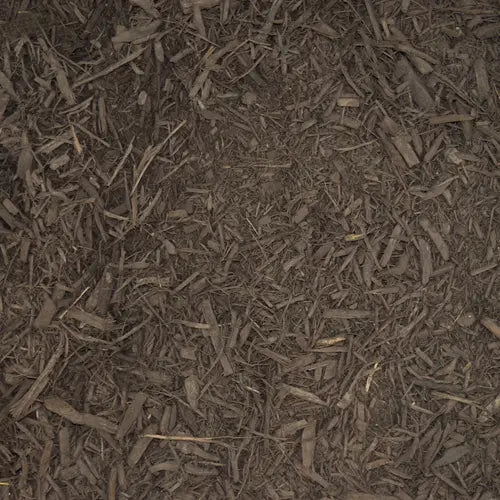
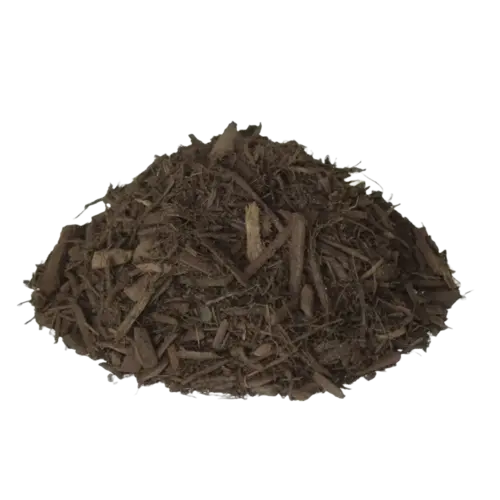
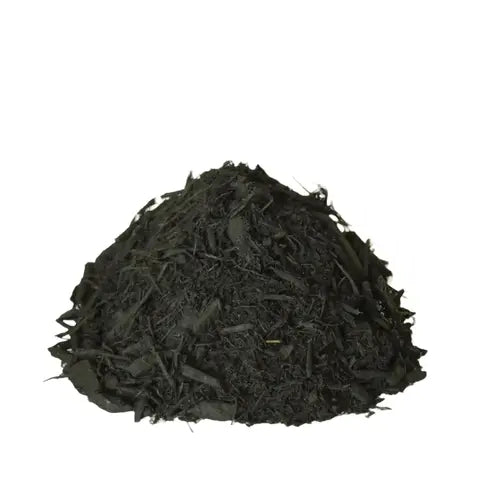
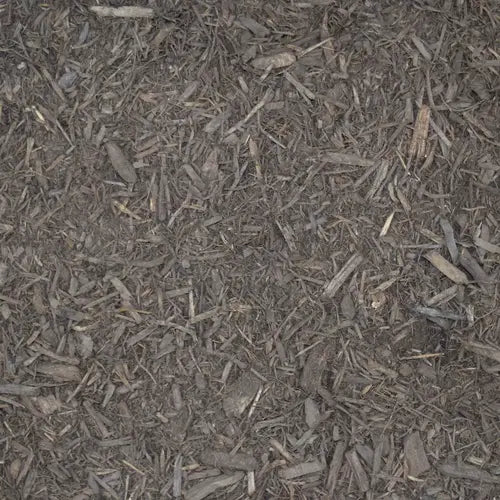
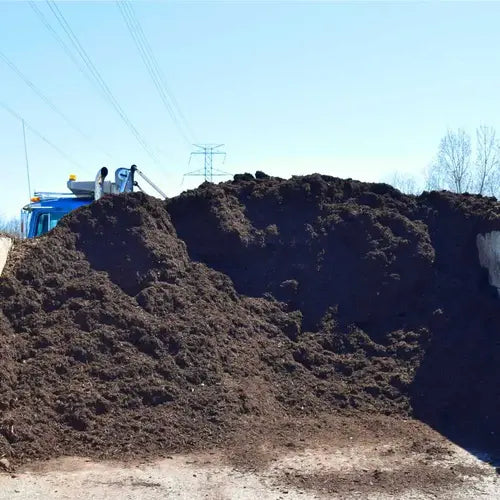
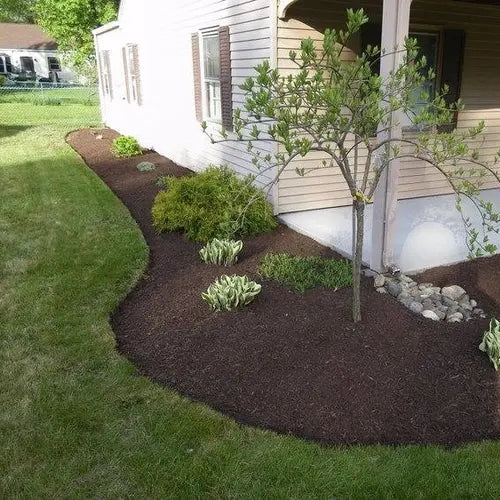
Warm brown double shredded mulch with lasting color that looks freshly applied for weeks. Spreads smooth, stays put, and gives beds a natural, polished appearance.
I couldn't be happier with the speed and quality of the mulch delivery service of Mulch Mound. Every detail from ordering, to communication with on time delivery, to perfect product placement was amazing. I needed more and I got it within 2 hours! I'm never doing this with ba...
Tell us what you're looking for
Thanks! We received your request.
Something went wrong. Please try again.
How Much Material Do I Need?
Plan for 2 to 3 inches of mulch depth in Tyler's sandy loam beds, as that depth effectively slows the moisture loss that sandy soils are prone to. For areas with established tree canopies or high-sun zones in your yard, leaning toward the full 3 inches will stretch the time between applications.
Use our free mulch calculator
What is a yard?
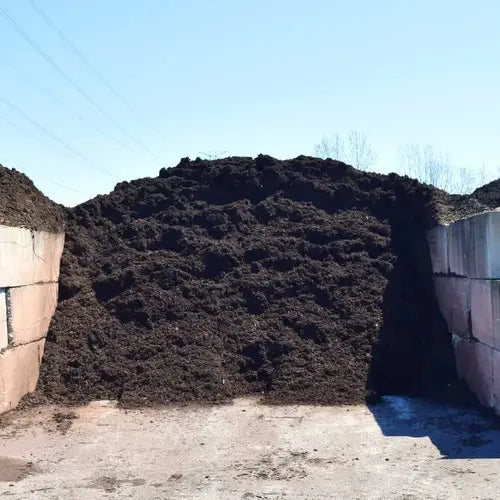
A yard is approximately 27 cubic feet. As a general guideline, one yard of material can cover an area of about 100-160 square feet at a 2-3 inch depth.
We can't take orders for this right now. Tell us what you need and we'll get back to you.
What do you need?
Thanks! We received your request.
Something went wrong. Please try again.
Hand-picked local yards
4,000+ regional deliveries
Dedicated support
Why order through Mulch Mound
The best local mulch, without the guesswork.
We hand-pick and partner with the best yards in your region, keep only the ones our buyers rate well, and back each load with our guarantee.
Mulch Mound Guarantee
If your mulch isn't the quantity or quality you ordered, we'll make it right.
About this mulch
Warm brown double shredded mulch with lasting color that looks freshly applied for weeks. Spreads smooth, stays put, and gives beds a natural, polished appearance.
I couldn't be happier with the speed and quality of the mulch delivery service of Mulch Mound. Every detail from ordering, to communication with on time delivery, to perfect product placement was amazing. I needed more and I got it within 2 hours! I'm never doing this with ba...
How Much Material Do I Need?
Plan for 2 to 3 inches of mulch depth in Tyler's sandy loam beds, as that depth effectively slows the moisture loss that sandy soils are prone to. For areas with established tree canopies or high-sun zones in your yard, leaning toward the full 3 inches will stretch the time between applications.
Use our free mulch calculator
What is a yard?
A yard is approximately 27 cubic feet. As a general guideline, one yard of material can cover an area of about 100-160 square feet at a 2-3 inch depth.
I couldn't be happier with the speed and quality of the mulch delivery service of Mulch Mound. Every detail from ordering, to communication with on...
Read full review
I couldn't be happier with the speed and quality of the mulch delivery service of Mulch Mound. Every detail from ordering, to communication with on time delivery, to perfect product placement was amazing. I needed more and I got it within 2 hours! I'm never doing this with bags again.
We had a great experience today. This was our first time using Mulch Mound, and I found the price competitive and the online ordering very easy. ...
Read full review
We had a great experience today. This was our first time using Mulch Mound, and I found the price competitive and the online ordering very easy. We are impressed with the quality of the mulch, too! It is covering well - a great value!
Measure each bed's length and width in feet and multiply them together to get square footage. Divide that number by 100 to get the cubic yards needed for a 3 inch layer, which is the right depth for Tyler's fast-draining sandy loam soil. If your beds have curved edges, break them into rough rectangles and add the sections together for a close estimate.
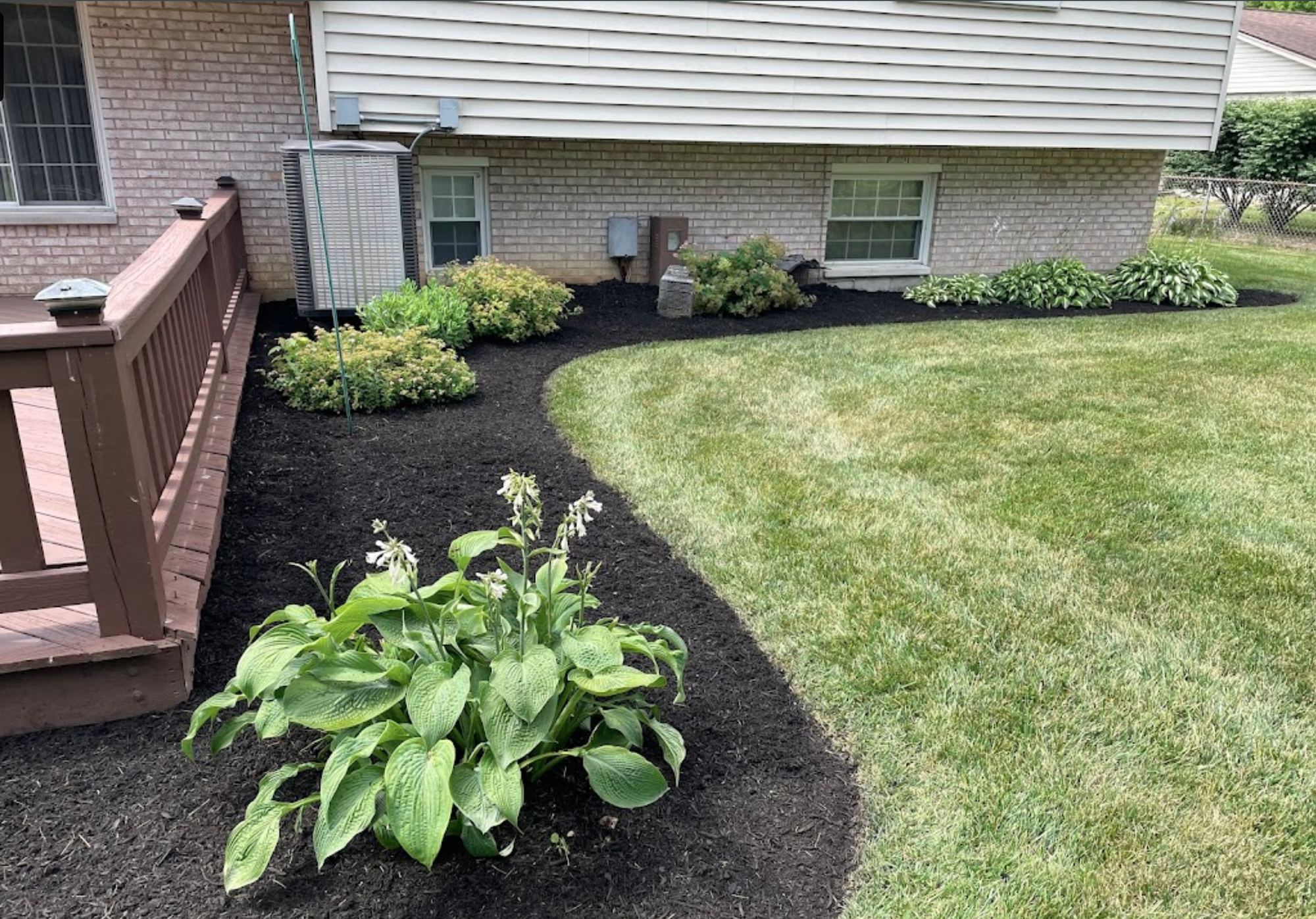
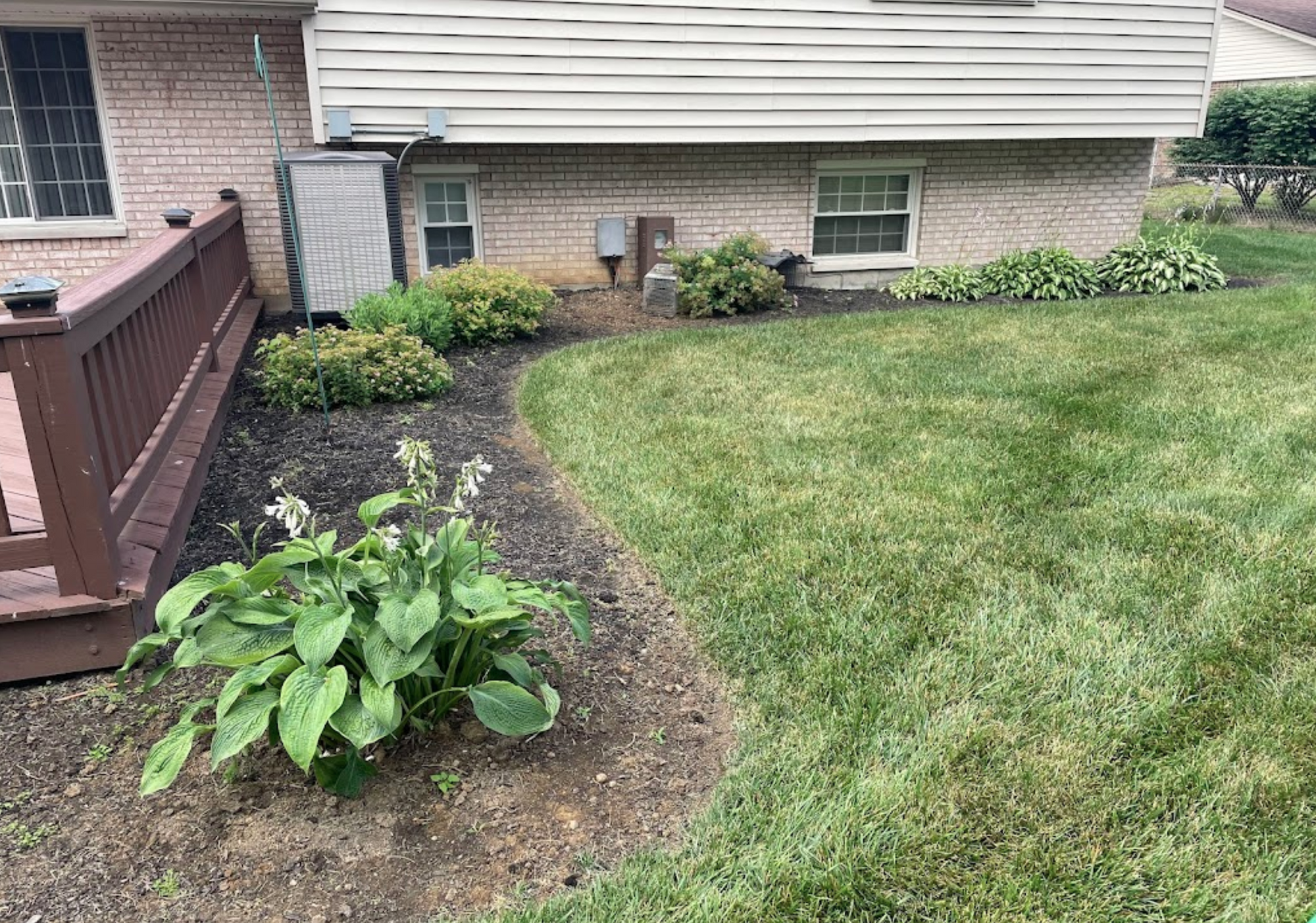
Mulch vs. No Mulch: The Difference
In Tyler's warm, humid climate, both natural and dyed mulch products break down over time, but the rate and appearance differ meaningfully. Natural hardwood mulch decomposes faster in East Texas heat and humidity, feeding organic matter back into your sandy loam, while dyed mulches use a binder that slows breakdown and holds color longer through the summer. Choosing between them depends on whether you prioritize the soil-building benefit of faster decomposition or the longer-lasting curb appeal of a consistent color.
Before
After
Best Mulch Choice for Tyler Lawns
Most yards in the Tyler area sit on Sandy Loam type of soil. Tyler's sandy loam soil has low organic matter content and drains so freely that plant beds can struggle to retain both moisture and nutrients through the growing season. Adding a mulch layer directly addresses both issues by slowing evaporation and, as the mulch decomposes, contributing organic material that improves the soil's ability to hold nutrients.
Hardwood Mulch
Hardwood mulch is a particularly good fit for Tyler's sandy loam because as it breaks down, it introduces humus-forming organic compounds that gradually improve the soil's structure. Over several seasons of annual mulch applications, sandy loam beds develop a richer, darker top layer that holds moisture better and supports a more active soil ecosystem.
Mulch Types We Deliver in Tyler
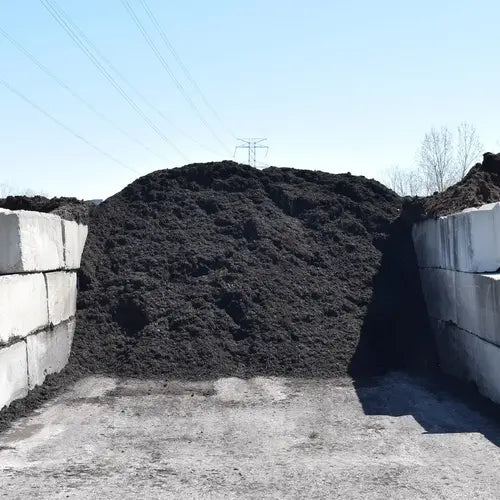
Mulch Mound delivers bulk mulch by the cubic yard straight to homes and properties throughout the area. Whether you are refreshing garden beds, protecting roots through East Texas summers, or giving your landscaping a clean finished look, bulk mulch delivery in Tyler makes it simple to get the right material without hauling a single bag. Order as much or as little as your project requires and we handle the rest.
Dyed Black Mulch
The bold, saturated black tone of this double shredded mulch creates striking contrast against the red clay soil and green plantings common in East Texas landscapes. It holds its color through heat and humidity, making it a favorite for homeowners who want beds that look sharp and freshly finished for months.
Dyed Brown Mulch
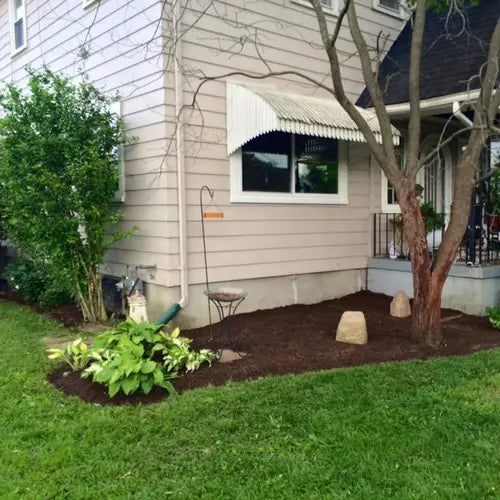
This warm brown double shredded mulch blends naturally with the earthy tones common to East Texas yards, giving beds a tidy, polished finish that stays looking freshly applied. The lasting color and smooth spread suit traditional brick homes and established garden borders found throughout this part of Texas.
Natural Brown Mulch
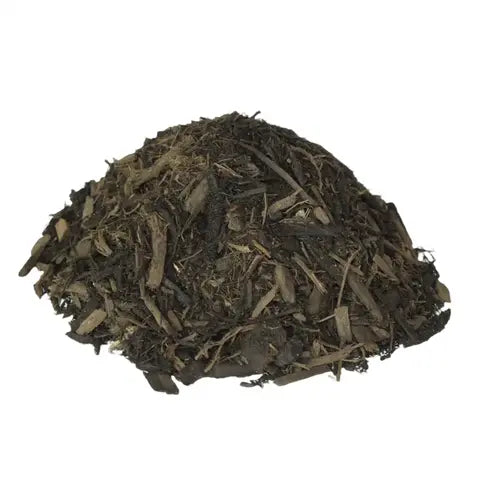
For gardens where an undyed, organic look is the goal, this double shredded natural brown mulch delivers honest color straight from the wood itself. It fits the relaxed, wooded character of many East Texas properties and performs well around trees, in raised beds, and along planting borders.
Complete Your Outdoor Mulch Project
Pair your mulch order with a load of our bulk garden soil to build up low spots in beds before mulching, especially in yards where Tyler's sandy loam has compacted or eroded over the years. Our decorative stone options also work great for edging beds or creating dry creek features that handle Tyler's periodic heavy rainfall.
Sandy loam soil in Tyler warms up quickly in spring, which is great for early planting but also means weed seeds germinate fast. Apply your mulch layer by early March, just as the last frost window closes, to smother germinating weed seeds before they establish. Waiting even two or three weeks into spring can mean a full flush of weeds that is much harder to suppress later in the growing season.
Mulch Mound Pro Tip
Tyler's mild winters mean some perennials and ornamental grasses stay partially active through December. Avoid pulling mulch tightly around plant crowns going into winter. A light, loose layer of 1 to 2 inches around crowns lets air circulate and reduces the risk of crown rot during the wet, occasionally freezing stretch between November and February when plant tissue is most vulnerable.
Mulch Mound Pro Tip
Tyler receives about 46 inches of rain per year, but that moisture is not evenly distributed and summer dry spells are common between rain events. A consistent 3 inch mulch layer can cut surface soil moisture loss by up to 50 percent, meaning your plants stay hydrated longer between waterings or rain events. This is especially valuable for newly planted shrubs and trees in their first full summer, when root systems have not yet extended deep into the soil profile.
Frequently Asked Questions
Click a question to see the answer
Answer
How often should I replace my mulch in Tyler's climate?
Because Tyler sits in zone 8b with warm, humid summers and 46 inches of annual rainfall, organic mulch breaks down faster here than in drier or cooler parts of the country. Most homeowners find they need to top off their beds once a year, typically in early spring before the growing season kicks off after the last frost around March 9. A fresh 2 to 3 inch layer each spring keeps weed pressure down and moisture locked in through the summer.
Answer
Will mulch help with my sandy soil washing away after heavy rain?
Yes, mulch acts as a buffer layer between rainfall and your sandy loam soil. Tyler's sandy loam is prone to surface erosion during heavy downpours because the particles are loosely bound. A 3 inch mulch layer slows water impact, reduces runoff velocity, and helps rain absorb into the soil rather than carry it downhill.
Answer
What mulch color lasts longest in Tyler summers?
Dyed black and red mulches tend to hold their color better than undyed natural hardwood through Tyler's intense summer sun, but even dyed products will fade somewhat after several months of direct exposure. Natural hardwood mulch will gray out more quickly but continues doing its job of retaining moisture and suppressing weeds regardless of color. If curb appeal matters most, plan to refresh dyed mulch once a year.
Answer
Can I mulch right after Tyler's last frost in March?
Early to mid-March is actually an ideal time to apply or refresh mulch in Tyler. Once the threat of frost passes around March 9, soil temperatures begin rising and weeds start germinating fast. Getting mulch down quickly suppresses those early weeds and helps lock in soil moisture before the drier spring months arrive.
Answer
How deep should I apply mulch over Tyler's sandy loam?
For sandy loam soil, aim for 2 to 3 inches of mulch in most garden beds. Sandy soils dry out faster than clay, so that depth helps slow evaporation meaningfully. Avoid piling mulch more than 4 inches deep or pressing it directly against plant stems, which can trap moisture and invite fungal issues in Tyler's humid summers.
Answer
Does mulch attract termites here in East Texas?
This is a common concern in East Texas where termite pressure is real. Mulch itself does not attract termites but it does create moist conditions that termites find hospitable if it is piled against your home's foundation. Keep mulch pulled back at least 6 inches from your foundation and siding, and choose hardwood mulch over pine bark if termite risk is a concern, as hardwood tends to be less favorable to them.
Answer
How much mulch do I need for my Tyler flower beds?
Measure the length and width of each bed in feet and multiply to get square footage, then divide by 100 to estimate cubic yards needed at a 3 inch depth. Tyler homeowners often underestimate because sandy loam beds settle and compact over the growing season, so ordering a little extra is rarely a mistake. Our calculator on this page can help you get a precise number.
The Unique Landscape of Tyler
Tyler's sandy loam soil drains quickly after rain, which means plant beds dry out faster than in heavier clay-based soils found elsewhere in East Texas. With 46 inches of rainfall spread unevenly across the year, mulch helps capture moisture during wet spells and retain it during dry summer stretches. Tyler's zone 8b growing season runs nearly year-round, so plant beds are actively growing from early March through late November, making consistent moisture management critical. The warm, humid summers here also accelerate mulch decomposition, which means you get added organic matter feeding back into your sandy loam over time. Keeping a proper mulch layer also moderates soil temperature, protecting root systems during the occasional hard freeze that can arrive after Tyler's average first frost date of November 20.