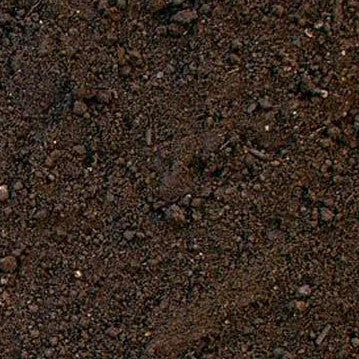
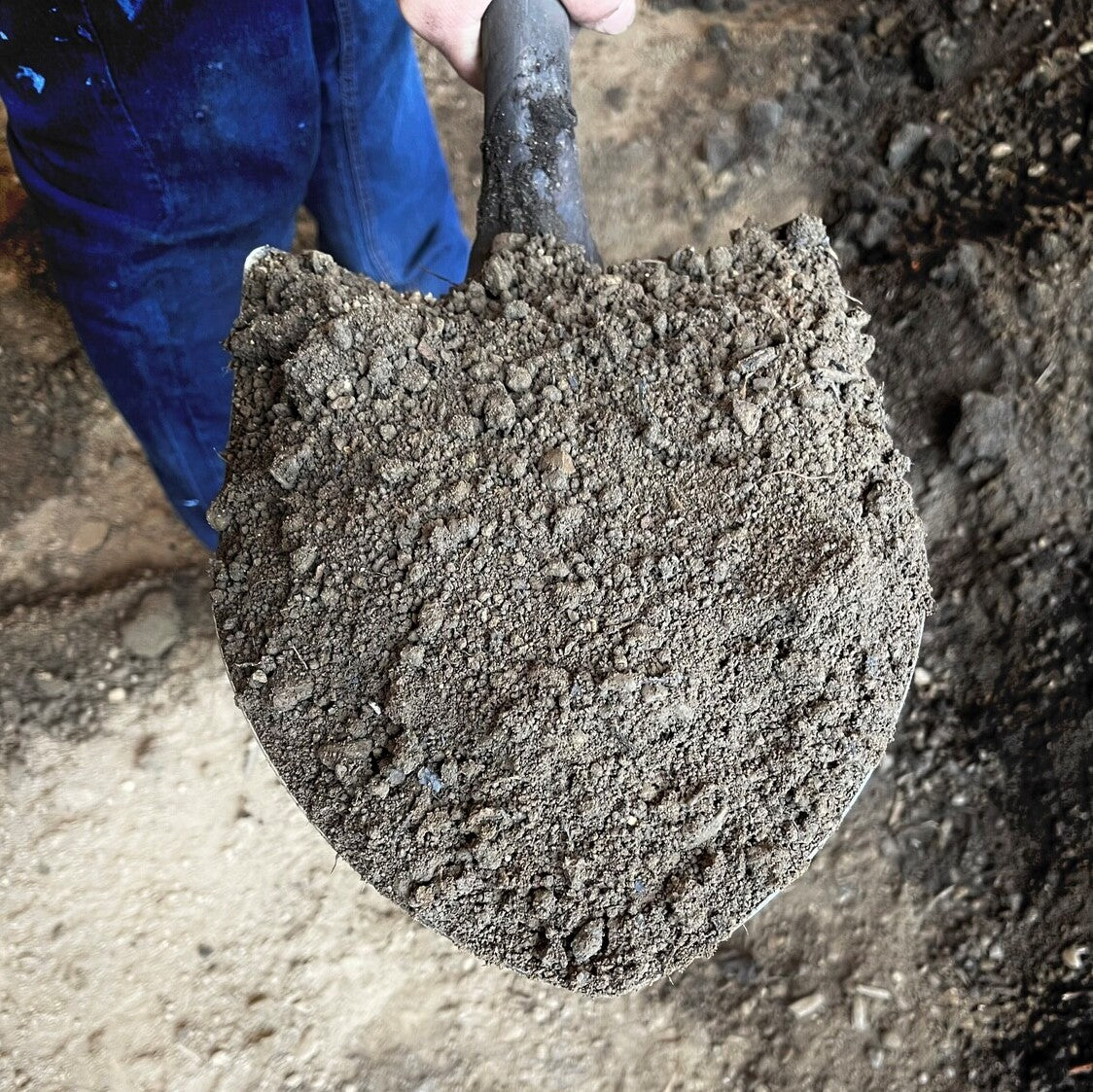
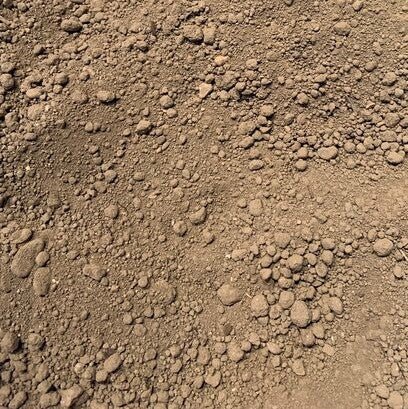
Quality topsoil for lawns, gardens, and landscape projects. Nutrient rich and ready to support strong root development and healthy plant establishment.
We got 3 yards of the gardening top soil. It was great quality, not many chunks and seems good for growing, just waiting for all my plants to love it.
We had more than enough soil to fill a raised bed we made and landscaped around a patio. I do wish we could do less tha...
Tell us what you're looking for
Thanks! We received your request.
Something went wrong. Please try again.
How Much Material Do I Need?
For raised beds, plan on at least 10 to 12 inches of depth to give plant roots a quality growing environment above Tyler's native sandy loam. For lawn topdressing, a quarter to half inch of soil spread over low spots is typical and usually requires one to two cubic yards for an average Tyler residential yard.
Use our free soil calculator
What is a yard?
A yard is approximately 27 cubic feet. As a general guideline, one yard of material can cover an area of about 100-160 square feet at a 2-3 inch depth.
We can't take orders for this right now. Tell us what you need and we'll get back to you.
What do you need?
Thanks! We received your request.
Something went wrong. Please try again.
Hand-picked local yards
4,000+ regional deliveries
Dedicated support
Why order through Mulch Mound
The best local soil, without the guesswork.
We hand-pick and partner with the best yards in your region, keep only the ones our buyers rate well, and back each load with our guarantee.
Mulch Mound Guarantee
If your soil isn't the quantity or quality you ordered, we'll make it right.
About this soil
Quality topsoil for lawns, gardens, and landscape projects. Nutrient rich and ready to support strong root development and healthy plant establishment.
We got 3 yards of the gardening top soil. It was great quality, not many chunks and seems good for growing, just waiting for all my plants to love it.
We had more than enough soil to fill a raised bed we made and landscaped around a patio. I do wish we could do less tha...
How Much Material Do I Need?
For raised beds, plan on at least 10 to 12 inches of depth to give plant roots a quality growing environment above Tyler's native sandy loam. For lawn topdressing, a quarter to half inch of soil spread over low spots is typical and usually requires one to two cubic yards for an average Tyler residential yard.
Use our free soil calculator
What is a yard?
A yard is approximately 27 cubic feet. As a general guideline, one yard of material can cover an area of about 100-160 square feet at a 2-3 inch depth.
We got 3 yards of the gardening top soil. It was great quality, not many chunks and seems good for growing, just waiting for all my plants to love ...
Read full review
We got 3 yards of the gardening top soil. It was great quality, not many chunks and seems good for growing, just waiting for all my plants to love it.
We had more than enough soil to fill a raised bed we made and landscaped around a patio. I do wish we could do less than 3 yds delivered but I understand the limitations.
My only concern was we requested it on the top left of our driveway since we had mulch on the other side, they ended up pouring it on top of the mulch (it was covered with a tarp so not ruined) making it difficult to complete our landscaping in a timely fashion.
To calculate soil for raised beds, multiply the bed's length by its width by the desired depth in feet, which gives you cubic feet, then divide by 27 to convert to cubic yards. In Tyler, most raised beds are built 10 to 12 inches deep to give roots room to stay above the sandy loam native soil below, so use 0.83 to 1 foot as your depth figure. Always round your estimate up by 10 percent to account for settling after watering.
Soil Types We Deliver in Tyler
East Texas yards often sit on heavy clay that drains poorly and leaves roots struggling through dry summers, so bringing in quality bulk topsoil by the yard in Tyler is one of the most effective ways to build a better growing foundation. We deliver screened soil by the cubic yard straight to your driveway or job site, saving you the hassle of hauling bags from a store. Whether you are filling raised beds, leveling a lawn, or starting a new landscape from scratch, we have the right soil to get you there.
Screened Top Soil
Our screened top soil is run through a fine screen to remove rocks, clumps, and debris, leaving a clean, workable material that spreads evenly and grades smoothly. It is nutrient rich and ready to support strong root development, making it a popular choice for lawn repairs, garden beds, and new landscape projects across Tyler.
Complete Your Outdoor Soil Project
Once your soil is in place, adding a layer of our bulk mulch over your new beds locks in moisture and protects the soil surface from Tyler's heavy rain events. Consider our decorative stone options for creating borders and pathways around new planting areas to define the space and reduce long-term maintenance.
Will bulk soil help fix the drainage problems in my Tyler yard?
Bulk topsoil can absolutely help with drainage when used correctly. In Tyler, where sandy loam is common, the issue is often not poor drainage but uneven grades that pool water after rain. Using bulk soil to regrade low spots and direct water away from foundations and planting beds addresses those problem areas effectively. If your yard actually drains too slowly, mixing in a portion of compost-enriched soil improves both structure and drainage simultaneously.
Answer
What is the difference between topsoil and garden soil for my Tyler raised beds?
Topsoil is a heavier, mineral-based product good for filling large volumes, grading lawns, and building up planting areas. Garden soil or amended soil has a higher organic matter content, making it better suited for raised vegetable beds and flower gardens where plant roots need a rich, moisture-retentive growing medium. In Tyler's zone 8b, where the growing season is nearly ten months long, raised beds benefit from the richer garden soil blend.
Answer
How much soil do I need to level my Tyler lawn?
For topdressing an existing lawn to fill low spots, most applications use about a quarter to half inch of soil spread evenly, which works out to roughly one cubic yard per 300 to 600 square feet. In Tyler yards where sandy loam has eroded or settled, low spots are common, especially in areas with heavy foot traffic or near downspouts. Measure the square footage of your lawn and note how deep the low spots are to get a more precise estimate.
Answer
When is the best time of year to add soil to my Tyler garden beds?
Early spring, in the two to three weeks before and after Tyler's last frost around March 9, is ideal for building up garden beds. This timing lets you get soil in place, let it settle slightly, and plant into it right as the growing season opens. Fall is also a good time, after the first frost in late November, because fresh soil has the winter to settle and any remaining organic matter starts breaking down before spring planting.
Answer
Can I use bulk soil to build up my yard near my foundation?
You can, and proper grading near foundations is important in Tyler where occasional heavy rain events can send water toward the house. The goal is to slope soil away from the foundation at about an inch per foot for the first six feet out. Use a denser fill soil rather than a light garden mix for this purpose, as lighter soils erode and settle more and may shift grade over time.
Answer
Will adding bulk soil help my Tyler vegetable garden produce better?
Significantly. Tyler's native sandy loam has low organic matter and drains so freely that nutrients leach out quickly after watering or rain. Building raised vegetable beds with a quality garden soil that has compost mixed in creates the rich, consistently moist environment that vegetables need through the long zone 8b growing season. Most East Texas vegetable gardeners find production improves noticeably in the first season after switching from native soil to an amended raised bed mix.
Answer
How do I keep bulk soil from washing away during Tyler's heavy rain periods?
The best protection is getting ground cover established quickly. Seed or plant into new soil as soon as possible after delivery, and apply a mulch layer on top of any bare areas in ornamental beds. In areas awaiting planting, a light straw cover holds soil in place during rain. Tyler can receive 3 to 5 inches of rain in a single storm event, so taking these steps right after delivery is important, especially on sloped areas.
Mulch Mound Pro Tip
When building raised beds in Tyler, do not skip the step of loosening the native sandy loam below your new soil before filling. Because sandy loam is loose and well-draining, it actually accepts root penetration fairly well, and breaking up the transition layer between native soil and your new fill prevents a perched water table from forming at that boundary. A garden fork or tiller run over the base before you fill goes a long way toward producing healthy, deep-rooted plants.
Mulch Mound Pro Tip
Tyler's zone 8b growing season means your soil is actively supporting plant life for most of the year, which depletes nutrients faster than in shorter-season climates. Plan to refresh the top 2 to 3 inches of your raised bed soil with compost or fresh amended soil each spring just before the last frost date passes. This annual refresh keeps pH balanced and organic matter levels up, reducing the need for synthetic fertilizers through the summer.
Mulch Mound Pro Tip
Grading soil around your home is best done in late summer or early fall in Tyler, before the wetter November and December period arrives. This gives the soil time to settle and compact slightly before winter, so your grade holds when heavy rains come. If you grade and immediately get a wet spell, the fresh loose soil can shift before it binds together, undermining the drainage improvement you were trying to create.
The Unique Landscape of Tyler
Tyler's native sandy loam is a workable soil in many ways, but it lacks the organic matter and water-holding capacity that garden beds and lawns need to thrive through the growing season. When you are installing raised beds, leveling a lawn, or prepping a planting area, bringing in quality bulk soil gives you control over the foundation your plants grow in. Zone 8b's long growing season from early March through late November puts heavy demands on soil, and nutrient-depleted sandy loam can struggle to support vigorous growth without amendment. Tyler also receives periods of intense rainfall that can wash away loose or poorly structured soil before plants are established. Bulk soil delivery lets you build proper grade, fill low spots, and create the raised growing environment that many vegetables and ornamentals perform best in locally.