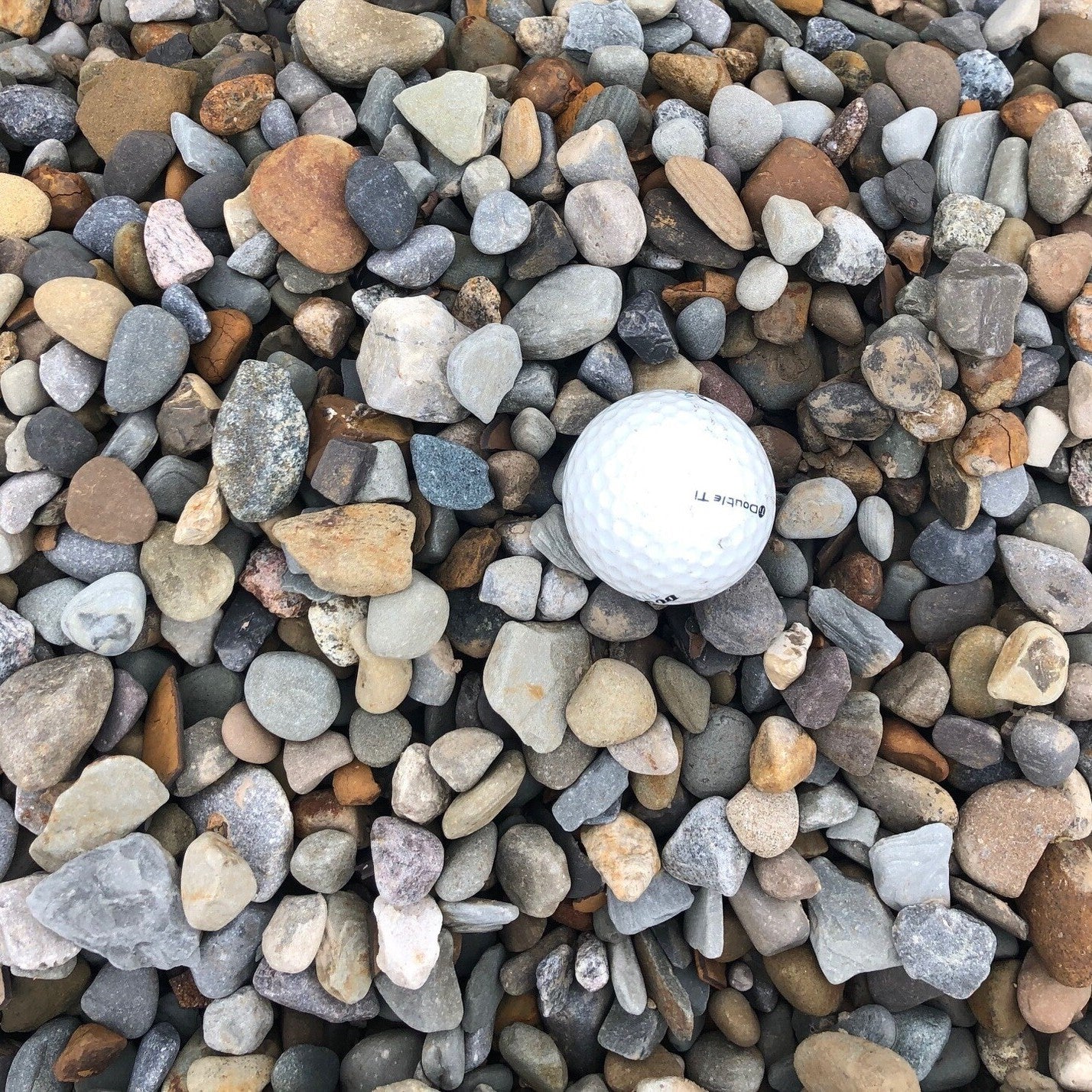
Number 57 crushed stone, angular limestone graded to about three quarters of an inch. The standard driveway, base and drainage gravel, it locks together under traffic and drains fast.
My experience with Mulch Mound was great and super easy. I ordered two yards of screened topsoil and was able to get it delivered within 2 days. They came in my requested time frame (afternoon) and dropped it off where I asked on my driveway. The topsoil was exactly what was a...
Tell us what you're looking for
Thanks! We received your request.
Something went wrong. Please try again.
How Much Material Do I Need?
For decorative ground cover beds and borders in Tyler, a 2 to 3 inch depth of stone provides solid coverage and enough weight to resist displacement during rain. For pathway applications or erosion-control slopes, 3 to 4 inches is recommended to account for settling in sandy loam and the additional wear from foot traffic or water flow.
Use our free gravel calculator
What is a yard?
A yard is approximately 27 cubic feet. As a general guideline, one yard of material can cover an area of about 100-160 square feet at a 2-3 inch depth.
We can't take orders for this right now. Tell us what you need and we'll get back to you.
What do you need?
Thanks! We received your request.
Something went wrong. Please try again.
Hand-picked local yards
4,000+ regional deliveries
Dedicated support
Why order through Mulch Mound
The best local stone, without the guesswork.
We hand-pick and partner with the best yards in your region, keep only the ones our buyers rate well, and back each load with our guarantee.
Mulch Mound Guarantee
If your stone isn't the quantity or quality you ordered, we'll make it right.
About this stone
Number 57 crushed stone, angular limestone graded to about three quarters of an inch. The standard driveway, base and drainage gravel, it locks together under traffic and drains fast.
My experience with Mulch Mound was great and super easy. I ordered two yards of screened topsoil and was able to get it delivered within 2 days. They came in my requested time frame (afternoon) and dropped it off where I asked on my driveway. The topsoil was exactly what was a...
How Much Material Do I Need?
For decorative ground cover beds and borders in Tyler, a 2 to 3 inch depth of stone provides solid coverage and enough weight to resist displacement during rain. For pathway applications or erosion-control slopes, 3 to 4 inches is recommended to account for settling in sandy loam and the additional wear from foot traffic or water flow.
Use our free gravel calculator
What is a yard?
A yard is approximately 27 cubic feet. As a general guideline, one yard of material can cover an area of about 100-160 square feet at a 2-3 inch depth.
My experience with Mulch Mound was great and super easy. I ordered two yards of screened topsoil and was able to get it delivered within 2 days. Th...
Read full review
My experience with Mulch Mound was great and super easy. I ordered two yards of screened topsoil and was able to get it delivered within 2 days. They came in my requested time frame (afternoon) and dropped it off where I asked on my driveway. The topsoil was exactly what was advertised, clean with no rocks or other debris. The price was reasonable. I plan to use them again in a couple weeks to order compost for my garden beds.
To estimate stone coverage, multiply the length by the width of your area in feet to get square footage, then divide by 100 to get cubic yards needed for a 2 to 3 inch depth. For pathways and other areas that will be walked on, adding a half-inch more depth than you think you need gives you room for the natural settling that happens in Tyler's sandy loam base over the first season.
Stone Types We Deliver in Tyler
When East Texas homeowners search for bulk gravel by the yard in Tyler, they want a dependable local source that delivers straight to the job site. The warm climate, humid summers, and heavy clay soils here make choosing the right stone important for drainage and long-term performance. We deliver by the cubic yard so you get exactly what your project needs, without overbuying or hauling it yourself.
Pea Gravel
Pea gravel is a popular, low-maintenance ground cover that suits the landscape styles common across East Texas. Its smooth, rounded edges and warm earth tones pair well with brick homes and garden borders. It drains readily through heavy clay soil, making it a practical choice for patios, pathways, and decorative planting beds.
Complete Your Outdoor Stone Project
Pair stone borders with our bulk mulch for a clean, finished look in planting beds where you want stone edges and mulched centers. Our bulk soil is also a great companion when you need to regrade or build up areas before laying stone, ensuring proper drainage slope across your Tyler property.
Before laying stone anywhere in your Tyler yard, take time to check and correct the slope of the underlying soil. Sandy loam can look level but have subtle low spots that collect water beneath a stone layer, creating wet pockets that attract mosquitoes and promote weed growth from below. Use a long board and a level to check grade before you set landscape fabric and stone, and add or remove soil as needed to ensure water drains away from beds and structures.
Mulch Mound Pro Tip
Tyler's heat is a real factor when choosing stone colors for high-sun areas. Dark stone, like black Mexican pebble or dark river rock, absorbs significantly more heat than lighter-colored stone. In full-sun areas of your Tyler yard, lighter options like white marble chips or buff-colored river gravel keep soil temperatures lower, which matters for any plants near those stone borders during July and August when afternoon temperatures regularly push past 95 degrees.
Mulch Mound Pro Tip
Dry creek beds are one of the most practical stone features you can add to a Tyler property, because they serve a real function during the area's periodic heavy rain events while looking attractive year-round. Design your creek bed to follow the natural drainage path water already takes through your yard, then line it with landscape fabric and fill with a mix of stone sizes. This channeled drainage reduces erosion in your sandy loam, directs water away from your foundation, and eliminates the muddy bare channels that form in many East Texas yards after storms.
The Unique Landscape of Tyler
Decorative stone is one of the most practical and long-lasting landscaping investments Tyler homeowners can make, particularly in areas where maintaining grass or plants is a challenge. Tyler's summer heat and periodic drought stress make low-maintenance ground cover solutions appealing, and stone never needs watering, mowing, or seasonal replacement. The area's 46 inches of annual rainfall also creates real drainage challenges in sloped yards and near foundations, and strategically placed stone can direct and absorb water effectively. Tyler's sandy loam soils are prone to erosion on slopes and around bed edges, and stone provides solid, permanent coverage that holds those areas in place through heavy rain events. From decorative river rock accents to crusher run pathways, stone adds both function and year-round visual structure to East Texas landscapes.
Frequently Asked Questions
Click a question to see the answer
Answer
What size stone works best for a dry creek bed in my Tyler yard?
For a dry creek bed in Tyler, a mix of river rock ranging from 2 to 5 inches works well because it looks natural and allows water to move through and around the stones during rain events. Tyler's heavy downpour events can send significant water volume through a yard quickly, so sizing matters. Smaller pea gravel alone can wash out during a strong storm, while larger cobble pieces stay in place and direct flow effectively.
Answer
Will stone help with the erosion on my sloped Tyler yard?
Yes, stone is one of the best solutions for erosion on slopes in East Texas. Tyler's sandy loam erodes easily because the particles do not bind together tightly, and slopes accelerate runoff velocity. Placing a layer of 2 to 4 inch decorative stone or river rock on slopes holds the soil beneath in place, slows water movement, and eliminates the bare soil surface that rain impacts directly.
Answer
How deep should I lay stone for a walkway at my Tyler home?
For a stable walkway, plan to lay 2 to 3 inches of compacted crusher run or decomposed granite as a base, then top with 1 to 2 inches of your decorative stone if desired. In Tyler, where sandy loam shifts more easily than clay, having that compacted base layer prevents the pathway from developing soft spots or ruts, especially in areas that receive foot traffic year-round during the long growing season.
Answer
Can I use stone instead of mulch in my Tyler flower beds?
Stone can work in Tyler flower beds, particularly for low-water ornamentals, succulents, or ornamental grasses that prefer drier root zones. The main trade-off compared to mulch is that stone does not contribute organic matter to your sandy loam as it breaks down. Stone also absorbs heat, which can raise soil temperatures further during Tyler's hot summers, so it works better around drought-tolerant plants than moisture-loving perennials or annuals.
Answer
What kind of stone is best for drainage around my Tyler home's foundation?
Washed river gravel or pea gravel in the half-inch to 1 inch range is commonly used for foundation drainage in Tyler because the rounded stones allow water to flow freely through the layer. Laying this gravel in a 12 to 18 inch border around your foundation, over properly sloped soil, helps channel water away quickly during Tyler's heavy rain events. Pair it with a landscape fabric underlayer to prevent your sandy loam from migrating up into the gravel over time.
Answer
How do I keep weeds from growing up through my stone areas in Tyler?
The most effective approach is installing a quality landscape fabric beneath your stone before it goes down. Tyler's warm zone 8b climate means weed seeds germinate for most of the year, so skipping the fabric leads to maintenance issues quickly. The fabric blocks weed emergence from below while the stone layer above blocks light. Even with fabric, some windblown seeds will germinate on top of the stone, but they are easy to pull from the surface since they have no soil to root into deeply.
Answer
Will my stone wash away during Tyler's heavy rain seasons?
Heavier stone products like river rock and 2 to 4 inch decorative gravel stay in place well during Tyler's rain events. Lighter products like pea gravel or fine decomposed granite can migrate on slopes or in areas with concentrated water flow. If you are using stone in a drainage swale or on a slope that carries water during storms, stick with heavier 2 to 5 inch rock or larger cobble that has enough mass to resist being moved by flowing water.
Answer
Is crush and run the same as crusher run?
Crush and run and crusher run are the same material, a mix of crushed stone and stone dust that compacts into a firm base for driveways and paver projects. For Tyler yards dealing with heavy rainfall and drainage around foundations, our Crushed Stone #57 is a better choice since it drains freely instead of trapping water near your home.