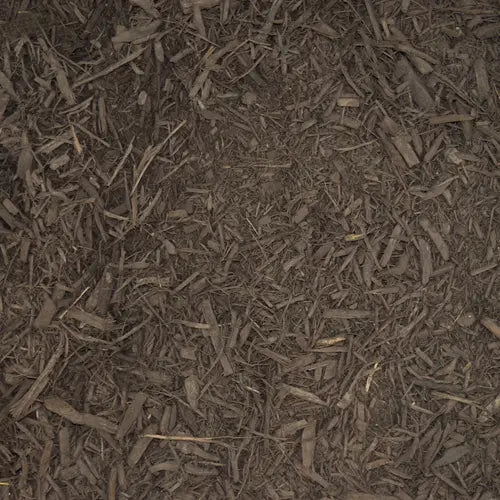
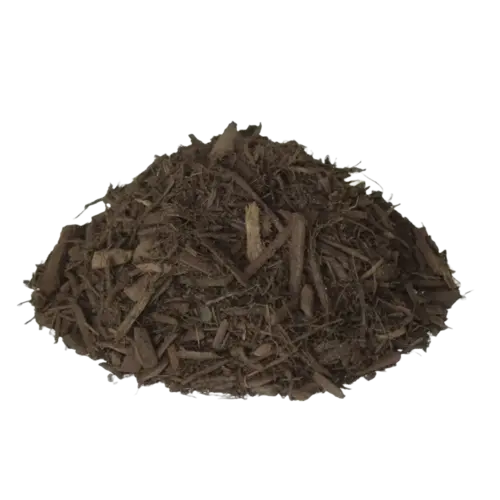
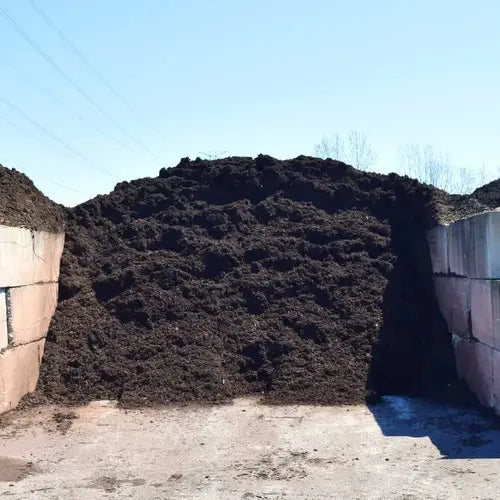
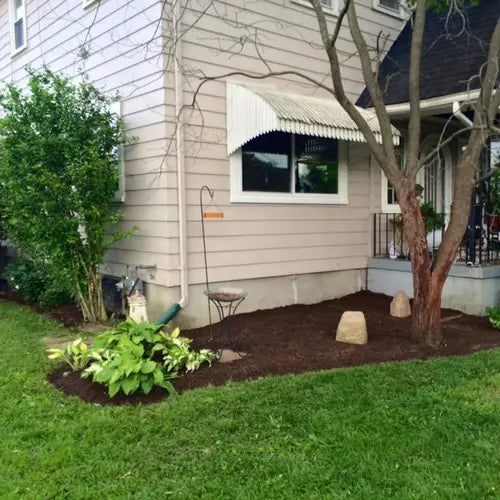
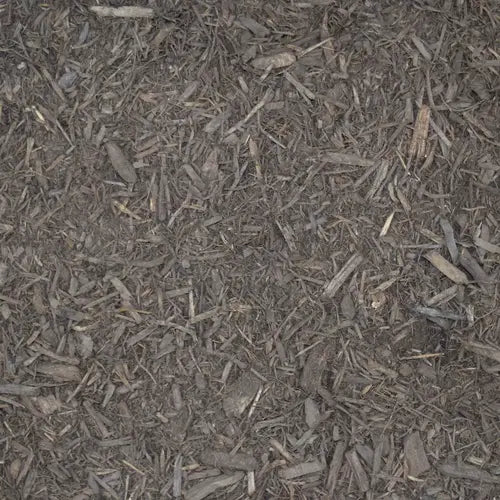
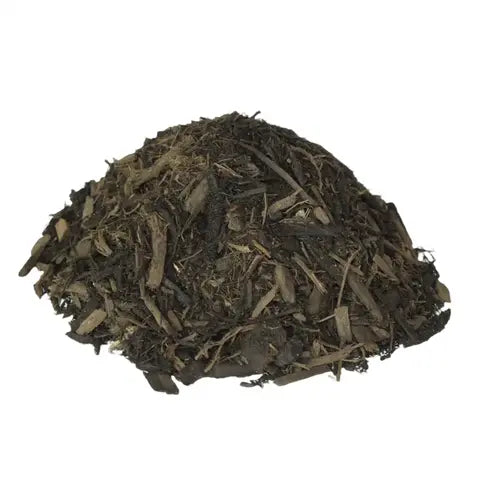
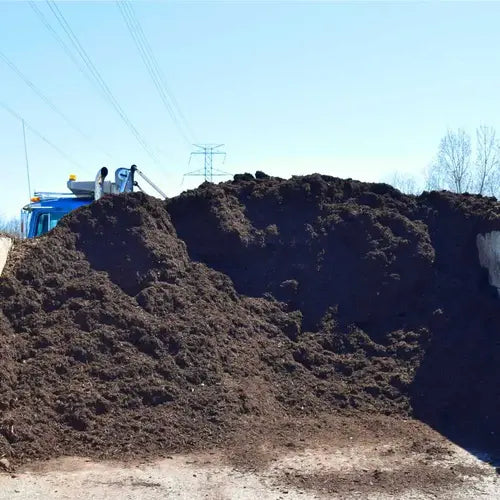
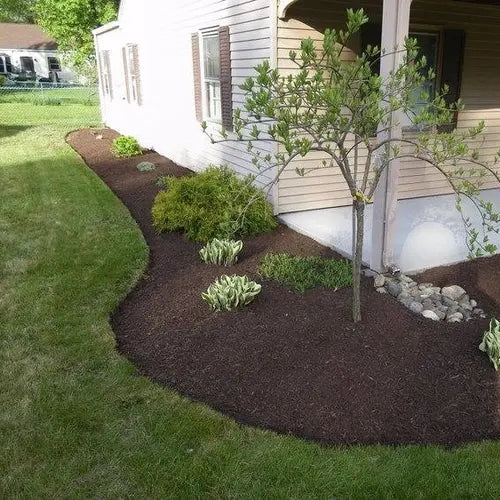
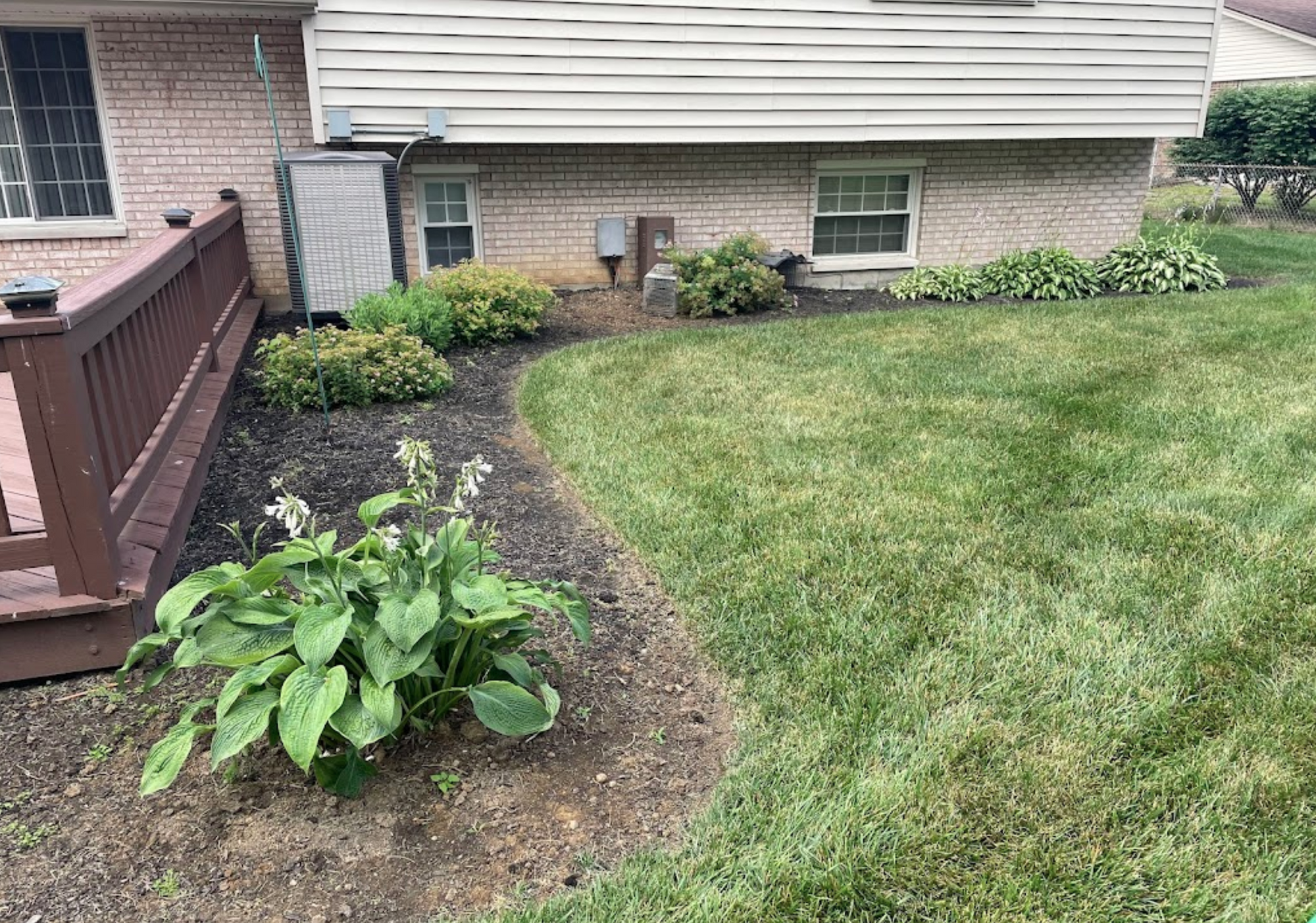
Warm brown double shredded mulch with lasting color that looks freshly applied for weeks. Spreads smooth, stays put, and gives beds a natural, polished appearance.
Delivery was on time and great quality Mulch. Got it done in a reasonable time and yard looks great. Couldn’t be happier!!! Thank you and will use again!!
Tell us what you're looking for
Thanks! We received your request.
Something went wrong. Please try again.
How Much Material Do I Need?
Valdosta's sandy soil and intense summer heat call for a minimum 3-inch depth in all planting beds, with 4 inches recommended for sloped areas prone to washing during heavy rainstorms. For lawn-adjacent beds that receive runoff from hard surfaces, the extra depth also helps prevent bare patches from forming after south Georgia downpours.
Use our free mulch calculator
What is a yard?
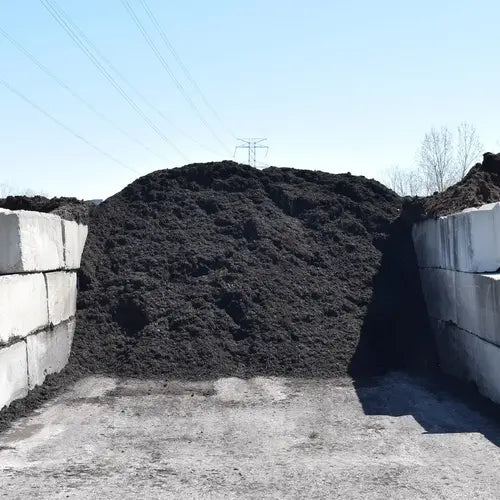
A yard is approximately 27 cubic feet. As a general guideline, one yard of material can cover an area of about 100-160 square feet at a 2-3 inch depth.
We can't take orders for this right now. Tell us what you need and we'll get back to you.
What do you need?
Thanks! We received your request.
Something went wrong. Please try again.
Hand-picked local yards
4,000+ regional deliveries
Dedicated support
Why order through Mulch Mound
The best local mulch, without the guesswork.
We hand-pick and partner with the best yards in your region, keep only the ones our buyers rate well, and back each load with our guarantee.
Mulch Mound Guarantee
If your mulch isn't the quantity or quality you ordered, we'll make it right.
About this mulch
Warm brown double shredded mulch with lasting color that looks freshly applied for weeks. Spreads smooth, stays put, and gives beds a natural, polished appearance.
Delivery was on time and great quality Mulch. Got it done in a reasonable time and yard looks great. Couldn’t be happier!!! Thank you and will use again!!
How Much Material Do I Need?
Valdosta's sandy soil and intense summer heat call for a minimum 3-inch depth in all planting beds, with 4 inches recommended for sloped areas prone to washing during heavy rainstorms. For lawn-adjacent beds that receive runoff from hard surfaces, the extra depth also helps prevent bare patches from forming after south Georgia downpours.
Use our free mulch calculator
What is a yard?
A yard is approximately 27 cubic feet. As a general guideline, one yard of material can cover an area of about 100-160 square feet at a 2-3 inch depth.
Delivery was on time and great quality Mulch. Got it done in a reasonable time and yard looks great. Couldn’t be happier!!! Thank you and will us...
Read full review
Delivery was on time and great quality Mulch. Got it done in a reasonable time and yard looks great. Couldn’t be happier!!! Thank you and will use again!!
Mulch Mound delivered a yard of pea gravel to us. Delivery was on time, driver was friendly and hit a bullseye on the “tarp target”. We used the ...
Read full review
Mulch Mound delivered a yard of pea gravel to us. Delivery was on time, driver was friendly and hit a bullseye on the “tarp target”. We used the pea gravel (which was diameter as specified) to fill several muskrat holes around our pond. I would definitely recommend Mulch Mound to a friend!
I can’t say enough good things about Mulch Mound! If you read my review below you will see I had a problem with my order. Mulch Mou...
Read full review
UPDATE!
I can’t say enough good things about Mulch Mound! If you read my review below you will see I had a problem with my order. Mulch Mound was quick to respond and solved the issue with my delivery. Will definitely be a customer next year.
First time purchase from Mulch Mound!! First what I liked! Easy to order online and straight forward pricing and delivery. The driver was on time and courteous and delivered my Mulch exactly where I requested! The product is of good quality and comparable to others I have purchased from before. Now what I DID’NT LIKE! I have been mulching the same house and yard for almost 20 years. I always order the same amount and don’t have any issues with covering the same area but this year I fell about a yard short. I was home when the mulch was delivered and when the driver dumped it I noticed that it seemed a bit less than I was used to. I didn’t apply it any thicker than usual and probably a bit thinner than usual because I was worried about running out.
To estimate how much mulch you need, measure the length and width of each bed in feet and multiply to get square footage, then plan for at least 3 inches of depth since Valdosta's sandy soil and high summer temperatures demand more coverage than cooler climates require. Divide your total cubic feet by 27 to convert to cubic yards for ordering. Because Valdosta's fast-draining soil punishes thin applications, err on the side of slightly more material rather than less.
Mulch vs. No Mulch: The Difference
Valdosta's humid subtropical climate means any organic mulch breaks down faster than it would in a cooler region, and the choice between natural and dyed options affects both how quickly that happens and how your beds look through the process. Natural hardwood and pine mulches decompose readily in Zone 9a heat and begin fading to gray within a season, but they contribute directly to soil health as they break down in Valdosta's warm, biologically active ground. Dyed mulches use colorants that slow the visual fading and give beds a consistently rich appearance through the long growing season, though the underlying wood still decomposes at a similar rate.
Before
After
Best Mulch Choice for Valdosta Lawns
Most yards in the Valdosta area sit on Sandy type of soil. Sandy soil in Valdosta struggles to hold moisture and nutrients, which means plant beds without mulch lose water quickly after irrigation or rainfall and require far more frequent attention to stay productive. Without a protective surface layer, the sandy top layer can also crust over between rains, making it harder for roots to breathe and for water to penetrate evenly into the bed.
Hardwood Mulch
Hardwood mulch is particularly valuable in sandy Valdosta soils because as it decomposes it releases humus that binds to sand particles and gradually improves the soil's water and nutrient holding capacity. Over several seasons of consistent application and incorporation, hardwood mulch transforms the biological activity of the top few inches of soil, creating a growing environment that is noticeably more forgiving than raw Valdosta sand.
Mulch Types We Deliver in Valdosta
Getting bulk mulch delivery in Valdosta has never been easier with our service that delivers material by the cubic yard straight to your driveway. South Georgia's warm climate and long growing season mean beds need reliable coverage to hold moisture and suppress weeds all year. We deliver fresh mulch so you can focus on the planting, not the hauling.
Dyed Black Mulch
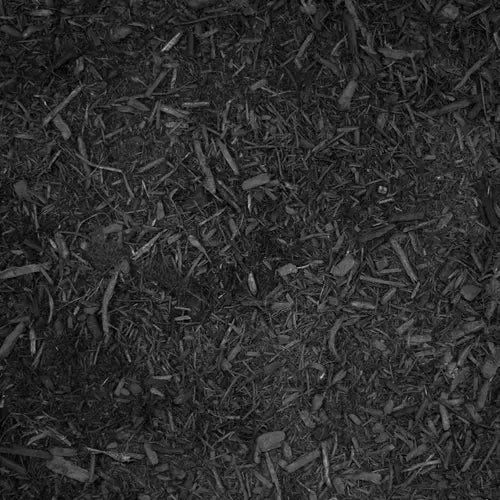
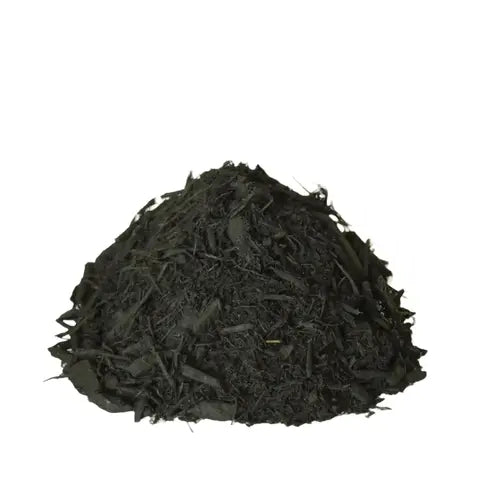
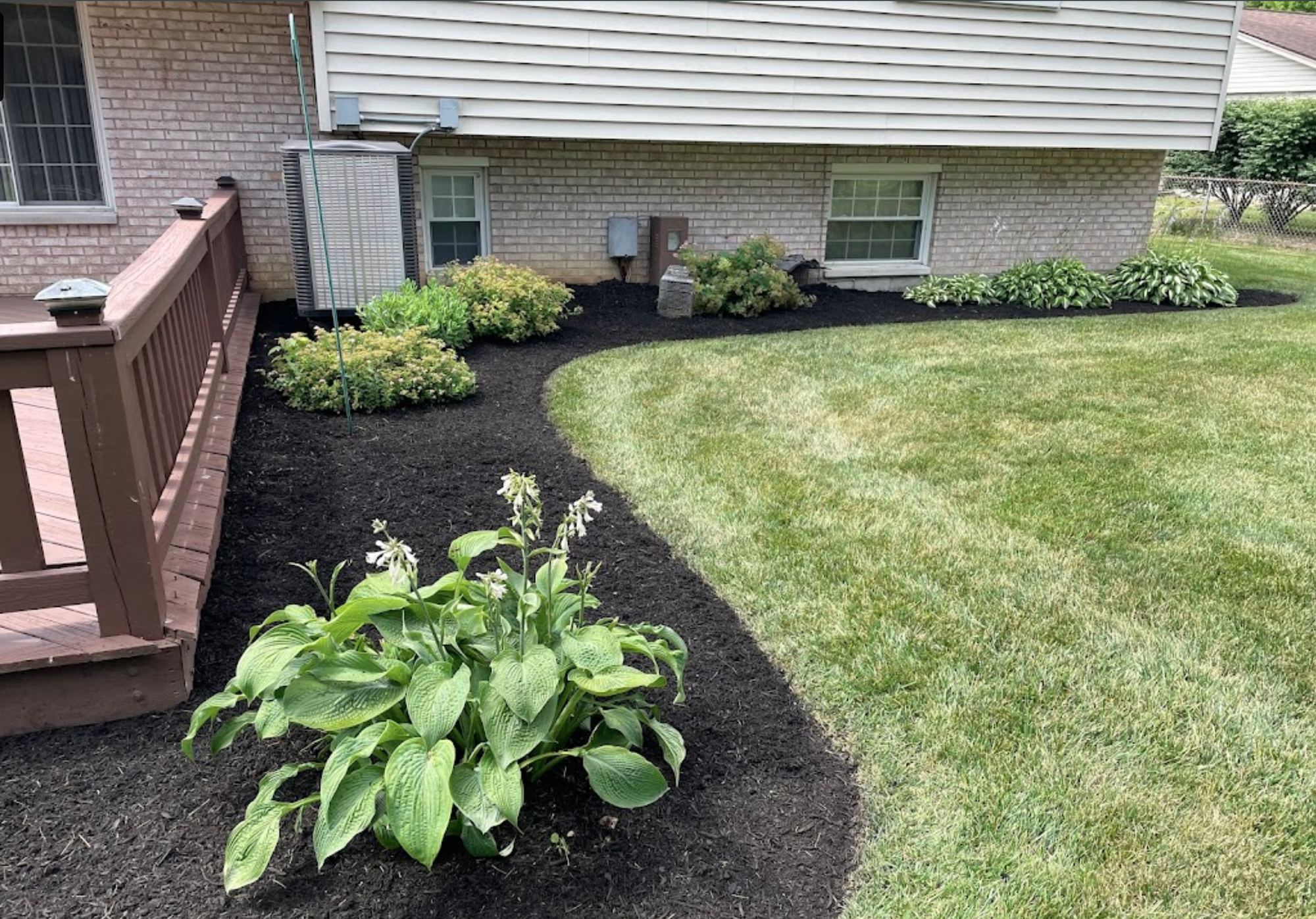
Dyed Black Mulch arrives double shredded for an even, clean spread across any bed. The bold color creates striking contrast against the brick homes and bright green plantings common in this part of South Georgia. It holds its depth well under the region's intense summer sun, keeping beds looking sharp all season long.
Dyed Brown Mulch
Dyed Brown Mulch is double shredded and delivers a warm, polished finish that suits the classic cottage and traditional landscape styles popular across South Georgia. The color holds up through the region's humid summers and stays looking freshly applied for weeks, making it a reliable choice for homeowners who want lasting curb appeal.
Natural Brown Mulch
Natural Brown Mulch is double shredded from undyed wood, giving beds a genuine earthy tone that blends naturally with the sandy loam soils and native plantings of South Georgia. It is a great fit for gardeners who prefer an organic, understated look that still suppresses weeds and retains moisture through the warm growing season.
Complete Your Outdoor Mulch Project
If your beds have poor structure from years of sandy soil compaction, pairing mulch with a quality garden soil amendment from our soil product line gives your plants a much stronger foundation before the mulch goes down. Adding stone edging along bed borders also keeps mulch contained during Valdosta's high-rainfall events and gives the landscape a polished, finished appearance.
Valdosta's sandy soil is naturally low in organic matter, and that is where mulch pays a long-term dividend beyond weed control. As hardwood mulch breaks down in the heat and humidity, it feeds soil microbes and slowly builds the organic layer that sandy soil lacks. Scratch the bottom layer of old mulch into the soil before adding a fresh top-dress each spring and you will notice plants performing better year over year as the soil structure beneath your beds gradually improves.
Mulch Mound Pro Tip
Pine straw is popular across south Georgia, but it tends to mat down and shed water once it dries out, which can actually funnel rain away from plant roots during brief dry stretches. Shredded hardwood mulch knits together more loosely and allows rainfall to filter through to the soil more evenly. For beds with moisture-sensitive plants or in areas where you are already fighting sandy soil drainage, hardwood mulch consistently outperforms pine straw as a moisture-retention tool in the Valdosta climate.
Mulch Mound Pro Tip
With 52 inches of rain falling annually in Valdosta, mulch placement around downspouts and drainage paths requires extra attention. If mulch is piled too high near downspout outlets or in low spots, it can dam up water and create soggy pockets that damage roots or attract pests in the warm months. Keep mulch at a consistent 3-inch depth and leave a small cleared gap around any drainage infrastructure so water moves freely through the landscape even during the heavy afternoon storms that roll through south Georgia from June through September.
Frequently Asked Questions
Click a question to see the answer
Answer
How often should I replace my mulch in Valdosta's heat and humidity?
Valdosta's combination of Zone 9a heat, high humidity, and 52 inches of annual rainfall accelerates organic mulch decomposition faster than in cooler climates. Most homeowners in the area find that natural hardwood or pine mulch needs to be refreshed once a year, typically in late February or early March just before the last frost date of March 15 kicks off the active growing season. Topped up at that time, mulch is in place when spring weeds begin germinating and before the intense summer heat builds through May and June.
Answer
Will mulch help prevent my sandy soil from washing away after heavy rains?
Yes, mulch is one of the best tools for managing sandy soil erosion in Valdosta. Sandy soil has very little structure, so the heavy downpours common to south Georgia can displace it quickly from sloped beds or bare areas. A 3-inch layer of hardwood or pine mulch absorbs the impact of rainfall before it hits the soil surface and holds the underlying material in place. Over time, as the mulch decomposes it also adds organic matter that helps bind sand particles and gradually improves overall soil structure.
Answer
Is dyed mulch safe to use around my vegetable garden here?
Most dyed mulches use iron oxide or carbon-based colorants that are considered safe for ornamental beds, but if you are growing edibles it is best to stick with natural, undyed options. In Valdosta's warm climate, any organic mulch breaks down and integrates into the soil relatively quickly, so what is in the mulch eventually enters your garden ecosystem. Natural hardwood or pine straw are popular choices for vegetable gardens and raised beds in the area, and they improve sandy soil drainage gradually over time, which benefits productivity through the long Valdosta growing season.
Answer
What mulch color holds up best under Valdosta's intense summer sun?
Valdosta receives intense UV exposure throughout the long growing season, and natural undyed mulches will fade to a gray-brown within a few months of application. Dyed black or dark brown hardwood mulch holds its color significantly longer because the colorants are more UV-resistant than natural wood tones. If curb appeal and a consistently rich appearance are priorities, a quality dyed hardwood is the better investment for Valdosta properties. Reapplying a thin fresh layer each spring is a cost-effective way to restore color without full replacement.
Answer
How thick should I apply mulch to actually suppress weeds in Valdosta?
In Valdosta, where the warm climate and ample rainfall create near-constant weed pressure, a depth of 3 to 4 inches is recommended for effective suppression. Anything shallower than 2 inches lets sunlight reach the soil surface and weed seeds will still germinate readily. Because Valdosta's sandy soil drains so fast, the thicker layer also serves double duty by slowing moisture evaporation between the brief dry spells that occur even in a high-rainfall year. Avoid piling mulch directly against plant stems, as the humidity can cause rot issues during the warm months.
Answer
When is the best time of year to mulch my beds in Valdosta?
Late February through mid-March is the ideal window for a major mulch refresh in Valdosta. Applying just before the last frost date of March 15 means your beds are protected and ready as spring planting begins. A second light top-dress in late October, after temperatures start dropping toward the first frost date of November 13, helps insulate root systems heading into the mild Valdosta winter and keeps the landscape looking tidy through the cooler months. Avoid applying thick fresh mulch right before forecast heavy rain events, as it can float and shift during Valdosta's intense downpours.
Answer
Can mulch actually help lower my water bill during Valdosta summers?
Absolutely. Valdosta summers are long, hot, and punctuated by heavy afternoon rains that drain quickly through sandy soil, leaving beds dry again within hours. A 3 to 4 inch mulch layer can reduce soil moisture evaporation by up to 50 percent, meaning you can water less frequently and still maintain healthy plants. For homeowners relying on irrigation systems during the July and August dry stretches that often follow the summer storm pattern, consistent mulching can translate into meaningful water savings over the full growing season.
The Unique Landscape of Valdosta
Valdosta's sandy soil drains so quickly that plant beds can shift from saturated to bone dry within hours of a heavy rain, leaving roots stressed and the soil surface crusted and compacted. A thick layer of mulch slows that moisture loss dramatically, giving plants a buffer against the rapid drainage cycles that define Zone 9a landscapes in south Georgia. Summer heat in Valdosta pushes soil surface temperatures well above air temperature, and mulch acts as a thermal blanket that keeps roots cooler during the long growing season stretching from mid-March through mid-November. The region's 52 inches of annual rainfall also means weed seeds have a near-constant germination window, making suppression an ongoing battle without adequate mulch coverage. Organic mulches that break down over time improve Valdosta's sandy soil by contributing organic matter, which helps retain nutrients that otherwise leach away with every significant rain event.