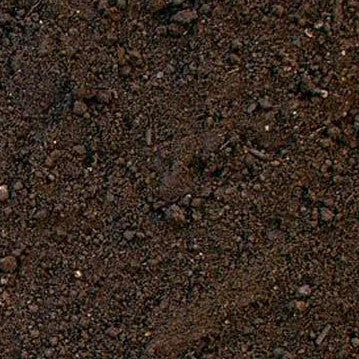
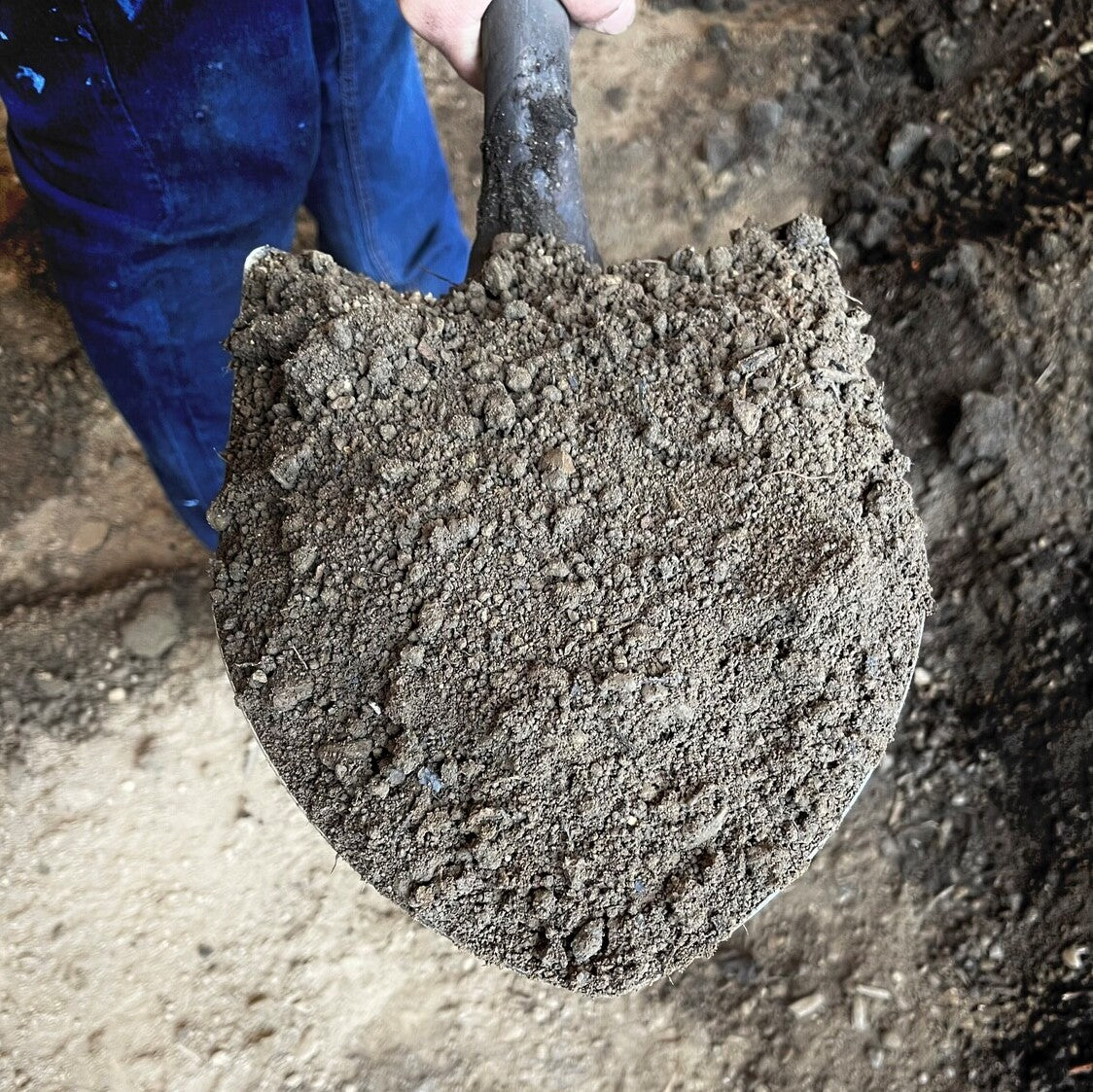
Quality topsoil for lawns, gardens, and landscape projects. Nutrient rich and ready to support strong root development and healthy plant establishment.
The website was intuitive and easy to navigate. The material was delivered the date and time it was scheduled, it was dropped off in the area i had specified on top of my tarp with no issues.
I ordered soil, the Gardening Blend that I received had too many plastic and m...
Tell us what you're looking for
Thanks! We received your request.
Something went wrong. Please try again.
How Much Material Do I Need?
For lawn topdressing in Valdosta, plan on roughly 1 cubic yard of screened topsoil per 300 square feet at a 1-inch depth, scaling up for deeper fills or more severely uneven terrain. Raised beds in the Valdosta area need a minimum of 12 inches of quality garden soil to give vegetable roots adequate room above the native sandy base.
Use our free soil calculator
What is a yard?
A yard is approximately 27 cubic feet. As a general guideline, one yard of material can cover an area of about 100-160 square feet at a 2-3 inch depth.
We can't take orders for this right now. Tell us what you need and we'll get back to you.
What do you need?
Thanks! We received your request.
Something went wrong. Please try again.
Hand-picked local yards
4,000+ regional deliveries
Dedicated support
Why order through Mulch Mound
The best local soil, without the guesswork.
We hand-pick and partner with the best yards in your region, keep only the ones our buyers rate well, and back each load with our guarantee.
Mulch Mound Guarantee
If your soil isn't the quantity or quality you ordered, we'll make it right.
About this soil
Quality topsoil for lawns, gardens, and landscape projects. Nutrient rich and ready to support strong root development and healthy plant establishment.
The website was intuitive and easy to navigate. The material was delivered the date and time it was scheduled, it was dropped off in the area i had specified on top of my tarp with no issues.
I ordered soil, the Gardening Blend that I received had too many plastic and m...
How Much Material Do I Need?
For lawn topdressing in Valdosta, plan on roughly 1 cubic yard of screened topsoil per 300 square feet at a 1-inch depth, scaling up for deeper fills or more severely uneven terrain. Raised beds in the Valdosta area need a minimum of 12 inches of quality garden soil to give vegetable roots adequate room above the native sandy base.
Use our free soil calculator
What is a yard?
A yard is approximately 27 cubic feet. As a general guideline, one yard of material can cover an area of about 100-160 square feet at a 2-3 inch depth.
The website was intuitive and easy to navigate. The material was delivered the date and time it was scheduled, it was dropped off in the area i had...
Read full review
The website was intuitive and easy to navigate. The material was delivered the date and time it was scheduled, it was dropped off in the area i had specified on top of my tarp with no issues.
I ordered soil, the Gardening Blend that I received had too many plastic and metal pieces for my liking thus lowering the score from a perfect 5/5 to a 4/5
Really appreciate the care and follow thru that this company had with our order. A hiccup came up but they were quick to respond and address all co...
Read full review
Really appreciate the care and follow thru that this company had with our order. A hiccup came up but they were quick to respond and address all concerns, which made our garden day a success! Thank you for your prompt care.
Measure the length, width, and desired depth of your project area in feet to calculate cubic footage, then divide by 27 to convert to cubic yards for ordering. For Valdosta lawn leveling, where you are working in thin layers over large areas, even a small depth miscalculation across hundreds of square feet adds up quickly, so re-measure at least twice before placing your order. Sandy soil in Valdosta compacts slightly less than clay-based soils, so the volume you order should translate fairly directly to what you spread.
Soil Types We Deliver in Valdosta
Valdosta's sandy, well-drained soils can benefit from quality amendments and fresh topsoil to support thriving lawns and gardens. We deliver bulk soil by the cubic yard straight to your property, saving you time and multiple hardware store trips. Whether you are grading a new lawn, filling raised beds, or tackling a landscaping project, ordering bulk topsoil by the yard in Valdosta has never been easier.
Screened Top Soil
A clean, nutrient-rich topsoil that has been screened to remove rocks, roots, and debris, making it ready to spread right away. It works well for filling low spots, establishing new grass in Valdosta's warm growing season, building garden beds, and supporting healthy root development across a wide range of plants.
Complete Your Outdoor Soil Project
Pairing bulk soil with a layer of mulch on top is essential in Valdosta, because exposed soil in the south Georgia sun dries out and crusts quickly without a protective surface cover. If you are building raised beds or defined garden areas, stone edging from our stone product line creates clean borders that keep soil contained during the heavy downpours common to the region.
What kind of soil should I bring in to actually improve my sandy Valdosta yard?
Valdosta's native sandy soil needs both structure and organic matter to perform well for lawns and gardens. A screened topsoil blended with compost is the most practical amendment for broad areas like lawns, because the added organic matter helps retain moisture and nutrients that would otherwise leach straight through the sand. For planting beds and gardens, a richer garden soil or raised bed mix gives you a much better growing medium than trying to amend the native ground heavily enough to compensate for its limitations. The goal is to build a workable upper layer that holds water and nutrients long enough for roots to access them between Valdosta's frequent but fast-draining rain events.
Answer
How much soil do I need to level out the low spots in my Valdosta lawn?
Most lawn leveling jobs in Valdosta call for a 1 to 2 inch topdress of screened topsoil spread across the low areas, worked gently into the existing turf so grass can grow up through it. For significant depressions, you may need 3 to 4 inches in the lowest spots, but adding too much at once can smother the grass. Because Valdosta's warm-season lawn grasses, primarily centipede and St. Augustine, are actively growing varieties, the best time to level is in spring after the last frost date of March 15, when the grass can recover quickly by pushing up through the new soil layer.
Answer
Is bulk soil a good option for building raised vegetable beds in Valdosta?
Raised beds are actually one of the best strategies for vegetable growing in Valdosta, because they let you bypass the native sandy soil entirely and fill with a controlled growing medium. A quality raised bed mix that combines topsoil, compost, and organic matter gives you immediate drainage and moisture retention that the native ground simply cannot provide. Building beds at least 12 inches deep gives vegetable roots plenty of room, and the elevated profile also warms up faster in early spring, letting you start planting shortly after Valdosta's last frost date of March 15 when soil temperatures climb quickly in the south Georgia sun.
Answer
Will adding bulk soil help fix drainage problems in my yard?
It depends on the drainage issue. If your yard has low spots that pool after Valdosta's heavy rainstorms, grading with fill soil can redirect water toward natural drainage paths and away from problem areas. However, simply adding soil on top of a poorly draining spot without addressing the underlying cause, such as an impermeable layer beneath the sand or an incorrect grade slope, will not solve the problem long-term. In most Valdosta properties the drainage challenge is actually the opposite, fast drainage through sandy soil rather than standing water, and in those cases a soil amendment rich in organic matter improves moisture retention rather than managing runoff.
Answer
Is Valdosta's native soil good enough for starting a new lawn, or do I really need to bring in topsoil?
Valdosta's sandy native soil can support lawn grasses like centipede and Bahia that are adapted to low-nutrient conditions, but establishing a thick, healthy stand from scratch goes much faster when you add a 2 to 3 inch layer of quality screened topsoil first. The added organic matter and finer texture give seedlings or sod a more hospitable environment during the critical establishment phase. Without it, new lawns in Valdosta often need heavy fertilization and frequent irrigation to get going, especially during the hot stretch from June through August when sandy soil loses moisture rapidly between watering cycles.
Answer
What time of year is best for major soil work and grading in Valdosta?
The best windows for major soil work in Valdosta are early spring, from late February through early March before the last frost date of March 15, and fall, from mid-October through early November before the first frost date of November 13. Working in spring lets you set the grade and get soil placed before warm-season planting begins in earnest. Fall work allows disturbed areas to settle over the mild Valdosta winter and be ready for spring sod or seeding. Avoid major grading during the heaviest summer months, when Valdosta's afternoon storm pattern can waterlog freshly turned soil and make compaction significantly worse.
Answer
How do I keep my new topsoil from washing away after Valdosta rainstorms?
Erosion is a genuine concern in Valdosta because the 52 inches of annual rainfall is often delivered in heavy, concentrated bursts rather than gentle continuous showers. On sloped areas, the combination of heavy rain and loose sandy underlying soil can move a surprising amount of fresh topsoil in a single storm event. Covering new soil with mulch immediately after placement is the most effective protective step, as the mulch layer absorbs rain impact and holds the surface material in place. Establishing ground cover or grass as quickly as possible after grading also anchors the soil, so timing major soil work for early spring gives plants a full warm season to root in before the next heavy rain cycle returns.
Mulch Mound Pro Tip
In Valdosta, the sandy soil profile means that nutrients you add, whether from fertilizer or rich imported soil, can leach below the root zone within a few weeks of heavy rain. When filling raised beds or amending garden areas, choose a compost-heavy soil blend rather than plain topsoil alone. The organic matter in the blend acts like a sponge, holding nutrients and moisture in the upper root zone where plants can actually access them, reducing how often you need to reapply fertilizer through the long Valdosta growing season.
Mulch Mound Pro Tip
Valdosta's warm-season lawn grasses, including centipede and St. Augustine, are sensitive to being buried too quickly. When using bulk soil to level your lawn, apply it in layers no thicker than half an inch at a time over established turf and allow the grass to grow through each layer before adding more. Timing your leveling work for late April through May, when Valdosta grasses are in their peak growth phase, gives them the best chance to push through the new material quickly and fill in evenly.
Mulch Mound Pro Tip
When grading around foundations or structures in Valdosta, the goal is a slope that directs water away from the building, typically a 6-inch drop over the first 10 feet. Valdosta's sandy soil settles fairly quickly after placement, so build in a slight extra mound when placing fresh fill, knowing it will compact down toward your target grade within the first season of rainfall. The 52 inches of annual rainfall will test your grade work thoroughly, so getting the slope right from the start prevents erosion channels from forming along the foundation over time.
The Unique Landscape of Valdosta
Valdosta sits on a naturally sandy base soil that drains quickly, warms fast in spring, and loses nutrients with nearly every significant rainfall, making it one of the more challenging native soils for homeowners trying to establish lush lawns or productive gardens. The 52 inches of annual rainfall sounds generous but it passes through sandy soil so rapidly that plants can show signs of nutrient deficiency even in a wet year, because nitrogen and potassium leach downward faster than roots can absorb them. Grade work and lawn leveling are also complicated by the sandy base, which shifts and settles unevenly and leaves low spots that collect water during heavy storm events. Imported quality bulk soil allows Valdosta homeowners to control the starting conditions of their landscape projects rather than working against the natural limitations of the native ground. Whether you are prepping a garden bed, raising a low area, or building raised vegetable beds from scratch, bringing in the right soil is the most direct way to improve your results in Zone 9a.