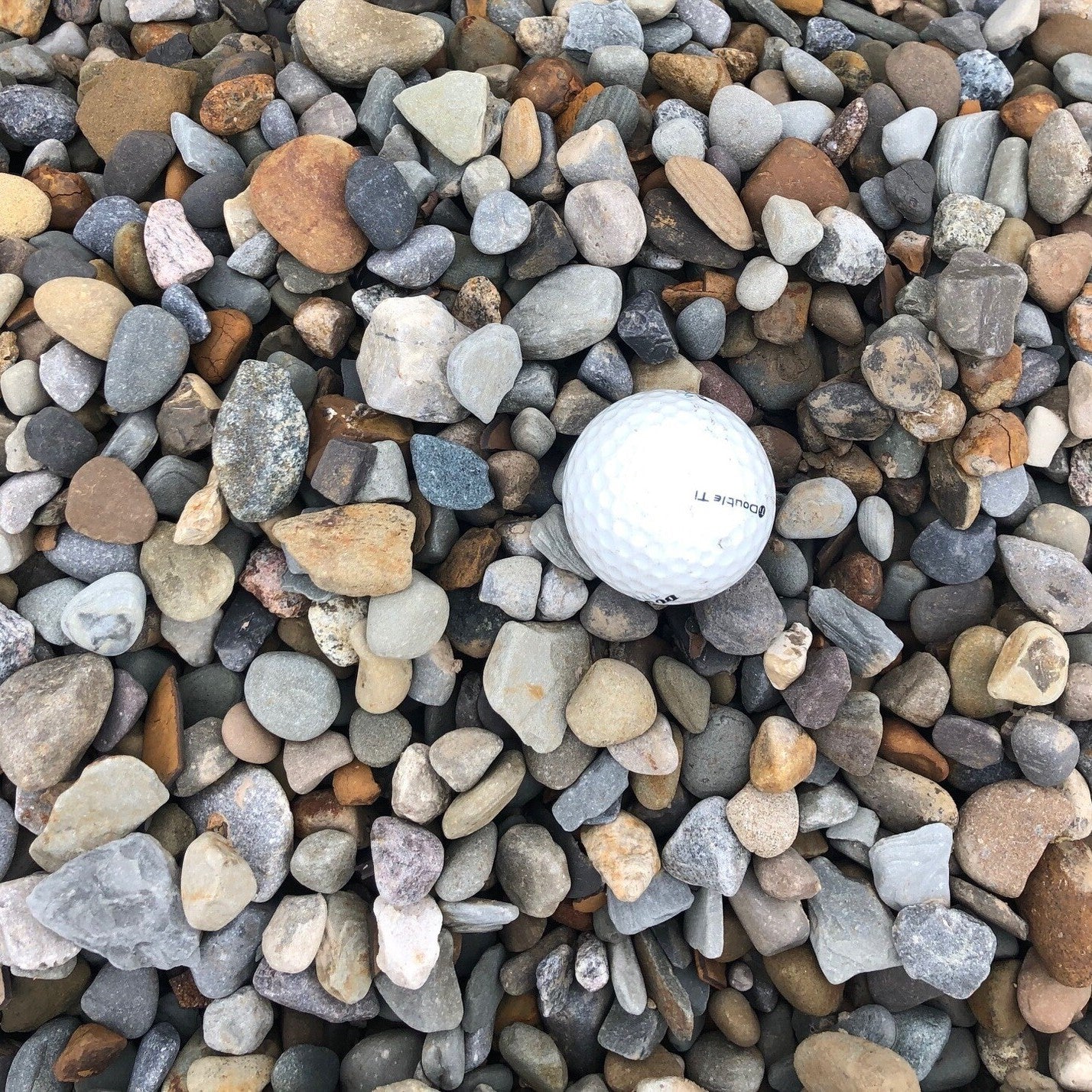
Number 57 crushed stone, angular limestone graded to about three quarters of an inch. The standard driveway, base and drainage gravel, it locks together under traffic and drains fast.
My experience with Mulch Mound was great and super easy. I ordered two yards of screened topsoil and was able to get it delivered within 2 days. They came in my requested time frame (afternoon) and dropped it off where I asked on my driveway. The topsoil was exactly what was a...
Tell us what you're looking for
Thanks! We received your request.
Something went wrong. Please try again.
How Much Material Do I Need?
A 2 to 3 inch depth of decorative stone is sufficient for most Valdosta planting beds and borders, while pathway applications benefit from a 3 to 4 inch depth to stay stable through the region's frequent and heavy rains. For erosion control on slopes, use larger-diameter rock placed at least 3 inches deep so it does not shift during the concentrated downpours that characterize Valdosta's summer storm pattern.
Use our free gravel calculator
What is a ton?
A ton is 2,000 pounds of material. As a general guideline, one ton covers roughly 100 square feet at 2 inches deep, depending on the size and density of the material.
We can't take orders for this right now. Tell us what you need and we'll get back to you.
What do you need?
Thanks! We received your request.
Something went wrong. Please try again.
Hand-picked local yards
4,000+ regional deliveries
Dedicated support
Why order through Mulch Mound
The best local stone, without the guesswork.
We hand-pick and partner with the best yards in your region, keep only the ones our buyers rate well, and back each load with our guarantee.
Mulch Mound Guarantee
If your stone isn't the quantity or quality you ordered, we'll make it right.
About this stone
Number 57 crushed stone, angular limestone graded to about three quarters of an inch. The standard driveway, base and drainage gravel, it locks together under traffic and drains fast.
My experience with Mulch Mound was great and super easy. I ordered two yards of screened topsoil and was able to get it delivered within 2 days. They came in my requested time frame (afternoon) and dropped it off where I asked on my driveway. The topsoil was exactly what was a...
How Much Material Do I Need?
A 2 to 3 inch depth of decorative stone is sufficient for most Valdosta planting beds and borders, while pathway applications benefit from a 3 to 4 inch depth to stay stable through the region's frequent and heavy rains. For erosion control on slopes, use larger-diameter rock placed at least 3 inches deep so it does not shift during the concentrated downpours that characterize Valdosta's summer storm pattern.
Use our free gravel calculator
What is a ton?
A ton is 2,000 pounds of material. As a general guideline, one ton covers roughly 100 square feet at 2 inches deep, depending on the size and density of the material.
My experience with Mulch Mound was great and super easy. I ordered two yards of screened topsoil and was able to get it delivered within 2 days. Th...
Read full review
My experience with Mulch Mound was great and super easy. I ordered two yards of screened topsoil and was able to get it delivered within 2 days. They came in my requested time frame (afternoon) and dropped it off where I asked on my driveway. The topsoil was exactly what was advertised, clean with no rocks or other debris. The price was reasonable. I plan to use them again in a couple weeks to order compost for my garden beds.
Really appreciate the care and follow thru that this company had with our order. A hiccup came up but they were quick to respond and address all co...
Read full review
Really appreciate the care and follow thru that this company had with our order. A hiccup came up but they were quick to respond and address all concerns, which made our garden day a success! Thank you for your prompt care.
For stone coverage, measure the square footage of your project area and plan for 1 cubic yard to cover approximately 100 square feet at a 3-inch depth. In Valdosta, where sandy soil tends to absorb and settle materials over time, ordering a modest extra amount gives you material to top off any low spots that appear after the first heavy rain season. Always measure your project area twice before ordering, since stone is heavier and more difficult to return than other landscape materials.
Stone Types We Deliver in Valdosta
Mulch Mound delivers bulk stone by the cubic yard straight to homes and properties across Valdosta, Georgia. Whether you are searching for pea gravel by the yard in Valdosta or planning a larger landscaping project, we make it simple to get the right material without hauling it yourself. Our bulk delivery keeps costs low and your schedule on track.
Pea Gravel
Smooth, rounded, and available in warm earth tones, pea gravel is a top choice for Valdosta homeowners looking to finish patios, garden beds, and walkways with a clean, polished look. It drains well in the region's clay-heavy soils and holds up beautifully through hot, humid Georgia summers.
Complete Your Outdoor Stone Project
Combining stone borders with quality mulch in your planting beds gives Valdosta landscapes both the drainage function of stone and the moisture-retention benefits of organic mulch, which sandy soil needs through the long, hot summer months. If your project involves grading or raising bed levels before placing stone, our bulk soil products give you the foundation material to get the grade right and the drainage working properly before the stone goes down.
In Valdosta's climate, stone installed along fence lines, building bases, and drip edges does double duty as a decorative element and a functional deterrent to pest harborage. The warm, humid conditions that make south Georgia so lush also create ideal conditions for insects and moisture-loving pests throughout most of the year. A dry, stone-covered border creates an inhospitable zone that breaks the connection between moist garden beds and structural elements, reducing pest pressure without chemicals or ongoing effort.
Mulch Mound Pro Tip
Mixing stone sizes adds visual texture and improves functionality in Valdosta landscapes. Using a larger rock as the base layer in drainage applications and a smaller, more decorative stone on top gives you a system that handles heavy rainfall from the ground up, with the large rock creating void space for water to move through and the finer surface stone giving the area a polished appearance. This layered approach is especially effective in rain garden designs and along drainage swales where water volume during Valdosta's summer storms can be significant.
Mulch Mound Pro Tip
Valdosta's 52 inches of annual rainfall means that any stone pathway or decorative area will occasionally have water sitting on its surface during intense storms. Choosing a stone with angular edges, like crushed granite or decomposed granite, rather than smooth river pebbles for walking surfaces gives better traction when the material is wet. Rounded stones get slippery when saturated, which is a real safety concern in a climate where pathways get wet as frequently as they do in south Georgia, so save the smooth river rock for purely decorative and drainage applications where foot traffic is not a factor.
The Unique Landscape of Valdosta
Stone is one of the most practical landscaping materials for Valdosta properties because it requires no watering, no fertilizing, and holds up through the long, hot growing season without breaking down the way organic materials do in Zone 9a heat and humidity. In a climate that receives 52 inches of annual rainfall, stone also plays a critical drainage role, directing water through pathways and borders rather than allowing it to concentrate and erode the sandy soil underneath. Valdosta's mild winters mean that freeze-thaw cycles, which shift and crack stone installations in colder climates, are not a significant concern here, making stone work exceptionally durable over the long term. The combination of sandy soil and heavy seasonal rains makes slope erosion a real problem on many Valdosta properties, and properly placed stone can stabilize those areas without any ongoing maintenance. Whether used for decorative purposes, low-traffic pathways, or functional drainage channels, stone adds lasting value to a Valdosta landscape that no plant-based material can fully replace.
Frequently Asked Questions
Click a question to see the answer
Answer
What type of stone works best for pathways in a Valdosta yard?
For pathways in Valdosta, a compactable gravel like crushed granite or pea gravel in the 3/8 to 1/2 inch size range provides a stable walking surface that drains well even after the heavy rainstorms common to south Georgia. Pea gravel is comfortable underfoot and stays relatively cool compared to pavers during Valdosta's intense summer months. Crushed granite packs down more firmly and stays in place better during heavy rains, making it a better choice for frequently used pathways or any area with a noticeable slope. Either option requires a compacted base and landscape fabric underneath to prevent Valdosta's sandy soil from gradually swallowing the stone over time.
Answer
Can stone actually help control erosion on the slopes in my Valdosta yard?
Stone is one of the most effective and low-maintenance erosion control tools available for Valdosta homeowners. On slopes where heavy downpours concentrate runoff, larger river rock or riprap placed along drainage paths absorbs the energy of moving water and prevents it from cutting channels through the sandy soil. For gentler slopes, a 2 to 3 inch layer of gravel or river rock spread across the surface holds the sandy soil underneath in place while allowing water to percolate through rather than sheet off. Stone erosion control is especially valuable in Valdosta because it works year-round without requiring replanting or seasonal upkeep.
Answer
Will stone get too hot to walk on barefoot during Valdosta summers?
Dark-colored stones like black or dark gray granite can get very hot under direct Valdosta sun in July and August, and walking barefoot on them at midday would be uncomfortable. Lighter-colored options like tan pea gravel, cream limestone chips, or white marble reflect more sunlight and stay noticeably cooler, which is worth considering for pool surrounds, patio areas, and pathways your family uses without shoes. In shaded areas or under tree canopies, heat absorption is much less of a factor and you have more flexibility with stone color and type.
Answer
How deep should I lay stone to use it as ground cover in my Valdosta planting beds?
For decorative stone used as ground cover in Valdosta planting beds, a depth of 2 to 3 inches is generally enough to suppress weeds and give the beds a finished look. Because Valdosta's sandy soil is loose, always install landscape fabric beneath the stone to prevent the material from sinking into the ground over time, which is a common issue in south Georgia yards after a few seasons of heavy rainfall work the stone downward. The fabric also reduces weed growth from seeds that blow in on top of the stone, cutting down on the occasional maintenance that even stone-covered beds require.
Answer
Is stone a good choice for the border area around my home's foundation in Valdosta?
Yes, a stone border along the foundation is a practical choice for Valdosta homes for several reasons. It keeps mulch and moist soil away from the base of the structure, which helps reduce moisture buildup and the pest pressure that comes with it, including termites and other insects that thrive in Valdosta's warm, humid climate year-round. A gravel border also directs rainwater away from the foundation quickly, and with 52 inches of rain per year that drainage function is genuinely important for long-term structural health. Keep a 6 to 12 inch stone band directly against the foundation and transition to mulch or plantings beyond that zone for the best combination of function and aesthetics.
Answer
What is the best way to keep my stone pathway from sinking into Valdosta's sandy soil?
The most common reason stone sinks in Valdosta yards is insufficient base preparation before installation. Sandy soil is loose and compressible, and without a compacted sub-base and a layer of landscape fabric, even heavy stone will gradually work its way down into the ground after repeated soakings from frequent heavy rains. Before laying any pathway stone, compact the native sandy soil as much as possible, lay a quality woven landscape fabric, and add a 3 to 4 inch compacted gravel base before placing the surface stone. Taking those steps at the start saves you from ripping out and redoing the pathway in just a few years.
Answer
Can I use river rock to manage the water coming out of my downspouts during Valdosta storms?
River rock is an excellent and attractive solution for managing downspout discharge in Valdosta. The large surface area of rounded river rock slows and disperses water as it exits the downspout, preventing it from concentrating and cutting a channel through the sandy soil or pooling against the foundation. A splash pad of river rock 2 to 3 feet wide under each downspout, combined with a gravel-filled drainage swale if the yard is relatively flat, handles the high-volume discharge that comes with Valdosta's intense rainstorms effectively. The rock requires no maintenance beyond occasionally raking it back into position after a particularly heavy storm event.
Answer
Is crush and run the same as crusher run?
Crush and run is a Southern term for crusher run, a mix of crushed stone and stone dust that compacts into a solid base for driveways and walkways. With Valdosta's sandy soil and heavy seasonal rainfall, our Crushed Stone #57 drains freely instead of holding water against a compacted base.
Answer
Is there a stone yard near Valdosta?
Edging a Valdosta garden bed to steer rain away from the foundation usually means hauling crushed stone home from a stone yard yourself, or ordering it online and having it dropped right where the work happens. Mulch Mound takes the second route, so no trip to a quarry is needed and the pile lands at your border.