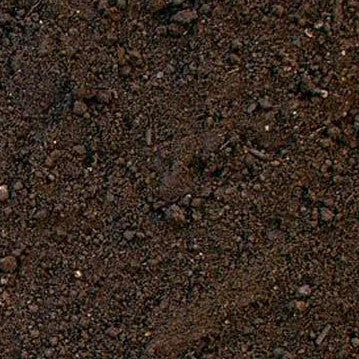
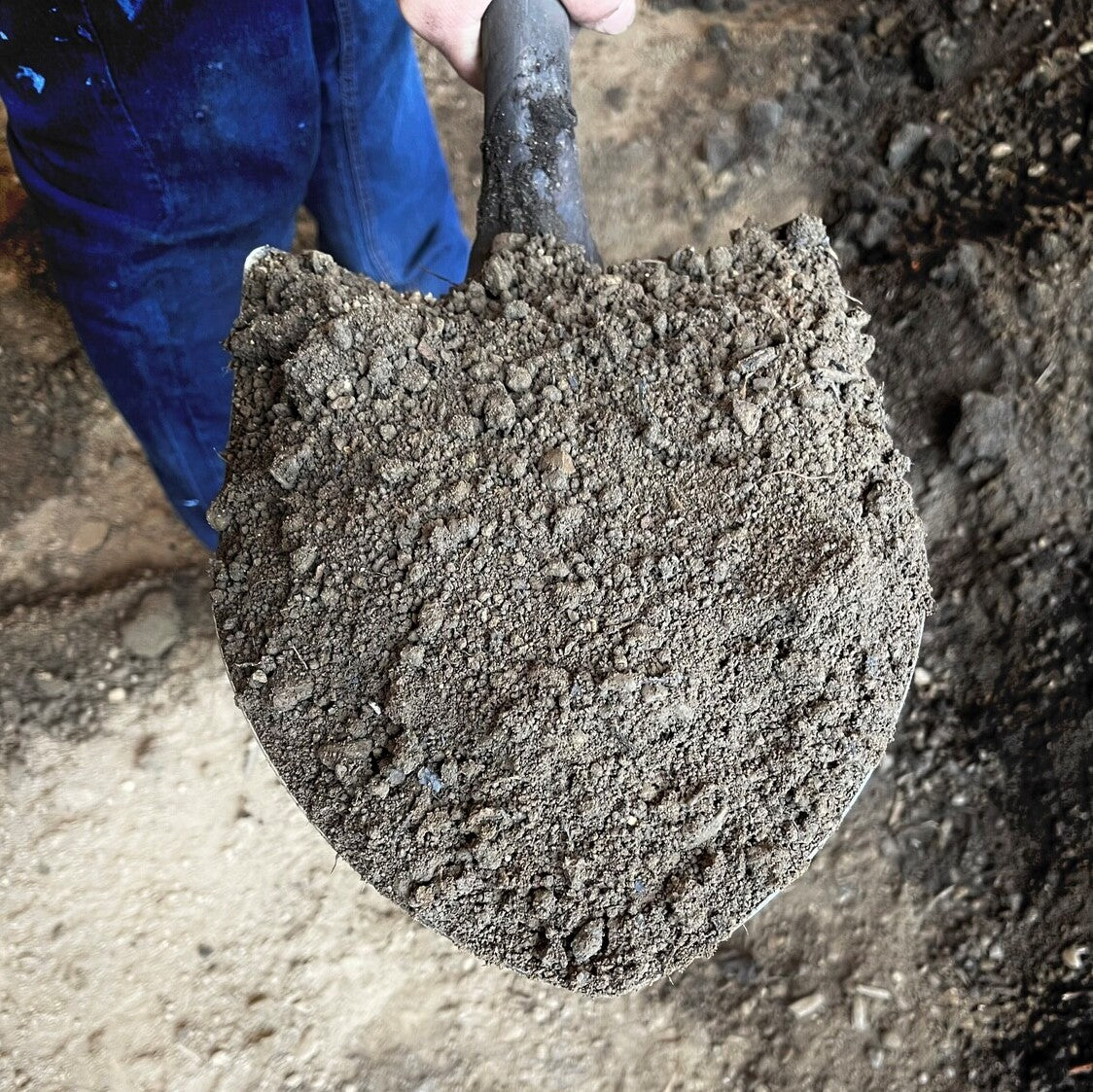
We ordered 3 yards of the garden soil, delivered mext day. We used in raised beds 6x3x2. It was more than needed for both but the soil looked good! I added some perlite to add some drainage since this is a little dense.
Tell us what you're looking for
Thanks! We received your request.
Something went wrong. Please try again.
How Much Material Do I Need?
For in-ground planting areas in Victorville, plan to work new soil into a depth of at least 8 to 12 inches to give roots access to a meaningful nutrient and moisture reservoir. Raised garden beds should be filled to a minimum of 12 inches deep, and 18 inches is even better for deeper-rooting vegetables and perennials.
Use our free soil calculator
What is a Yard?
A yard is approximately 27 cubic feet. As a general guideline, one yard of material can cover an area of about 100-160 square feet at a 2-3 inch depth.
We ordered 3 yards of the garden soil, delivered mext day. We used in raised beds 6x3x2. It was more than needed for both but the soil looked good! I added some perlite to add some drainage since this is a little dense.
How Much Material Do I Need?
For in-ground planting areas in Victorville, plan to work new soil into a depth of at least 8 to 12 inches to give roots access to a meaningful nutrient and moisture reservoir. Raised garden beds should be filled to a minimum of 12 inches deep, and 18 inches is even better for deeper-rooting vegetables and perennials.
Use our free soil calculator
What is a Yard?
A yard is approximately 27 cubic feet. As a general guideline, one yard of material can cover an area of about 100-160 square feet at a 2-3 inch depth.
We ordered 3 yards of the garden soil, delivered mext day. We used in raised beds 6x3x2. It was more than needed for both but the soil looked good!...
Read full review
We ordered 3 yards of the garden soil, delivered mext day. We used in raised beds 6x3x2. It was more than needed for both but the soil looked good! I added some perlite to add some drainage since this is a little dense.
For raised beds, measure the interior length, width, and intended depth in feet and multiply all three numbers together to get the cubic footage. Divide that number by 27 to convert to cubic yards, which is how bulk soil is sold and delivered. If you are filling multiple beds, calculate each one separately and add the totals together before placing your order.
Complete Your Outdoor Soil Project
After your soil is in place, topping your beds with a quality mulch layer is the most important next step to locking in moisture and protecting your investment through Victorville's intense summer months. Consider adding a stone border product to define your beds and keep soil from washing toward pathways during the occasional desert downpour.
My Victorville yard is basically sand and gravel. Do I need to replace the soil entirely or can I amend what I have?
Most Victorville homeowners find that a combination approach works best. For planting beds and gardens, bringing in quality topsoil or a rich amended mix and tilling it into the top 6 to 8 inches of your native sandy loam gives plants a much better environment without requiring full soil replacement. For larger areas like lawn zones or vegetable gardens, installing raised beds filled with quality bulk soil is often the more practical and cost-effective solution.
Answer
What kind of soil works best for a vegetable garden here in Victorville?
Vegetable gardens in Victorville do best in a rich, loamy soil with plenty of compost mixed in, as this type of blend holds moisture and nutrients far better than the native sandy loam. A quality garden soil or amended topsoil with organic matter content above 10 percent is ideal. Given the short growing window between the last frost on March 15 and the intense summer heat that arrives by June, a nutrient-dense soil helps vegetables establish and produce quickly.
Answer
How much topsoil do I need to raise my planting beds to a usable depth?
For in-ground planting beds in Victorville, you generally want to work quality soil into a depth of at least 8 to 12 inches for shrubs and perennials, and 12 inches or deeper for root vegetables. If you are building raised beds on top of your existing ground, a depth of 12 to 18 inches of good soil gives most vegetables and ornamentals ample room to thrive. Our calculator can help you convert your bed dimensions into the cubic yards you need to order.
Answer
Can I use bulk topsoil to fix the low spots and uneven areas in my Victorville backyard?
Yes, bulk topsoil is exactly the right product for grading and leveling low spots in a Victorville yard. Fill grades typically require 2 to 4 inches of soil spread across the low area, compacted lightly, and then finished with a final inch or two of leveling soil on top. Keep in mind that soil will settle slightly over the first few weeks, especially after watering, so ordering a little extra to account for settling is always a smart move in our dry desert climate.
Answer
Will the soil I bring in eventually just dry out and turn to dust like the rest of the Victor Valley ground?
Quality amended soil with good organic matter content resists degradation much longer than bare sandy loam, but it does require ongoing maintenance in Victorville's intense climate. Covering your soil with mulch is the best way to slow moisture loss and protect the organic content of your new soil from baking in the summer sun. Refreshing your soil annually with a top-dressing of compost also helps maintain the biological activity that keeps amended soil productive year after year.
Answer
Is it safe to start filling my raised beds with soil before the last frost date in March?
You can absolutely fill and prepare your raised beds with bulk soil before March 15, the typical last frost date in Victorville. In fact, filling beds several weeks early allows the soil to settle, warm slightly, and become easier to work before you put transplants in the ground. Just hold off on planting frost-sensitive vegetables and annuals until after that mid-March date to protect your seedlings from the cold nights that can still occur at Victorville's elevation.
Answer
What is the difference between topsoil and garden soil and which one should I order for my Victorville project?
Topsoil is a natural mineral soil with moderate organic content, best suited for grading, filling, and general landscape use. Garden soil or amended soil is a blended product with higher organic matter, compost, and sometimes perlite or other amendments designed specifically for plant growth. In Victorville, where native soil lacks organic matter and drains very quickly, amended garden soil is generally the better choice for vegetable beds and planting areas, while topsoil is the right call for grading, leveling, or building sub-grade layers under turf.
Mulch Mound Pro Tip
Blend your new bulk soil into the top 6 to 8 inches of your existing Victorville sandy loam rather than simply layering it on top. When two different soil textures sit on top of each other without integration, water tends to pool at the boundary layer instead of moving evenly through the profile. Taking the time to till or hand-mix the new material into the existing ground creates a more uniform growing environment that your plant roots can navigate freely.
Mulch Mound Pro Tip
In Victorville's high desert climate, soil biological activity slows dramatically in winter and spikes in spring. The ideal time to amend or install new soil is in late February to early March, just ahead of the last frost date. Installing fresh soil at this point allows it to settle and warm before you transplant seedlings, which means the microbial life in your new soil is already active and ready to feed your plants when they go in the ground.
Mulch Mound Pro Tip
Do not overlook drainage when placing soil in a Victorville yard. While the native sandy loam drains very quickly, amended soil that sits in a low spot or against a raised structure can collect the runoff from rare but intense desert rain events. Make sure any filled area slopes gently away from structures and that raised beds have drainage holes or a gravel layer at the base to prevent root rot during the unusual heavy rain events that occasionally hit the Victor Valley.
The Unique Landscape of Victorville
Victorville's native soil is a sandy loam that drains rapidly, which makes it well suited for drought-tolerant desert plants but challenging for vegetable gardens, turf areas, or any landscape that requires consistent moisture retention. At an elevation of nearly 2,959 feet with only about 5 inches of rain per year, that native sandy loam simply cannot hold the water and nutrients most ornamental plants need to thrive. Bringing in quality amended soil or topsoil gives homeowners the ability to build raised beds, level uneven areas, and create planting zones with far better growing characteristics than raw Victor Valley ground. The high desert growing season is also compressed by a relatively late last frost of March 15 and a first frost arriving as early as November 6, so giving plants a nutrient-rich soil foundation gets them established faster during that narrower window. Strong seasonal winds in the Victor Valley can also erode unprotected soil, so stabilizing planting areas with quality bulk soil is a practical investment as much as a horticultural one.