





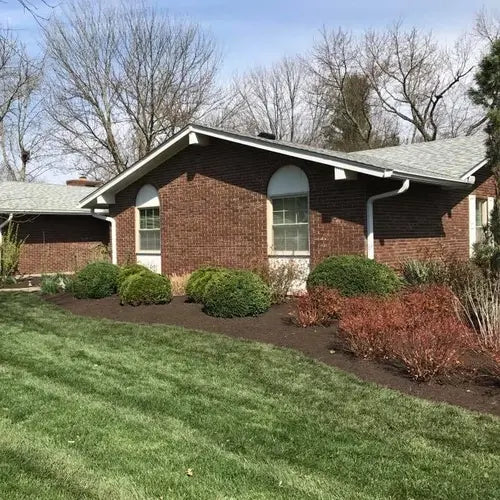

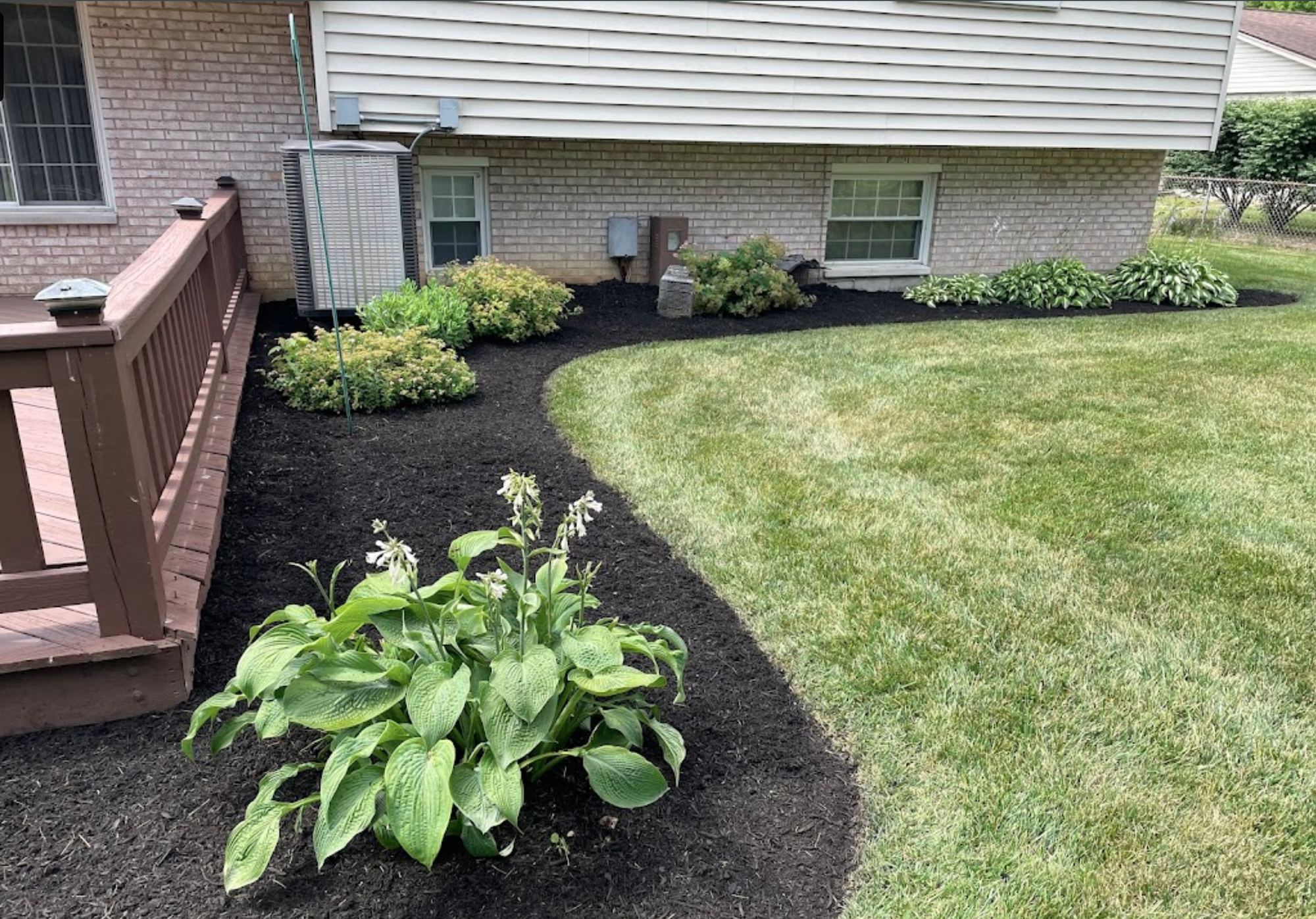
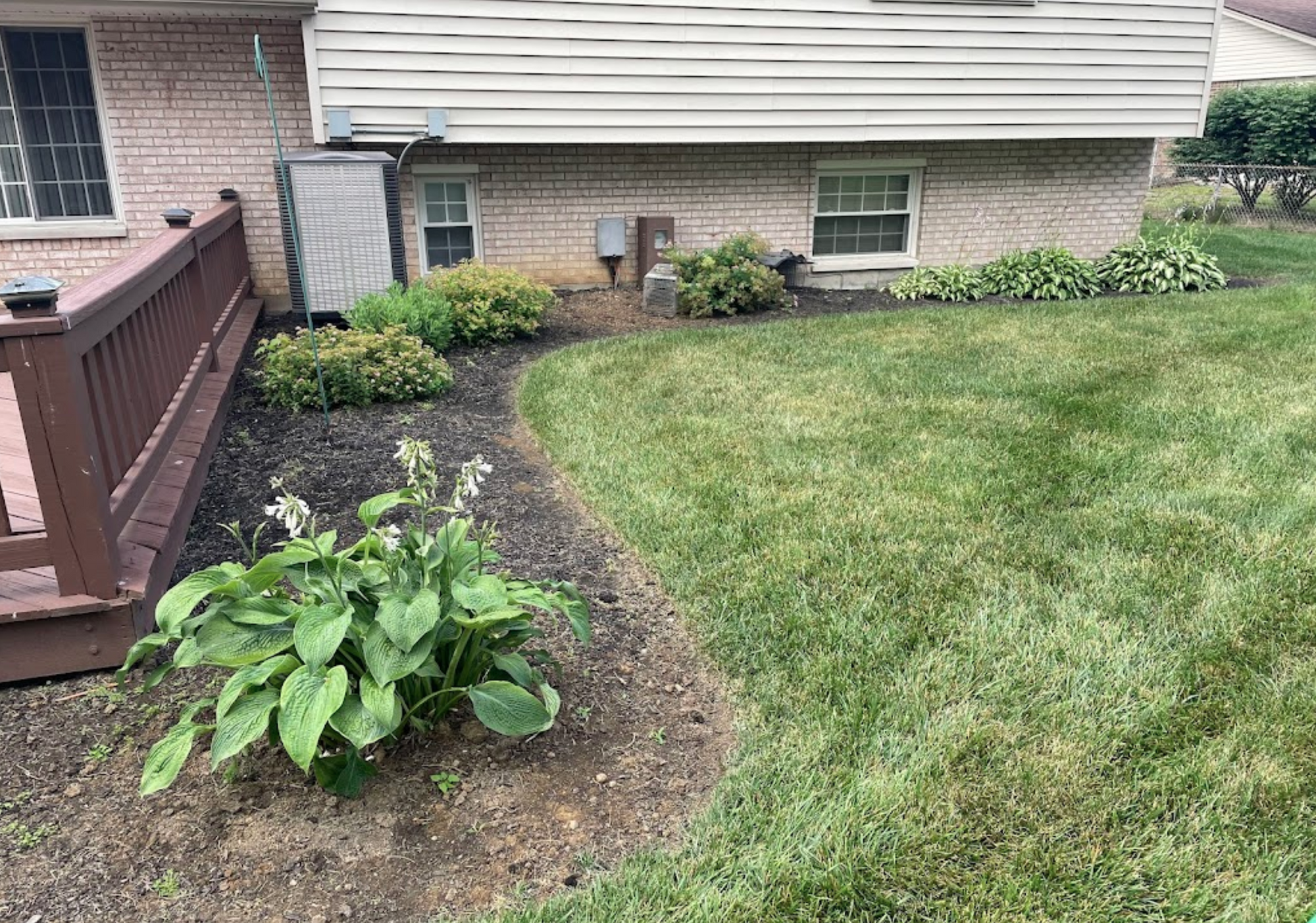
Our delivery was delayed but the new brown color mulch is a nice upgrade to our landscaping.
About this mulch
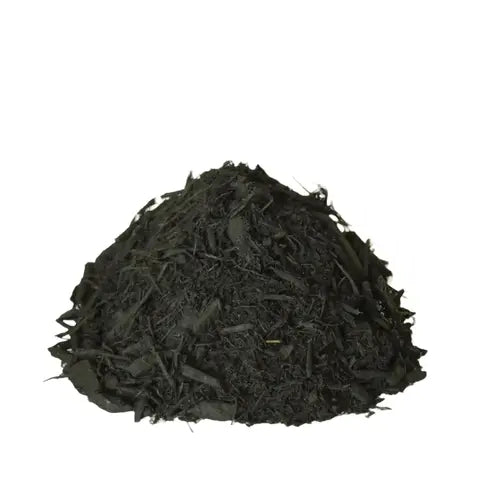
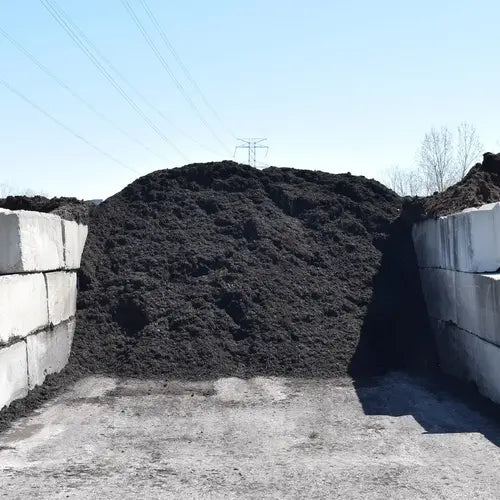
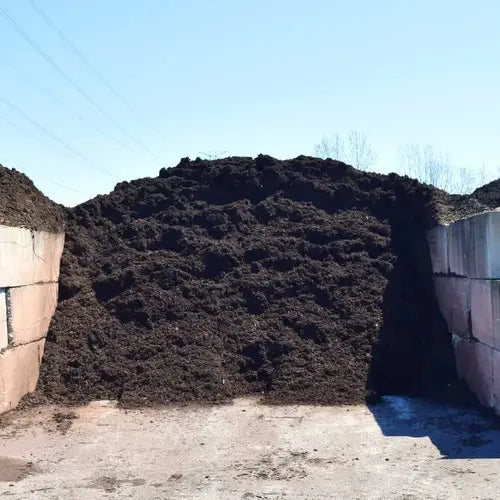
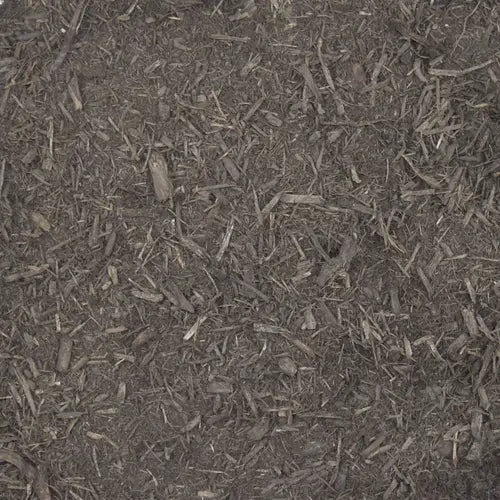
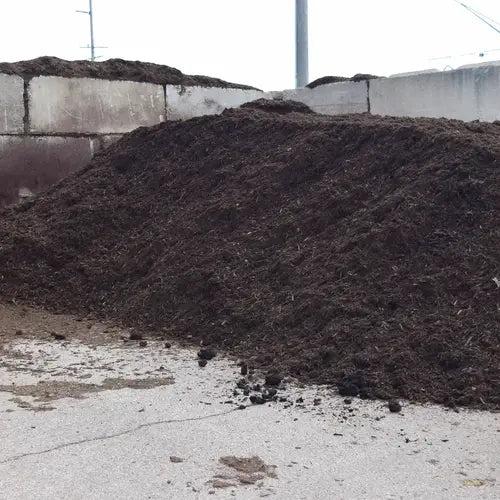
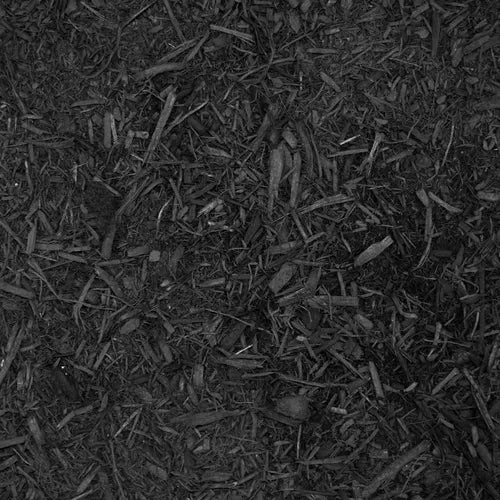
Ultra fine triple shredded mulch in deep black. The extra processing creates a velvety texture that settles perfectly flat for a manicured, high end finish.
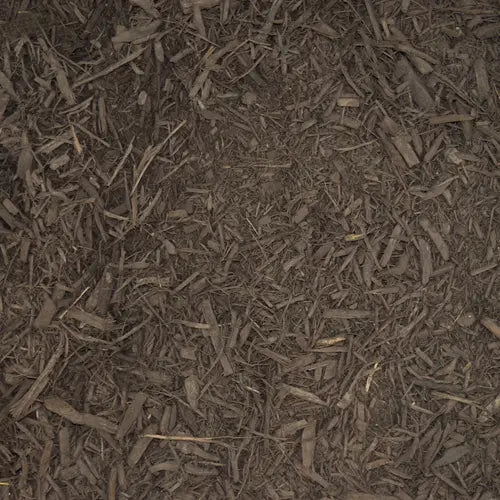
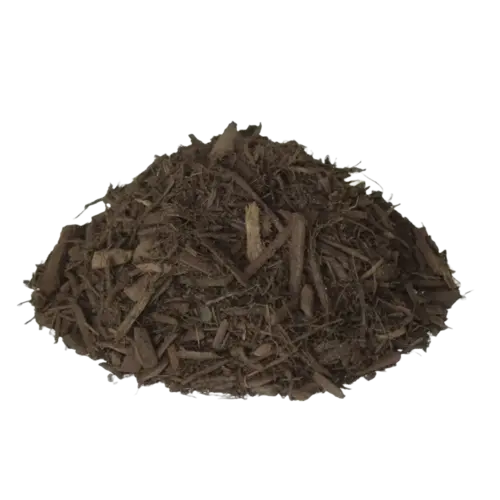
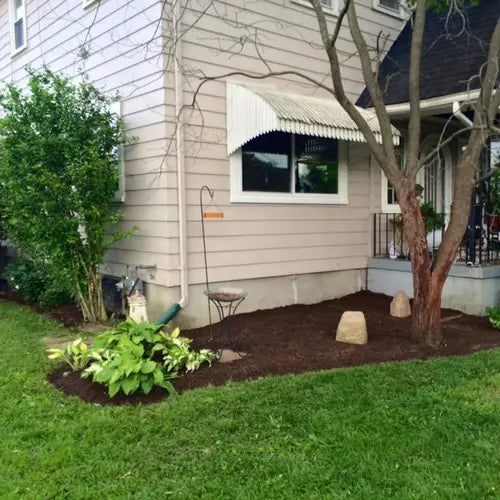
Our delivery was delayed but the new brown color mulch is a nice upgrade to our landscaping.
Tell us what you're looking for
Thanks! We received your request.
Something went wrong. Please try again.
How Much Material Do I Need?
How Much Material Do I Need?
For Vineland's sandy loam, 3 inches of mulch is the minimum effective depth for meaningful moisture retention and weed suppression. Beds near south-facing walls or driveways may benefit from a full 4 inches since those areas dry even faster during the long Zone 7b growing season.
Use our free mulch calculator
What is a yard?
What is a yard?
FAQs
FAQs
Vineland Mulch Delivery
Vineland Mulch Delivery
Regular price
$36.00
per
yards
Regular price
Sale price
$36.00
Unit price
per
Shipping calculated at checkout.
Minimum of 3 yards
Couldn't load pickup availability
Not currently available
We can't take orders for this right now. Tell us what you need and we'll get back to you.
Hand-picked local yards
4,000+ regional deliveries
Dedicated support
Why order through Mulch Mound
The best local mulch, without the guesswork.
We hand-pick and partner with the best yards in your region, keep only the ones our buyers rate well, and back each load with our guarantee.
Mulch Mound Guarantee
If your mulch isn't the quantity or quality you ordered, we'll make it right.
About this mulch
Ultra fine triple shredded mulch in deep black. The extra processing creates a velvety texture that settles perfectly flat for a manicured, high end finish.
Our delivery was delayed but the new brown color mulch is a nice upgrade to our landscaping.
How Much Material Do I Need?
How Much Material Do I Need?
For Vineland's sandy loam, 3 inches of mulch is the minimum effective depth for meaningful moisture retention and weed suppression. Beds near south-facing walls or driveways may benefit from a full 4 inches since those areas dry even faster during the long Zone 7b growing season.
Use our free mulch calculator
What is a yard?
What is a yard?
FAQs
FAQs
Tell us what you're looking for
Thanks! We received your request.
Something went wrong. Please try again.
How It Works
Getting started is easy — just follow these simple steps
1
Choose your Mulch
Make sure you adjust the quantity to your home's needs. You can use our calculator to estimate how much you'll need.
2
Select your delivery date
Select a delivery date you'd like for the product to be dropped off at your home
3
Sit back and wait
Sit back, wait, and let us work our magic to make sure the highest quality product is delivered to your driveway.

Mulch Mound made it so easy! So happy with the pricing, turn around time, delivery and product. I submitted my online order on a Thursday. The mu...
Read full review
Mulch Mound made it so easy! So happy with the pricing, turn around time, delivery and product. I submitted my online order on a Thursday. The mulch was delivered to the designated location by a local landscape company at 8:30 a.m. the following Saturday morning. We had the job completed by that afternoon. We chose the natural brown mulch, and the plant beds are beautiful.

Good quality, great price, fast delivery. All online - no submitting forms and waiting for days for quotes.
Getting mulch should be this easy fr...
Read full review
Good quality, great price, fast delivery. All online - no submitting forms and waiting for days for quotes.
Getting mulch should be this easy from everyone. Only Mulch Mound is ACTUALLY this simple.
Calculate mulch for your Vineland project
For Vineland's Sandy Loam type of soil, we recommend 2-3 inches for best weed suppression and moisture retention
Try Our CalculatorTo estimate your mulch order for Vineland beds, measure each bed's length and width in feet and multiply to get square footage. Divide that total by 100 for cubic yards at a 3-inch depth, which is the right target for sandy loam that dries out quickly. It helps to sketch a simple layout of your yard since Vineland properties often have curved island beds that are easy to underestimate.

Best Mulch Choice for Vineland Lawns
Most yards in the Vineland area sit on Sandy Loam type of soil. Vineland's sandy loam drains quickly and holds very little organic matter on its own, which means plant beds can struggle with drought stress and nutrient deficiency during the summer months. Choosing the right mulch helps bridge that gap by protecting the soil surface while organic material slowly works its way into the profile below.
Hardwood Mulch
Hardwood mulch is especially well suited to Vineland's sandy loam because as it decomposes it releases humus that binds to sand particles, gradually improving the soil's ability to hold moisture and nutrients. Over two to three seasons of consistent hardwood mulching, homeowners often notice their beds require less frequent watering and support healthier root development in plants that previously struggled in the thin, quick-draining soil.
Mulch Types We Deliver in Vineland
Mulch Mound handles bulk mulch delivery in Vineland by the cubic yard, bringing fresh material straight to your property for beds, borders, and open landscape areas. South Jersey's warm summers and sandy loam soils reward a consistent mulch layer, and ordering in bulk means you get the exact volume you need without wasted bags.
Dyed Black Mulch
Available in triple shredded or double shredded, dyed black mulch creates a sharp contrast against green lawns and mixed plantings common to Vineland yards. It holds its bold color through South Jersey's warm summers and suits homeowners who want a clean, finished look along beds and borders.
Dyed Brown Mulch
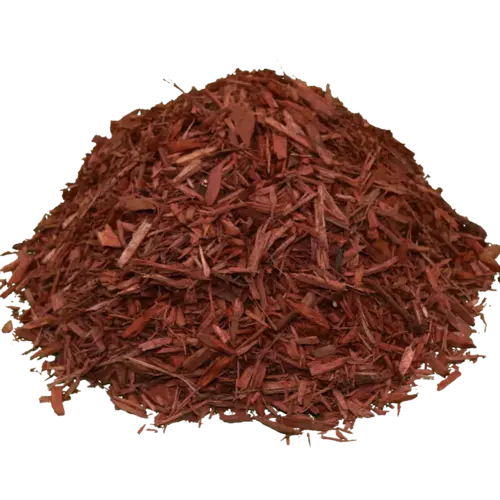
Dyed brown mulch comes in triple shredded or double shredded styles, giving you a finer or chunkier texture depending on your project. The rich brown tone blends well with South Jersey's natural landscape palette and suits both cottage gardens and more formal beds around Vineland homes.
Natural Brown Mulch
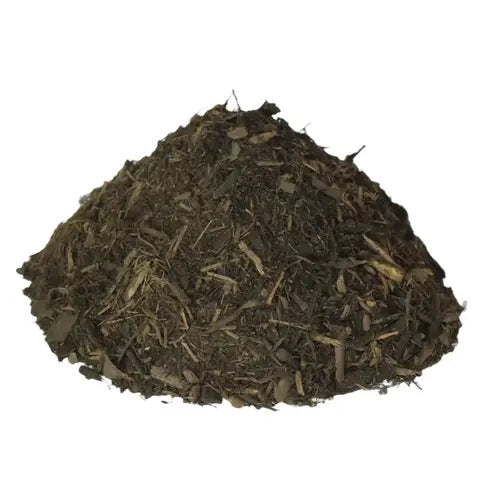
Natural brown hardwood mulch is available in triple shredded or double shredded, with a clean, earthy look that works in any setting. It slowly breaks down to improve Vineland's sandy soil and holds reliably through heavy rain on sloped or wide landscape areas.
Dyed Red Mulch
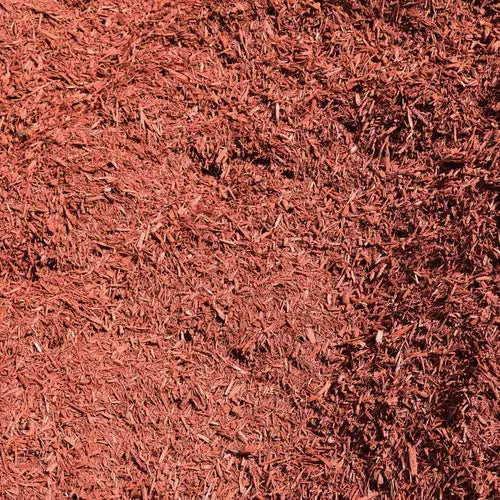
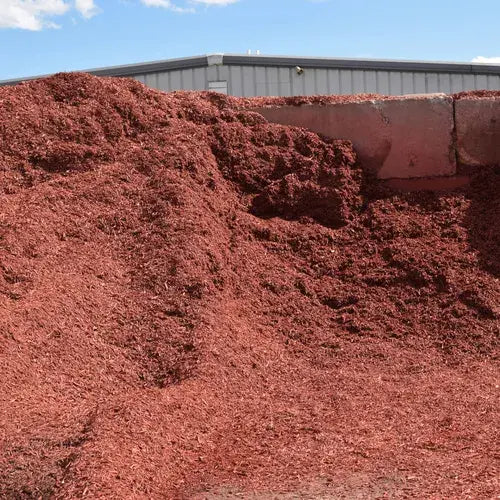
Available in triple shredded, dyed red mulch adds a warm, eye-catching tone that pairs well with brick and stone borders common on older Vineland properties. The fine texture locks together to resist washout and keeps its vibrant color through the growing season.
Complete Your Outdoor Mulch Project
If your beds need more than mulch, our bulk topsoil is a great companion product to amend sandy loam before you plant, and our decorative stone works well for edging borders that keep mulch contained through Vineland's heavier rain events. Pairing these materials on a single delivery saves time and gets your landscape project finished in one visit.


Service area
Areas we deliver mulch in Vineland, New Jersey
- Ashland, Jersey
- Atco, Jersey
- Audubon, Jersey
- Bargaintown, Jersey
- Barrington, Jersey
- Bellmawr, Jersey
- Berlin, Jersey
- Cape May Court House, Jersey
- Clayton, Jersey
- Clementon, Jersey
- Glassboro, Jersey
- Haddon Heights, Jersey
- Hammonton, Jersey
- Lindenwold, Jersey
- Margate City, Jersey
- Mays Landing, Jersey
- McKee City, Jersey
- Millville, Jersey
- Northfield, Jersey
- Ocean City, Jersey
- Paulsboro, Jersey
- Pine Hill, Jersey
- Pitman, Jersey
- Pleasantville, Jersey
- Runnemede, Jersey
- Salem, Jersey
- Sicklerville, Jersey
- Silver Lake, Jersey
- Somerdale, Jersey
- Somers Point, Jersey
- Stratford, Jersey
- Ventnor City, Jersey
- Williamstown, Jersey
- Woodbury, Jersey
Mulch Mound Pro Tip
Vineland's sandy loam warms up very early in spring, which encourages weed seeds to germinate weeks before many homeowners think to mulch. Try to get your beds covered by April 10, just ahead of the April 15 last frost date, so you block that first wave of germination while also protecting any tender new perennial growth from a late cold snap. Early mulching pays dividends all season long in faster-draining soils like this.
Mulch Mound Pro Tip
Pull existing weeds and rake beds smooth before your mulch delivery arrives. Sandy loam is easy to work when slightly moist, so a light watering the evening before you spread makes the job faster. Avoid piling mulch directly against plant stems or tree trunks since the warm, humid Vineland summers create conditions where stem rot can develop quickly under thick organic material pressed against wood.
Mulch Mound Pro Tip
Vineland receives about 45 inches of rain per year, which sounds like plenty but it moves through sandy loam very quickly. A 3-inch mulch layer acts like a sponge buffer, slowing runoff and giving water time to penetrate rather than sheet off bare soil. Homeowners who mulch consistently report needing to supplement watering far less often through the dry stretches that frequently hit southern New Jersey in July and August.
The Unique Landscape of Vineland
Vineland's sandy loam soil drains quickly and loses moisture fast during the hot, humid summers that define Zone 7b growing conditions. Without a protective mulch layer, plant beds can dry out between rain events even when the area receives close to 45 inches of rainfall annually. The long growing season stretching from last frost around April 15 through first frost near November 10 means beds are exposed to UV and heat stress for many months. Mulch slows evaporation, moderates soil temperature swings, and keeps weeds from exploiting the loose, easy-to-germinate sandy surface. Over time, organic mulch breaks down and adds organic matter that sandy loam soils desperately lack. Consistent mulching is one of the most cost-effective ways to improve both plant health and curb appeal in Vineland landscapes.