


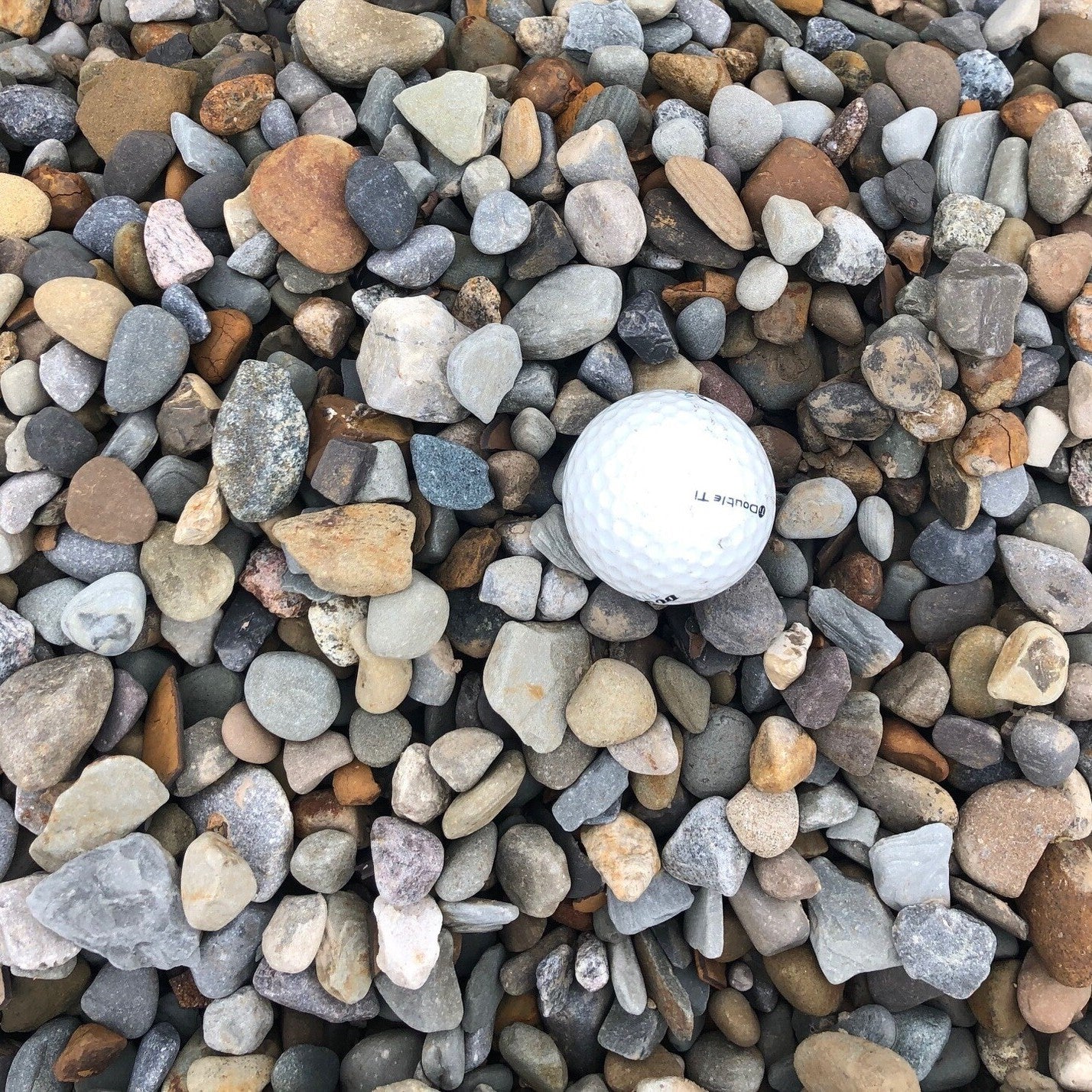

The driver nailed it on putting the gravel I ordered in front of my trailer and between the sidewalk. Very satisfied with how my flowerbeds look now.
About this stone
Number 57 crushed stone, angular limestone graded to about three quarters of an inch. The standard driveway, base and drainage gravel, it locks together under traffic and drains fast.
The driver nailed it on putting the gravel I ordered in front of my trailer and between the sidewalk. Very satisfied with how my flowerbeds look now.
Tell us what you're looking for
Thanks! We received your request.
Something went wrong. Please try again.
How Much Material Do I Need?
How Much Material Do I Need?
A 2 to 3 inch depth is standard for most decorative stone applications in Vineland, which provides good coverage and suppresses weeds effectively over sandy loam. For drainage swales and erosion control on problem slopes, increase the depth to 4 to 6 inches so the stone layer is thick enough to resist displacement during the heavier rain events Vineland sees each spring.
Use our free gravel calculator
What is a yard?
What is a yard?
FAQs
FAQs
Vineland Gravel Delivery
Vineland Gravel Delivery
Regular price
$133.00
per
yard
Regular price
Sale price
$133.00
Unit price
per
Shipping calculated at checkout.
Minimum of 3 yard
Couldn't load pickup availability
Not currently available
We can't take orders for this right now. Tell us what you need and we'll get back to you.
Hand-picked local yards
4,000+ regional deliveries
Dedicated support
Why order through Mulch Mound
The best local stone, without the guesswork.
We hand-pick and partner with the best yards in your region, keep only the ones our buyers rate well, and back each load with our guarantee.
Mulch Mound Guarantee
If your stone isn't the quantity or quality you ordered, we'll make it right.
About this stone
Number 57 crushed stone, angular limestone graded to about three quarters of an inch. The standard driveway, base and drainage gravel, it locks together under traffic and drains fast.
The driver nailed it on putting the gravel I ordered in front of my trailer and between the sidewalk. Very satisfied with how my flowerbeds look now.
How Much Material Do I Need?
How Much Material Do I Need?
A 2 to 3 inch depth is standard for most decorative stone applications in Vineland, which provides good coverage and suppresses weeds effectively over sandy loam. For drainage swales and erosion control on problem slopes, increase the depth to 4 to 6 inches so the stone layer is thick enough to resist displacement during the heavier rain events Vineland sees each spring.
Use our free gravel calculator
What is a yard?
What is a yard?
FAQs
FAQs
Tell us what you're looking for
Thanks! We received your request.
Something went wrong. Please try again.
How It Works
Getting started is easy — just follow these simple steps
1
Choose your stone
Make sure you adjust the quantity to your home's needs. You can use our calculator to estimate how much you'll need.
2
Select your delivery date
Select a delivery date you'd like for the product to be dropped off at your home
3
Sit back and wait
Sit back, wait, and let us work our magic to make sure the highest quality product is delivered to your driveway.

Placing an order online was so easy. Delivery was on time. When the driver realized we had a newly poured driveway they erred on the side of cautio...
Read full review
Placing an order online was so easy. Delivery was on time. When the driver realized we had a newly poured driveway they erred on the side of caution and opted not ti drive in it. The company even sent me a message explaining that call. Would recommend!

Online ordering was really simple and I liked the transparent pricing.
Need Help Calculating How Much Gravel You Need?
Use our NEW Trace from Satellite tool to get an estimate for your project based on an aerial view of your property
Try Our CalculatorFor stone projects in Vineland, measure the length and width of your area in feet and multiply for square footage. A 3-inch depth is standard for pathways and decorative beds, and you can get your cubic yard estimate by dividing the square footage by 108. Because stone is heavier than mulch or soil, having an accurate estimate before you order helps ensure the delivery drop area can handle the load without issue.
Stone Types We Deliver in Vineland
Mulch Mound brings bulk stone delivery straight to Vineland homeowners and landscapers who need quality material without the hassle of hauling it themselves. Whether you are searching for bulk gravel by the yard in Vineland or planning a larger hardscape project, we make ordering simple and delivery fast. Our stone is sold by the cubic yard and dropped right where you need it on your property.
Pea Gravel
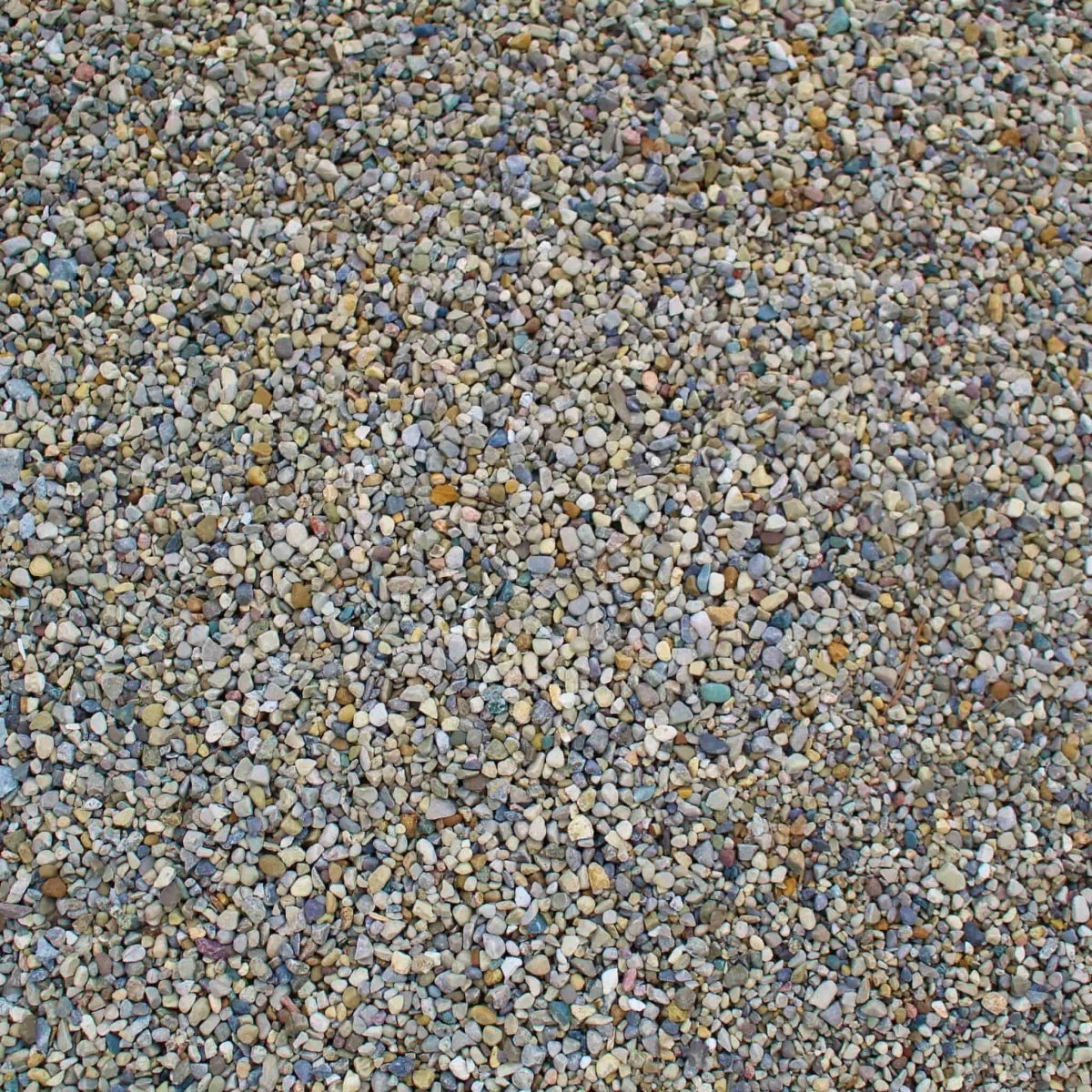
Smooth, rounded, and available in warm earth tones, pea gravel is one of the most popular choices for South Jersey properties. It lays beautifully along garden beds and walkways, drains well through the sandy loam soils common in this part of New Jersey, and stays cool underfoot during warm mid-Atlantic summers.
Complete Your Outdoor Stone Project
Stone borders pair beautifully with bulk mulch in the interior of planting beds, creating a clean edge that keeps mulch contained during Vineland's rain events while the stone itself stays firmly in place. If your project also involves regrading or filling low areas, our topsoil delivery can handle the grade work before you lay stone so you have a stable, level base to start from.



Service area
Areas we deliver stone and gravel in Vineland, New Jersey
- Ashland, Jersey
- Atco, Jersey
- Audubon, Jersey
- Bargaintown, Jersey
- Barrington, Jersey
- Bellmawr, Jersey
- Berlin, Jersey
- Cape May Court House, Jersey
- Clayton, Jersey
- Clementon, Jersey
- Glassboro, Jersey
- Haddon Heights, Jersey
- Hammonton, Jersey
- Lindenwold, Jersey
- Margate City, Jersey
- Mays Landing, Jersey
- McKee City, Jersey
- Millville, Jersey
- Northfield, Jersey
- Ocean City, Jersey
- Paulsboro, Jersey
- Pine Hill, Jersey
- Pitman, Jersey
- Pleasantville, Jersey
- Runnemede, Jersey
- Salem, Jersey
- Sicklerville, Jersey
- Silver Lake, Jersey
- Somerdale, Jersey
- Somers Point, Jersey
- Stratford, Jersey
- Ventnor City, Jersey
- Williamstown, Jersey
- Woodbury, Jersey
Mulch Mound Pro Tip
Before spreading stone in any Vineland planting area, take time to pull weeds down to the root rather than just cutting them at the surface. Sandy loam is loose enough that weed roots pull out easily when the soil is slightly moist, and removing them before the stone goes down prevents regrowth through the material later. Weeds that establish under stone in sandy loam are much harder to address without disturbing the entire surface.
Mulch Mound Pro Tip
For walkways and pathways, edge restraints on both sides of the stone are worth the extra step in Vineland. Sandy loam does not hold a clean edge on its own, so stone tends to migrate into adjacent lawn or garden areas over time, especially along curved paths. Plastic bender board or steel edging stakes hold the stone in a defined channel and make the pathway look intentional and well maintained through the full growing season.
Mulch Mound Pro Tip
Consider the direction of natural water flow across your Vineland property before placing decorative stone. With 45 inches of annual rainfall, even a gentle slope will direct a meaningful volume of water across stone surfaces, and if that flow leads toward a house foundation or a neighbor's property line, you may be redirecting a problem rather than solving one. Placing stone in concert with the natural drainage pattern, or using it specifically in swales and low points, is the most effective approach for long-term results.
The Unique Landscape of Vineland
Stone is one of the most practical and long-lasting landscape materials for Vineland properties because it solves multiple problems that the local sandy loam environment creates. Sandy soils erode easily along slopes, drainage channels, and bed edges during the heavier rain events that contribute to Vineland's 45 inches of annual rainfall. Gravel and decorative stone hold their position and redirect water flow without washing away the way bare soil does. Stone also eliminates the need for mulch or soil in high-traffic paths and utility areas where organic material would break down or scatter quickly. In Vineland's Zone 7b climate, stone pathways and borders require almost no seasonal maintenance since there is no decomposition cycle to manage or spring refresh to schedule. From foundation plantings to dry creek beds to low-maintenance side yards, stone delivers a permanent solution that looks clean and intentional through the entire growing season.