




Ordered Dirt. Received Dirt. Would Buy Again.
About this soil
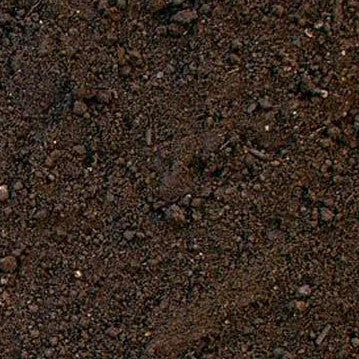
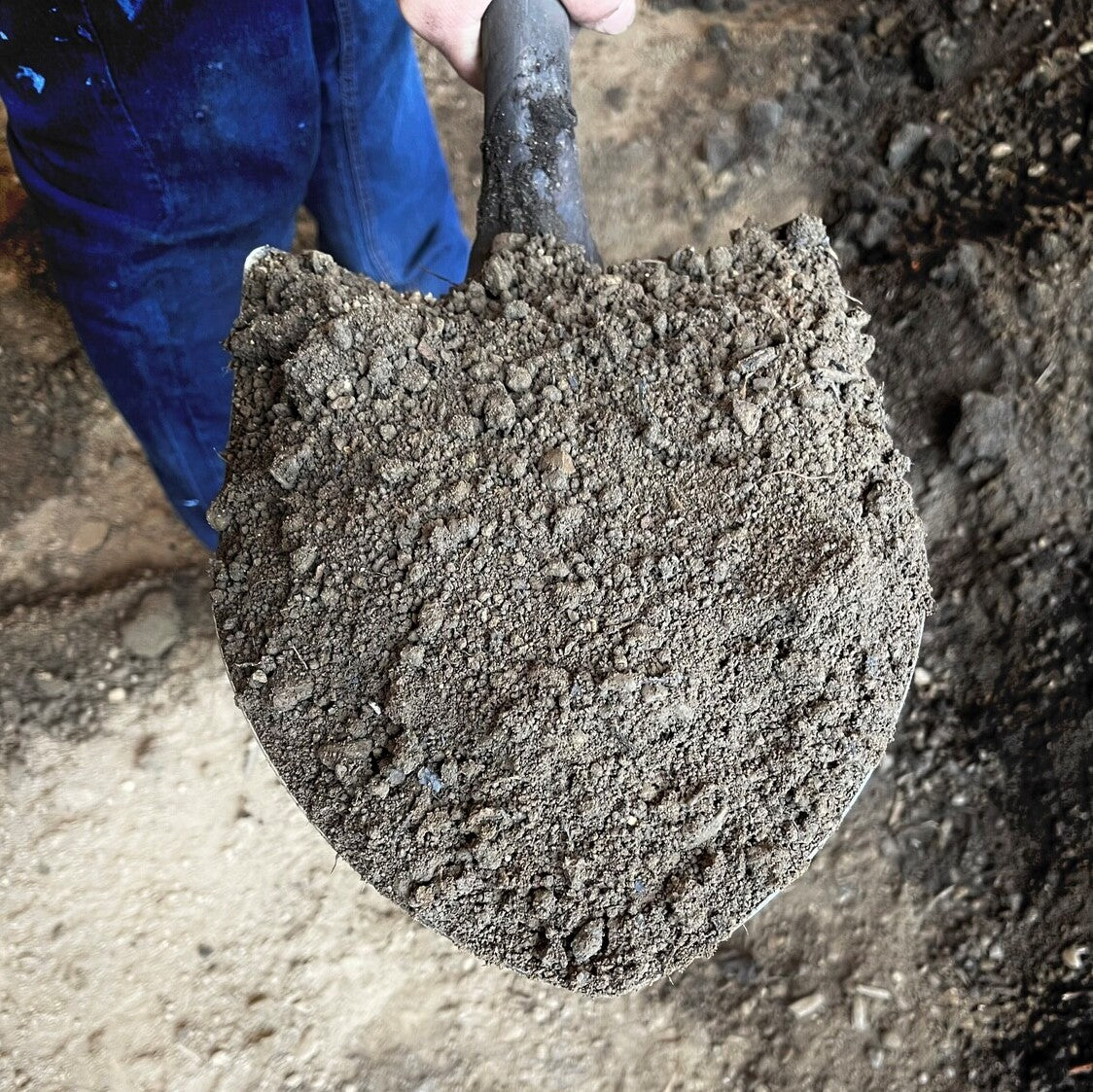
Quality topsoil for lawns, gardens, and landscape projects. Nutrient rich and ready to support strong root development and healthy plant establishment.
Ordered Dirt. Received Dirt. Would Buy Again.
Tell us what you're looking for
Thanks! We received your request.
Something went wrong. Please try again.
How Much Material Do I Need?
How Much Material Do I Need?
Vineland's sandy loam base means most planting projects benefit from a minimum of 4 inches of fresh topsoil to give roots a workable growing medium above the native soil. Raised beds and vegetable gardens perform best with 8 to 12 inches of quality soil so roots never have to push down into the low-nutrient sandy layer below.
Use our free soil calculator
What is a yard?
What is a yard?
What is a yards?
What is a yards?
FAQs
FAQs
Vineland Soil Delivery
Vineland Soil Delivery
Regular price
$74.00
per
yard
Regular price
Sale price
$74.00
Unit price
per
Shipping calculated at checkout.
Minimum of 3 yard
Couldn't load pickup availability
Not currently available
We can't take orders for this right now. Tell us what you need and we'll get back to you.
Hand-picked local yards
4,000+ regional deliveries
Dedicated support
Why order through Mulch Mound
The best local soil, without the guesswork.
We hand-pick and partner with the best yards in your region, keep only the ones our buyers rate well, and back each load with our guarantee.
Mulch Mound Guarantee
If your soil isn't the quantity or quality you ordered, we'll make it right.
About this soil
Quality topsoil for lawns, gardens, and landscape projects. Nutrient rich and ready to support strong root development and healthy plant establishment.
Ordered Dirt. Received Dirt. Would Buy Again.
How Much Material Do I Need?
How Much Material Do I Need?
Vineland's sandy loam base means most planting projects benefit from a minimum of 4 inches of fresh topsoil to give roots a workable growing medium above the native soil. Raised beds and vegetable gardens perform best with 8 to 12 inches of quality soil so roots never have to push down into the low-nutrient sandy layer below.
Use our free soil calculator
What is a yard?
What is a yard?
What is a yards?
What is a yards?
FAQs
FAQs
Tell us what you're looking for
Thanks! We received your request.
Something went wrong. Please try again.
How It Works
Getting started is easy — just follow these simple steps
1
Choose your soil
Make sure you adjust the quantity to your home's needs. You can use our calculator to estimate how much you'll need.
2
Select your delivery date
Select a delivery date you'd like for the product to be dropped off at your home
3
Sit back and wait
Sit back, wait, and let us work our magic to make sure the highest quality product is delivered to your driveway.


Placing an order online was so easy. Delivery was on time. When the driver realized we had a newly poured driveway they erred on the side of cautio...
Read full review
Placing an order online was so easy. Delivery was on time. When the driver realized we had a newly poured driveway they erred on the side of caution and opted not ti drive in it. The company even sent me a message explaining that call. Would recommend!
Need Help Calculating How Much Soil You Need?
Use our NEW Trace from Satellite tool to get an estimate for your project based on an aerial view of your property
Try Our CalculatorMeasure the length and width of your project area in feet and multiply for square footage. Then decide on your target depth, as 4 inches is common for lawn work and 6 inches is better for new garden beds in Vineland's sandy loam. Divide square footage by 81 for a 4-inch depth or by 54 for a 6-inch depth to get your cubic yard estimate.
Soil Types We Deliver in Vineland
Mulch Mound delivers bulk topsoil by the yard in Vineland, making it easy to tackle lawns, gardens, and grading projects without hauling bags from a store. South Jersey's sandy native soils often call for quality amendments and good topsoil to build strong root zones and productive planting beds. We load and deliver whatever quantity you need, straight to your driveway.
Screened Top Soil
Our screened topsoil is nutrient-rich and ready to support strong root development across new lawns, raised beds, and landscape plantings. The screening process removes debris and clumps, giving you a fine, workable texture that blends easily into the region's native soil and levels without much effort.
Fill Dirt
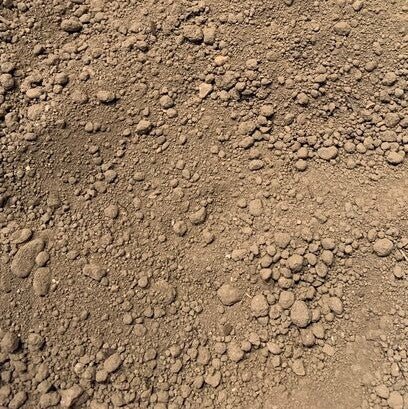
Unscreened and cost-effective, fill dirt is the practical choice for grading low spots, building up grades, and rough leveling around foundations or driveways. It works well as a base layer beneath topsoil or mulch and is a reliable material for larger earthwork projects across Vineland properties.
Garden Compost
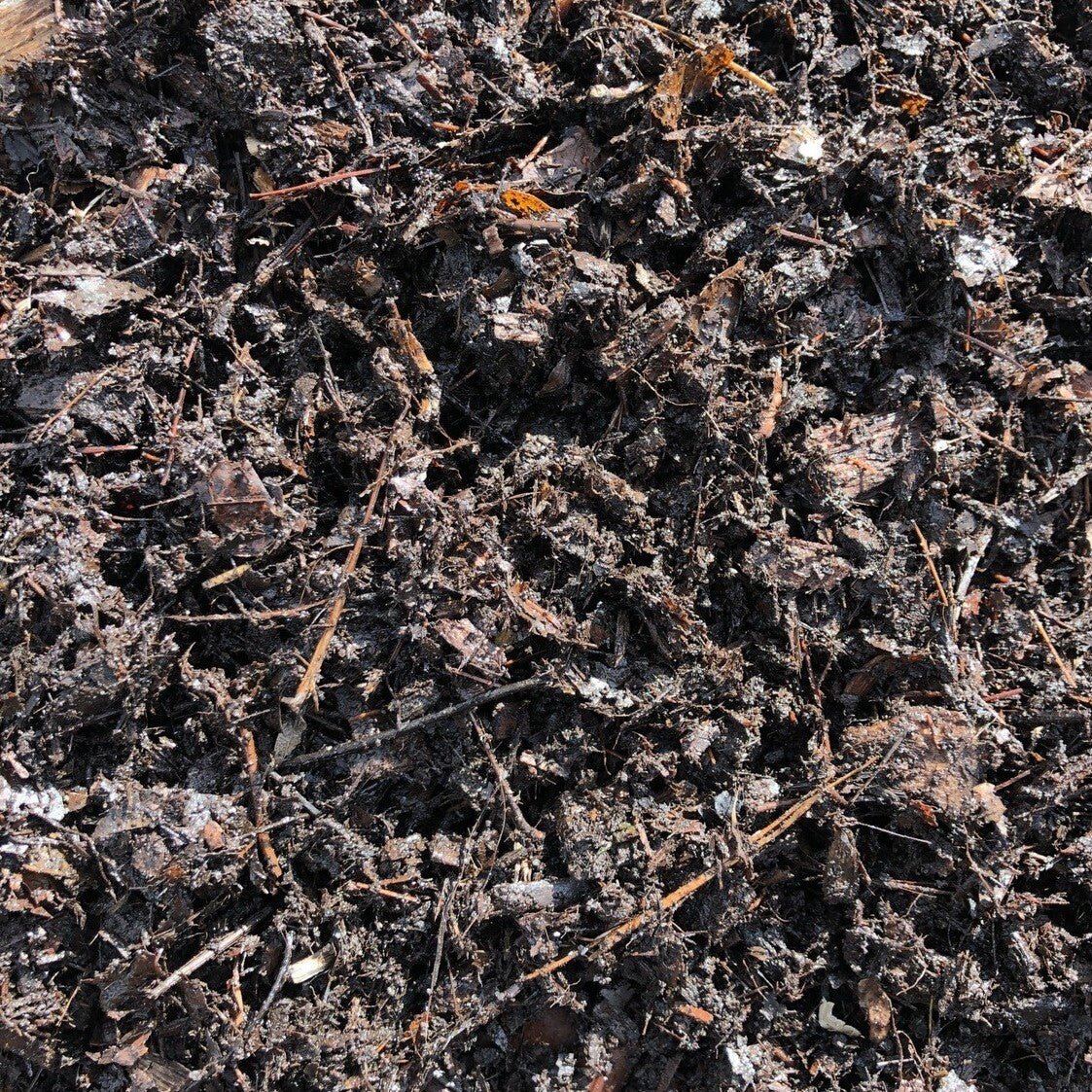
A standard garden compost made from organic materials, this amendment builds healthy soil structure and feeds beneficial soil biology through the growing season. It is especially useful in South Jersey gardens where repeated planting can deplete nutrients, blending in easily to improve both sandy and clay-heavy patches.
Mushroom Compost
Spent mushroom compost is a rich organic amendment that improves moisture retention and feeds soil biology over time. It pairs well with the region's sandy loam conditions, helping garden beds hold water and nutrients through the warm, humid summers common to this part of New Jersey.
Complete Your Outdoor Soil Project
After setting your soil grade, top the beds with bulk mulch to lock in the moisture you have worked to improve, since fresh topsoil in Vineland's warm climate can dry out quickly without a protective cover. Adding a stone border or edging keeps the soil contained during the heavy rain events that can shift loose material in flat or gently sloped Vineland yards.


Service area
Areas we deliver soil in Vineland, New Jersey
- Ashland, Jersey
- Atco, Jersey
- Audubon, Jersey
- Bargaintown, Jersey
- Barrington, Jersey
- Bellmawr, Jersey
- Berlin, Jersey
- Cape May Court House, Jersey
- Clayton, Jersey
- Clementon, Jersey
- Glassboro, Jersey
- Haddon Heights, Jersey
- Hammonton, Jersey
- Lindenwold, Jersey
- Margate City, Jersey
- Mays Landing, Jersey
- McKee City, Jersey
- Millville, Jersey
- Northfield, Jersey
- Ocean City, Jersey
- Paulsboro, Jersey
- Pine Hill, Jersey
- Pitman, Jersey
- Pleasantville, Jersey
- Runnemede, Jersey
- Salem, Jersey
- Sicklerville, Jersey
- Silver Lake, Jersey
- Somerdale, Jersey
- Somers Point, Jersey
- Stratford, Jersey
- Ventnor City, Jersey
- Williamstown, Jersey
- Woodbury, Jersey
Mulch Mound Pro Tip
If you are filling raised beds in Vineland, resist the urge to use straight topsoil from the pile without any amendment. Even quality topsoil benefits from mixing in compost at roughly a 4 to 1 ratio before planting. Vineland's warm Zone 7b summers burn through soil organic matter quickly, and a compost-rich blend holds moisture and nutrients far better than topsoil alone through the long growing season from April through November.
Mulch Mound Pro Tip
When spreading topsoil over sandy loam for a lawn project, water the area lightly before spreading so the sandy base is slightly moist. This helps the new soil bind to the surface below rather than sitting as a distinct dry layer that can separate and shift during rain. After spreading, use a lawn roller filled one-third with water to gently firm the surface without over-compacting, which preserves the drainage that Vineland's frequent rain events depend on.
Mulch Mound Pro Tip
For sloped areas or mounded beds in Vineland, order 10 to 15 percent more soil than your calculation suggests. Sandy loam properties often have subtle grade changes that are easy to miss when measuring, and topsoil spread on a slope settles more than flat areas because rain moves it slightly downhill over the first season. Having a little extra on hand means you can do a touch-up in the same visit rather than scheduling a second delivery.
The Unique Landscape of Vineland
Vineland's native sandy loam is excellent for drainage but creates real challenges when you are trying to establish new lawn areas, build raised beds, or grade a property for a new planting area. The soil's low organic content means it does not hold nutrients or moisture well enough for most vegetables, flowers, or turf grass to thrive without amendment. Bulk topsoil brings in a denser, more structured growing medium that holds moisture through the stretches of dry weather that frequently occur in southern New Jersey from June through August. Grading work is also more effective when you use quality fill soil rather than trying to work with sandy material that shifts and settles unevenly. Whether you are leveling a lawn, filling raised planters, or establishing new beds before the April 15 growing season opens up, delivered soil gives you a reliable foundation to work from. Vineland homeowners who invest in proper soil prep before planting consistently see better germination, stronger root systems, and more manageable maintenance through the Zone 7b growing season.