

About this soil

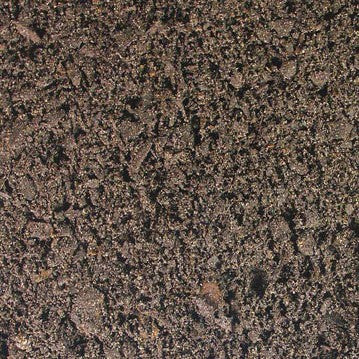
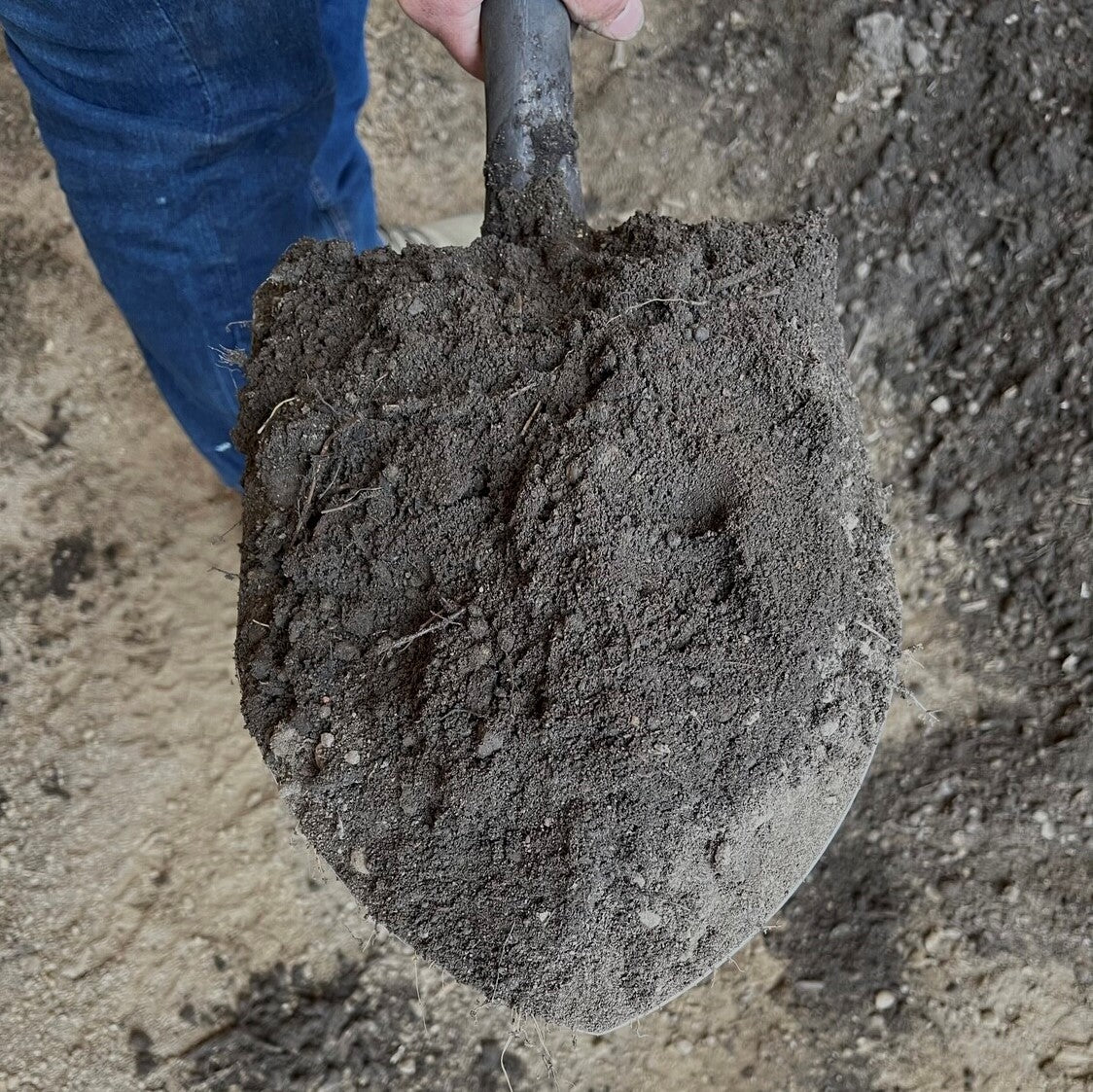
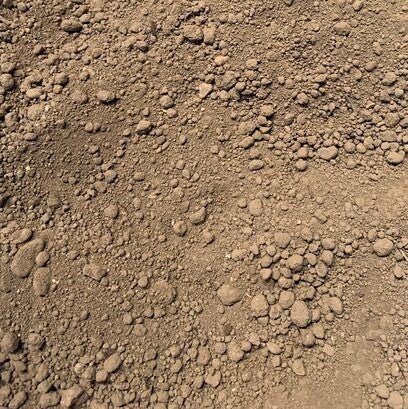
Screened topsoil with a fine, even texture. Ideal for new lawns, sod prep, and raised garden beds.

Great experience - not only was this the most affordable option for dirt delivery in Cleveland heights, but the delivery was fast and friendly. Got exactly what I needed and the truck got as close as possible to where I needed the dirt - even in my cramped driveway. Will be us...

Use two to three inches of topsoil for lawn repair and grading, six to twelve inches for new planting beds, and a full twelve inches for raised vegetable boxes. One cubic yard covers roughly 160 square feet at two inches deep.
Use our free soil calculator

A yard is approximately 27 cubic feet. As a general guideline, one yard of material can cover an area of about 100-160 square feet at a 2-3 inch depth.

Wake Forest Soil Delivery

Wake Forest Soil Delivery

4.7
137 reviews
Regular price $55.00 per Yard
Regular price Sale price $55.00
Sale Sold out
Shipping calculated at checkout.
Type
Style
Hand-picked local yards
4,000+ regional deliveries
Dedicated support
Why order through Mulch Mound

The best local , without the guesswork.

We hand-pick and partner with the best yards in your region, keep only the ones our buyers rate well, and back each load with our guarantee.

Mulch Mound Guarantee

If your isn't the quantity or quality you ordered, we'll make it right.

About this soil

Screened topsoil with a fine, even texture. Ideal for new lawns, sod prep, and raised garden beds.

Great experience - not only was this the most affordable option for dirt delivery in Cleveland heights, but the delivery was fast and friendly. Got exactly what I needed and the truck got as close as possible to where I needed the dirt - even in my cramped driveway. Will be us...

Use two to three inches of topsoil for lawn repair and grading, six to twelve inches for new planting beds, and a full twelve inches for raised vegetable boxes. One cubic yard covers roughly 160 square feet at two inches deep.
Use our free soil calculator

A yard is approximately 27 cubic feet. As a general guideline, one yard of material can cover an area of about 100-160 square feet at a 2-3 inch depth.

View full details

How It Works

Getting started is easy — just follow these simple steps

1

Choose your soil

Make sure you adjust the quantity to your home's needs. You can use our calculator to estimate how much you'll need.

2

Select your delivery date

Select a delivery date you'd like for the product to be dropped off at your home

3

Sit back and wait

Sit back, wait, and let us work our magic to make sure the highest quality product is delivered to your driveway.

What Wake Forest Customers Like About Our Soil

4.7
out of 5 based on 137 reviews
Google Reviews

Need Help Calculating How Much Soil You Need?

Use our NEW Trace from Satellite tool to get an estimate for your project based on an aerial view of your property

Try Our Calculator
📍

For beds, measure length by width by your fill depth in feet, then divide by 27 to get cubic yards. For lawn topdressing, remember that a quarter inch across 1,000 square feet is still about three quarters of a yard, so it adds up faster than people expect. Order about ten percent extra to account for settling in Wake Forest clay.

Complete Your Outdoor Soil Project

Add compost to enrich whatever soil you bring in, and pair with hardwood mulch to cap the surface so your new soil does not wash away during a heavy Wake Forest downpour. Gravel underneath low lying beds helps with the drainage clay cannot provide.

Map of the soil delivery area around Wake Forest, North Carolina

Service area

Areas we deliver soil in Wake Forest, North Carolina

Frequently Asked Questions

Click a question to see the answer

Answer

Can I just amend my red clay instead of hauling in new soil?

You can, but only to a point. Tilling compost into Wake Forest clay works for vegetable gardens if you add a generous amount, at least three to four inches worked into the top eight. For shrub beds and lawns, building up with imported topsoil over loosened clay gives faster and more reliable results.

Answer

How deep should soil be for a raised vegetable bed here?

Twelve inches of good soil above your Wake Forest clay is a solid target for tomatoes, peppers, and squash. Root crops like carrots want closer to fourteen. Loosen the clay underneath before you fill so the bed drains instead of perching water at the seam.

Answer

Why is my new sod dying even though I water it?

Nine times out of ten in Wake Forest the sod was laid directly on compacted graded clay, so roots never penetrate past the sod mat. Spreading two to three inches of screened topsoil over tilled ground before sodding solves it. Watering more on sealed clay just creates a soggy layer that suffocates roots.

Answer

What is the difference between topsoil and garden soil for my beds?

Screened topsoil is a mineral soil good for filling, grading, and leveling low spots in Wake Forest yards. Garden soil and compost blends carry much more organic matter and are what you want for planting beds and vegetable gardens. Many homeowners here use topsoil as the base volume and blend compost into the top layer.

Answer

Will imported soil fix my drainage problem?

It helps, but soil alone will not fix water that has nowhere to go. In Wake Forest the usual pattern is a low spot over clay that holds water for days. Raise the planting area with good soil, grade the surface so water moves off, and if it is a persistent wet zone add gravel or a French drain underneath.

Answer

How much soil do I need to fill a 4x8 raised bed?

A 4 by 8 bed filled twelve inches deep takes about 1.2 cubic yards. Two beds that size run right around two and a half yards, which is a comfortable single delivery. Order slightly extra since soil settles noticeably after the first few Wake Forest rains.

Answer

Should I test my soil before ordering?

It is worth it. The NC Department of Agriculture offers free soil testing for most of the year, and Wake Forest results almost always come back acidic with low organic matter. Knowing your pH tells you whether to add lime along with your new soil, which matters a lot for lawns and vegetables.

Mulch Mound Pro Tip

Never dump good soil straight onto untouched clay. That clean boundary becomes an interface layer where water perches and roots refuse to cross, and you end up with a shallow bathtub. Break up the top four to six inches of Wake Forest clay with a fork or tiller and rake a little of your new soil into it so the transition is gradual. Roots will follow that blend down instead of circling at the seam.

Mulch Mound Pro Tip

Get your lime on early. Wake Forest soils test acidic almost across the board thanks to decades of rain leaching calcium out of the clay, and most vegetables and lawn grasses want a pH near 6.2 to 6.5. Pelletized lime takes several months to shift pH, so applying in fall means your soil is ready when spring planting starts. A free state soil test tells you exactly how much you need.

Mulch Mound Pro Tip

Stay off wet soil. Working Wake Forest clay after a rain smears the structure and creates compaction that takes seasons to undo. The old squeeze test still works. Grab a handful, press it, and if it holds a slick ribbon it is too wet to till or walk on. Wait for it to crumble apart instead, usually two or three dry days after a good storm.

The Unique Landscape of Wake Forest

Most Wake Forest homes were built on graded lots where the topsoil was scraped away and the subsoil red clay was left behind, which is why so many yards struggle from day one. That clay is naturally acidic, low in organic matter, and so tight that roots stall out a few inches down. Bringing in quality screened topsoil, garden soil, or compost is the fastest way to give plants a workable root zone above that hardpan. With 46 inches of annual rainfall, good soil structure also determines whether water soaks in or runs straight off toward the street. In Zone 8a our growing season stretches from early April to early November, long enough that soil quality shows up clearly in how plants perform by midsummer. Building beds up with amended soil rather than fighting the clay in place is the approach that consistently works in Wake Forest.