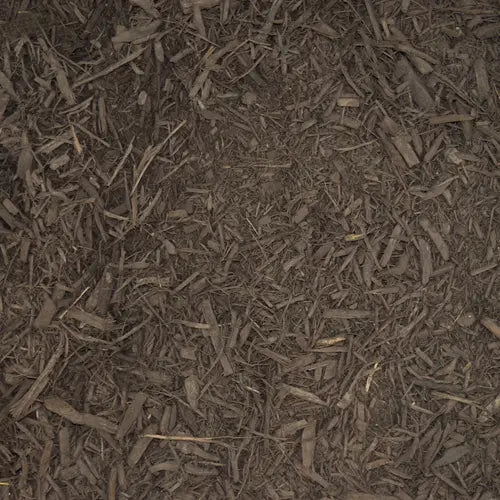
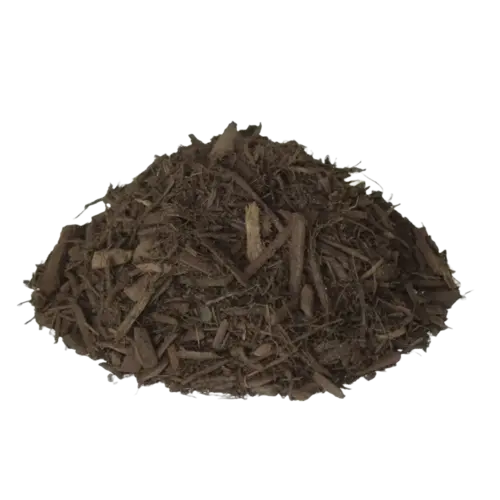
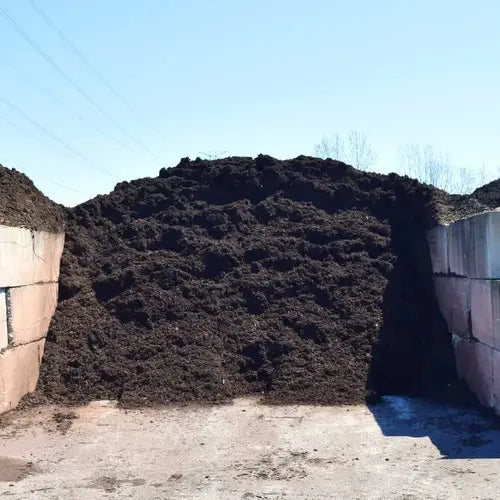
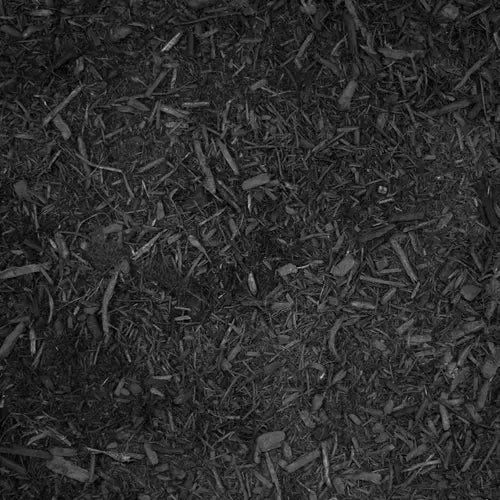
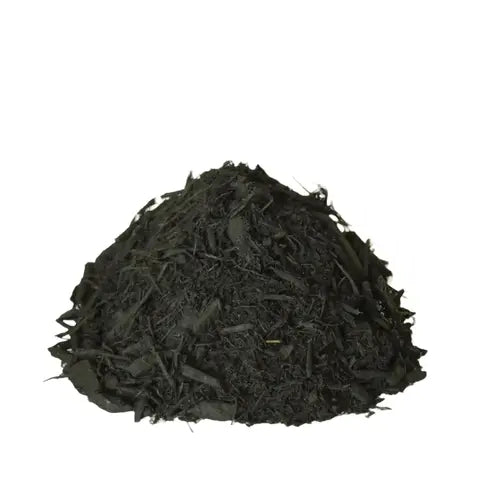
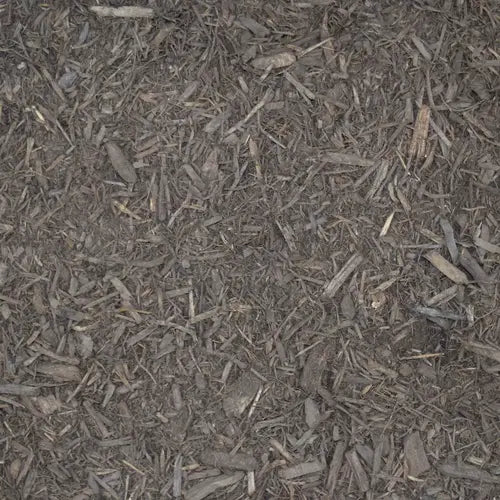
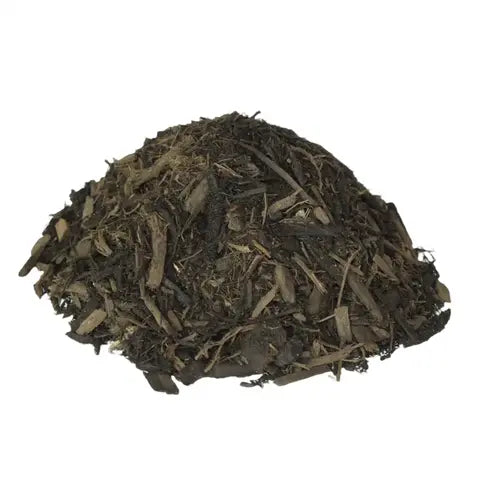
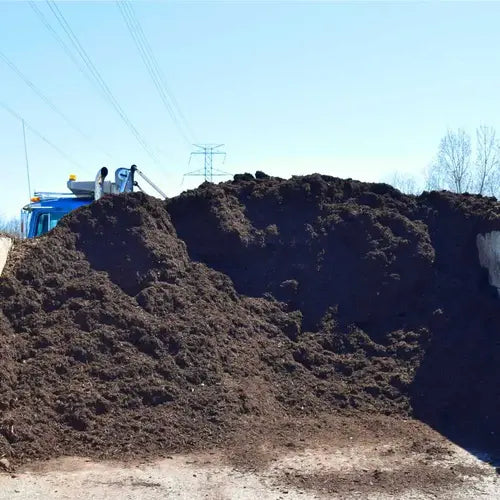
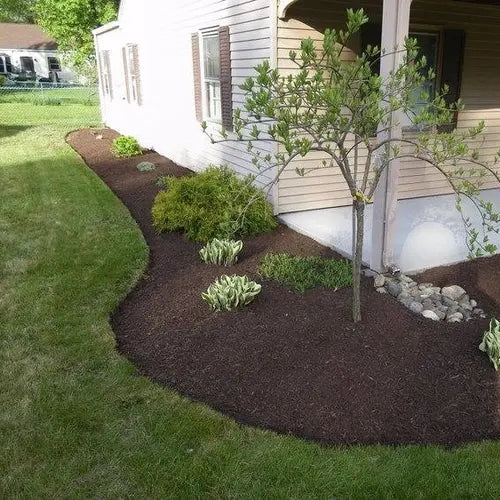
Warm brown double shredded mulch with lasting color that looks freshly applied for weeks. Spreads smooth, stays put, and gives beds a natural, polished appearance.
Good quality, great price, fast delivery. All online - no submitting forms and waiting for days for quotes. Getting mulch should be this easy from everyone. Only Mulch Mound is ACTUALLY this simple.
Tell us what you're looking for
Thanks! We received your request.
Something went wrong. Please try again.
How Much Material Do I Need?
In Warner Robins, a 3-inch mulch depth is the standard for ornamental beds because it moderates the clay soil's extreme temperature and moisture swings without smothering shallow roots. For sloped areas where the 49-inch annual rainfall drives runoff across beds, a 4-inch layer provides better erosion resistance and keeps the material anchored between storms.
Use our free mulch calculator
What is a yard?
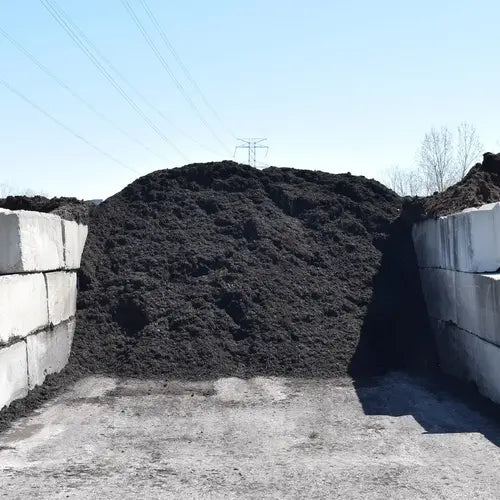
A yard is approximately 27 cubic feet. As a general guideline, one yard of material can cover an area of about 100-160 square feet at a 2-3 inch depth.
We can't take orders for this right now. Tell us what you need and we'll get back to you.
What do you need?
Thanks! We received your request.
Something went wrong. Please try again.
Hand-picked local yards
4,000+ regional deliveries
Dedicated support
Why order through Mulch Mound
The best local mulch, without the guesswork.
We hand-pick and partner with the best yards in your region, keep only the ones our buyers rate well, and back each load with our guarantee.
Mulch Mound Guarantee
If your mulch isn't the quantity or quality you ordered, we'll make it right.
About this mulch
Warm brown double shredded mulch with lasting color that looks freshly applied for weeks. Spreads smooth, stays put, and gives beds a natural, polished appearance.
Good quality, great price, fast delivery. All online - no submitting forms and waiting for days for quotes. Getting mulch should be this easy from everyone. Only Mulch Mound is ACTUALLY this simple.
How Much Material Do I Need?
In Warner Robins, a 3-inch mulch depth is the standard for ornamental beds because it moderates the clay soil's extreme temperature and moisture swings without smothering shallow roots. For sloped areas where the 49-inch annual rainfall drives runoff across beds, a 4-inch layer provides better erosion resistance and keeps the material anchored between storms.
Use our free mulch calculator
What is a yard?
A yard is approximately 27 cubic feet. As a general guideline, one yard of material can cover an area of about 100-160 square feet at a 2-3 inch depth.
Good quality, great price, fast delivery. All online - no submitting forms and waiting for days for quotes. Getting mulch should be this easy fr...
Read full review
Good quality, great price, fast delivery. All online - no submitting forms and waiting for days for quotes. Getting mulch should be this easy from everyone. Only Mulch Mound is ACTUALLY this simple.
I highly recommend Mulch Mound. The quality of the mulch is very good. The ordering system on their website makes it very easy. The delivery driver...
Read full review
I highly recommend Mulch Mound. The quality of the mulch is very good. The ordering system on their website makes it very easy. The delivery driver did a great job placing the mulch on the driveway. To finish off, the pricing was very reasonable as well.
They offered a quick turnaround and delivered high quality mulch at a reasonable price. They also dropped it off exactly where I told them to put i...
Read full review
They offered a quick turnaround and delivered high quality mulch at a reasonable price. They also dropped it off exactly where I told them to put it. Good service!
Measure the length and width of each planting bed in feet and multiply them together to find your square footage. For Warner Robins red clay soil, a 3-inch depth is the practical target, giving enough insulation against summer heat without creating the oxygen-starved conditions that heavy clay already encourages. Divide your total square footage by 108 to arrive at the number of cubic yards to order.
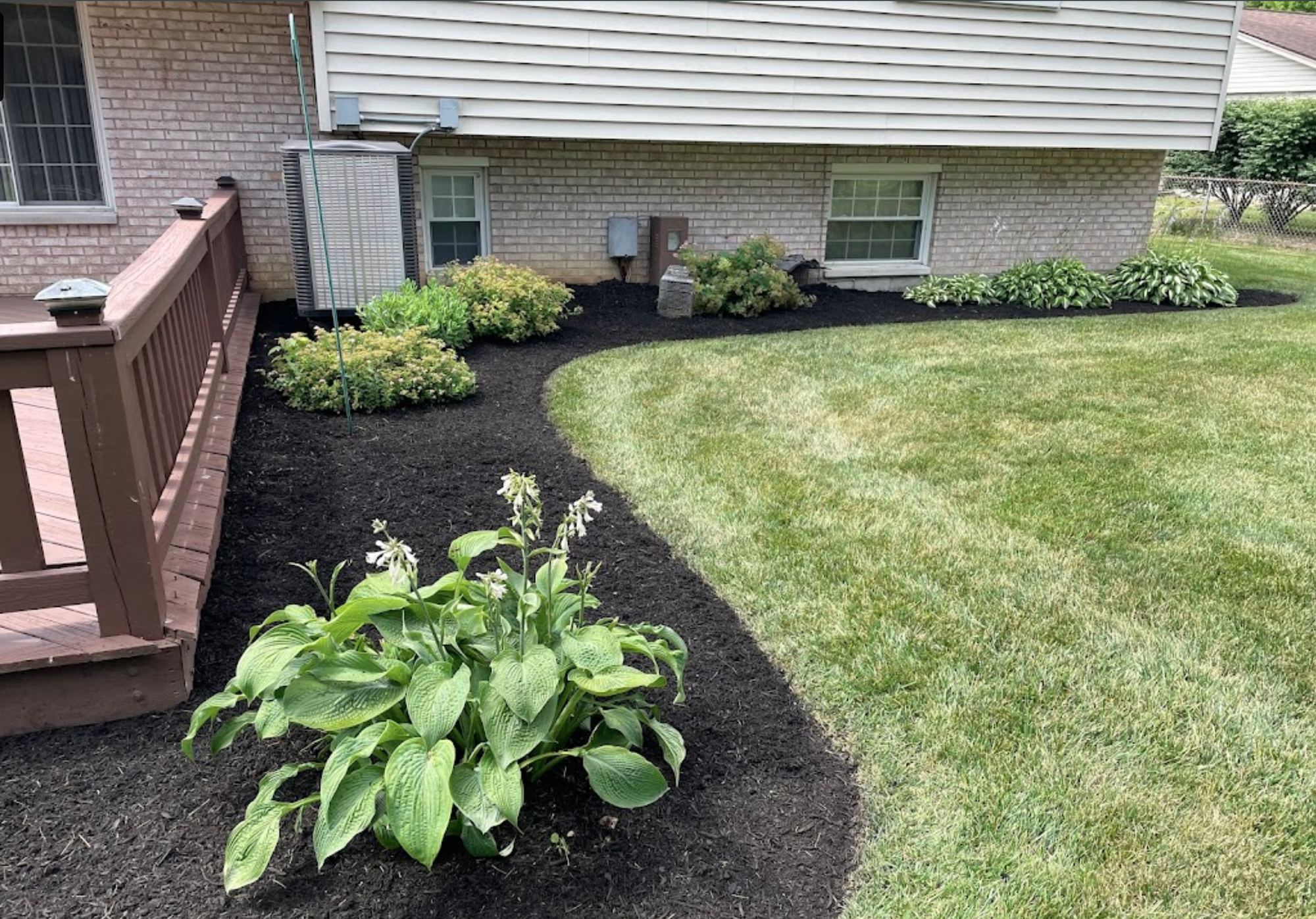
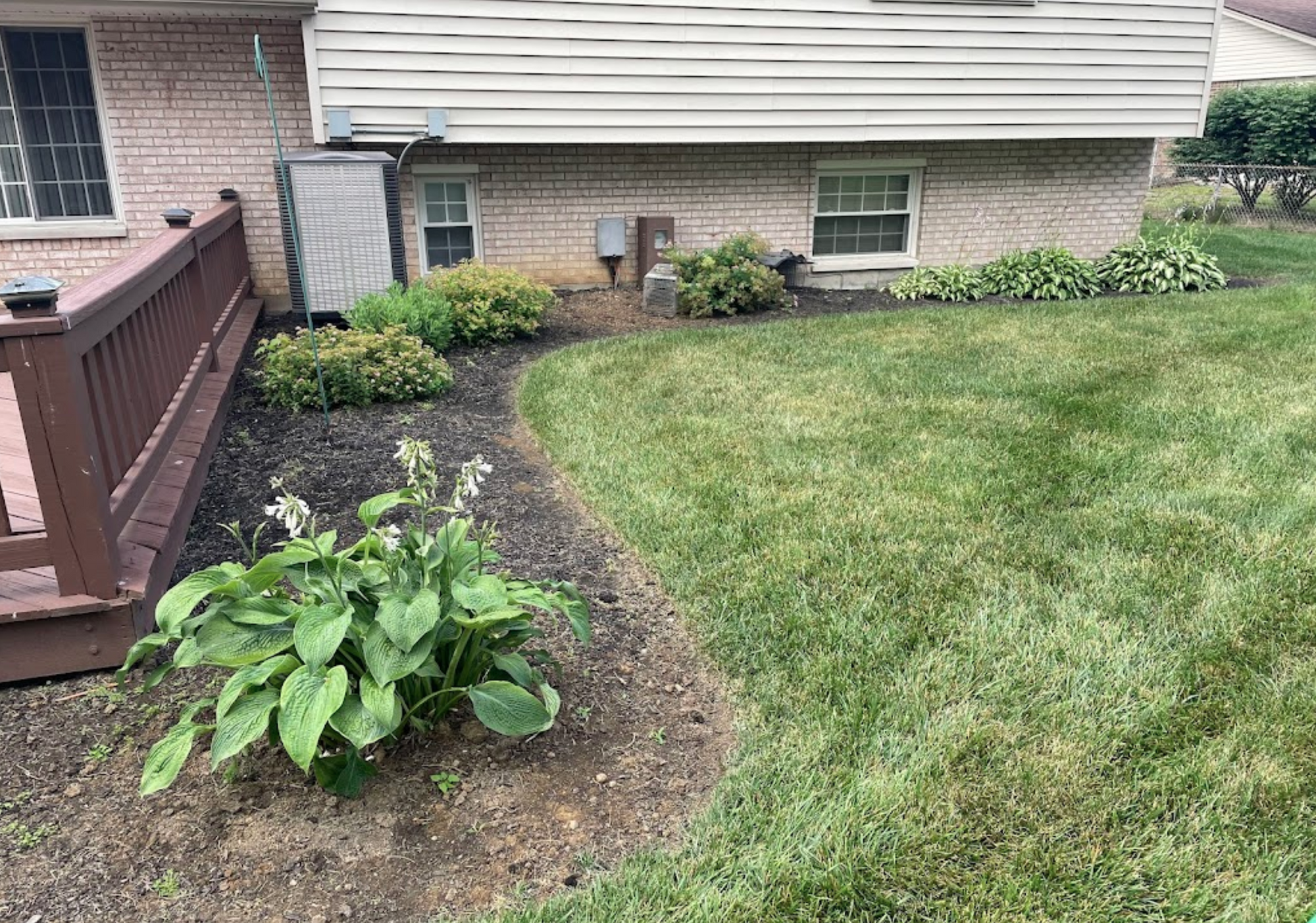
Mulch vs. No Mulch: The Difference
Warner Robins summers are long and intensely sunny, which means dyed mulch can fade noticeably by mid-July if the product quality is average, while natural hardwood mulch grays more gradually and transitions into a neutral tone that blends with most landscape plantings. The area's high annual rainfall also accelerates the breakdown of organic material, so natural hardwood mulch does double duty by contributing beneficial organic matter back into the red clay soil as it decomposes over the season. Choosing between the two usually comes down to whether you want a bold color statement at the start of the season or a steady, cumulative improvement in your soil structure over multiple years.
Before
After
Best Mulch Choice for Warner Robins Lawns
Most yards in the Warner Robins area sit on Red Clay type of soil. Warner Robins red clay soil is notoriously dense and low in organic matter, which means plant bed drainage is often poor and tender roots struggle to penetrate deeply beyond the first few inches. Layering the right mulch on top of clay creates a transitional zone where soil biology can thrive and gradually begin to break down the compacted structure beneath.
Hardwood Mulch
Hardwood mulch is particularly well-matched to Warner Robins red clay because as it breaks down it releases humus that binds with clay particles and gradually opens up soil pores, improving both drainage and root penetration over multiple seasons. Homeowners who apply hardwood mulch annually often notice their ornamental beds becoming easier to dig and more responsive to fertilizer after two or three years, a meaningful payoff in middle Georgia's challenging soil environment.
Mulch Types We Deliver in Warner Robins
Ordering bulk mulch delivery in Warner Robins is easy with Mulch Mound. We deliver by the cubic yard to homes and properties throughout the area, making it simple to get the volume you need for any landscape project. Our selection of quality varieties is chosen to perform well in middle Georgia's warm climate and red clay soil.
Dyed Black Mulch
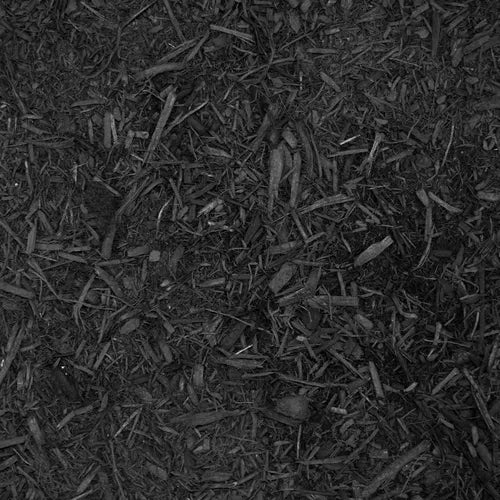
Bold and striking, our double shredded dyed black mulch delivers sharp contrast against the green plants and bright blooms that thrive in the Georgia heat. The rich color holds well through hot, humid summers and frequent afternoon rains, and the smooth texture makes spreading across large landscape beds quick and effortless.
Dyed Brown Mulch
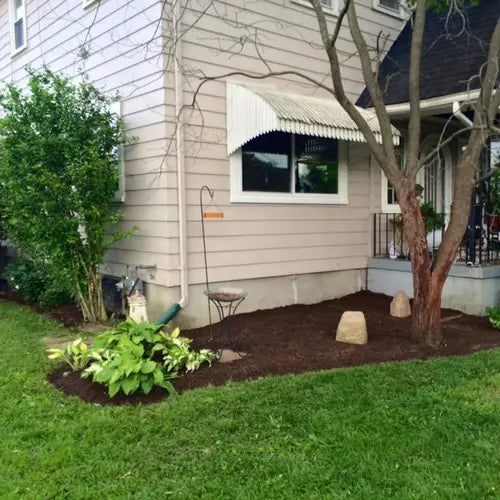
Warm brown double shredded mulch is a natural fit for the brick ranch homes and traditional landscaping common across middle Georgia. The color stays rich for weeks after delivery, even through summer heat and heavy afternoon rains, giving beds a polished, freshly applied look that holds up through the growing season.
Natural Brown Mulch
Our double shredded natural brown mulch skips the dye and lets the wood's own warm, earthy tone do the work. It blends effortlessly into Georgia's red clay soil and suits homeowners who prefer a subtle, organic look that complements both established trees and freshly planted flower beds.
Complete Your Outdoor Mulch Project
If you are rebuilding or refreshing plant beds alongside your mulch order, pairing it with an amended topsoil delivery helps loosen the red clay beneath before you mulch, giving roots a much better foundation from the start. Granite or river rock edging is also popular with Warner Robins homeowners for keeping mulch contained along driveways and walkways where it tends to scatter.
Before spreading mulch, pull visible weeds and consider working a thin layer of compost into the red clay surface to give plant roots something nutrient-rich to start in. Warner Robins clay sits just below the topsoil in most ornamental beds, and weeds that root into compacted clay are especially stubborn to remove once they establish. A clean bed prep combined with 3 inches of mulch dramatically reduces the weeding time you will spend all summer long.
Mulch Mound Pro Tip
Warner Robins is in Zone 8b, which means your growing season runs from roughly mid-March through mid-November, giving you nearly eight months of active plant growth. Applying mulch right after the last frost date in mid-March locks in soil warmth that encourages early root development in perennials, ornamental grasses, and shrubs. Come fall, that same layer acts as insulation and helps root systems stay active a few weeks longer before the November frost brings the season to a close.
Mulch Mound Pro Tip
With 49 inches of rainfall across Warner Robins each year, moisture management works in two directions. During heavy spring storms, mulch slows surface runoff across red clay that absorbs water slowly, reducing erosion and keeping soil particles in your beds rather than washing into the lawn. During the dry summer stretches that follow, that same organic layer holds onto soil moisture so plants are not stressed during the days between rain events or irrigation cycles.
Frequently Asked Questions
Click a question to see the answer
Answer
How thick should I apply mulch over Warner Robins red clay soil?
A 3-inch layer is the recommended depth for most Warner Robins ornamental beds. That thickness insulates the clay soil from temperature swings without creating the anaerobic, waterlogged conditions that clay already tends toward on its own. On sloped beds where the 49-inch annual rainfall can cause runoff, pushing to 4 inches helps hold material in place between storms.
Answer
Will mulch actually help my plants survive the July and August heat here in Warner Robins?
Yes, and the effect is significant in middle Georgia. During the dry stretches that follow spring rains, bare red clay loses moisture rapidly and heats to temperatures that stress shallow roots. A 3-inch mulch layer can keep soil temperatures 10 to 15 degrees cooler and retain enough moisture to carry plants through several days between rain events, which is exactly what Zone 8b landscapes need in midsummer.
Answer
Does all the spring rainfall in Warner Robins wash mulch out of my beds?
Lightweight mulch can migrate during heavy thunderstorms, especially on sloped beds. Shredded hardwood mulch interlocks better than nuggets or chips and stays put more reliably against the intense spring rain events Warner Robins sees from March through May. Stone edging or bed borders also help contain mulch significantly during high-volume downpours.
Answer
Should I remove the old mulch before adding a fresh layer this spring?
In most Warner Robins beds, removal is not necessary unless the old layer has compressed into a mat thicker than 4 inches. Decomposed mulch at the bottom of the bed is actually adding organic matter to the red clay below, which is a slow but meaningful improvement over time. If the old material is moldy or hydrophobic and repelling water rather than absorbing it, removal and a fresh start is the right call.
Answer
When is the best time of year to mulch in Warner Robins?
Early spring, right after the last frost around March 15, is ideal because fresh mulch locks in soil warmth that encourages early root activity in perennials and shrubs. A second application or top-off in late October before the November 15 first frost helps insulate roots through the winter dormancy period. Avoid mulching over frozen or waterlogged clay, which can trap cold and delay spring soil warming.
Answer
I have heard mulch attracts termites. Should I worry about that near my house foundation in Warner Robins?
Termite pressure is a real consideration in middle Georgia, and keeping mulch pulled back 6 inches from your foundation wall and siding is a straightforward precaution. Many Warner Robins homeowners use a band of river rock or crushed granite directly against the foundation and transition to mulch further out in the bed, which eliminates direct organic material contact with the structure while still protecting plant roots.
Answer
What is the difference between natural hardwood mulch and dyed mulch in our Georgia climate?
Dyed mulch holds its color longer in the short term and can look bold and fresh through early summer, but Warner Robins's intense sun fades even quality dyed products noticeably by mid-July. Natural hardwood mulch grays more gradually and blends into the landscape over a season, but as it decomposes it actively adds organic matter back into the red clay below, improving soil structure in a way that dyed mulch does not. The right choice depends on whether you prioritize short-term curb appeal or long-term soil improvement.
The Unique Landscape of Warner Robins
Warner Robins sits on a foundation of heavy red clay that bakes into a hard crust during July and August dry spells and becomes slick and compacted after the area's frequent thunderstorms. With 49 inches of rainfall per year, unprotected ornamental beds are constantly at risk of surface erosion and moisture loss between storms. A consistent mulch layer acts as a buffer between the atmosphere and that difficult clay, moderating soil temperature through the long Zone 8b growing season that stretches from mid-March all the way to the first November frost. Without mulch, clay soil loses what little organic matter it contains even faster, shrinking and cracking under the middle Georgia sun. Maintaining a proper mulch cover is one of the highest-return investments a Warner Robins homeowner can make for plant health and bed appearance.