




Good quality top soil and was delivered exactly where I wanted it. Nice Job!
About this soil
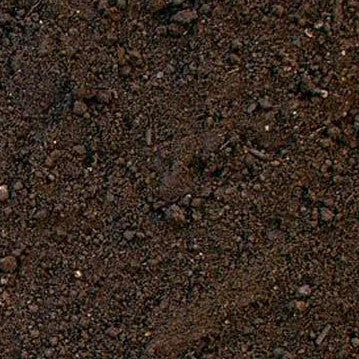
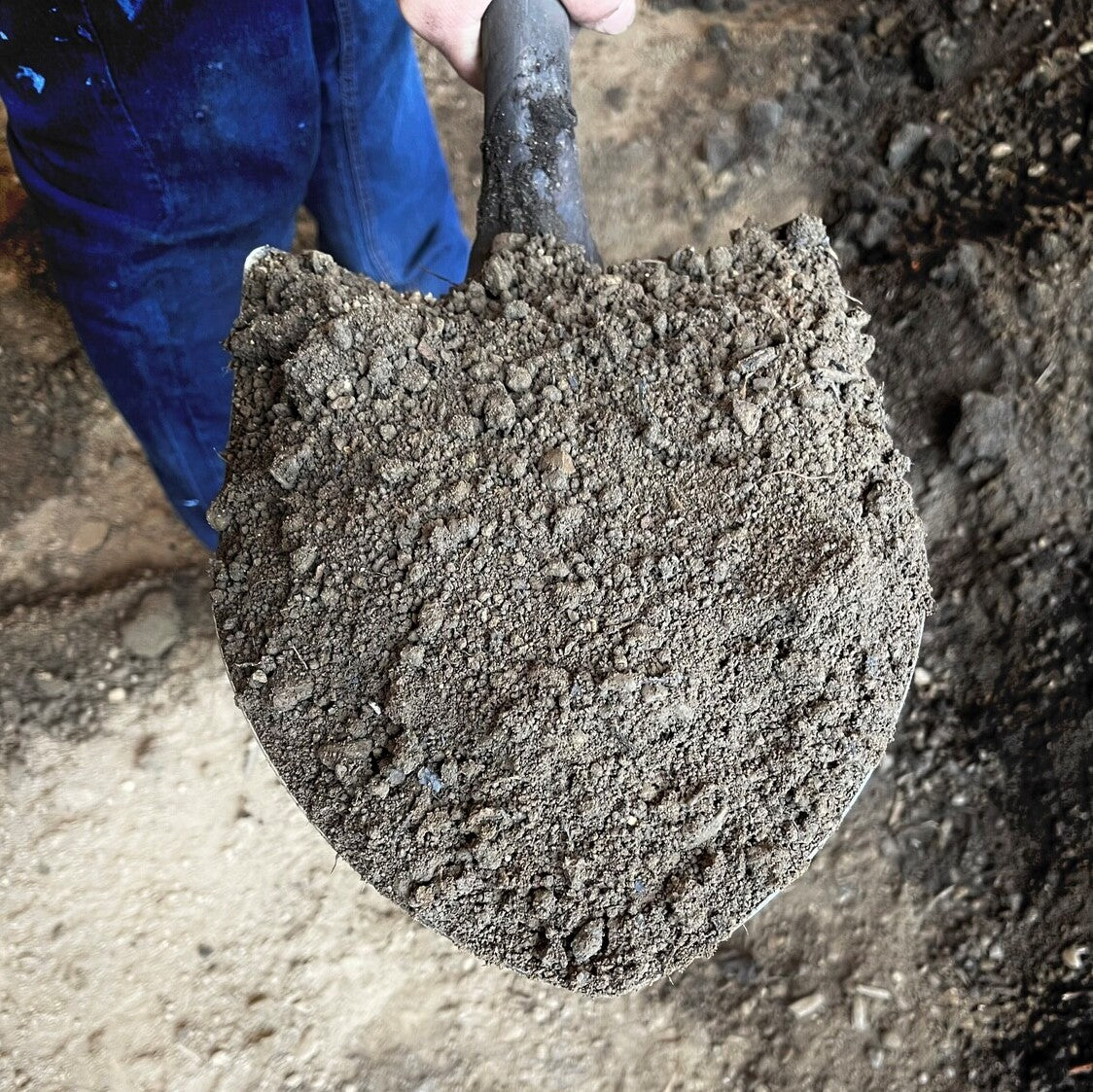
Quality topsoil for lawns, gardens, and landscape projects. Nutrient rich and ready to support strong root development and healthy plant establishment.
Good quality top soil and was delivered exactly where I wanted it. Nice Job!
Tell us what you're looking for
Thanks! We received your request.
Something went wrong. Please try again.
How Much Material Do I Need?
How Much Material Do I Need?
For raised garden beds in Warner Robins, plan for at least 12 inches of quality soil above the native clay to give roots room to grow before they hit the dense subsoil layer. For lawn topdressing and leveling minor drainage dips in yard areas, a 2 to 3 inch spread across the affected zone is typically sufficient to correct the surface grade and encourage turf to fill in over the clay below.
Use our free soil calculator
What is a yard?
What is a yard?
FAQs
FAQs
Warner Robins Soil Delivery
Warner Robins Soil Delivery
Regular price
$64.00
per
yard
Regular price
Sale price
$64.00
Unit price
per
Shipping calculated at checkout.
Minimum of 3 yard
Couldn't load pickup availability
Not currently available
We can't take orders for this right now. Tell us what you need and we'll get back to you.
Hand-picked local yards
4,000+ regional deliveries
Dedicated support
Why order through Mulch Mound
The best local soil, without the guesswork.
We hand-pick and partner with the best yards in your region, keep only the ones our buyers rate well, and back each load with our guarantee.
Mulch Mound Guarantee
If your soil isn't the quantity or quality you ordered, we'll make it right.
About this soil
Quality topsoil for lawns, gardens, and landscape projects. Nutrient rich and ready to support strong root development and healthy plant establishment.
Good quality top soil and was delivered exactly where I wanted it. Nice Job!
How Much Material Do I Need?
How Much Material Do I Need?
For raised garden beds in Warner Robins, plan for at least 12 inches of quality soil above the native clay to give roots room to grow before they hit the dense subsoil layer. For lawn topdressing and leveling minor drainage dips in yard areas, a 2 to 3 inch spread across the affected zone is typically sufficient to correct the surface grade and encourage turf to fill in over the clay below.
Use our free soil calculator
What is a yard?
What is a yard?
FAQs
FAQs
Tell us what you're looking for
Thanks! We received your request.
Something went wrong. Please try again.
How It Works
Getting started is easy — just follow these simple steps
1
Choose your soil
Make sure you adjust the quantity to your home's needs. You can use our calculator to estimate how much you'll need.
2
Select your delivery date
Select a delivery date you'd like for the product to be dropped off at your home
3
Sit back and wait
Sit back, wait, and let us work our magic to make sure the highest quality product is delivered to your driveway.

Online ordering was really simple and I liked the transparent pricing.

Easy to order, great service, and great product. We enjoy the final look of a very neglected beds we inherited!
Need Help Calculating How Much Soil You Need?
Use our NEW Trace from Satellite tool to get an estimate for your project based on an aerial view of your property
Try Our CalculatorTo estimate soil for grading or leveling, measure the length and width of the area in feet and estimate the fill depth needed in inches, then divide that depth by 12 to convert to feet before multiplying all three numbers together for cubic feet. Warner Robins red clay settles differently than loose fill soil, so ordering 10 to 15 percent more than your raw calculation suggests accounts for that settling after the first heavy rains of spring. Divide your cubic feet total by 27 to convert to cubic yards, which is the standard unit for bulk soil sales.
Soil Types We Deliver in Warner Robins
Warner Robins homeowners and landscapers rely on quality bulk soil delivery to get projects done right, from filling raised garden beds to grading new lawn areas. Whether you are searching for bulk topsoil by the yard in Warner Robins or refreshing tired planting beds, we bring cubic yard loads directly to your property. Our soil is sourced and screened to perform well in the warm, humid conditions that define central Georgia.
Screened Top Soil
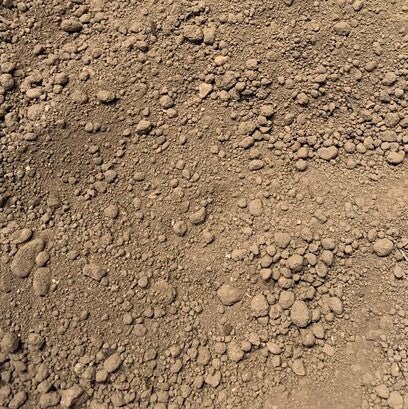
A clean, nutrient-rich topsoil that has been screened to remove rocks, roots, and large debris, leaving a fine, workable material ideal for lawns, gardens, and landscape grading. It supports strong root development and healthy plant establishment, making it a dependable choice for the sandy or clay-heavy native soils common throughout this part of Georgia.
Complete Your Outdoor Soil Project
Pairing your soil order with a hardwood mulch delivery protects the new soil surface from Warner Robins's intense summer sun, which can dry and crust even good topsoil within days of planting if left exposed. Crushed stone or gravel for bed borders and walkways around new garden areas is also worth ordering together, keeping soil contained and directing foot traffic away from planted zones.


Service area
Areas we deliver soil in Warner Robins, Georgia
Mulch Mound Pro Tip
When building raised beds in Warner Robins, do not skip loosening the native red clay at the bottom of the excavated area before adding your new soil. Even though you are bringing in better material on top, plant roots will eventually reach the clay layer, and breaking it up with a garden fork first gives them a much smoother transition into the native ground. A bed with 12 to 16 inches of quality soil over loosened clay beneath will outperform a shallower build throughout the entire growing season.
Mulch Mound Pro Tip
Poorly draining yard areas in Warner Robins are almost always caused by the red clay hardpan sitting just a few inches below the surface. When grading low spots with new topsoil, build a gentle slope of at least 2 percent away from your home's foundation or any structures so rainwater has a defined path to travel after it lands. Pair the graded soil with a French drain or surface channel if the low area collects runoff from a large portion of the yard.
Mulch Mound Pro Tip
The best time to complete soil grading and bed-building work in Warner Robins is in early spring, right after the last frost around March 15, when warm-season grasses like Bermuda and Zoysia are breaking dormancy and ready to root aggressively into new material. Spreading topsoil at that point gives turf and perennials nearly eight full months to grow through the new layer before the November dormancy season. Avoid heavy earthwork in the middle of summer when soil disruption and high temperatures combine to stress both plants and newly placed material.
The Unique Landscape of Warner Robins
Warner Robins is built on red Georgia clay that compacts under foot traffic and heavy rain, restricts root growth, and drains so slowly that standing water after a storm is a familiar frustration for local homeowners. Because the Zone 8b growing season runs from mid-March to mid-November, plants need to establish quickly and stay productive through a long, hot summer with minimal coddling. Bringing in quality bulk topsoil or amended garden soil lets homeowners bypass the clay's limitations and give plants the loose, nutrient-rich environment they need to thrive. Whether the project involves building raised vegetable beds, grading a low spot in the yard, or creating a brand-new planting area, better soil from the start saves months of struggling with a difficult native substrate. Middle Georgia's climate rewards investment in good soil prep because plants that root deeply and drain properly are far more resilient through both summer drought and heavy spring rainfall.