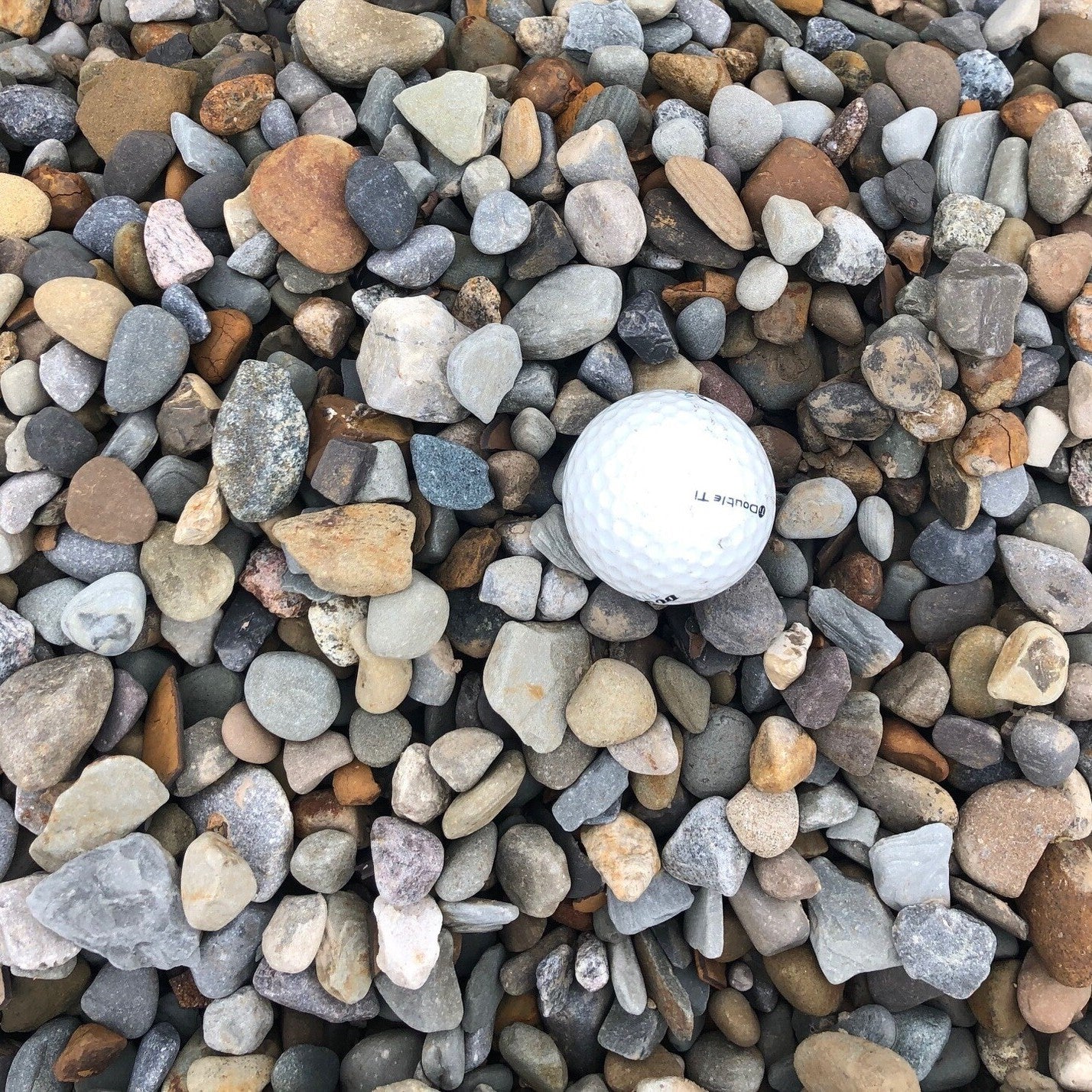
Number 57 crushed stone, angular limestone graded to about three quarters of an inch. The standard driveway, base and drainage gravel, it locks together under traffic and drains fast.
My experience with Mulch Mound was great and super easy. I ordered two yards of screened topsoil and was able to get it delivered within 2 days. They came in my requested time frame (afternoon) and dropped it off where I asked on my driveway. The topsoil was exactly what was a...
Tell us what you're looking for
Thanks! We received your request.
Something went wrong. Please try again.
How Much Material Do I Need?
For decorative ground cover and pathway applications in Warner Robins, a 2 to 3 inch depth provides solid visual coverage and good weed suppression while keeping the project cost efficient. For drainage channels, foundation borders, and areas where water concentrates during heavy spring storms, a 4 to 6 inch depth ensures the stone layer stays functional and in place after repeated high-volume rain events across the slow-draining red clay below.
Use our free gravel calculator
What is a yard?
A yard is approximately 27 cubic feet. As a general guideline, one yard of material can cover an area of about 100-160 square feet at a 2-3 inch depth.
We can't take orders for this right now. Tell us what you need and we'll get back to you.
What do you need?
Thanks! We received your request.
Something went wrong. Please try again.
Hand-picked local yards
4,000+ regional deliveries
Dedicated support
Why order through Mulch Mound
The best local stone, without the guesswork.
We hand-pick and partner with the best yards in your region, keep only the ones our buyers rate well, and back each load with our guarantee.
Mulch Mound Guarantee
If your stone isn't the quantity or quality you ordered, we'll make it right.
About this stone
Number 57 crushed stone, angular limestone graded to about three quarters of an inch. The standard driveway, base and drainage gravel, it locks together under traffic and drains fast.
My experience with Mulch Mound was great and super easy. I ordered two yards of screened topsoil and was able to get it delivered within 2 days. They came in my requested time frame (afternoon) and dropped it off where I asked on my driveway. The topsoil was exactly what was a...
How Much Material Do I Need?
For decorative ground cover and pathway applications in Warner Robins, a 2 to 3 inch depth provides solid visual coverage and good weed suppression while keeping the project cost efficient. For drainage channels, foundation borders, and areas where water concentrates during heavy spring storms, a 4 to 6 inch depth ensures the stone layer stays functional and in place after repeated high-volume rain events across the slow-draining red clay below.
Use our free gravel calculator
What is a yard?
A yard is approximately 27 cubic feet. As a general guideline, one yard of material can cover an area of about 100-160 square feet at a 2-3 inch depth.
My experience with Mulch Mound was great and super easy. I ordered two yards of screened topsoil and was able to get it delivered within 2 days. Th...
Read full review
My experience with Mulch Mound was great and super easy. I ordered two yards of screened topsoil and was able to get it delivered within 2 days. They came in my requested time frame (afternoon) and dropped it off where I asked on my driveway. The topsoil was exactly what was advertised, clean with no rocks or other debris. The price was reasonable. I plan to use them again in a couple weeks to order compost for my garden beds.
Measure the length and width of your project area in feet, decide on the depth you need in inches, and divide that depth by 12 to convert to feet before multiplying all three dimensions to get cubic feet. In Warner Robins, where red clay restricts how quickly water moves through the ground, a deeper stone layer in drainage applications gives runoff more room to collect and slowly percolate rather than backing up. Divide your cubic feet total by 27 to convert to the cubic yards used for bulk stone pricing.
Stone Types We Deliver in Warner Robins
Mulch Mound offers bulk stone delivery by the cubic yard to homes and job sites across central Georgia, saving you the trip to haul material yourself. If you have been searching for bulk gravel by the yard in Warner Robins, we make it straightforward to order exactly what you need. Middle Georgia's warm, rainy summers and soil that holds moisture make quality stone an especially practical choice for drainage and outdoor living projects.
Pea Gravel
Pea gravel suits homeowners looking for an attractive, versatile ground cover for patios, pathways, and garden beds. Its smooth, rounded stones in natural earth tones complement the brick exteriors and open yards common across Middle Georgia. The rounded shape lets summer rain drain through quickly, making it a practical and appealing choice for local yards.
Complete Your Outdoor Stone Project
Stone pairs naturally with landscape fabric installed over Warner Robins red clay, preventing fine clay particles from migrating up into the stone layer over time and keeping the surface looking clean for years. Bulk hardwood mulch is an ideal companion for the planted beds surrounding your stone features, providing moisture retention and weed control in the softscape zones where stone transitions to living ground cover.
One of the most practical uses for stone in Warner Robins is installing a dry drainage border along your home's foundation. Red clay holds water near the surface after heavy rains, and that persistent moisture sitting against a foundation is a long-term structural and waterproofing concern. A 12 to 18 inch wide band of crushed stone or river rock along the perimeter gives roof and yard drainage a clear path to move away from the structure while keeping the area attractive and completely maintenance-free.
Mulch Mound Pro Tip
Stone pathways over red clay can shift and sink over time, especially in areas with heavy foot traffic or water movement across the surface. Before placing decorative stone on a Warner Robins pathway, compact the clay base as firmly as possible, add a 2-inch layer of compacted crusher run or road base, and then finish with your decorative stone on top. This layered foundation keeps the walking surface stable and level through wet winters and the expanding heat of summer without constant regrading.
Mulch Mound Pro Tip
Dark-colored stone absorbs and holds heat during Warner Robins summers, and beds filled with dark granite or black river pebbles can create a heat sink near plants that adds stress during the hottest weeks of the year. Choosing lighter-colored options such as light granite, natural tan pea gravel, or buff-colored river stone keeps surface temperatures meaningfully lower by reflecting more sunlight. Keeping a small mulched buffer between stone edges and the root zones of perennials further reduces heat transfer into the soil where feeder roots are most active.
The Unique Landscape of Warner Robins
Decorative and functional stone solves problems that are unique to Warner Robins landscapes, starting with the red clay soil that turns slick and muddy during the area's frequent spring and summer thunderstorms. Stone pathways and drainage beds stay firm and navigable even after heavy downpours, something that mulched paths or grass walkways simply cannot match in middle Georgia conditions. Because Warner Robins receives close to 49 inches of rain per year, erosion along slopes, driveways, and foundation borders is a genuine concern, and properly placed stone slows water movement and protects exposed clay dramatically. Low-maintenance stone ground covers are also a practical choice for homeowners who want attractive landscaping without the seasonal replanting and watering demands that Zone 8b's long growing season creates. From fine crushed granite to rounded river pebbles, stone adds lasting structure and drainage function to yards that are constantly challenged by heat, clay, and rainfall.
Frequently Asked Questions
Click a question to see the answer
Answer
What stone size works best for a backyard pathway that stays stable and dry after Warner Robins rainstorms?
Crushed granite in the quarter-inch to three-eighths-inch range compacts firmly and drains quickly, making it one of the most practical pathway materials for Warner Robins's wet spring season. Pea gravel is popular for its appearance but tends to scatter underfoot and does not compact as well over red clay, especially on pathways that receive regular traffic. If you want a more stable walking surface, crusher run or decomposed granite over a compacted clay base performs very well.
Answer
Will river rock wash out of my flower beds during the heavy thunderstorms we get here?
River rock in the 1 to 3 inch size range is heavy enough to stay in place during typical Warner Robins rainstorms. Smaller pea gravel or fine decorative stone is more vulnerable to displacement during high-intensity downpours. Landscape fabric installed beneath the stone layer also helps by preventing the fine red clay from migrating upward and slowly burying the stone over time, which is a common issue in middle Georgia beds.
Answer
How much stone do I need to fill a drainage area along my foundation?
For a foundation drainage border, a 4 to 6 inch depth of river rock or crushed stone across a band 12 to 18 inches wide gives water from roof runoff and surface drainage a clear path to move away from your structure. Warner Robins red clay is slow to absorb water, so that stone layer functions as a holding and movement channel rather than a true infiltration zone. Calculate cubic yards by multiplying the length of your foundation run by the width of the band and the intended depth in feet, then dividing by 27.
Answer
Is crushed granite or pea gravel better for a driveway in middle Georgia?
Crushed granite is the stronger choice for Warner Robins driveways because it compacts into a firm, stable surface that handles vehicle weight and wet conditions better than round pea gravel. Pea gravel shifts and migrates under tire pressure, especially on top of red clay that softens after heavy rains. A properly graded crushed granite driveway with a compacted sub-base will hold its shape through years of middle Georgia weather.
Answer
Can stone fix the muddy side yard path that turns into a swamp every spring?
Stone is one of the most reliable solutions for perpetually wet clay-based paths in Warner Robins. The key is to excavate 4 to 6 inches of the clay, lay landscape fabric to separate the stone from the subsoil, add a layer of coarser base material, and then finish with decorative stone on top. This layered approach gives water somewhere to go even when the red clay beneath is fully saturated, which is a common condition during the heavy March through May rain season.
Answer
How deep should I lay stone to keep weeds from pushing up through it?
A 3 to 4 inch layer of stone suppresses most weed germination on its own by blocking light from reaching the soil surface, but pairing it with landscape fabric beneath the stone is the most effective long-term approach for Warner Robins beds. Red clay soil can be very slow to drain, which creates moist conditions at the fabric surface that can allow persistent weeds to establish at the stone edges. Keeping the fabric edges tucked beneath stone border edging blocks the entry points where most weeds gain a foothold.
Answer
Does stone get too hot in a Warner Robins summer to use around plants?
Dark-colored stone can absorb and radiate significant heat during Warner Robins summers when temperatures climb into the low 90s for weeks at a stretch. Lighter-colored materials like light gray granite, beige limestone, or white river pebbles reflect more sunlight and stay cooler throughout the day. If you want stone near planting zones, keeping a small mulched buffer between the stone edge and the root zones of perennials and shrubs reduces the heat stress that dark stone can create against sensitive feeder roots.
Answer
Is crush and run the same as crusher run?
Crush and run refers to crushed stone blended with stone dust that compacts into a solid, hard base, often used under driveways and pavers. In Warner Robins, where red clay turns soggy after heavy rain, our Crushed Stone #57 is the better choice since it drains freely instead of holding water like a compacted base would.
Answer
Is there a stone yard near Warner Robins?
A Warner Robins homeowner building a path or drainage bed over slick red clay doesn't need a stone yard at all. Mulch Mound delivers crushed stone by the cubic yard to your driveway, so there's no trip to a quarry or loading your own truck. Pair it with landscape fabric to keep clay from working up into the stone.