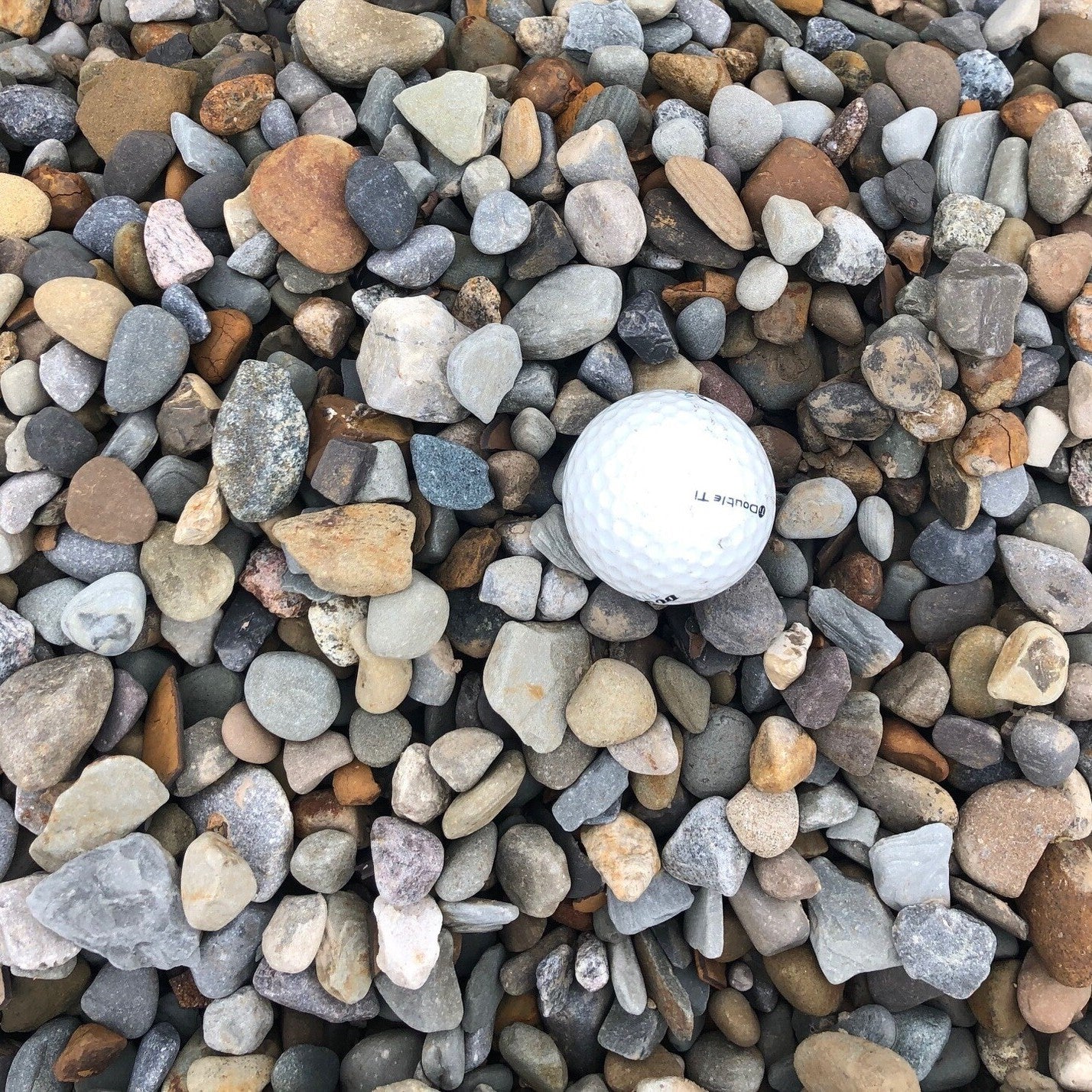
Number 57 crushed stone, angular limestone graded to about three quarters of an inch. The standard driveway, base and drainage gravel, it locks together under traffic and drains fast.
I used Mulch Mound to have 3 cubic yards of garden soil delivered. The process was easy and I love that I didn't have to call anyone. I placed my order online, picked my delivery date, laid out my tarp and the dirt was delivered. My delivery had to be pushed back, but I was ke...
Tell us what you're looking for
Thanks! We received your request.
Something went wrong. Please try again.
How Much Material Do I Need?
Use two to three inches for decorative beds and ground cover, and four inches or more for drainage swales and downspout aprons. One cubic yard of stone covers about 100 square feet at three inches deep.
Use our free gravel calculator
What is a Yard?
A yard is approximately 27 cubic feet. As a general guideline, one yard of material can cover an area of about 100-160 square feet at a 2-3 inch depth.
We can't take orders for this right now. Tell us what you need and we'll get back to you.
What do you need?
Thanks! We received your request.
Something went wrong. Please try again.
Hand-picked local yards
4,000+ regional deliveries
Dedicated support
Why order through Mulch Mound
The best local , without the guesswork.
We hand-pick and partner with the best yards in your region, keep only the ones our buyers rate well, and back each load with our guarantee.
Mulch Mound Guarantee
If your isn't the quantity or quality you ordered, we'll make it right.
About this stone
Number 57 crushed stone, angular limestone graded to about three quarters of an inch. The standard driveway, base and drainage gravel, it locks together under traffic and drains fast.
I used Mulch Mound to have 3 cubic yards of garden soil delivered. The process was easy and I love that I didn't have to call anyone. I placed my order online, picked my delivery date, laid out my tarp and the dirt was delivered. My delivery had to be pushed back, but I was ke...
How Much Material Do I Need?
Use two to three inches for decorative beds and ground cover, and four inches or more for drainage swales and downspout aprons. One cubic yard of stone covers about 100 square feet at three inches deep.
Use our free gravel calculator
What is a Yard?
A yard is approximately 27 cubic feet. As a general guideline, one yard of material can cover an area of about 100-160 square feet at a 2-3 inch depth.
I used Mulch Mound to have 3 cubic yards of garden soil delivered. The process was easy and I love that I didn't have to call anyone. I placed my o...
Read full review
I used Mulch Mound to have 3 cubic yards of garden soil delivered. The process was easy and I love that I didn't have to call anyone. I placed my order online, picked my delivery date, laid out my tarp and the dirt was delivered. My delivery had to be pushed back, but I was kept informed via text, which was great. So why not 5 stars? The description of garden soil on the website is "A balanced mix of topsoil and organic amendments ready for raised beds, flower gardens, and new planting areas. Good drainage, solid nutrients, easy to work with." What I got was more like fill dirt. It had a lot of gravel, a lot of clay, and random trash mixed in. I didn't test the soil to see if it actually had "amendments" because I already have compost and alpaca manure ready to add, but if I'd known the quality of the dirt was going to be the same as the bagged dirt I bought last year, I probably would have gotten 2 yards of top soil and a yard of leaf compost for better quality, especially since the leaf compost is cheaper. Photo of my mountain of dirt and just some of the trash I found in it.
Really appreciate the care and follow thru that this company had with our order. A hiccup came up but they were quick to respond and address all co...
Read full review
Really appreciate the care and follow thru that this company had with our order. A hiccup came up but they were quick to respond and address all concerns, which made our garden day a success! Thank you for your prompt care.
Measure length times width in feet for each area, and keep drainage runs separate from decorative beds since they need different depths. Stone is priced and delivered by weight and volume, so an accurate depth number matters here more than with any other material. Order a little short rather than long, because leftover stone is heavy to store and difficult to move later.
Complete Your Outdoor Stone Project
Pair your stone with woven landscape fabric and steel or aluminum edging, both of which are essential over Warren's clay loam to keep stone from sinking and migrating. Screened topsoil is useful for shaping and sloping the grade before the stone goes down.
Always install commercial grade woven fabric under stone in Warren, never the thin plastic sheeting. Clay loam expands and contracts through every freeze and thaw cycle and it will literally pump soil up into the voids between stones over three or four winters. Woven fabric lets water through while blocking that upward migration. Overlap seams by at least six inches and pin them every two feet along the edges.
Mulch Mound Pro Tip
Edge every stone area, no exceptions. Warren lots are flat, and without a hard edge, stone migrates into the lawn where it becomes a mower hazard and a bare patch generator. Steel or heavy aluminum edging set at grade holds up better than plastic, which pops out of clay loam during spring frost heave. Set the top of the edging just at soil level so mowers pass over it cleanly.
Mulch Mound Pro Tip
Excavate before you spread. Dumping three inches of stone on top of existing grade in a Warren yard creates a dam that traps water against your foundation, since the ground here already drains slowly. Dig down the full depth of your stone layer, keep the finished surface at or slightly below the surrounding lawn, and slope everything away from the house. The extra hour of digging prevents wet basement calls in April.
The Unique Landscape of Warren
Warren's flat clay lots do not shed water quickly, and decorative stone is one of the few materials that stays put and stays functional through a wet April or a heavy August thunderstorm. Downspout runs, side yards between closely spaced homes, and dog paths all turn to mud here because clay loam absorbs so slowly, and stone gives those spots a surface that drains and dries. Our freeze and thaw cycling from late October through mid April is brutal on pavers and poured concrete, but loose stone simply shifts and resettles without cracking. Stone also solves the mulch float problem in Warren beds under gutters, where a single downpour can wash organic mulch across the lawn. On the practical side, stone does not decompose, so a properly installed bed of granite or river rock outlasts a decade of Michigan winters with only occasional raking. For homeowners tired of buying mulch every spring, that permanence is the main appeal.
Frequently Asked Questions
Click a question to see the answer
Answer
What size stone should I use for a walkway between houses?
Pea gravel or a three eighths inch decorative stone walks best and does not roll underfoot the way larger river rock does. Warren side yards between houses are often only six to eight feet wide and stay shaded and damp, so a smaller stone that compacts slightly is ideal. Lay landscape fabric first, because clay loam will pump up through gravel over a few winters of freeze and thaw.
Answer
Will stone stop weeds better than mulch in my Warren beds?
It slows them, but nothing stops them. Warren beds collect maple and cottonwood seed plus windblown dust, and within two or three seasons enough fine material settles between stones to grow weeds right on top. The advantage is that stone does not decompose into a seed bed the way mulch does. Blow debris off in spring and fall and you will get several extra years out of it.
Answer
Can I put stone around my downspouts to stop the mud?
That is one of the best uses for it in Warren. Clay loam under a downspout gets pounded into a crater during our rainiest months, and washed river rock or larger drainage stone absorbs that impact while letting water spread out. Extend the stone at least four feet from the foundation and slope it away from the house. Adding a buried downspout extension underneath makes the whole setup work much better.
Answer
How thick should a decorative stone layer be?
Two to three inches for beds and ground cover, which is enough to hide fabric and stay put. Go four inches for drainage areas and high traffic paths. Under Warren's clay loam conditions, going much thicker just adds weight and cost without improving performance, and thin layers under two inches let fabric show through after the first hard rain shifts things around.
Answer
Does stone make my beds too hot for plants?
It can, especially light colored stone on a south or west exposure. Warren summers run into the upper eighties and low nineties, and stone radiates that heat into the root zone through the evening. It works fine around junipers, ornamental grasses, sedum, and yuccas, but skip it around hydrangeas, hostas, and azaleas that are already stressed on our west facing walls. Darker granite absorbs rather than reflects, which is slightly easier on nearby plants.
Answer
What stone should I use under a paver patio in Warren?
Use 21AA crushed limestone, compacted in two inch lifts. Our freeze and thaw cycles from late October through April will heave any patio built directly on clay loam, so you need six to eight inches of compacted base under a residential patio here. Excavate below the topsoil into the clay, add geotextile fabric, then build your base. Skipping that step is the number one reason Warren patios go wavy by year three.
Answer
How much does a yard of stone weigh and will it fit in my driveway?
A cubic yard of decorative stone runs roughly 2,400 to 2,800 pounds depending on the type and how wet it is. A three yard drop is around four tons, which piles up about eight feet across and three feet tall. That fits fine on a standard Warren two car driveway with room to maneuver a wheelbarrow. If your driveway is newly sealed or you have concrete concerns, we will tarp the spot first.
Answer
Is there a stone yard near Warren?
Crushed Stone works well in Warren for downspout runs and side yards, where slow draining clay loam turns to mud and stone gives you a surface that drains and dries. It is the same stone you would buy at a stone yard, except Mulch Mound delivers it by the cubic yard to your driveway or wherever you want it, so you never have to visit a quarry.