























Prompt, accommodating, lovely mulch.
About this mulch
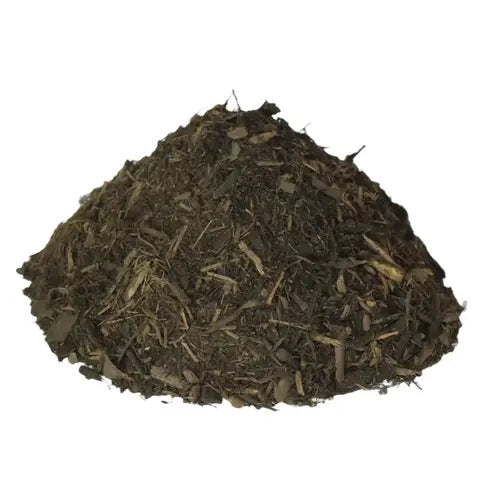
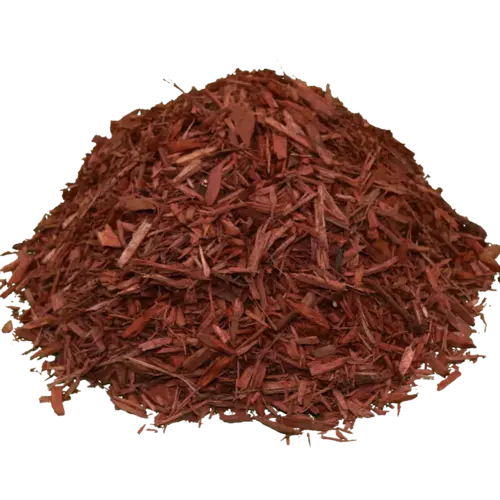
Warm brown double shredded mulch with lasting color that looks freshly applied for weeks. Spreads smooth, stays put, and gives beds a natural, polished appearance.
Prompt, accommodating, lovely mulch.
Tell us what you're looking for
Thanks! We received your request.
Something went wrong. Please try again.
How Much Material Do I Need?
How Much Material Do I Need?
A 3-inch layer is the standard recommendation for Washington Court House beds, giving silt loam soil enough coverage to stay moist between summer rain events without smothering the shallow roots of established perennials.
Use our free mulch calculator
What is a yard?
What is a yard?
FAQs
FAQs
Washington Court House Mulch Delivery
Washington Court House Mulch Delivery
Regular price
$52.00
per
yard
Regular price
Sale price
$52.00
Unit price
per
Shipping calculated at checkout.
Minimum of 3 yard
Couldn't load pickup availability
Not currently available
We can't take orders for this right now. Tell us what you need and we'll get back to you.
Hand-picked local yards
4,000+ regional deliveries
Dedicated support
Why order through Mulch Mound
The best local mulch, without the guesswork.
We hand-pick and partner with the best yards in your region, keep only the ones our buyers rate well, and back each load with our guarantee.
Mulch Mound Guarantee
If your mulch isn't the quantity or quality you ordered, we'll make it right.
About this mulch
Warm brown double shredded mulch with lasting color that looks freshly applied for weeks. Spreads smooth, stays put, and gives beds a natural, polished appearance.
Prompt, accommodating, lovely mulch.
How Much Material Do I Need?
How Much Material Do I Need?
A 3-inch layer is the standard recommendation for Washington Court House beds, giving silt loam soil enough coverage to stay moist between summer rain events without smothering the shallow roots of established perennials.
Use our free mulch calculator
What is a yard?
What is a yard?
FAQs
FAQs
Tell us what you're looking for
Thanks! We received your request.
Something went wrong. Please try again.

How It Works
Getting started is easy — just follow these simple steps
1
Choose your Mulch
Make sure you adjust the quantity to your home's needs. You can use our calculator to estimate how much you'll need.
2
Select your delivery date
Select a delivery date you'd like for the product to be dropped off at your home
3
Sit back and wait
Sit back, wait, and let us work our magic to make sure the highest quality product is delivered to your driveway.

I am very happy with Mulch Mound service and with the triple shredded mulch. It looks great, and I would use them again.

Mulch Mound is an excellent supplier. My online ordering process was quick and easy and they stuck to their delivery date. Highly recommend!
Calculate mulch for your Washington Court House project
For Washington Court House's Silt Loam type of soil, we recommend 2-3 inches for best weed suppression and moisture retention
Try Our CalculatorMeasure the length and width of each bed in feet, then multiply to get square footage. For Washington Court House's silt loam, which can dry out quickly in summer, plan for a 3-inch depth to provide enough insulation and moisture retention through the hotter months. Add up all your bed areas, multiply by 0.25 feet for a 3-inch depth, and divide the total cubic footage by 27 to convert to cubic yards.



Best Mulch Choice for Washington Court House Lawns
Most yards in the Washington Court House area sit on Silt Loam type of soil. Silt loam compacts easily under Washington Court House's heavy spring rainfall and summer foot traffic, forming a dense surface crust that sheds water rather than absorbing it and stresses plant roots during dry periods.
Hardwood Mulch
Hardwood mulch breaks down gradually over the Washington Court House growing season, feeding organic matter directly into the existing silt loam and improving its ability to hold moisture and nutrients so plants perform better from spring planting through fall harvest.
Mulch Types We Deliver in Washington Court House
Mulch Mound offers bulk mulch delivery in Washington Court House, bringing fresh material by the cubic yard straight to your property. The clay soils and warm summers common across this part of Ohio make a good layer of mulch essential for moisture retention and root protection. We carry several varieties to suit any home, bed style, or budget.
Dyed Black Mulch
One of the most popular choices for homeowners who want crisp, modern contrast in their beds. Available in double shredded and triple shredded styles. The deep black color holds well through Ohio's rainy springs and pairs sharply with the brick and stone exteriors common in this area.
Dyed Brown Mulch
A warm, earthy tone that looks natural against most plantings and home styles. Available in double shredded and triple shredded styles for versatility across bed sizes. The color holds strong for weeks after delivery, keeping beds looking freshly done through the long growing season in south central Ohio.
Natural Brown Mulch
Undyed wood mulch with a rich, earthy tone that comes straight from the material itself. Available in double shredded and triple shredded styles. A solid pick for homeowners who prefer a chemical free look, and the smooth texture spreads easily over the heavier soils common in this region.
Cedar Mulch
Double shredded cedar offers natural pest deterrent oils and a fresh aroma that sets it apart from standard wood mulches. A great option for homeowners dealing with insect pressure during Ohio's humid summers, and it resists decay longer than most other mulch types.
Complete Your Outdoor Mulch Project
If your silt loam beds need amendment before mulching, our bulk topsoil blends help improve drainage and nutrient content ahead of planting. Pairing mulch with decorative stone along bed borders is also a popular choice in Washington Court House landscapes for a clean, low-maintenance edge that holds up through wet spring seasons.


Mulch Mound Pro Tip
Pull existing weeds from your beds before spreading mulch, because silt loam holds moisture well enough to let buried weed roots re-establish quickly under the new layer. A clean bed surface combined with a full 3-inch mulch application will cut weed pressure dramatically through the long growing season that Zone 6b provides between the April 20 last frost and the October 15 first frost. This is especially important along the sunny south-facing beds where weed germination tends to accelerate first each spring.
Mulch Mound Pro Tip
Hardwood mulch breaks down slowly in Washington Court House's climate, adding organic matter to silt loam over time and gradually improving its density and water-holding structure. As the mulch decomposes, it feeds beneficial soil microbes that help loosen compacted silt loam layers that form naturally under heavy spring rainfall. Plan to top-dress with about one inch of fresh mulch each spring to maintain bed coverage and keep the decomposition cycle working in your favor throughout the growing season.
Mulch Mound Pro Tip
Washington Court House receives about 44 inches of rain per year, and heavy spring storms can dislodge lightweight mulch from sloped or open beds before it has settled. Choosing a shredded hardwood mulch that interlocks as it knits together will anchor your beds far better than nugget-style products on any grade or curved border. After the first round of heavy April rains, walk your beds and redistribute any material that has shifted toward the low edges so coverage stays even heading into summer.
The Unique Landscape of Washington Court House
Washington Court House sits on naturally occurring silt loam, a fine-textured soil that compacts easily under foot traffic and summer heat, leaving plant roots vulnerable during dry stretches. With 44 inches of rain falling unevenly across the year, beds can swing from saturated in spring to cracked and dry in July and August, and a consistent mulch layer moderates both extremes. Zone 6b winters bring hard freezes that arrive around October 15, making fall mulching critical for protecting perennial roots through repeated freeze-thaw cycles. Mulch also prevents the silt loam surface from crusting over after heavy spring downpours, keeping the soil loose and aerated so roots can develop properly. Without a reliable mulch layer, Washington Court House gardeners often find themselves watering more frequently in summer and replacing winter-heaved plants in spring.