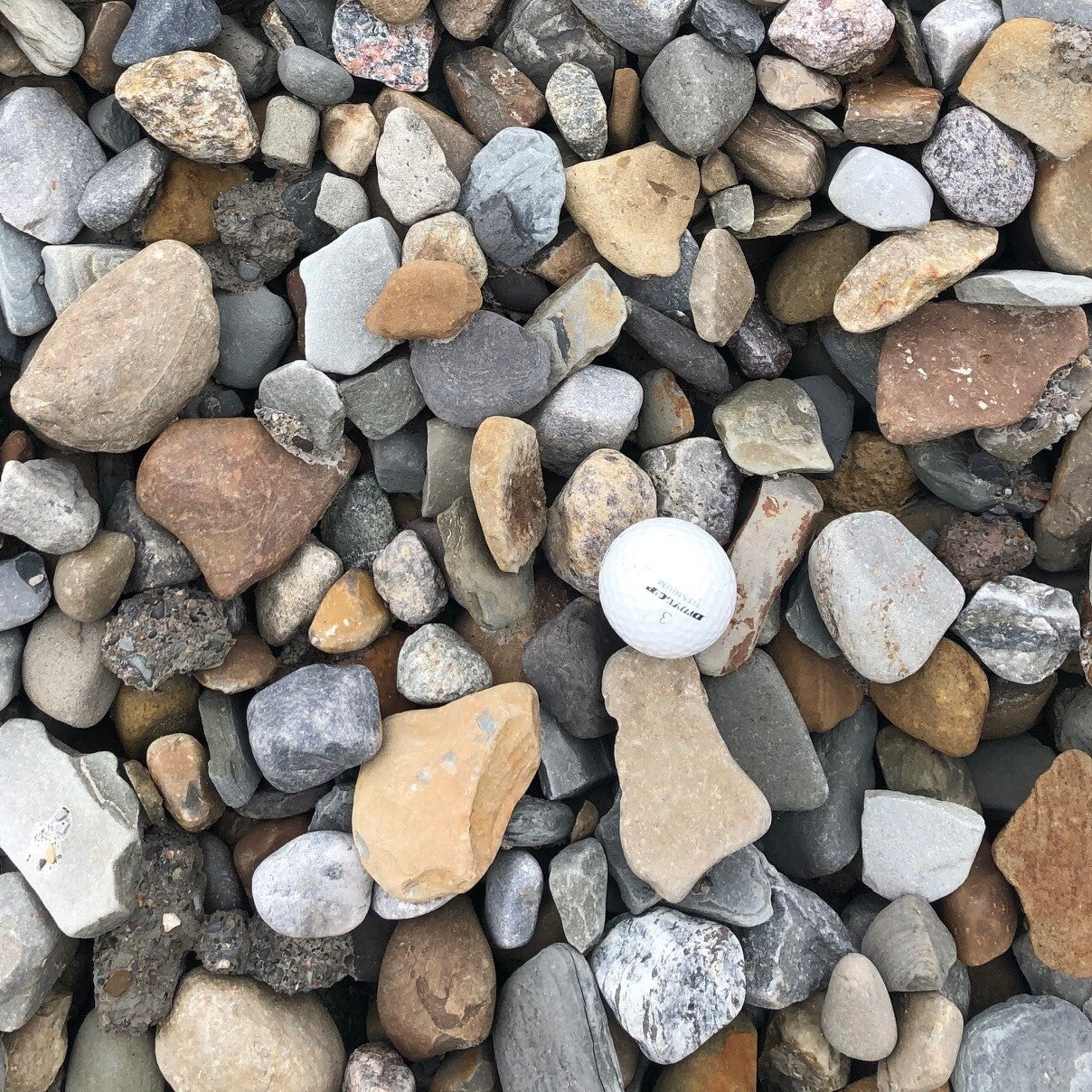
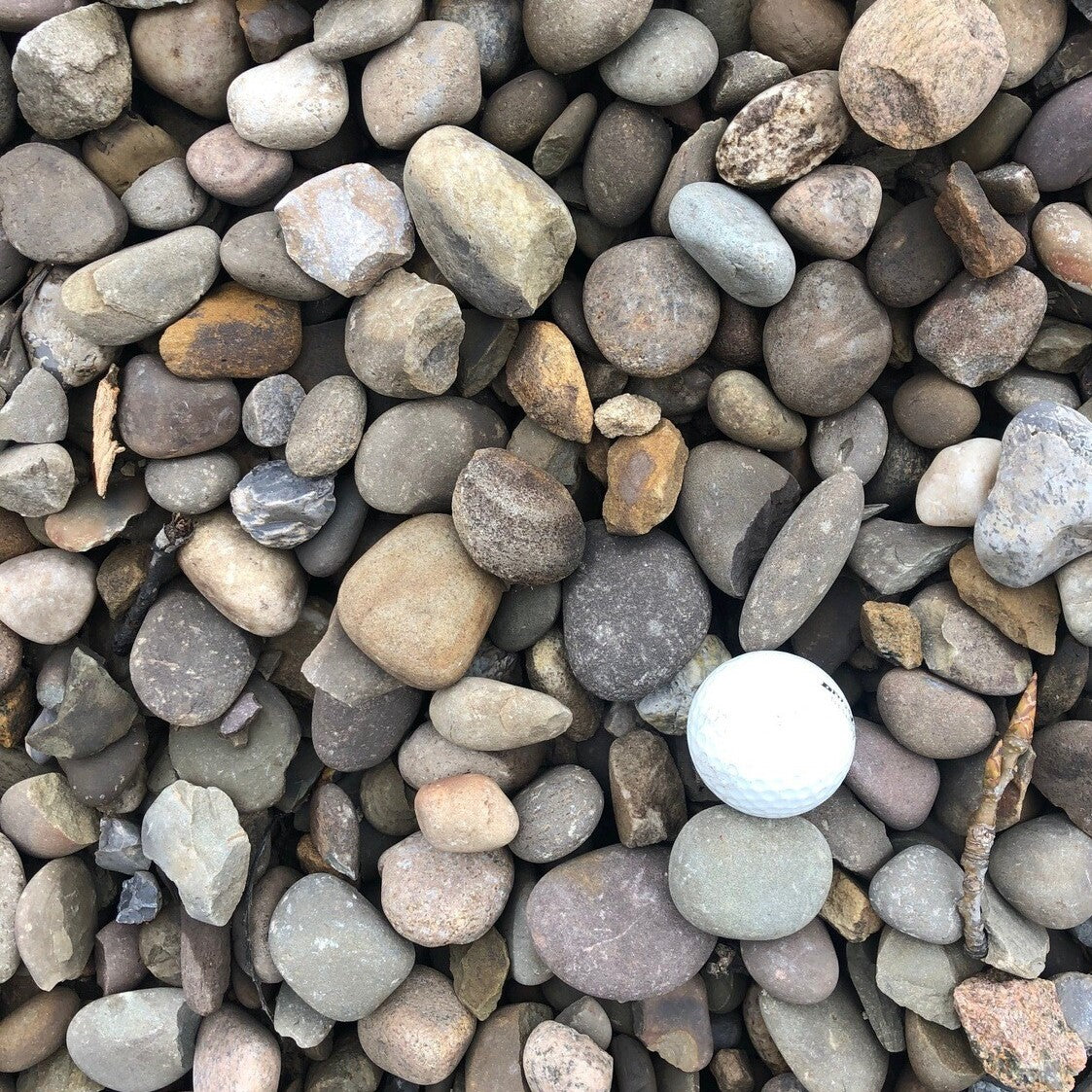
The workhorse. Limestone at half inch to 1 inch handles drainage, base, and decorative jobs with equal reliability. Clean gray color and proven durability.
I contacted Mulch Mound for #57 river rocks and it was easy and fast to get a delivery right before the holiday weekend. Stone was delivered as promised and place exactly where I asked. Excellent service! I will be ordering mulch next!
Tell us what you're looking for
Thanks! We received your request.
Something went wrong. Please try again.
How Much Material Do I Need?
For most decorative and drainage applications in Washington Court House, a 2 to 3 inch stone layer provides adequate coverage and allows water to move through freely without significant shifting during heavy spring rainfall. High-traffic pathways and sloped areas benefit from the full 3 inches to account for compaction, settling, and the movement that Zone 6b freeze-thaw cycles introduce over the course of a winter.
Use our free gravel calculator
What is a yard?
A yard is approximately 27 cubic feet. As a general guideline, one yard of material can cover an area of about 100-160 square feet at a 2-3 inch depth.
We can't take orders for this right now. Tell us what you need and we'll get back to you.
What do you need?
Thanks! We received your request.
Something went wrong. Please try again.
Hand-picked local yards
4,000+ regional deliveries
Dedicated support
Why order through Mulch Mound
The best local stone, without the guesswork.
We hand-pick and partner with the best yards in your region, keep only the ones our buyers rate well, and back each load with our guarantee.
Mulch Mound Guarantee
If your stone isn't the quantity or quality you ordered, we'll make it right.
About this stone
The workhorse. Limestone at half inch to 1 inch handles drainage, base, and decorative jobs with equal reliability. Clean gray color and proven durability.
I contacted Mulch Mound for #57 river rocks and it was easy and fast to get a delivery right before the holiday weekend. Stone was delivered as promised and place exactly where I asked. Excellent service! I will be ordering mulch next!
How Much Material Do I Need?
For most decorative and drainage applications in Washington Court House, a 2 to 3 inch stone layer provides adequate coverage and allows water to move through freely without significant shifting during heavy spring rainfall. High-traffic pathways and sloped areas benefit from the full 3 inches to account for compaction, settling, and the movement that Zone 6b freeze-thaw cycles introduce over the course of a winter.
Use our free gravel calculator
What is a yard?
A yard is approximately 27 cubic feet. As a general guideline, one yard of material can cover an area of about 100-160 square feet at a 2-3 inch depth.
I contacted Mulch Mound for #57 river rocks and it was easy and fast to get a delivery right before the holiday weekend. Stone was delivered as pro...
Read full review
I contacted Mulch Mound for #57 river rocks and it was easy and fast to get a delivery right before the holiday weekend. Stone was delivered as promised and place exactly where I asked. Excellent service! I will be ordering mulch next!
Measure your coverage area in square feet and decide on your target depth, with most stone applications performing best at 2 to 3 inches. Washington Court House's silt loam shifts and settles under freeze-thaw cycles, so planning for the full 3-inch depth ensures your stone stays at adequate coverage through the first Zone 6b winter. Multiply your square footage by your depth in feet, divide by 27 to get cubic yards, and round up to the nearest half yard to avoid running short partway through your project.
Stone Types We Deliver in Washington Court House
Mulch Mound delivers bulk stone by the cubic yard directly to homes and projects throughout Washington Court House. Central Ohio's clay-heavy soil and freeze-thaw winters mean the right stone choice matters for drainage, stability, and long-term performance. Whether you are searching for bulk gravel by the yard or a specific crushed limestone grade, we carry what you need.
Pea Gravel
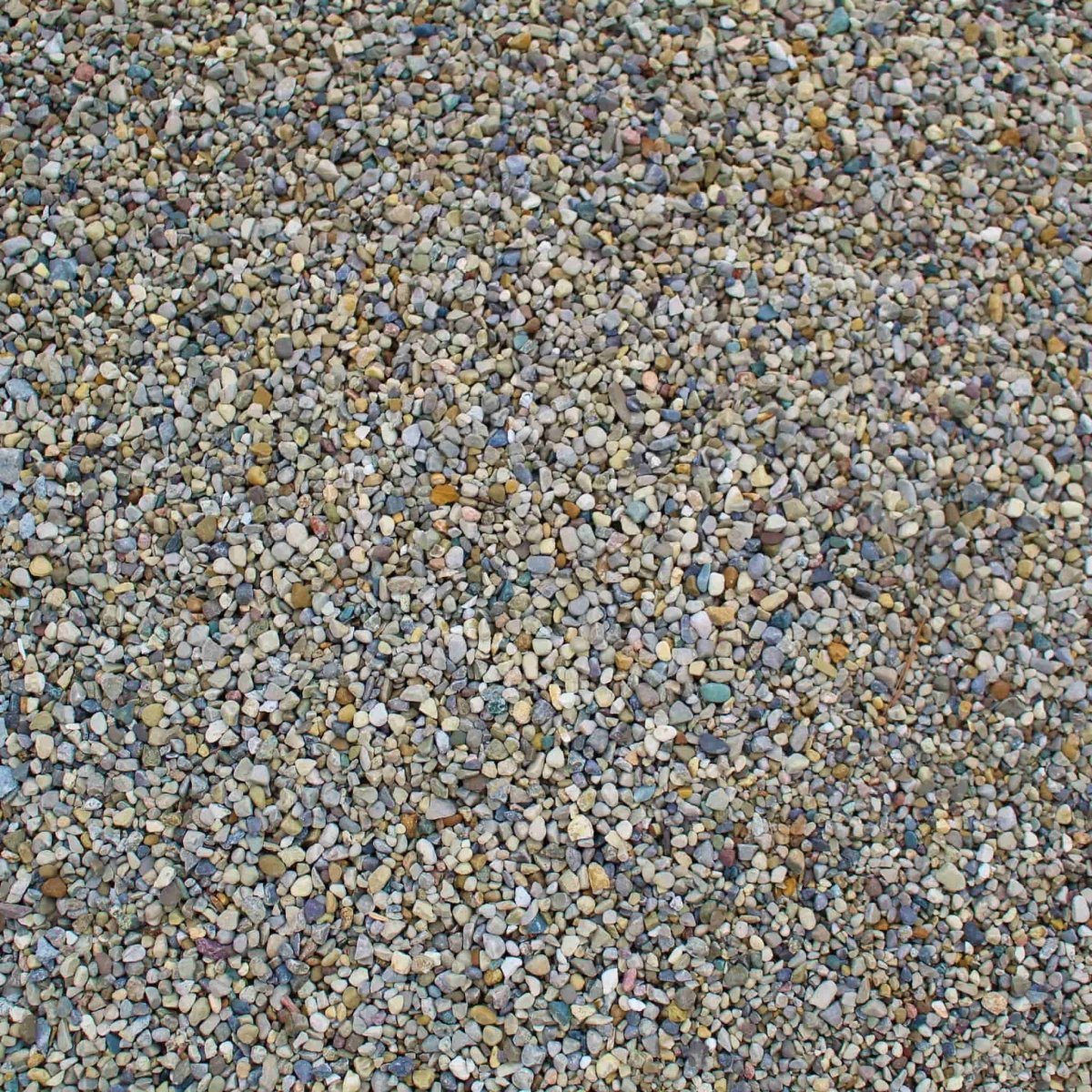
Smooth, rounded pea gravel lays comfortably underfoot and drains well through the clay-influenced soil common in central Ohio. Its warm earth tones complement the traditional home styles typical of this region, and it works equally well for patios, garden paths, and decorative ground cover.
#57 Limestone
Half-inch to one-inch crushed limestone is the standard choice for driveways, drainage beds, and base layers across central Ohio. Its clean gray color, reliable compaction, and durability through seasonal freeze-thaw cycles make it the most practical all-around stone for residential and utility projects.
#57 Decorative Gravel
This half-inch to one-inch decorative gravel handles drainage, pathways, and garden bed topping with equal ease. The varied natural coloring gives lawns and landscapes a clean, finished look that holds up well through Ohio's wet springs and cold winters.
#8 Limestone
At three-eighths to one-half inch, this compact limestone compacts to a firm, even surface and fills tight spaces cleanly. It suits fine grading around foundations, bedding work, and detailed landscaping where the smaller sizing gives precise control over finished grade.
Complete Your Outdoor Stone Project
Pairing stone borders with hardwood mulch inside your planting beds creates a clean, low-maintenance combination that holds up well through Washington Court House's wet springs and hot summers. Adding quality topsoil beneath stone in any graded or resloped areas also ensures the drainage slope is set correctly before stone is placed, which is especially important given how slowly the native silt loam releases standing water.
Place a 3-inch layer of crushed stone or pea gravel along your foundation perimeter before the heavy rain season arrives in early spring, directing water away from your slab or basement walls rather than allowing it to pool against the structure. Washington Court House's silt loam absorbs water slowly by nature, meaning foundation edges can stay saturated for several days after April rain events if the adjacent soil is left exposed. Stone creates a fast-draining buffer zone that protects the soil immediately against your home's structure and reduces hydrostatic pressure during the wettest weeks of the year.
Mulch Mound Pro Tip
Grass pathways through garden areas in Washington Court House become muddy and difficult to maintain after the repeated spring rains that are common from March through May, often turning into bare dirt tracks by early summer. Replacing those worn routes with a 3-inch layer of compacted gravel or pea gravel creates a firm, all-weather surface that stays navigable even after a heavy overnight storm. The stone also eliminates the need to mow or edge around irregular pathway borders, saving meaningful time during the busy growing season between the late-April frost window and the October dormancy period.
Mulch Mound Pro Tip
Sloped beds in Washington Court House yards are particularly vulnerable to erosion during the heavy spring rain season, as the fine particles in silt loam are easily displaced by fast-moving surface water flowing down any grade. A 3-inch layer of river rock or angular decorative stone across these slopes acts as a physical barrier that slows water velocity and keeps soil in place through even the most intense spring storms. For best long-term results, install landscape fabric beneath the stone before placement to prevent silt loam from slowly migrating upward through the rock layer over multiple seasons of rainfall and freeze-thaw activity.
The Unique Landscape of Washington Court House
Decorative and functional stone fills a specific need in Washington Court House landscapes that mulch and soil simply cannot address on their own. The area's 44 inches of annual rainfall creates persistent drainage challenges, especially along foundation edges, sloped beds, and pathways where water channels aggressively during heavy spring storms. Stone creates a stable, permeable surface that lets water pass through while protecting the underlying silt loam from erosion and compaction with each rain event. Low-maintenance stone beds around air conditioning units, beneath downspouts, and along fence lines eliminate the need for repeated mulch replacement in high-wear areas where foot traffic or water flow quickly degrades organic materials. With Zone 6b winters delivering hard freezes by mid-October, stone also provides year-round visual structure when plant material has died back, keeping your property looking well-maintained through Washington Court House's long dormant season.
Frequently Asked Questions
Click a question to see the answer
Answer
What type of stone works best for a path through my backyard that gets soggy and muddy after Washington Court House rains?
Pea gravel and crushed limestone are both excellent choices for backyard pathways in Washington Court House because they allow water to pass through quickly rather than pooling on the surface the way compacted soil does. Crushed limestone packs down slightly firmer underfoot, making it a better option for heavily used routes to sheds or garden areas. For a more decorative appearance, pea gravel gives a softer look while still draining well through the silt loam base. Either option should be installed at 3 inches of depth with landscape fabric beneath to prevent the fine silt loam particles from migrating upward through the stone over repeated wet seasons.
Answer
How much stone do I need to put around my foundation to help with drainage and keep things looking neat?
For a foundation border, plan on a 2 to 3 foot wide strip of stone running along the perimeter at a depth of 2 to 3 inches. This width gives water enough permeable surface to absorb quickly rather than running along the foundation wall and saturating the adjacent silt loam. To calculate your material needs, measure the total linear footage around your home, multiply by the strip width in feet, then multiply by 0.25 feet for a 3-inch depth, and divide by 27 to get cubic yards. Most Washington Court House homes end up needing between 1.5 and 3 cubic yards for a full perimeter border.
Answer
Will decorative stone wash down my sloped garden bed during a heavy spring storm?
Stone that is sized appropriately for the slope angle will stay in place through even the heavy spring storms that Washington Court House sees in April and May. For moderate slopes, river rock in the 1 to 2 inch size range provides enough mass to resist displacement from typical rainfall intensity. On steeper grades, moving up to a 2 to 3 inch cobble or larger flat fieldstone gives even more stability. Pea gravel is not recommended for slopes because its small, round particles roll easily under fast-moving surface water.
Answer
Is decorative stone a good choice for the area directly under my downspouts?
Decorative stone is one of the best solutions for downspout splash zones in Washington Court House, where the combination of heavy spring rainfall and slow-draining silt loam frequently causes erosion craters beneath spouts. A 2 to 3 foot square of river rock or larger decorative gravel absorbs the impact of falling water and disperses it across a wide enough area that the silt loam below is not displaced with each rain event. This also eliminates the muddy patches that commonly form under downspouts when organic mulch is used in that location, since stone does not break down or blow away.
Answer
How deep do I need to lay gravel for a walkway that will hold up through Washington Court House winters?
A 3-inch depth is the minimum recommended for any gravel walkway in Washington Court House, and 4 inches is better for high-traffic routes. Zone 6b winters with first frost around October 15 subject pathways to multiple freeze-thaw cycles that can heave and displace shallower stone installations. Starting with adequate depth means you have a buffer as the material settles and compacts over the first season, keeping the path surface level and functional through spring. Installing landscape fabric beneath the stone also prevents the native silt loam from working its way upward through the gravel over time.
Answer
Do I need to put landscape fabric under stone in my beds to keep weeds from coming up through the silt loam?
Yes, landscape fabric is strongly recommended under stone beds in Washington Court House. Silt loam is fine enough that its particles can migrate upward into a stone layer over time, creating a muddy, weed-friendly mixture at the surface within a few seasons. Fabric creates a barrier that keeps the stone and silt loam separated while still allowing water to pass through freely. It also provides a physical barrier against weed germination, which matters in Washington Court House because the long growing window from late April through mid-October gives weeds ample time to establish in any unprotected soil.
Answer
Can I use bulk stone to stop erosion on a slope in my backyard that washes out every spring?
Bulk stone is one of the most reliable solutions for slope erosion in Washington Court House, where spring rainfall intensity regularly dislodges the fine particles of silt loam from unprotected grades. For moderate slopes, a 3-inch layer of river rock or angular crushed stone slows surface water flow significantly, giving it time to absorb rather than run off carrying soil with it. For steeper slopes, larger flat fieldstone or boulders can be used to create terraced break points that interrupt water velocity entirely. Installing landscape fabric beneath the stone before placement prevents silt loam from migrating upward through the rock layer over multiple wet seasons.