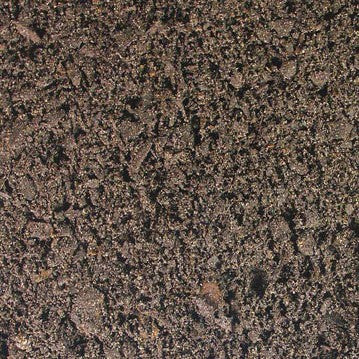
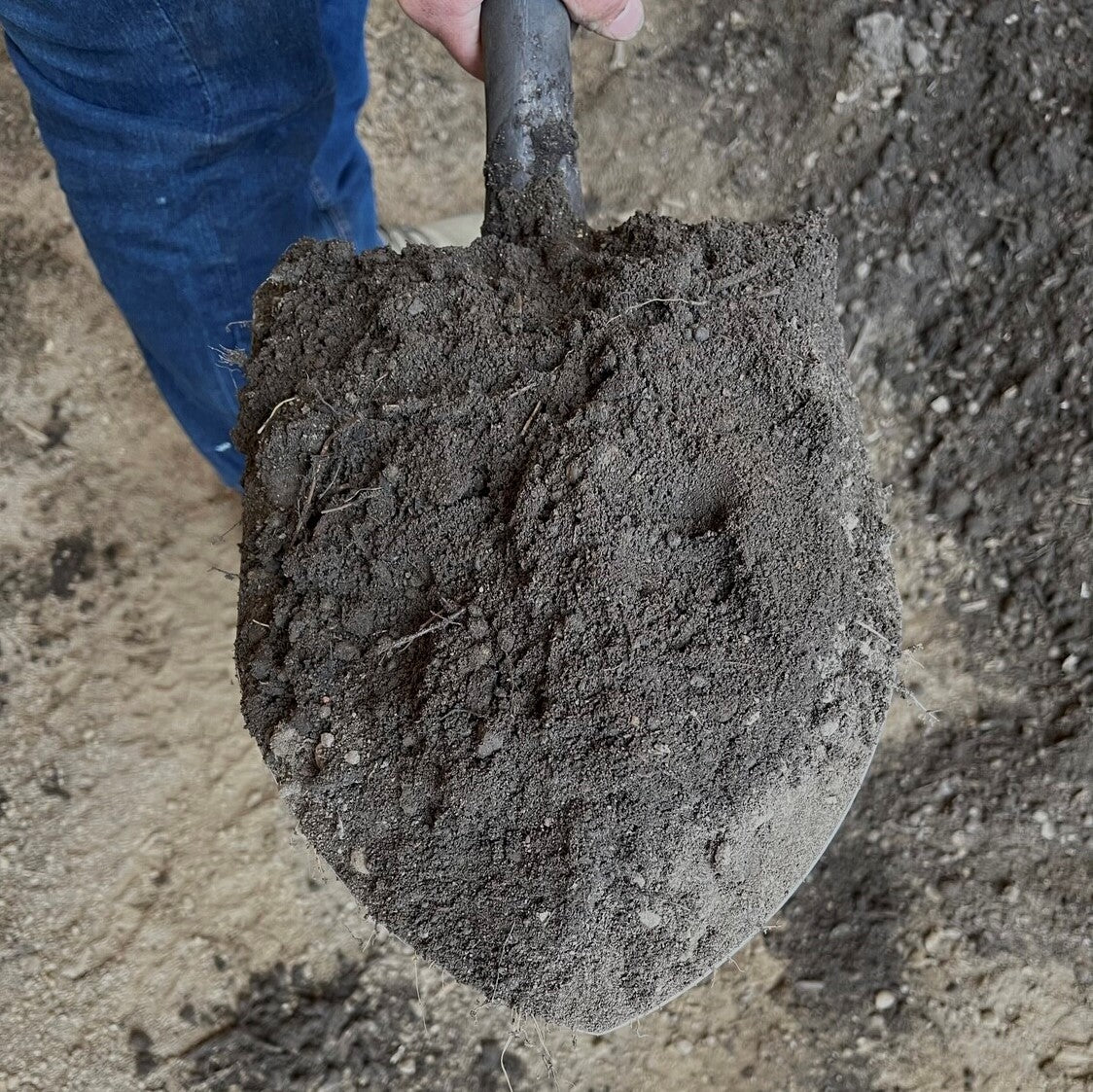
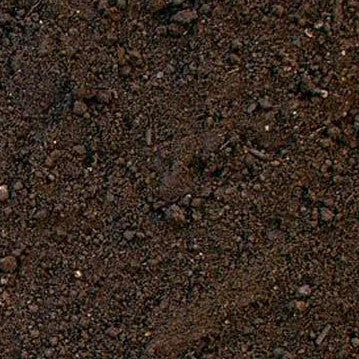
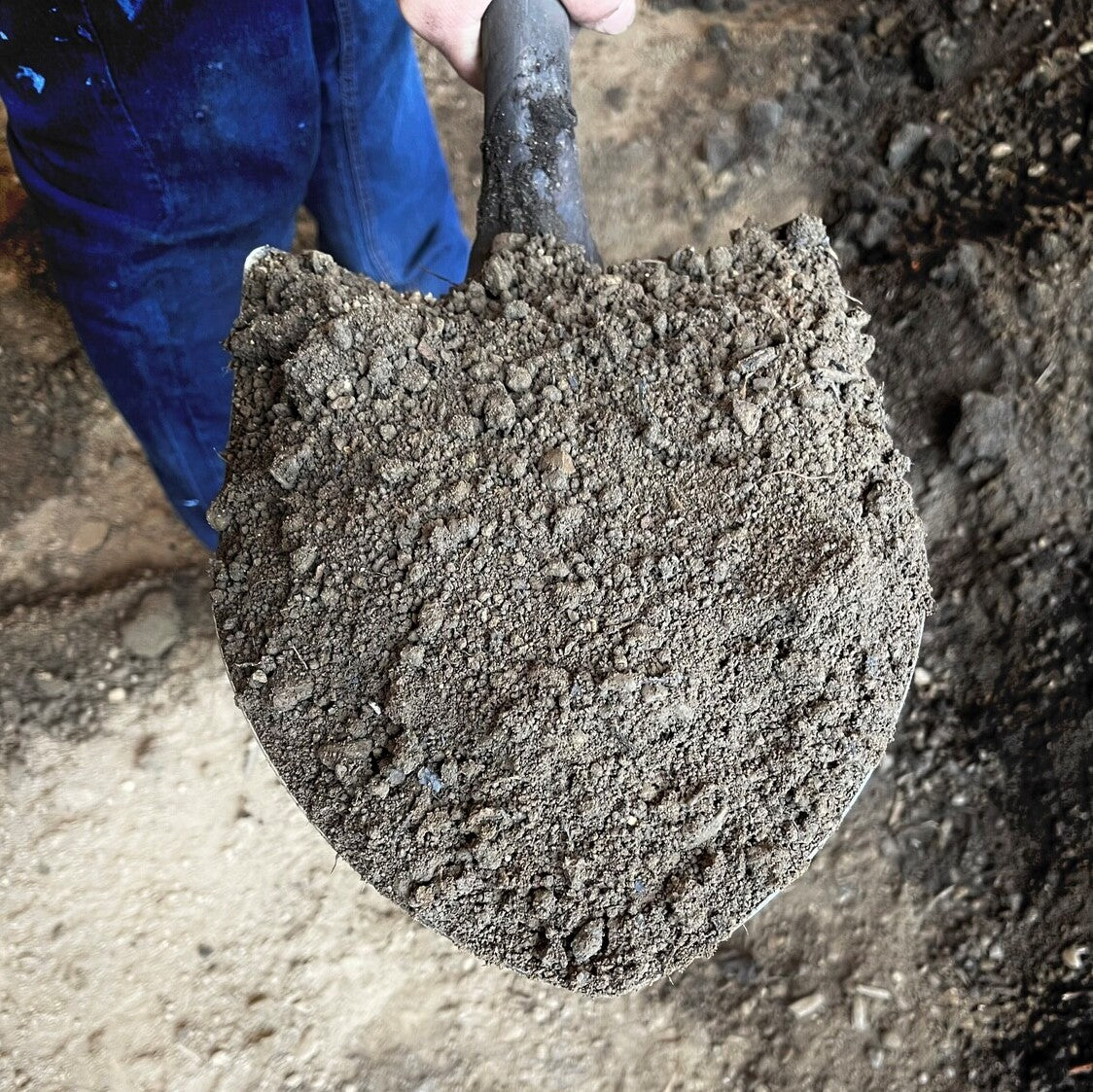
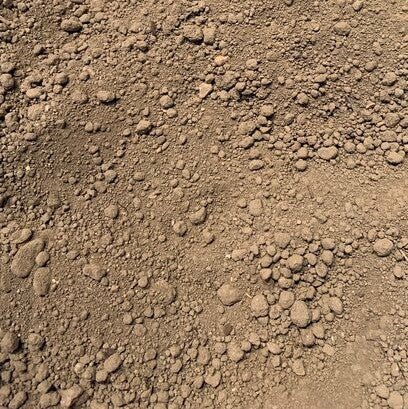
A balanced mix of topsoil and organic amendments ready for raised beds, flower gardens, and new planting areas. Good drainage, solid nutrients, easy to work with.
I used Mulch Mound to have 3 cubic yards of garden soil delivered. The process was easy and I love that I didn't have to call anyone. I placed my order online, picked my delivery date, laid out my tarp and the dirt was delivered. My delivery had to be pushed back, but I was ke...
Tell us what you're looking for
Thanks! We received your request.
Something went wrong. Please try again.
How Much Material Do I Need?
For lawn leveling over Washington Court House's existing silt loam, a 2 to 4 inch layer is usually sufficient for most low spots and uneven areas. Raised vegetable beds should be filled to at least 10 to 12 inches to give root crops enough loose, fertile material to develop fully before they encounter the denser native silt loam below.
Use our free soil calculator
What is a yard?
A yard is approximately 27 cubic feet. As a general guideline, one yard of material can cover an area of about 100-160 square feet at a 2-3 inch depth.
We can't take orders for this right now. Tell us what you need and we'll get back to you.
What do you need?
Thanks! We received your request.
Something went wrong. Please try again.
Hand-picked local yards
4,000+ regional deliveries
Dedicated support
Why order through Mulch Mound
The best local soil, without the guesswork.
We hand-pick and partner with the best yards in your region, keep only the ones our buyers rate well, and back each load with our guarantee.
Mulch Mound Guarantee
If your soil isn't the quantity or quality you ordered, we'll make it right.
About this soil
A balanced mix of topsoil and organic amendments ready for raised beds, flower gardens, and new planting areas. Good drainage, solid nutrients, easy to work with.
I used Mulch Mound to have 3 cubic yards of garden soil delivered. The process was easy and I love that I didn't have to call anyone. I placed my order online, picked my delivery date, laid out my tarp and the dirt was delivered. My delivery had to be pushed back, but I was ke...
How Much Material Do I Need?
For lawn leveling over Washington Court House's existing silt loam, a 2 to 4 inch layer is usually sufficient for most low spots and uneven areas. Raised vegetable beds should be filled to at least 10 to 12 inches to give root crops enough loose, fertile material to develop fully before they encounter the denser native silt loam below.
Use our free soil calculator
What is a yard?
A yard is approximately 27 cubic feet. As a general guideline, one yard of material can cover an area of about 100-160 square feet at a 2-3 inch depth.
I used Mulch Mound to have 3 cubic yards of garden soil delivered. The process was easy and I love that I didn't have to call anyone. I placed my o...
Read full review
I used Mulch Mound to have 3 cubic yards of garden soil delivered. The process was easy and I love that I didn't have to call anyone. I placed my order online, picked my delivery date, laid out my tarp and the dirt was delivered. My delivery had to be pushed back, but I was kept informed via text, which was great. So why not 5 stars? The description of garden soil on the website is "A balanced mix of topsoil and organic amendments ready for raised beds, flower gardens, and new planting areas. Good drainage, solid nutrients, easy to work with." What I got was more like fill dirt. It had a lot of gravel, a lot of clay, and random trash mixed in. I didn't test the soil to see if it actually had "amendments" because I already have compost and alpaca manure ready to add, but if I'd known the quality of the dirt was going to be the same as the bagged dirt I bought last year, I probably would have gotten 2 yards of top soil and a yard of leaf compost for better quality, especially since the leaf compost is cheaper. Photo of my mountain of dirt and just some of the trash I found in it.
Measure the length, width, and intended depth of your project area in feet, then multiply all three numbers together for total cubic feet and divide by 27 to convert to cubic yards. Washington Court House's silt loam causes imported soil to settle measurably after the first few heavy rains, so ordering about 10 percent more than your base calculation suggests helps you maintain the depth you need through the first season. For raised beds this is especially important, as fill material can lose an inch or more of depth after the first wet spring week.
Soil Types We Deliver in Washington Court House
Getting bulk soil delivered by the yard in Washington Court House is simple with Mulch Mound, whether you are topping off a lawn or tackling a grading project. The clay-heavy ground common across this part of Ohio often calls for quality topsoil or amendments to help new plantings take hold. We carry the varieties below in cubic yard quantities.
Top Soil
Our topsoil comes in screened or unscreened styles to match your project. Screened topsoil is filtered clean of rocks and debris, giving you a smooth, consistent texture ready for lawns, gardens, and finish grading. Unscreened works well for rough base layers where a polished result is not required.
Fill Dirt
Engineered for structural needs, Fill Dirt is the right choice for stabilizing slopes, building up low spots, and tackling heavy earthwork around your property. This unscreened material is dense and reliable, making it well suited for grading projects where bulk volume and stability matter most.
Gardening Blend
A pre-mixed blend of topsoil and organic amendments that is ready to use straight out of the load. It drains well, holds moisture through dry Ohio summers, and provides a solid nutrient base for raised beds, flower gardens, and new planting areas. A dependable all-in-one option for gardeners starting fresh.
Leaf Compost
Leaf compost adds organic matter and beneficial microbial life to tired or clay-heavy soil. Mix it into existing beds to improve drainage and water retention, or layer it as a top dressing. A natural way to build lasting soil health that works well with Ohio's growing seasons.
Complete Your Outdoor Soil Project
Finishing your new soil with a layer of hardwood mulch helps keep freshly placed topsoil from crusting over between Washington Court House's spring rain events and slows summer moisture loss. Stone edging or gravel borders around raised beds also define the space cleanly and help prevent soil from washing onto surrounding turf during heavy downpours.
How do I know if I actually need to bring in topsoil or if I can just amend the silt loam I already have?
If your existing silt loam is mostly intact and just lacking organic matter, amendment with compost may be enough for garden beds. However, if you have low spots that hold standing water after Washington Court House spring rains, bare patches where topsoil has eroded, or areas where construction has stripped the original soil profile, bringing in fresh bulk topsoil is the more practical solution. Amendment works gradually over multiple seasons, while imported topsoil gives you a usable surface immediately for grading, seeding, or planting.
Answer
My backyard has low areas that stay wet and muddy for days after every big rain. Can bulk topsoil fix that?
Bulk topsoil can absolutely help when used to regrade low spots and redirect surface water away from problem areas. Washington Court House's silt loam drains slowly by nature, so the key is building up the low areas with topsoil and sloping the surface gently toward your yard's natural drainage path rather than simply filling the depression flat. A modest 2 percent slope is enough to move water effectively without creating erosion on the surrounding silt loam surface during heavy April and May rain events.
Answer
What is the best time of year to spread topsoil for a new garden bed in Washington Court House?
The window between Washington Court House's last frost on April 20 and the end of May is an excellent time to install new garden beds, because the soil is warming and microbial activity is picking up after winter dormancy. Spreading bulk topsoil during this period gives it time to knit together with the existing silt loam before you plant, leading to better root contact and more consistent moisture levels. Fall is also a solid option, allowing the soil to settle and consolidate through winter so your beds are ready to plant the moment that late-April frost window closes.
Answer
How much topsoil do I need for a raised bed that is 8 feet by 4 feet and 12 inches deep?
An 8 by 4 foot bed at 12 inches deep requires about 32 cubic feet of material, which works out to roughly 1.2 cubic yards. Because Washington Court House's rainfall will cause the soil to settle noticeably after the first few wet weeks, ordering 1.5 cubic yards for that bed size gives you enough to top off after initial settling without a second delivery. A little extra is always easier to manage than running short mid-project.
Answer
Will imported topsoil mix well with the existing silt loam in my Washington Court House yard?
Quality bulk topsoil blends well with native silt loam as long as you work the transition zone lightly with a tiller or garden fork before adding the new material on top. This helps the two layers bond rather than sitting as distinct strata, which can create a drainage barrier at the interface point. In Washington Court House's wet springs, a sharp boundary between soil types can cause water to pool right at the seam, so taking a few minutes to rough up the existing surface before placing new topsoil makes a real difference in how the bed performs.
Answer
Can I use bulk topsoil to level out my lawn before I overseed it this fall?
Yes, topdressing with bulk topsoil before overseeding is one of the most effective ways to improve an uneven lawn in Washington Court House. Apply no more than half an inch to an inch at a time over existing grass so the turf crowns are not smothered, and work the soil lightly into the low spots with a rake before spreading seed. Timing this work in late August or early September gives grass seed enough time to establish root depth before the October 15 first frost arrives, which is critical for survival through a Zone 6b winter.
Answer
How deep should I add topsoil for a new vegetable garden being built on top of my existing silt loam?
For a ground-level vegetable garden built over existing silt loam, adding 8 to 10 inches of quality topsoil gives most vegetables and root crops enough loose, fertile material for strong development. Silt loam is workable enough that vegetable roots can eventually penetrate deeper, but starting with a generous topsoil layer means plants establish faster and produce better through Washington Court House's growing season. For root crops like carrots and parsnips specifically, the full 10 to 12 inches makes a noticeable difference in root quality and yield.
Mulch Mound Pro Tip
The window between Washington Court House's last frost on April 20 and the final weeks of May is the best time to install new garden beds, because the soil is warm enough to support microbial activity but not yet dried out from summer heat. Spreading and lightly settling your bulk soil during this window gives it time to integrate with the existing silt loam before you plant, leading to better root contact and more consistent moisture levels throughout the growing season. Waiting until June means working in increasingly warm conditions with a shorter establishment window before midsummer heat stress sets in.
Mulch Mound Pro Tip
When grading low spots with bulk topsoil, slope the surface gently away from structures and fence lines to direct water toward your lawn's natural drainage path. Washington Court House's heavy spring rainfall means that even a shallow bowl-shaped depression can hold standing water for several days, creating a muddy patch that competes with grass establishment and can damage turf roots over repeated wet cycles. A slope of just 2 percent, which is about a quarter inch of drop per foot of run, is enough to move water without causing erosion on the silt loam surface.
Mulch Mound Pro Tip
Raised beds filled with quality bulk topsoil sidestep many of the limitations of native silt loam in Washington Court House, including the tendency to compact under rainfall and the variable organic content found across different Fayette County properties. Because raised beds drain more freely than in-ground plantings, they also warm up faster in spring, letting you plant cool-season crops a week or two before the official April 20 last frost date when using simple row cover protection. Top-dressing with a half inch of compost each fall keeps the bed productive over multiple seasons without disturbing the existing soil structure you have established.
The Unique Landscape of Washington Court House
The native silt loam in Washington Court House is a workable soil, but it comes with limitations that catch many homeowners off guard during their first full growing season. It drains slowly after the heavy spring rains common in April and May, leaving low spots in lawns soggy for days at a time and making early planting difficult. In summer the same soil can bake into a firm, compacted layer that resists root penetration and sheds light rain before it can soak in. Imported bulk topsoil allows you to correct these issues directly, whether you are grading low spots, building raised garden beds, or establishing a new lawn after the April 20 last frost date has passed. Quality bulk soil also gives you control over nutrient content that the existing silt loam, which varies widely across Fayette County properties, may not reliably provide on its own.