












Delivery was smooth and on time!
The triple shredded mulch was great quality and just what we were looking for.
About this mulch
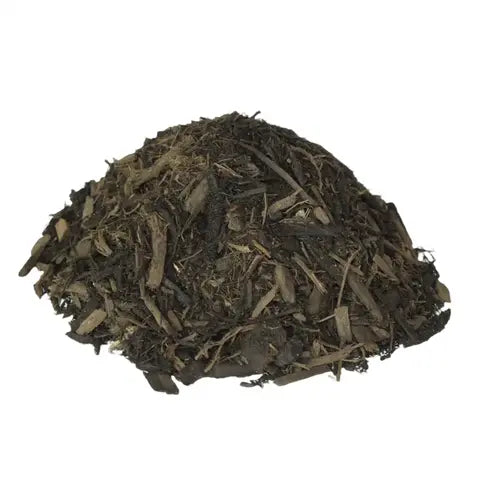
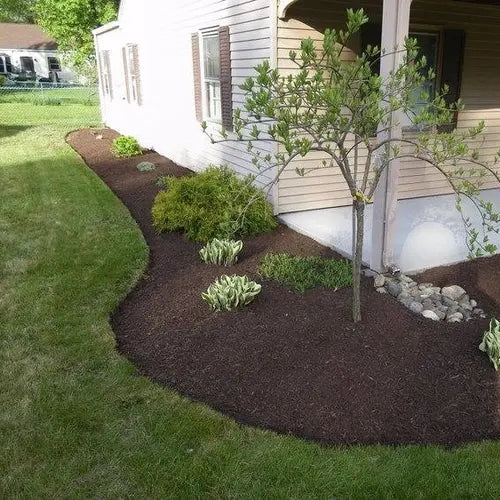
Warm brown double shredded mulch with lasting color that looks freshly applied for weeks. Spreads smooth, stays put, and gives beds a natural, polished appearance.
Delivery was smooth and on time!
The triple shredded mulch was great quality and just what we were looking for.
Tell us what you're looking for
Thanks! We received your request.
Something went wrong. Please try again.
How Much Material Do I Need?
How Much Material Do I Need?
For Waterloo's silt loam soil, plan on a minimum 3-inch mulch depth to effectively suppress weeds and protect against surface crusting from the region's 36 inches of annual rainfall. Properties with slopes or high-traffic bed areas may benefit from pushing closer to 4 inches for better stability and moisture retention.
Use our free mulch calculator
What is a yard?
What is a yard?
FAQs
FAQs
Waterloo Mulch Delivery
Waterloo Mulch Delivery
Regular price
$84.00
per
yard
Regular price
Sale price
$84.00
Unit price
per
Shipping calculated at checkout.
Minimum of 3 yard
Couldn't load pickup availability
Not currently available
We can't take orders for this right now. Tell us what you need and we'll get back to you.
Hand-picked local yards
4,000+ regional deliveries
Dedicated support
Why order through Mulch Mound
The best local mulch, without the guesswork.
We hand-pick and partner with the best yards in your region, keep only the ones our buyers rate well, and back each load with our guarantee.
Mulch Mound Guarantee
If your mulch isn't the quantity or quality you ordered, we'll make it right.
About this mulch
Warm brown double shredded mulch with lasting color that looks freshly applied for weeks. Spreads smooth, stays put, and gives beds a natural, polished appearance.
Delivery was smooth and on time!
The triple shredded mulch was great quality and just what we were looking for.
How Much Material Do I Need?
How Much Material Do I Need?
For Waterloo's silt loam soil, plan on a minimum 3-inch mulch depth to effectively suppress weeds and protect against surface crusting from the region's 36 inches of annual rainfall. Properties with slopes or high-traffic bed areas may benefit from pushing closer to 4 inches for better stability and moisture retention.
Use our free mulch calculator
What is a yard?
What is a yard?
FAQs
FAQs
Tell us what you're looking for
Thanks! We received your request.
Something went wrong. Please try again.

How It Works
Getting started is easy — just follow these simple steps
1
Choose your Mulch
Make sure you adjust the quantity to your home's needs. You can use our calculator to estimate how much you'll need.
2
Select your delivery date
Select a delivery date you'd like for the product to be dropped off at your home
3
Sit back and wait
Sit back, wait, and let us work our magic to make sure the highest quality product is delivered to your driveway.

Great experience with mulch mound. Their online calculator made it easy to estimate how many yards of mulch I needed and delivery was quick. I woul...
Read full review
Great experience with mulch mound. Their online calculator made it easy to estimate how many yards of mulch I needed and delivery was quick. I would definitely recommend them for your future projects.

We needed mulch for our HOA common areas. Local providers were all holding high prices even for 40 yards of mulch. Mulch mound was easy to wowith...
Read full review
We needed mulch for our HOA common areas. Local providers were all holding high prices even for 40 yards of mulch. Mulch mound was easy to wowith & has great price for natural mulch + delivery schedule options. They called before delivery to ensure Delivery was exactly where we wanted it.
Calculate mulch for your Waterloo project
For Waterloo's Silt Loam type of soil, we recommend 2-3 inches for best weed suppression and moisture retention
Try Our CalculatorMeasure the length and width of each bed in feet and multiply to get square footage, then add all your bed areas together before calculating. At the recommended 3-inch depth for Waterloo's silt loam soil, divide your total square footage by 100 to get the approximate cubic yards needed. Because silt loam compacts after rain, it is worth rounding your order up slightly to account for settling.



Best Mulch Choice for Waterloo Lawns
Most yards in the Waterloo area sit on Silt Loam type of soil. Waterloo's silt loam soil is fertile but prone to compacting under foot traffic and repeated rain, which squeezes out the air pockets that plant roots depend on in garden beds. A layer of hardwood mulch acts as a buffer between rainfall and the soil surface, protecting that delicate structure and keeping beds workable through the full growing season.
Hardwood Mulch
Hardwood mulch breaks down into humus over time, and in Waterloo's silt loam beds that added organic matter directly improves the soil's ability to hold moisture without staying waterlogged. As hardwood mulch decomposes through Waterloo's rainy seasons, it slowly loosens the naturally dense silt loam texture, making roots easier to establish and nutrients more available to plants season after season.
Mulch Types We Deliver in Waterloo
Mulch Mound delivers bulk mulch by the cubic yard to homes and properties across Waterloo. Finding reliable bulk mulch delivery near me is straightforward when we drop your order straight to your driveway or yard. We stock the most in-demand mulch types to match the mix of established gardens and newer builds common throughout this part of Iowa.
Dyed Black Mulch
Our double shredded Dyed Black Mulch delivers a bold contrast against green lawns and brick facades common in Iowa neighborhoods. The rich color holds through wet springs and hot summers, keeping beds looking freshly refreshed for weeks. A top pick for homeowners who want clean, dramatic curb appeal.
Dyed Brown Mulch
Dyed Brown Mulch comes in a double shredded cut that lays smooth and stays in place through heavy Iowa rains. The warm brown tone pairs naturally with the clay-heavy soils common in this region, giving beds a tidy, finished look that suits both traditional and contemporary home styles.
Natural Brown Mulch
Natural Brown Mulch is double shredded and dye-free, letting the wood's own warm tone do the work. It is a popular choice for Waterloo gardeners who prefer an organic look that blends into native plantings and the region's wooded backdrops. Gentle on plants and good for retaining moisture.
Complete Your Outdoor Mulch Project
Pairing bulk mulch with quality garden soil from our soil page gives Waterloo beds a full foundation, using the soil to build up and amend planting areas before laying mulch on top. Adding a stone border from our stone selection also helps contain mulch during heavy rains and gives beds a polished, defined edge through the entire season.


Service area
Areas we deliver mulch in Waterloo, Iowa
Mulch Mound Pro Tip
Waterloo's silt loam soil has a reputation for forming a hard crust after repeated rain events, which blocks air and water from reaching roots even when beds look moist on the surface. Before laying fresh mulch each spring, use a hand rake to lightly scarify the top inch of exposed soil in your beds to break that crust up. Then apply your mulch layer and you will see noticeably better moisture retention and plant response through the summer.
Mulch Mound Pro Tip
Because Waterloo's first frost typically arrives around October 4, the fall transition window is shorter than many homeowners expect. Do not pull mulch back from perennial beds as the season winds down. Instead, top off any areas that have thinned to less than 2 inches so roots head into the Zone 5a winter with adequate insulation. This one step reduces winter die-off in borderline-hardy perennials more than almost anything else you can do in the fall.
Mulch Mound Pro Tip
Waterloo receives about 36 inches of rain annually, with a good portion arriving as heavy spring and early summer storms. That rainfall is a double benefit for mulched beds because it pushes moisture down through the mulch layer into the silt loam below and simultaneously helps the mulch begin breaking down into organic matter. To take full advantage, make sure your mulch layer is fully intact before the May and June rain peak so the soil beneath stays loose and absorbent rather than sealing off from direct raindrop impact.
The Unique Landscape of Waterloo
Waterloo's silt loam soil is naturally prone to crusting and compaction, especially after the region's frequent spring and summer rain events that total around 36 inches per year. Without a protective mulch layer, that surface crusting blocks water from penetrating plant roots and accelerates runoff across beds and borders. Waterloo's growing season runs from late April through early October, meaning plants spend nearly half the year exposed to Iowa's wide temperature swings, and mulch is critical for moderating soil temperatures on both ends of that window. The area's Zone 5a winters can push ground frost deep, and mulch left in place through fall helps insulate root systems heading into those cold months. Keeping beds consistently mulched also reduces the aggressive weed pressure that Waterloo gardeners deal with through the long, humid summer stretch.