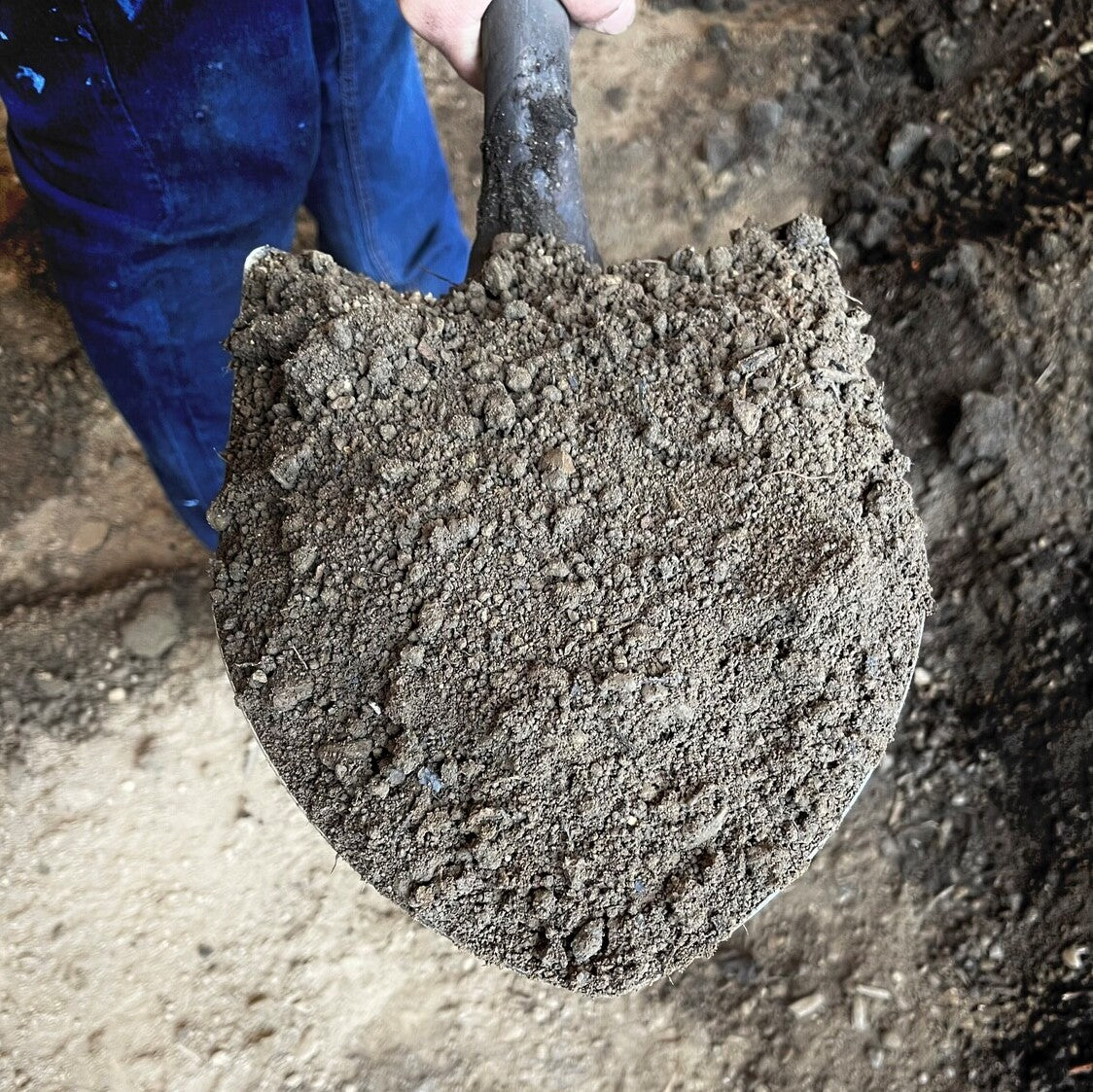
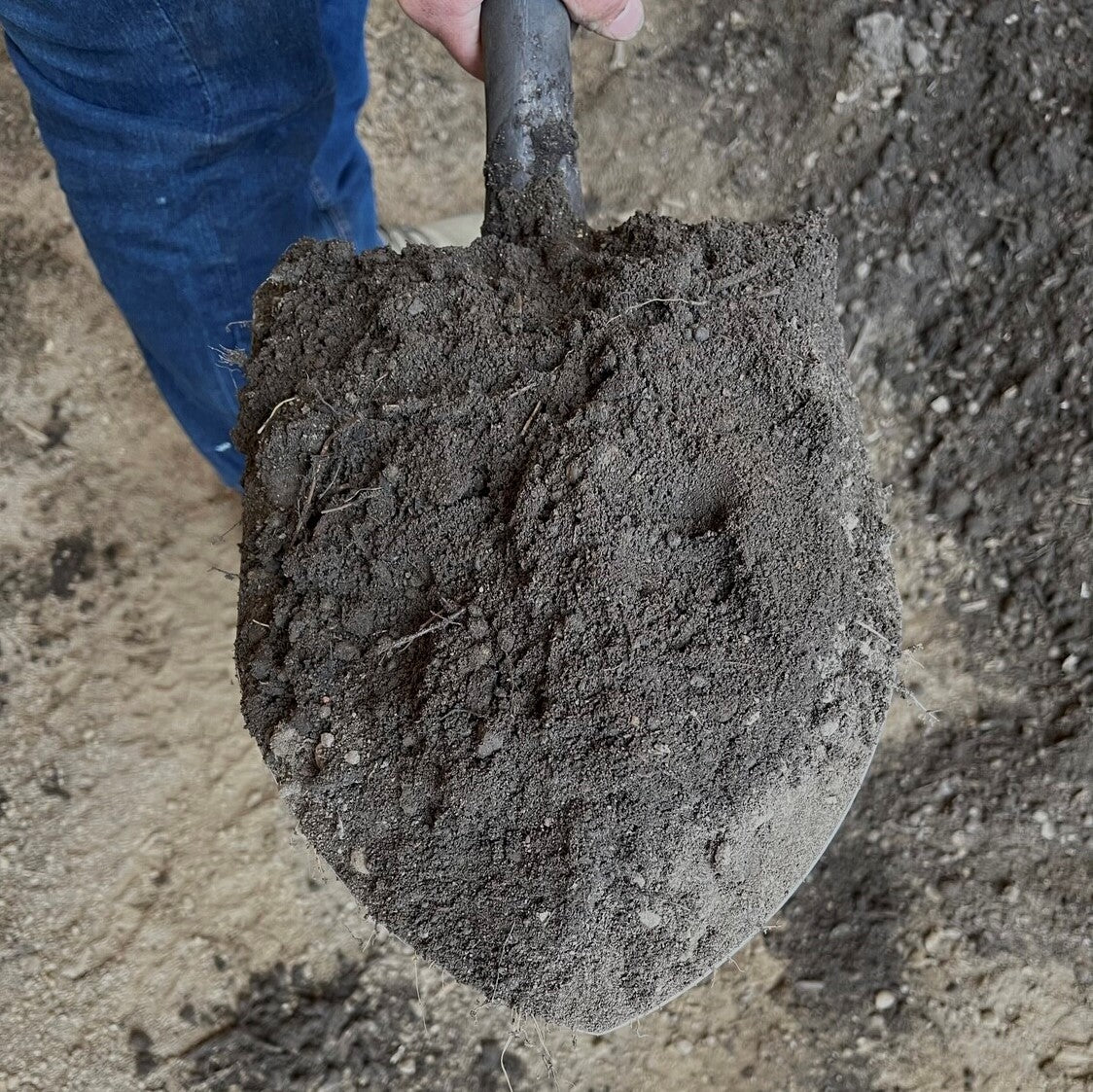
Quality topsoil for lawns, gardens, and landscape projects. Nutrient rich and ready to support strong root development and healthy plant establishment.
Great experience - not only was this the most affordable option for dirt delivery in Cleveland heights, but the delivery was fast and friendly. Got exactly what I needed and the truck got as close as possible to where I needed the dirt - even in my cramped driveway. Will be us...
Tell us what you're looking for
Thanks! We received your request.
Something went wrong. Please try again.
How Much Material Do I Need?
For raised garden beds and planting areas in Waterloo, aim for a minimum of 8 to 12 inches of quality soil to give roots room to develop above the native silt loam layer below. For lawn leveling and topdressing, a 1 to 2 inch layer worked into low spots is typically enough for areas that hold water after Waterloo's heavy spring rains.
Use our free soil calculator
What is a yard?
A yard is approximately 27 cubic feet. As a general guideline, one yard of material can cover an area of about 100-160 square feet at a 2-3 inch depth.
We can't take orders for this right now. Tell us what you need and we'll get back to you.
What do you need?
Thanks! We received your request.
Something went wrong. Please try again.
Hand-picked local yards
4,000+ regional deliveries
Dedicated support
Why order through Mulch Mound
The best local soil, without the guesswork.
We hand-pick and partner with the best yards in your region, keep only the ones our buyers rate well, and back each load with our guarantee.
Mulch Mound Guarantee
If your soil isn't the quantity or quality you ordered, we'll make it right.
About this soil
Quality topsoil for lawns, gardens, and landscape projects. Nutrient rich and ready to support strong root development and healthy plant establishment.
Great experience - not only was this the most affordable option for dirt delivery in Cleveland heights, but the delivery was fast and friendly. Got exactly what I needed and the truck got as close as possible to where I needed the dirt - even in my cramped driveway. Will be us...
How Much Material Do I Need?
For raised garden beds and planting areas in Waterloo, aim for a minimum of 8 to 12 inches of quality soil to give roots room to develop above the native silt loam layer below. For lawn leveling and topdressing, a 1 to 2 inch layer worked into low spots is typically enough for areas that hold water after Waterloo's heavy spring rains.
Use our free soil calculator
What is a yard?
A yard is approximately 27 cubic feet. As a general guideline, one yard of material can cover an area of about 100-160 square feet at a 2-3 inch depth.
Great experience - not only was this the most affordable option for dirt delivery in Cleveland heights, but the delivery was fast and friendly. Got...
Read full review
Great experience - not only was this the most affordable option for dirt delivery in Cleveland heights, but the delivery was fast and friendly. Got exactly what I needed and the truck got as close as possible to where I needed the dirt - even in my cramped driveway. Will be using again and recommending to my neighbors.
Start by measuring the length, width, and desired depth of the area you are filling in feet, then divide the depth in inches by 12 to convert to feet before multiplying all three dimensions together for cubic feet. Divide that number by 27 to get cubic yards. For Waterloo lawn leveling projects, remember that silt loam native soil often has uneven low spots of varying depths across the yard, so walk the area and estimate an average fill depth before calculating.
Soil Types We Deliver in Waterloo
Mulch Mound delivers bulk topsoil by the yard in Waterloo, bringing quality soil materials directly to your driveway or project site. Whether you are restoring a lawn, building raised beds, or preparing new planting areas, we measure every order by the cubic yard. Our selection covers the most common soil needs for residential and commercial projects across this part of Iowa.
Screened Top Soil
Finely screened to remove rocks and debris, this top soil delivers a clean, workable texture ideal for lawn repairs, raised garden areas, and general grading. Iowa homes with heavy native clay often benefit from a fresh layer of screened top soil to improve growing conditions and support strong seed germination.
Planting Mix
A premixed blend of topsoil and compost, this mix is an excellent choice for raised beds, vegetable gardens, and general planting areas. The balanced texture drains well while holding enough moisture to support healthy growth through the warm Iowa growing season, making it a popular option for backyard gardeners.
Garden Compost
Made from aged leaf material, this organic compost works as a natural soil amendment that improves drainage in heavy soils common to this part of Iowa. Mixing it into garden beds or spreading it over lawn areas boosts organic matter, feeds beneficial soil life, and helps plants retain moisture during dry summer stretches.
Complete Your Outdoor Soil Project
Topping filled garden beds with a layer of bulk mulch from our mulch page helps lock moisture into your new soil through Waterloo's summer dry spells and reduces surface crusting on fresh silt loam blends. For areas around beds and borders where you want low-maintenance ground cover, our stone products pair well with freshly graded soil edges to keep everything contained and polished.
Is the native silt loam in Waterloo good enough for vegetable gardens, or do I need to bring in soil?
Waterloo's native silt loam is moderately fertile and can grow vegetables, but it has two real drawbacks for dedicated garden beds. It compacts easily and can become waterlogged during heavy spring rains, both of which stress vegetable roots. Mixing in or topping beds with a quality bulk garden soil that includes compost and organic matter gives you a loose, well-drained growing medium that vegetables respond to much better than straight silt loam alone.
Answer
How much topsoil do I need to level out low spots in my Waterloo lawn?
For minor depressions up to a couple of inches deep, a thin topdressing of fine topsoil worked into the grass is usually enough. For more significant low spots that hold water after Waterloo's spring rains, you may need 2 to 4 inches of fill across the affected area before reseeding. Measuring those areas and using our calculator will give you a solid bulk estimate before you order.
Answer
When is the best time to add soil and prep beds in Waterloo?
Target the two to three weeks leading up to Waterloo's average last frost of April 27. Soil can be worked and placed as soon as the ground is no longer frozen and muddy from snowmelt, which in Waterloo typically means late March through April. Getting beds filled and settled before that last frost date means you can transplant starts or direct sow seeds almost immediately once the danger of frost has passed.
Answer
Will bulk topsoil settle a lot after delivery in Waterloo?
Yes, all bulk soil settles after placement, and Waterloo's rainfall accelerates that process. Plan for roughly 10 to 15 percent settling, so if you need a 4-inch finished depth, bring your grade up to about 4.5 inches after spreading. Watering the soil in after placement and giving it a few days to settle before planting will give you a more accurate final grade.
Answer
What kind of soil works best for raised garden beds in Waterloo?
A blended garden soil with compost mixed in is the best choice for raised beds in Waterloo. Because raised beds sit above the native silt loam, they drain faster than in-ground beds, especially during Waterloo's summer dry stretches between rain events. A mix with good organic matter content holds moisture longer, reducing how often you need to water during July and August when Waterloo can go two to three weeks without meaningful rainfall.
Answer
Can I use bulk soil to improve drainage in areas of my yard that stay wet?
Bulk topsoil can help raise grades in low-lying areas so water sheds away rather than pooling, which is a common issue in Waterloo yards during the spring rain season. However, if drainage problems are severe, soil alone may not be enough. Pairing a grade correction with a stone drainage layer underneath or along the edges of the problem area gives water a path to move away from the surface faster, and our stone products work well alongside that approach.
Answer
How do I know if I need topsoil or garden soil for my Waterloo project?
Use topsoil for structural work like filling, grading, and leveling your lawn or yard. Use garden soil or a blended mix for planting areas, raised beds, and vegetable gardens where plants need nutrients, drainage, and loose texture to establish roots. In Waterloo, many homeowners use topsoil to build up a rough grade first, then cap their planting areas with a few inches of garden blend on top for the best of both worlds.
Mulch Mound Pro Tip
When filling raised beds or new planting areas in Waterloo, do not skip the step of loosening the native silt loam surface before adding your bulk soil on top. Silt loam compacts into an almost layer-like barrier when undisturbed, and if you pile new soil directly on top without breaking that surface, roots can struggle to cross the transition zone between the two layers. Use a garden fork to loosen the top 3 to 4 inches of native soil before spreading your new material.
Mulch Mound Pro Tip
Waterloo's compressed Zone 5a growing season means you want every day of warm weather to count. Preparing your soil beds in fall, before the October 4 first frost, gives the material a full winter to settle and consolidate so it is ready for planting the moment conditions allow in spring. Fall-prepped beds also benefit from freeze and thaw cycles that further break down clods and improve soil texture by the time April arrives.
Mulch Mound Pro Tip
Waterloo receives 36 inches of rain per year, with much of it concentrated in spring and early summer. When grading soil around your foundation or in low-lying yard areas, always pitch the finished grade away from structures by at least 1 inch per foot for the first 6 feet. That simple slope lets Waterloo's heavy rain events shed water away from your home rather than pooling at the base, protecting both the foundation and the soil you just brought in.
The Unique Landscape of Waterloo
Waterloo sits on naturally occurring silt loam, a soil type that is moderately fertile but comes with real limitations for homeowners trying to build gardens, level lawns, or prep raised beds. Silt loam compacts readily under foot traffic and equipment, and years of lawn use often leave yards with uneven, sunken areas that collect water during Waterloo's 36 inches of annual rainfall. Bringing in quality bulk topsoil or garden blend allows you to correct grades, fill low spots, and build up planting areas with a growing medium that has the structure and drainage your plants actually need. The Zone 5a growing season in Waterloo is compressed, running roughly from late April through early October, so having beds prepared and filled with the right soil before the last frost date of April 27 is critical to getting plants established quickly. Whether you are starting a vegetable garden, raising a lawn area, or building out landscape beds, the right bulk soil makes the difference between plants that struggle and plants that thrive.