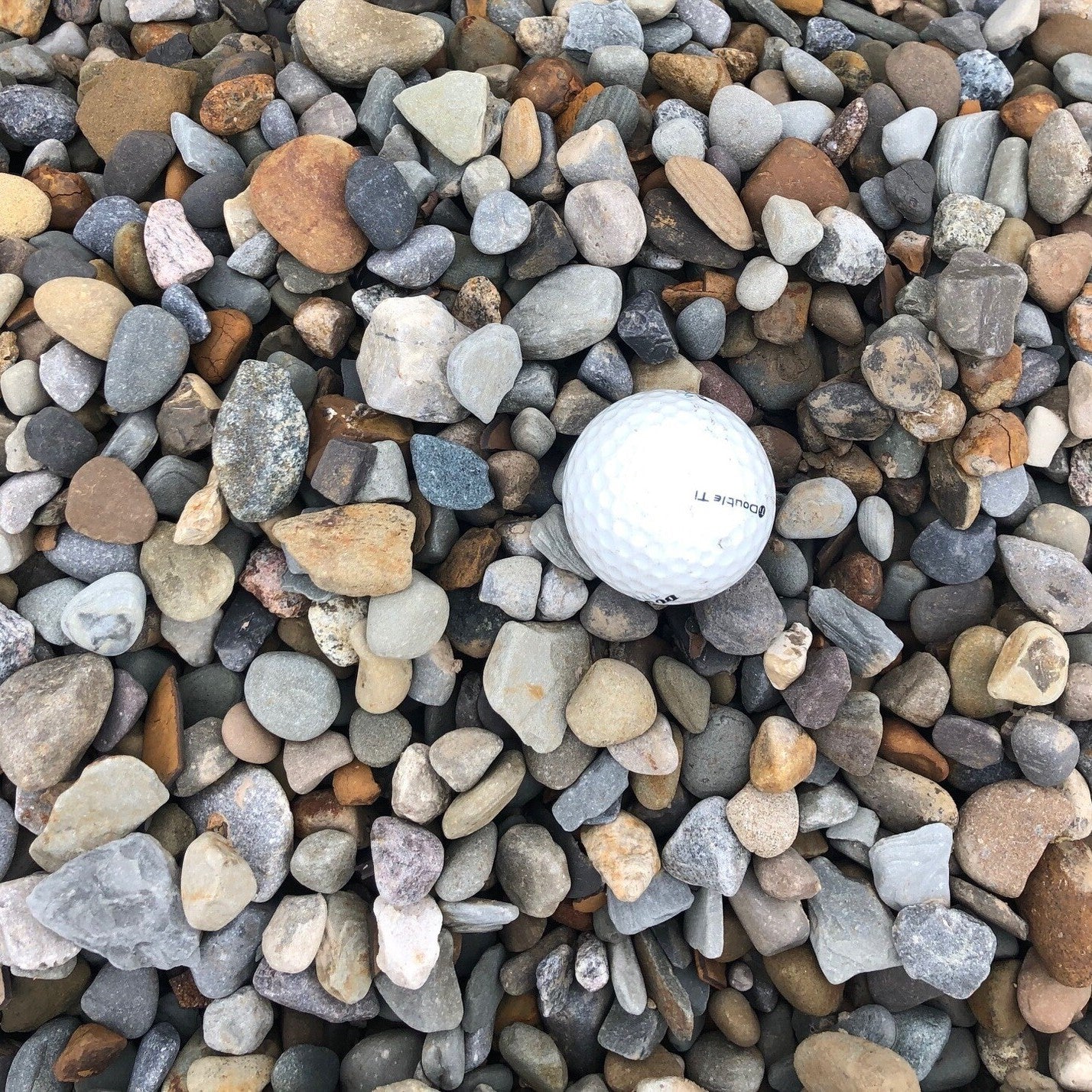
Number 57 crushed stone, angular limestone graded to about three quarters of an inch. The standard driveway, base and drainage gravel, it locks together under traffic and drains fast.
Mulch Mound delivered a yard of pea gravel to us. Delivery was on time, driver was friendly and hit a bullseye on the “tarp target”. We used the pea gravel (which was diameter as specified) to fill several muskrat holes around our pond. I would definitely recommend Mulch Mo...
Tell us what you're looking for
Thanks! We received your request.
Something went wrong. Please try again.
How Much Material Do I Need?
For pathways and high-traffic areas on Waterloo's silt loam soil, a minimum of 3 to 4 inches of compacted stone is needed to prevent sinking and rutting after rain events. For decorative coverage in garden borders and foundation beds, 2 to 3 inches provides adequate coverage and weed suppression without over-building.
Use our free gravel calculator
What is a yard?
A yard is approximately 27 cubic feet. As a general guideline, one yard of material can cover an area of about 100-160 square feet at a 2-3 inch depth.
We can't take orders for this right now. Tell us what you need and we'll get back to you.
What do you need?
Thanks! We received your request.
Something went wrong. Please try again.
Hand-picked local yards
4,000+ regional deliveries
Dedicated support
Why order through Mulch Mound
The best local stone, without the guesswork.
We hand-pick and partner with the best yards in your region, keep only the ones our buyers rate well, and back each load with our guarantee.
Mulch Mound Guarantee
If your stone isn't the quantity or quality you ordered, we'll make it right.
About this stone
Number 57 crushed stone, angular limestone graded to about three quarters of an inch. The standard driveway, base and drainage gravel, it locks together under traffic and drains fast.
Mulch Mound delivered a yard of pea gravel to us. Delivery was on time, driver was friendly and hit a bullseye on the “tarp target”. We used the pea gravel (which was diameter as specified) to fill several muskrat holes around our pond. I would definitely recommend Mulch Mo...
How Much Material Do I Need?
For pathways and high-traffic areas on Waterloo's silt loam soil, a minimum of 3 to 4 inches of compacted stone is needed to prevent sinking and rutting after rain events. For decorative coverage in garden borders and foundation beds, 2 to 3 inches provides adequate coverage and weed suppression without over-building.
Use our free gravel calculator
What is a yard?
A yard is approximately 27 cubic feet. As a general guideline, one yard of material can cover an area of about 100-160 square feet at a 2-3 inch depth.
Mulch Mound delivered a yard of pea gravel to us. Delivery was on time, driver was friendly and hit a bullseye on the “tarp target”. We used the ...
Read full review
Mulch Mound delivered a yard of pea gravel to us. Delivery was on time, driver was friendly and hit a bullseye on the “tarp target”. We used the pea gravel (which was diameter as specified) to fill several muskrat holes around our pond. I would definitely recommend Mulch Mound to a friend!
To estimate stone needs, measure the length and width of your coverage area in feet and multiply for square footage, then decide on your depth in inches and divide that figure by 12 to convert to feet. Multiply all three numbers together for cubic feet, then divide by 27 for cubic yards, or multiply cubic yards by about 1.4 to convert to tons for crushed stone. For Waterloo drainage and pathway projects, always plan for the full recommended depth because silt loam soil compresses under the weight of stone over time and can reduce your effective layer thickness.
Stone Types We Deliver in Waterloo
Mulch Mound brings bulk stone delivery straight to Waterloo homes and properties, measured by the cubic yard so you get exactly what your project calls for. Whether you are searching for bulk gravel by the yard in Waterloo or just need a reliable local source, we load and haul so you skip the hardware store runs. Our stone is sold loose in bulk, making it easy to cover large areas at a price that makes sense.
Pea Gravel
Smooth and rounded with warm earth tones, pea gravel is a popular choice for Waterloo yards where clay-heavy soil needs better drainage around garden beds and walkways. Its small, uniform size packs comfortably underfoot on patios and paths, and it stays attractive through Iowa freeze-thaw cycles without cracking or shifting dramatically.
Complete Your Outdoor Stone Project
Pairing bulk stone with quality topsoil from our soil page is a great combination for grading a problem area and then laying stone over the corrected surface for a permanent drainage solution. Adding mulch from our mulch page to adjacent planting beds gives your Waterloo landscape a clean contrast between stone hardscape areas and the softer organic planted zones.
One of the most common issues Waterloo homeowners encounter with decorative stone is silt migration. Over time, Waterloo's rain events wash fine silt loam particles up through the stone layer, creating a muddy mess on the surface and giving weeds a foothold. Installing a quality non-woven landscape fabric beneath your stone before placement dramatically slows that process. Choose a fabric rated for stone applications rather than thin film varieties, and overlap seams by at least 6 inches for best results.
Mulch Mound Pro Tip
Waterloo's silt loam softens significantly after the ground thaws in early spring, which can cause stone paths and parking areas to sink slightly from winter pressure. Before adding fresh stone to a path each spring, use a hand tamper or plate compactor to re-firm the existing base material. Topping a soft base with new stone without re-compacting first just pushes the problem deeper and leads to faster sinking through the next rain season.
Mulch Mound Pro Tip
If you are using stone along your foundation border in Waterloo, make sure the stone layer pitches very slightly away from the house rather than sloping toward it. Even a gentle downward grade toward the home can channel water directly to your foundation during heavy rains, and Waterloo's silt loam holds moisture against structures longer than sandy soils would. A simple 1-inch drop per 4 feet of stone width away from the foundation keeps water moving in the right direction through every spring storm.
The Unique Landscape of Waterloo
Stone is one of the most practical landscape materials for Waterloo homeowners because it addresses several challenges that the local climate and soil create together. Waterloo's silt loam erodes and compacts under foot traffic, making gravel and crushed stone pathways a far more durable surface than grass or bare soil for high-use routes around the property. The region's 36 inches of annual rainfall also makes drainage a recurring concern, and a well-placed stone layer in problem areas moves water away from foundations and planting beds faster than any other ground cover. Decorative stone around the base of trees, along fence lines, and in low-maintenance border areas eliminates mowing and mulch maintenance in spots where grass struggles to thrive through Waterloo's variable seasons. Stone also holds up through Waterloo's Zone 5a winters without degrading, shifting significantly, or requiring seasonal replacement the way organic materials do.
Frequently Asked Questions
Click a question to see the answer
Answer
What type of stone works best for drainage problems in my Waterloo yard?
For drainage correction in Waterloo, a clean crushed limestone or pea gravel in the 3/4 inch to 1 inch range works very well. The angular surfaces of crushed stone lock together while still allowing water to flow through the voids, which helps channel runoff away from low spots that collect water during Waterloo's heavy spring rains. Pea gravel works well in French drain trenches alongside foundation walls where silt loam soil tends to hold water against the structure.
Answer
Will stone stay in place through Waterloo winters, or will frost heaving move it around?
Bulk stone holds up extremely well through Waterloo's Zone 5a winters compared to other landscape materials. Larger aggregate and crushed stone settle into themselves and are not significantly affected by frost heaving the way pavers or edging can be. Fine gravel in flat areas may shift slightly with freeze and thaw cycles in March, but a simple top-up in spring is all it typically takes to refresh a path or decorative bed.
Answer
How deep should I lay stone for a gravel path in my Waterloo yard?
For a functional gravel path on Waterloo's silt loam soil, a 3 to 4 inch depth of compacted stone base is recommended. Silt loam is prone to shifting under weight when wet, so the extra depth provides stability and prevents the path surface from sinking into the ground after Waterloo's spring rain season softens the soil. Adding a layer of landscape fabric underneath the stone is also a good idea to prevent silt from migrating up into the gravel over time.
Answer
Can I use decorative stone instead of mulch in my Waterloo garden beds?
You can, and many Waterloo homeowners prefer stone in specific beds around foundation plantings and low-maintenance borders where they want a permanent solution that does not need annual replacement. The trade-off is that stone does not add organic matter back to the silt loam soil the way mulch does, and Waterloo's silt loam benefits from regular organic input to stay loose and productive. Stone is best reserved for areas with established shrubs or ornamentals that are not heavily dependent on continued soil improvement.
Answer
How much stone do I need to cover a gravel driveway apron or parking area?
For a gravel parking or driveway area in Waterloo, plan on a minimum of 4 inches of compacted stone. Given that silt loam becomes soft and mobile when wet from rain, undershooting depth is the most common mistake homeowners make with gravel drives, leading to rutting after spring storms. Measure your area in square feet and use our calculator for a precise estimate, factoring in the full recommended depth so your surface stays stable through the wet season.
Answer
Is river rock or crushed limestone better for erosion control on a slope in my Waterloo yard?
Crushed limestone is the better choice for erosion control on slopes in Waterloo. Its angular, irregular shape means individual pieces lock together and resist rolling or washing downhill during heavy rain events. Round river rock looks attractive but tends to migrate on slopes, especially under the force of Waterloo's intense spring storms. Use crushed limestone for functional erosion control and save the river rock for flat decorative areas or dry creek bed features where movement is less of a concern.
Answer
What stone size works best for a foundation border around my Waterloo home?
A 1.5 to 2 inch washed river stone or crushed aggregate works well for foundation borders in Waterloo. The size is large enough to resist washing away during downpours but manageable to spread and maintain. Keeping a 3 to 4 inch deep stone band around your foundation also helps with drainage, as water that lands on stone near the house filters through quickly rather than ponding against the silt loam soil and saturating the ground next to your foundation wall.