About this stone

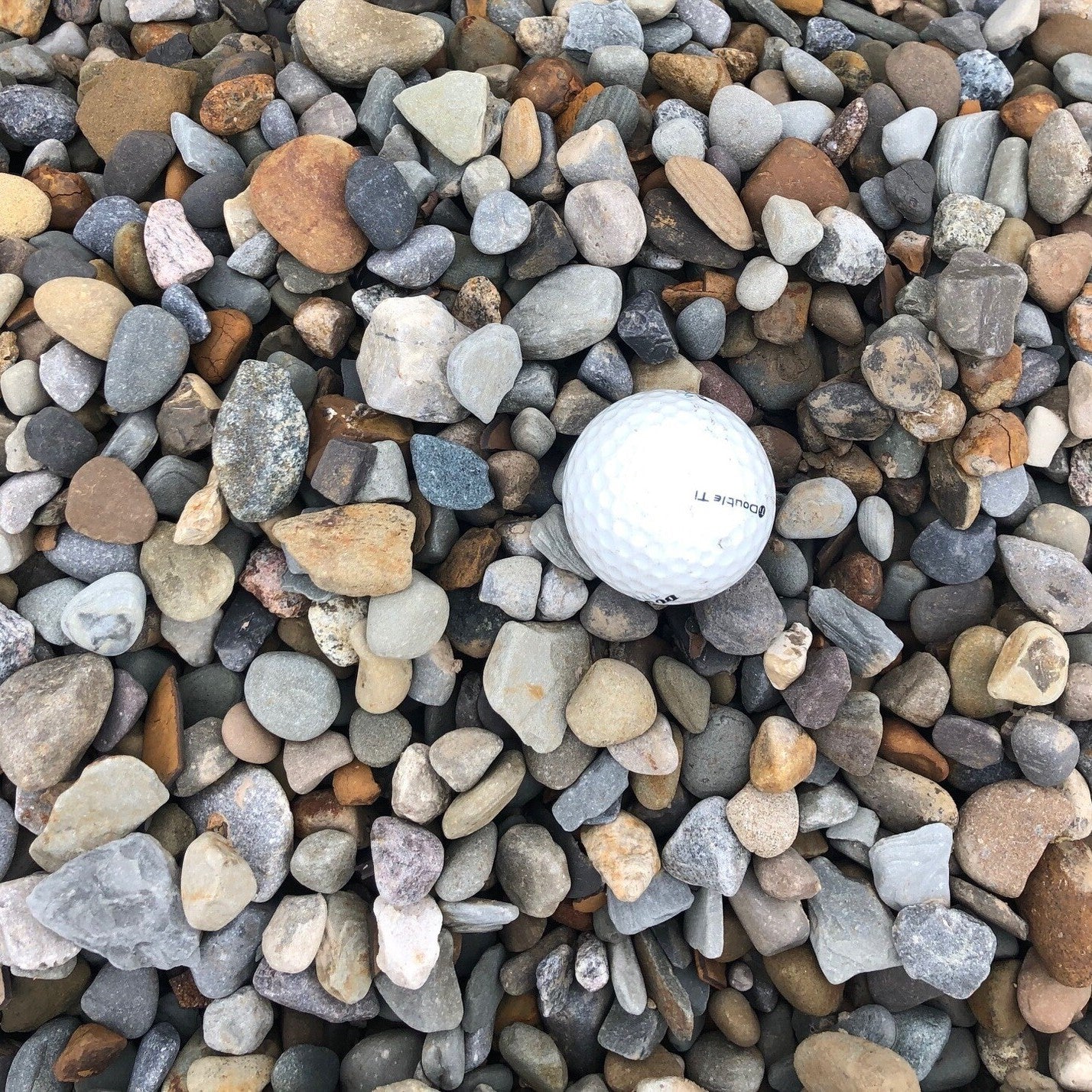
#8 washed gravel: small angular crushed stone perfect for drainage, French drains, and concrete bases.

Mulch Mound delivered a yard of pea gravel to us. Delivery was on time, driver was friendly and hit a bullseye on the “tarp target”. We used the pea gravel (which was diameter as specified) to fill several muskrat holes around our pond. I would definitely recommend Mulch Mo...

Two to three inches is enough for decorative beds and pathways, while driveways and patio bases need 4 to 8 inches of compacted crushed stone to resist the deep frost heave Watertown sees each winter. Go deeper on any surface a vehicle will cross.
Use our free stone calculator

A yard is approximately 27 cubic feet. As a general guideline, one yard of material can cover an area of about 100-160 square feet at a 2-3 inch depth.

Watertown Stone Delivery

Watertown Stone Delivery

4.7
137 reviews
Regular price $101.00 per Yard
Regular price Sale price $101.00
Sale Sold out
Shipping calculated at checkout.
Type
Size
Hand-picked local yards
4,000+ regional deliveries
Dedicated support
Why order through Mulch Mound

The best local , without the guesswork.

We hand-pick and partner with the best yards in your region, keep only the ones our buyers rate well, and back each load with our guarantee.

Mulch Mound Guarantee

If your isn't the quantity or quality you ordered, we'll make it right.

About this stone

#8 washed gravel: small angular crushed stone perfect for drainage, French drains, and concrete bases.

Mulch Mound delivered a yard of pea gravel to us. Delivery was on time, driver was friendly and hit a bullseye on the “tarp target”. We used the pea gravel (which was diameter as specified) to fill several muskrat holes around our pond. I would definitely recommend Mulch Mo...

Two to three inches is enough for decorative beds and pathways, while driveways and patio bases need 4 to 8 inches of compacted crushed stone to resist the deep frost heave Watertown sees each winter. Go deeper on any surface a vehicle will cross.
Use our free stone calculator

A yard is approximately 27 cubic feet. As a general guideline, one yard of material can cover an area of about 100-160 square feet at a 2-3 inch depth.

View full details

How It Works

Getting started is easy — just follow these simple steps

1

Choose your stone

Make sure you adjust the quantity to your home's needs. You can use our calculator to estimate how much you'll need.

2

Select your delivery date

Select a delivery date you'd like for the product to be dropped off at your home

3

Sit back and wait

Sit back, wait, and let us work our magic to make sure the highest quality product is delivered to your driveway.

From The Mouths of Watertown Folks

4.7
out of 5 based on 137 reviews
Google Reviews

Need Help Calculating How Much Stone & Gravel You Need?

Use our NEW Trace from Satellite tool to get an estimate for your project based on an aerial view of your property

Try Our Calculator
📍

Stone is sold by weight or volume but ordered by area, so measure length times width in feet and settle on your depth before you calculate. One cubic yard covers about 100 square feet at three inches and weighs roughly 1.3 to 1.5 tons, which matters for Watertown driveways with weight limits. Order slightly over, since crushed stone loses volume as it compacts.

Complete Your Outdoor Stone Project

Add woven landscape fabric under any stone installation and steel or paver edging to hold the perimeter, since spring runoff will otherwise spread stone across your lawn. A few yards of screened soil is handy for shaping swales before the stone goes in.

Map of the stone delivery area around Watertown, New York

Service area

Areas we deliver stone and gravel in Watertown, New York

Mulch Mound Pro Tip

Build a crown into any stone driveway or path. A one inch rise per four feet of width lets Watertown's snowmelt and 47 inches of rain run to the shoulders instead of soaking into the base. Water sitting in a flat gravel drive freezes, expands, and pops the surface apart by March. Rake the crown in before you compact, not after.

Mulch Mound Pro Tip

Match stone size to slope. On the steeper grades near the Black River, pea gravel and small round stone will migrate downhill with every heavy rain and end up in a pile at the bottom. Use angular crushed stone in the 1 to 2 inch range, or larger rip rap on true banks, because the flat faces lock against each other and stay put through spring runoff.

Mulch Mound Pro Tip

Keep stone away from the plow line. Anywhere a plow or snowblower passes, loose stone becomes projectiles and lawn damage by January. Set stone beds back at least two feet from the driveway edge, or install a hard edge restraint the blade can ride over. Watertown gets enough snow removal traffic that this one detail decides whether you are raking stone out of the grass every April.

The Unique Landscape of Watertown

Stone earns its keep in Watertown because our 47 inches of annual rain plus a massive lake effect snowmelt has to go somewhere, and silt loam is slow to take it in. Gravel beds, dry creek runs, and stone swales give that water a path instead of letting it pond against foundations or carve channels through mulch. Stone also survives what our winters do to organic material, staying put through months of snow load and the plow scraping the end of the driveway. Around the Black River corridor and the sloped lots on the city's edges, larger river rock and rip rap are the practical answer for banks that would otherwise erode every spring. And because stone does not decompose in a climate where wood mulch breaks down fast, it is the low maintenance choice for driveways, walkways, and utility areas. Choose the right size and you set it once and forget it.

Frequently Asked Questions

Click a question to see the answer

Answer

What size stone works best for a driveway that gets plowed all winter?

Use a compacting crushed stone with fines, like a crusher run, rather than rounded pea gravel. In Watertown the plow blade will scoop loose round stone right into the lawn by February. Crusher run locks together, and a crowned surface sheds meltwater instead of holding it in ruts.

Answer

Will stone help with the water pooling in my backyard after snowmelt?

It can, if you give the water somewhere to go. A stone lined swale or a French drain filled with washed 3/4 inch stone moves water off Watertown's slow draining silt loam toward a lower outlet. Stone alone spread over a wet low spot just gives you a wet low spot with rocks in it.

Answer

Do I need landscape fabric under stone in Watertown?

Yes, use a woven geotextile, not the thin plastic weed barrier. Our freeze and thaw cycles work stone downward into silt loam relentlessly, and within two seasons untouched stone can half disappear. A quality fabric keeps the layers separate and saves you from reordering.

Answer

Is stone a better mulch than wood for my foundation beds?

Stone lasts far longer here since wood mulch breaks down fast under our damp snowpack, and it will not wash out during heavy Watertown rain. The tradeoff is heat, so avoid it around hydrangeas or anything that resents dry roots. It works well on the north and east sides of a house and in narrow strips against siding.

Answer

How much stone do I need for a walkway or patio base?

In Zone 5a we recommend a compacted base of 4 to 6 inches of crushed stone under walkways and 6 to 8 inches under patios and driveways, because Watertown frost drives deep and a thin base will heave. For 100 square feet at 6 inches, that is roughly 2 yards.

Answer

Can you deliver stone in early spring or do I have to wait?

We deliver as soon as the roads and your access firm up, usually early to mid April in Watertown once the frost laws lift and the ground stops being spongy. A loaded stone truck will rut a soft lawn badly. If your only access is across grass, a driveway drop and a wheelbarrow is the safer plan.

Answer

Which stone looks right with the older homes in our neighborhood?

The gray and tan tones of local crushed limestone and river rock complement the brick and clapboard common in Watertown's older neighborhoods and echo the stone in the Black River gorge. Rounded river rock softens formal foundation plantings, while angular crushed stone reads cleaner along modern walkways.