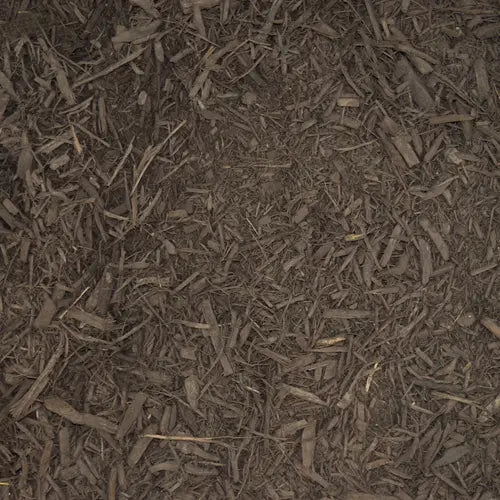
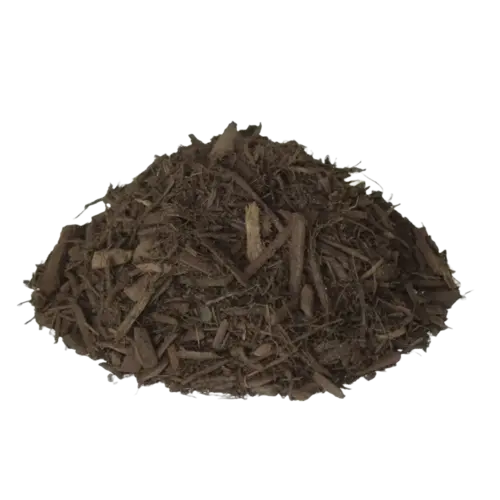
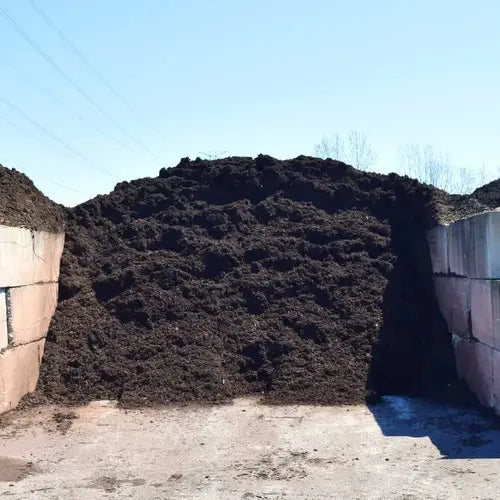
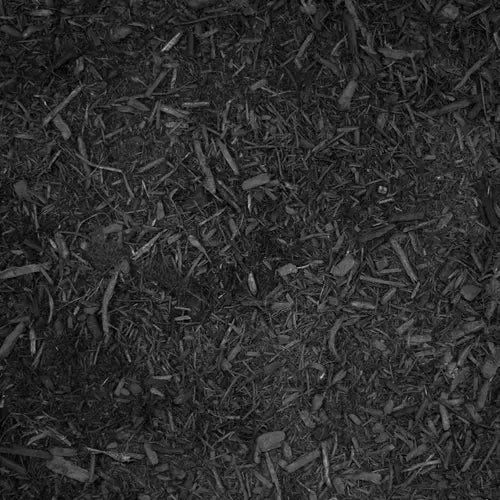
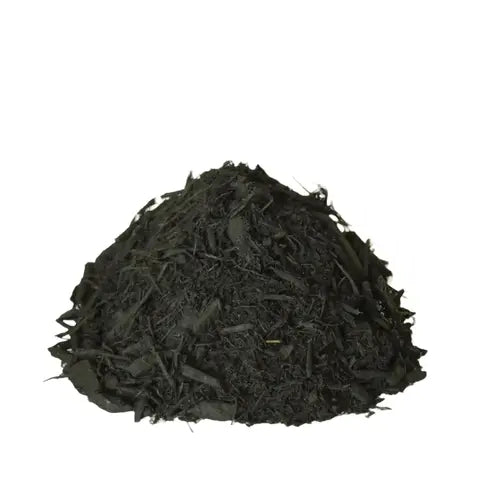
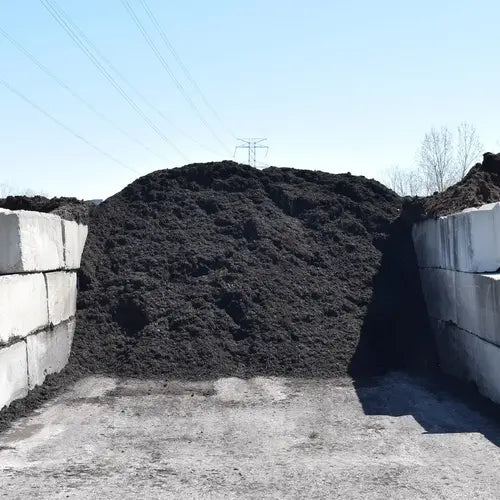
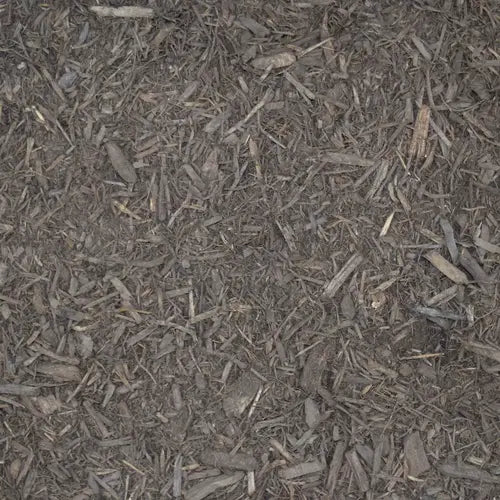
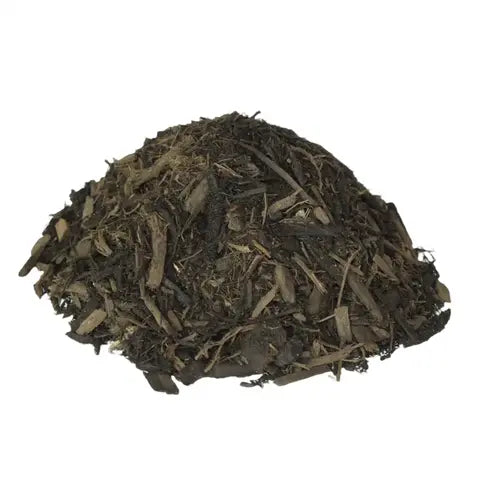
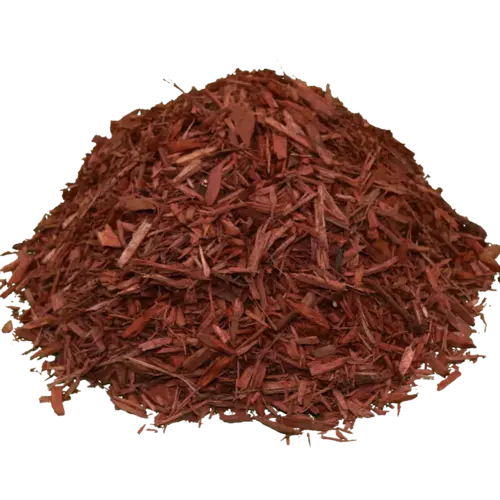
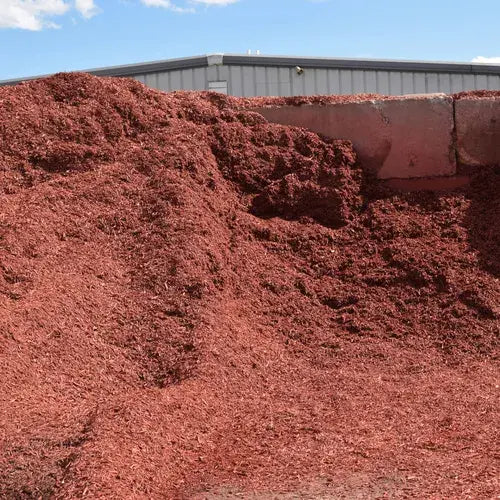
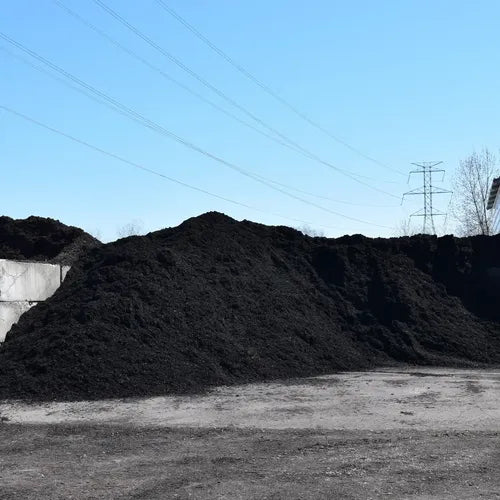
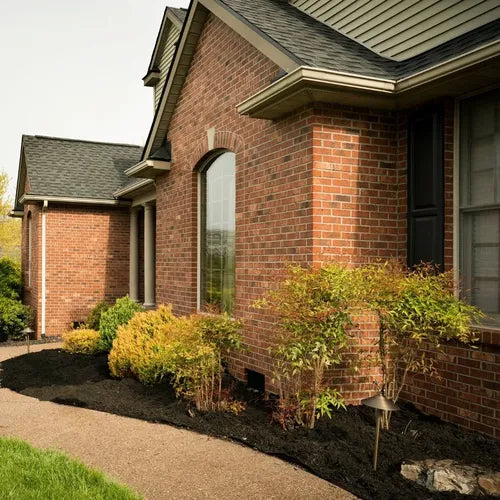
Warm brown double shredded mulch with lasting color that looks freshly applied for weeks. Spreads smooth, stays put, and gives beds a natural, polished appearance.
Mulch Mound made it so easy! So happy with the pricing, turn around time, delivery and product. I submitted my online order on a Thursday. The mulch was delivered to the designated location by a local landscape company at 8:30 a.m. the following Saturday morning. We had the...
Tell us what you're looking for
Thanks! We received your request.
Something went wrong. Please try again.
How Much Material Do I Need?
For West Allis's silt loam beds, plan on 3 inches of mulch depth to provide adequate compaction buffering and moisture retention through the growing season. Shallow applications of 1 to 2 inches break down quickly in warm, wet summers and leave soil exposed before the season ends.
Use our free mulch calculator
What is a yard?
A yard is approximately 27 cubic feet. As a general guideline, one yard of material can cover an area of about 100-160 square feet at a 2-3 inch depth.
We can't take orders for this right now. Tell us what you need and we'll get back to you.
What do you need?
Thanks! We received your request.
Something went wrong. Please try again.
Hand-picked local yards
4,000+ regional deliveries
Dedicated support
Why order through Mulch Mound
The best local mulch, without the guesswork.
We hand-pick and partner with the best yards in your region, keep only the ones our buyers rate well, and back each load with our guarantee.
Mulch Mound Guarantee
If your mulch isn't the quantity or quality you ordered, we'll make it right.
About this mulch
Warm brown double shredded mulch with lasting color that looks freshly applied for weeks. Spreads smooth, stays put, and gives beds a natural, polished appearance.
Mulch Mound made it so easy! So happy with the pricing, turn around time, delivery and product. I submitted my online order on a Thursday. The mulch was delivered to the designated location by a local landscape company at 8:30 a.m. the following Saturday morning. We had the...
How Much Material Do I Need?
For West Allis's silt loam beds, plan on 3 inches of mulch depth to provide adequate compaction buffering and moisture retention through the growing season. Shallow applications of 1 to 2 inches break down quickly in warm, wet summers and leave soil exposed before the season ends.
Use our free mulch calculator
What is a yard?
A yard is approximately 27 cubic feet. As a general guideline, one yard of material can cover an area of about 100-160 square feet at a 2-3 inch depth.
Mulch Mound made it so easy! So happy with the pricing, turn around time, delivery and product. I submitted my online order on a Thursday. The mu...
Read full review
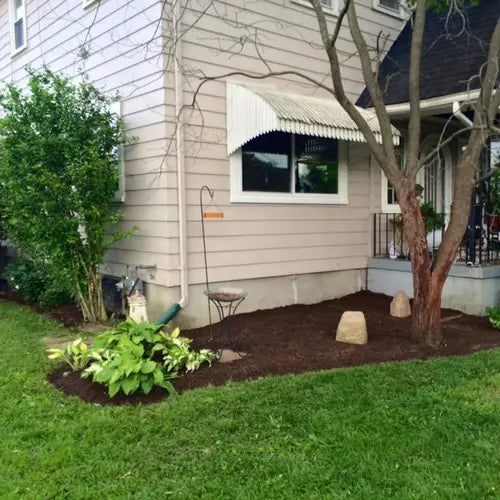
Mulch Mound made it so easy! So happy with the pricing, turn around time, delivery and product. I submitted my online order on a Thursday. The mulch was delivered to the designated location by a local landscape company at 8:30 a.m. the following Saturday morning. We had the job completed by that afternoon. We chose the natural brown mulch, and the plant beds are beautiful.
Good quality, great price, fast delivery. All online - no submitting forms and waiting for days for quotes. Getting mulch should be this easy fr...
Read full review
Good quality, great price, fast delivery. All online - no submitting forms and waiting for days for quotes. Getting mulch should be this easy from everyone. Only Mulch Mound is ACTUALLY this simple.
I highly recommend Mulch Mound. The quality of the mulch is very good. The ordering system on their website makes it very easy. The delivery driver...
Read full review
I highly recommend Mulch Mound. The quality of the mulch is very good. The ordering system on their website makes it very easy. The delivery driver did a great job placing the mulch on the driveway. To finish off, the pricing was very reasonable as well.
Measure each bed's length and width in feet and multiply to get square footage, then total all your beds together before entering a quantity. In West Allis, silt loam's tendency to compact means you should target a full 3-inch depth rather than trying to stretch a delivery with a lighter application. Ordering slightly more than your estimate gives you the buffer needed to maintain that depth uniformly across uneven ground.
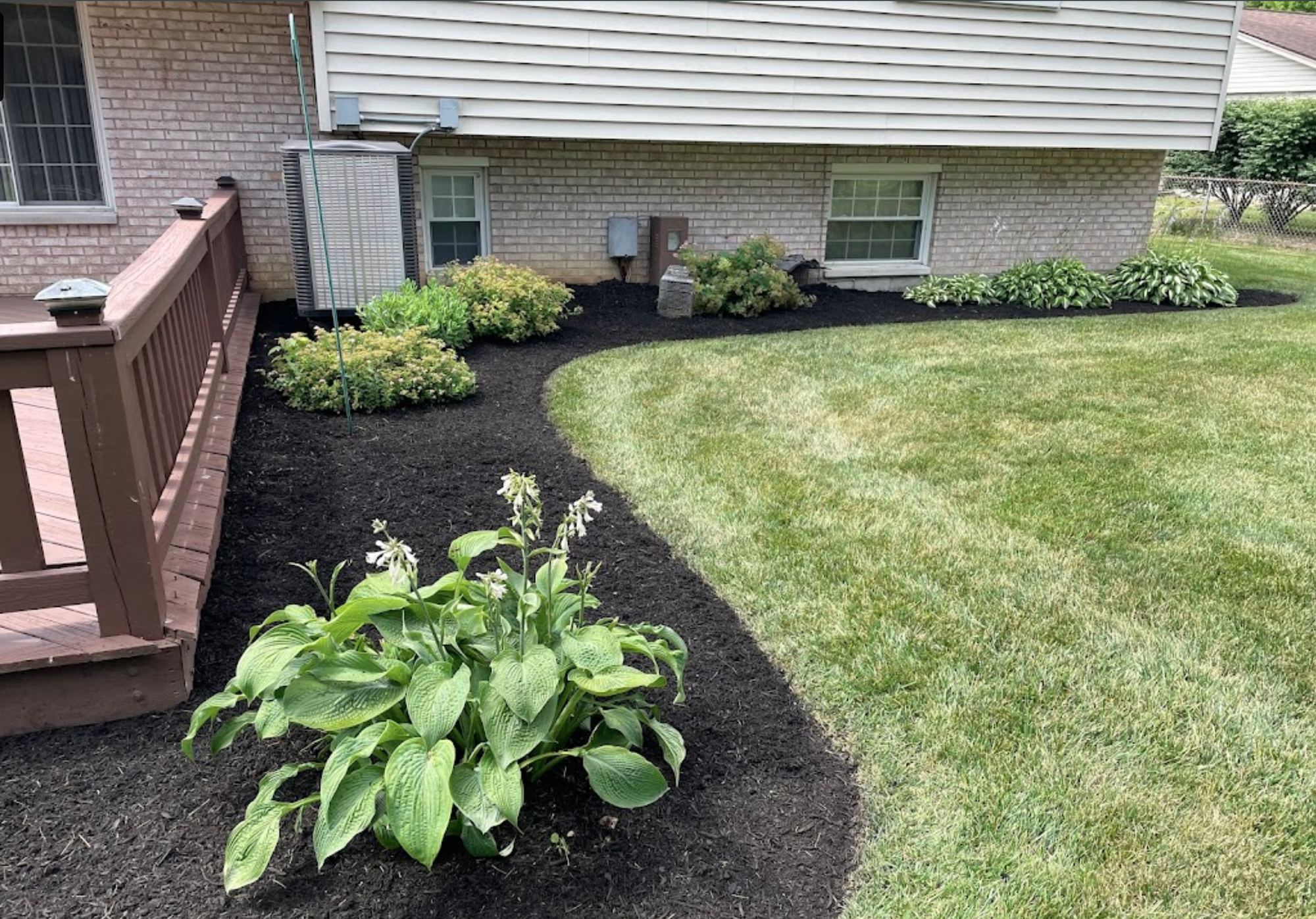
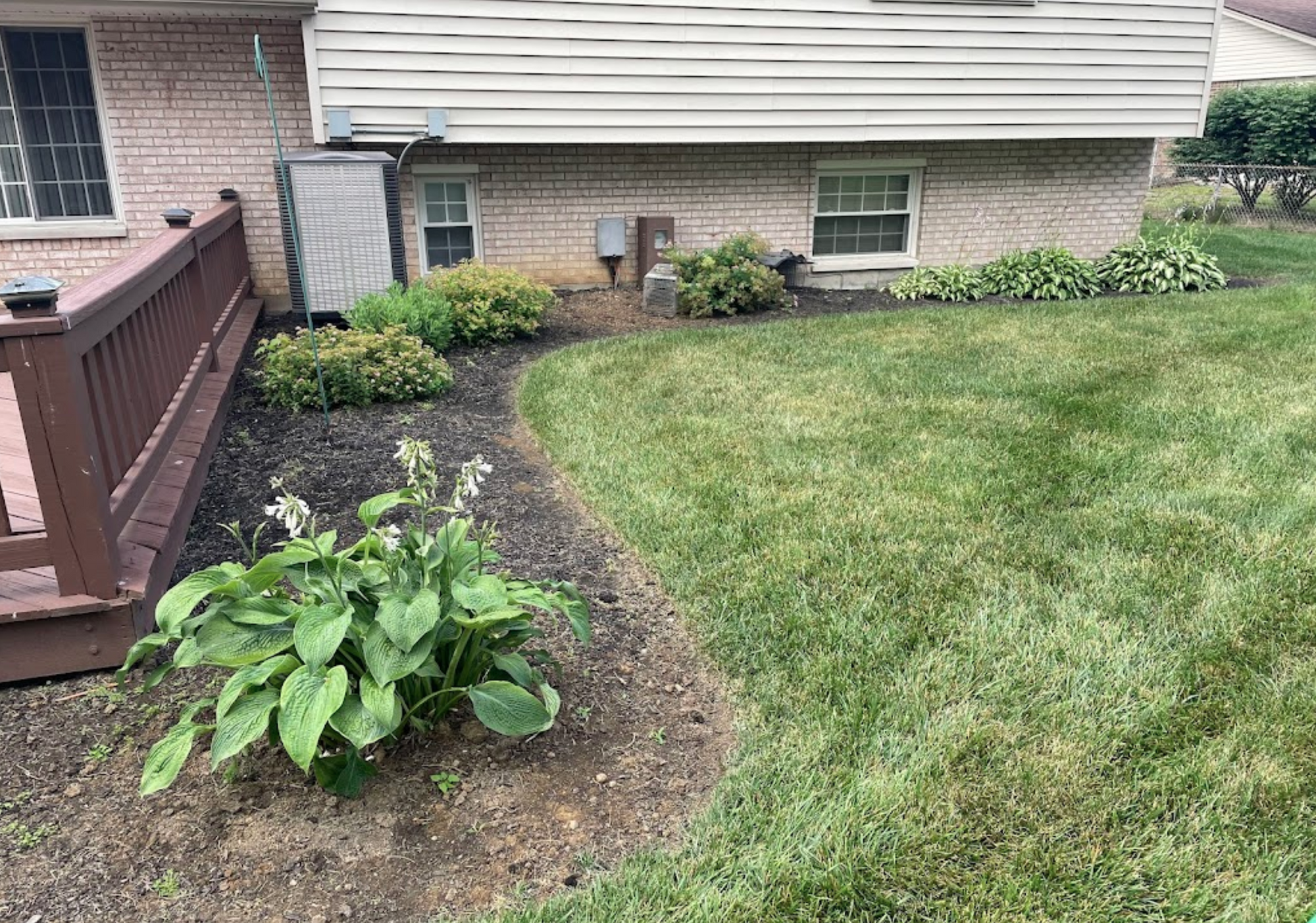
Mulch vs. No Mulch: The Difference
West Allis's Zone 5b climate creates a challenging environment for mulch longevity because freeze-thaw cycles through winter physically break down wood fibers faster than they would in warmer regions. Natural hardwood mulch actually benefits from this process since accelerated decomposition feeds organic matter directly into the silt loam soil below, improving structure over multiple seasons. Dyed mulches resist breakdown slightly longer but their colorants must contend with the wide temperature swings and 35 inches of annual moisture that West Allis landscapes experience each year.
Before
After
Best Mulch Choice for West Allis Lawns
Most yards in the West Allis area sit on Silt Loam type of soil. West Allis's silt loam holds moisture well when protected but crust over and sheds water when left bare, making consistent mulch coverage critical for long-term plant bed health. Without a protective layer, the fine silt particles seal the surface after every significant rain event, leaving roots in a cycle of brief saturation followed by rapid drying.
Hardwood Mulch
Hardwood mulch is particularly well suited to West Allis's silt loam because as it decomposes it releases fine organic particles that work into the upper soil profile, improving aggregate structure and creating the pore space that silt loam naturally lacks. Over several seasons of regular top-dressing, hardwood mulch measurably improves drainage and root penetration in beds that were previously tight and prone to compaction.
Mulch Types We Deliver in West Allis
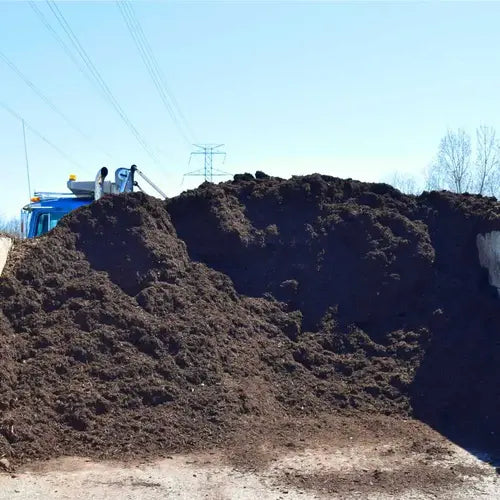
Mulch Mound delivers bulk mulch by the cubic yard to driveways and properties throughout the area. Whether you are covering a single garden bed or a full yard, ordering bulk mulch delivery in West Allis saves time and keeps projects moving. We carry a range of colors and textures designed to complement the classic homes and established landscaping common in this part of Wisconsin.
Dyed Black Mulch
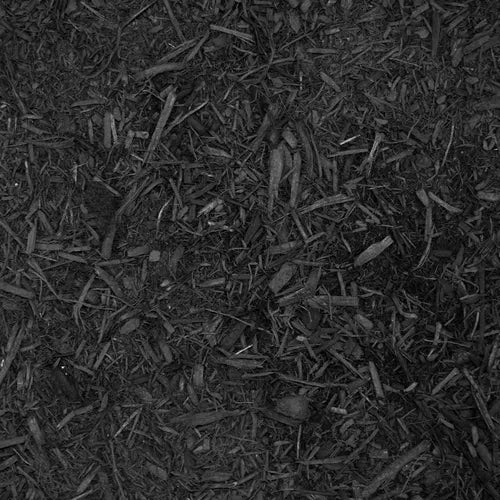
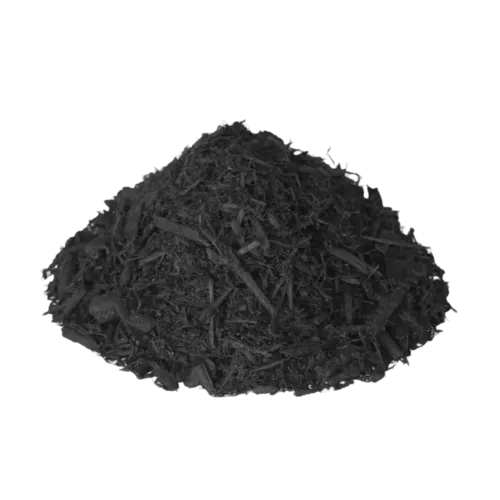
Bold and striking, dyed black double shredded mulch is a top choice for homeowners wanting a sharp, finished look. The deep color contrasts beautifully with green plants and borders, holds up well through Wisconsin's wet springs and warm summers, and spreads smoothly across any bed size.
Dyed Brown Mulch
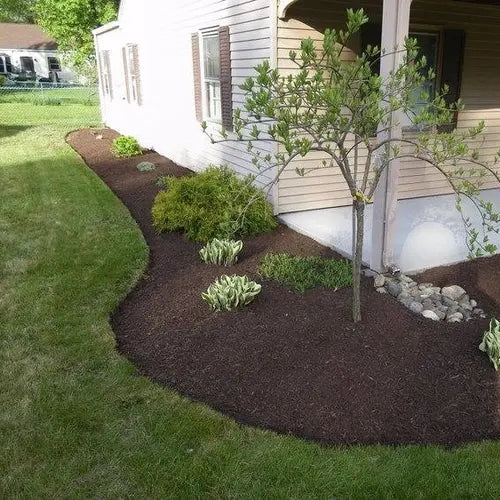
Warm and inviting, dyed brown double shredded mulch complements the brick homes and mature landscaping common throughout this part of Wisconsin. The rich color stays consistent through rain and sun, giving garden beds a clean, polished appearance for weeks after delivery.
Natural Brown Mulch
For a clean, understated look, natural brown double shredded mulch offers a warm earthy tone straight from the wood with no added dye. It suits the shaded yard layouts common around older Wisconsin homes and breaks down gradually to add organic matter back into the soil.
Cedar Mulch
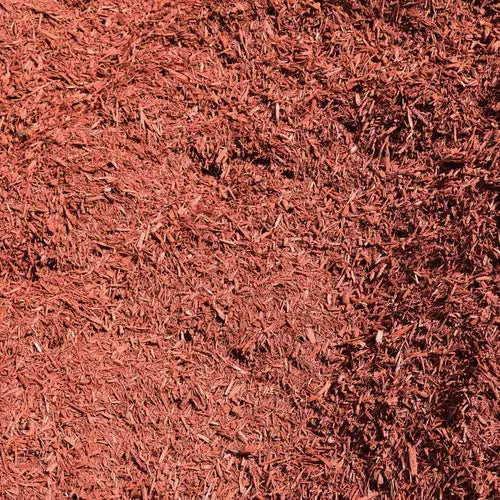
Cedar double shredded mulch is a practical choice for gardens where insect pressure or moisture retention are ongoing concerns. Natural cedar oils help deter common pests, and the mulch holds up well through Wisconsin's freeze and thaw cycles while releasing a fresh, pleasant scent.
Complete Your Outdoor Mulch Project
If your beds need more than a top-dress, pair your mulch delivery with a bulk topsoil order to raise and amend low spots before mulching over the top. Adding a border of decorative stone around bed edges also helps contain mulch during West Allis's heavier summer rainfall events.
West Allis's silt loam crust over quickly after rain, so before you spread mulch rake the bed surface lightly to break up any sealed layer. This lets the first post-mulch rainfall infiltrate rather than run off the surface. It also incorporates a thin bit of the old soil surface into the lower mulch layer, which speeds the beneficial decomposition process that gradually adds organic matter back to your beds over the season.
Mulch Mound Pro Tip
Time your mulch application around the May 1 last frost date in West Allis rather than rushing to mulch in early spring. Soil in Zone 5b needs several weeks of open exposure to warm up naturally after winter dormancy. If you mulch too early in March or early April you trap cold in the ground and slow the root flush that perennials and ornamental shrubs need to establish before summer heat arrives.
Mulch Mound Pro Tip
With 35 inches of annual rainfall spread across West Allis's growing season, mulch placement around downspout splash zones deserves extra attention. Rain hitting those spots can displace lightweight mulch and expose bare silt loam, which then seals over and channels runoff toward your foundation. Use a slightly heavier hardwood product in splash zones and check the depth after major storms, refreshing as needed to keep that area covered and protected.
Frequently Asked Questions
Click a question to see the answer
Answer
How thick should I spread mulch in my West Allis flower beds?
For West Allis's silt loam soil, a 3-inch layer is the sweet spot. Silt loam compacts easily, so a full 3 inches keeps the surface loose enough for water to penetrate during the city's frequent summer rain events. Going much thicker than 3 inches can create anaerobic conditions in an already dense soil profile, which stresses roots rather than protecting them.
Answer
Will mulch help with the compaction problem I have in my backyard beds?
Yes, mulch is one of the best tools for combating compaction in West Allis's silt loam. It cushions the impact of rainfall and foot traffic, which are the two main drivers of surface sealing in fine-textured soils. As organic mulch breaks down over time it also adds particles that improve pore space in the upper soil profile, gradually making the beds more hospitable for roots.
Answer
When is the best time of year to mulch in West Allis?
Late April through early May is the ideal window. You want to wait until after the May 1 average last frost so the soil has begun to warm naturally on its own. Mulching too early can insulate cold soil and delay warming, which slows root development on perennials and shrubs just coming out of dormancy in Zone 5b.
Answer
Does mulch really make a difference for winter protection here in Zone 5b?
Absolutely. With West Allis's first frost typically arriving around October 23, a fresh layer of mulch applied in mid-October acts as an insulating blanket over root zones. Zone 5b winters can push soil temperatures low enough to heave shallow-rooted perennials, and 3 to 4 inches of mulch significantly reduces that freeze-thaw movement beneath the surface.
Answer
How long will colored or dyed mulch hold its color through a Wisconsin winter?
Dyed mulches typically hold their color for one full growing season in West Allis's climate. The combination of Zone 5b freeze-thaw cycles, spring snowmelt, and 35 inches of annual rainfall accelerates fading more quickly than in warmer regions. Most homeowners plan to refresh with a thin top-dress layer each spring, which also replenishes the depth lost to decomposition over the previous season.
Answer
Is hardwood mulch a good choice for the trees and shrubs in my West Allis yard?
Hardwood mulch is an excellent choice for West Allis landscapes. It breaks down more slowly than bark fines, providing a longer-lasting moisture buffer for trees and shrubs that must endure both summer dry spells and the freeze-thaw stress of Zone 5b winters. As it decomposes it also contributes organic matter to the silt loam soil, which naturally tends to be low in stable humus.
Answer
How much mulch do I need for the foundation beds around my West Allis home?
Measure the length and width of each bed in feet, multiply them together to get square footage, and then total all your beds before calculating. At a 3-inch depth, one cubic yard covers roughly 108 square feet. West Allis lots often have multiple narrow foundation beds along two or three sides of the house, so adding up all your square footage before ordering prevents running short mid-project.
The Unique Landscape of West Allis
West Allis sits on native silt loam soil that compacts readily under foot traffic and heavy rain, creating a dense surface layer that suffocates plant roots if left bare. With 35 inches of annual rainfall spread across the growing season, unprotected beds are prone to surface crusting that sheds water rather than absorbing it. A 3-inch layer of mulch buffers that compaction cycle, keeps soil temperatures stable through the wide swings between a May 1 last frost and an October 23 first frost, and dramatically cuts the weed pressure that thrives in West Allis's warm, moist summers. Mulch also slows the rate at which silt loam loses its limited organic matter, giving plants a better root environment season after season. Choosing the right mulch for this climate means balancing decomposition rate with color retention, since Zone 5b winters are hard on dyed products exposed to repeated freeze-thaw cycles.