





Great service. We ordered topsoil from Mulch Mound and the best experience. Thank you so much!
About this soil
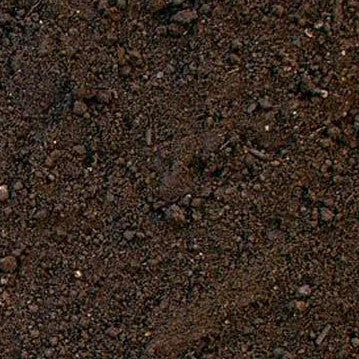
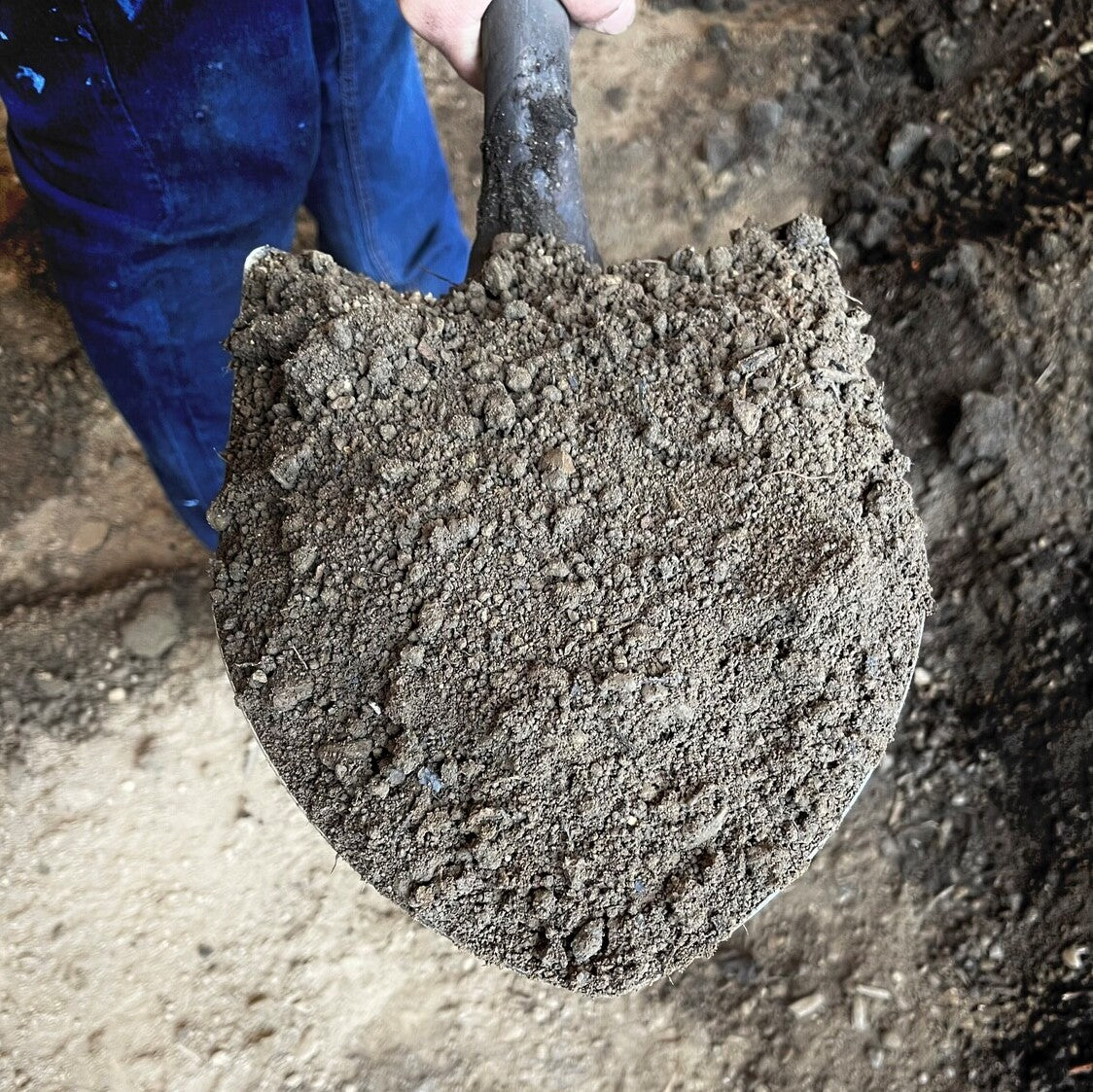
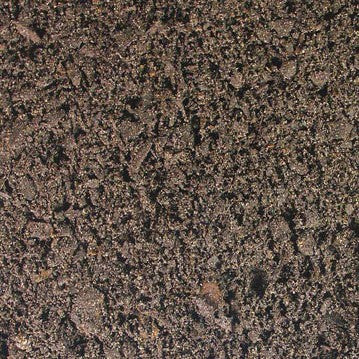
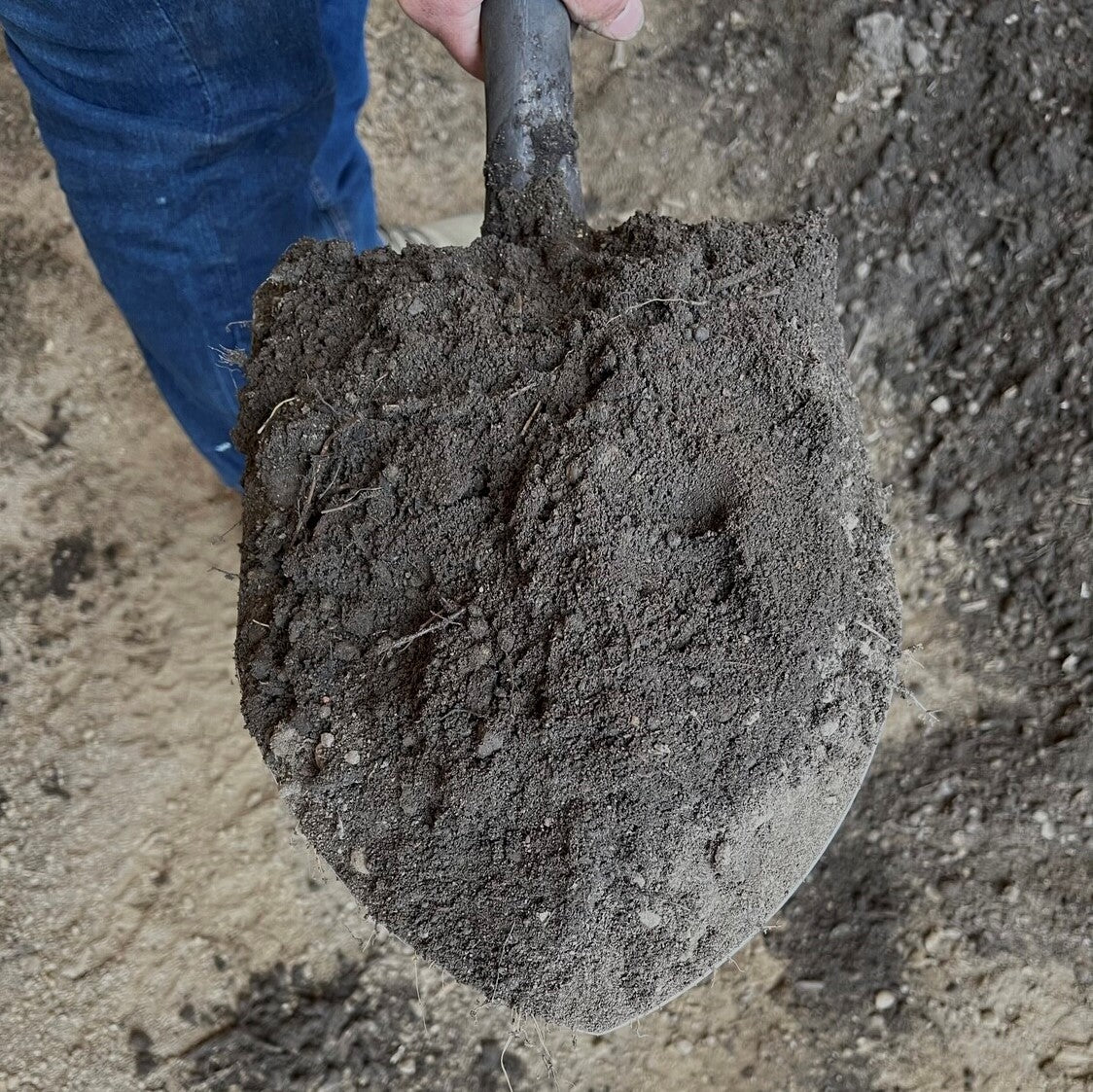
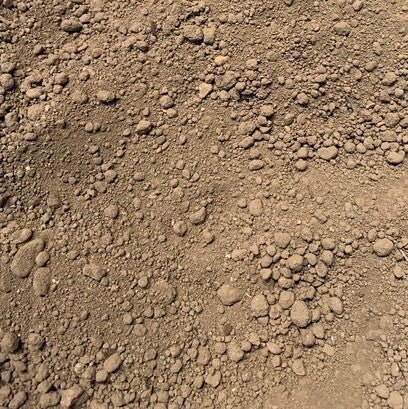
Screened topsoil filtered clean of rocks, roots, and debris. Smooth, consistent texture that is ready for lawns, gardens, raised beds, and finish grading.
Great service. We ordered topsoil from Mulch Mound and the best experience. Thank you so much!
Tell us what you're looking for
Thanks! We received your request.
Something went wrong. Please try again.
How Much Material Do I Need?
How Much Material Do I Need?
For lawn leveling in West Allis, a half inch to 1 inch of screened topsoil is typically sufficient to correct minor freeze-thaw settling across turf areas. For raised garden beds or significant grade corrections, plan for at least 6 to 8 inches of quality soil depth to give roots room to establish before reaching the native silt loam below.
Use our free soil calculator
What is a yard?
What is a yard?
What is a yards?
What is a yards?
FAQs
FAQs
West Allis Soil Delivery
West Allis Soil Delivery
Regular price
$43.00
per
yard
Regular price
Sale price
$43.00
Unit price
per
Shipping calculated at checkout.
Minimum of 3 yard
Couldn't load pickup availability
Not currently available
We can't take orders for this right now. Tell us what you need and we'll get back to you.
Hand-picked local yards
4,000+ regional deliveries
Dedicated support
Why order through Mulch Mound
The best local soil, without the guesswork.
We hand-pick and partner with the best yards in your region, keep only the ones our buyers rate well, and back each load with our guarantee.
Mulch Mound Guarantee
If your soil isn't the quantity or quality you ordered, we'll make it right.
About this soil
Screened topsoil filtered clean of rocks, roots, and debris. Smooth, consistent texture that is ready for lawns, gardens, raised beds, and finish grading.
Great service. We ordered topsoil from Mulch Mound and the best experience. Thank you so much!
How Much Material Do I Need?
How Much Material Do I Need?
For lawn leveling in West Allis, a half inch to 1 inch of screened topsoil is typically sufficient to correct minor freeze-thaw settling across turf areas. For raised garden beds or significant grade corrections, plan for at least 6 to 8 inches of quality soil depth to give roots room to establish before reaching the native silt loam below.
Use our free soil calculator
What is a yard?
What is a yard?
What is a yards?
What is a yards?
FAQs
FAQs
Tell us what you're looking for
Thanks! We received your request.
Something went wrong. Please try again.
How It Works
Getting started is easy — just follow these simple steps
1
Choose your soil
Make sure you adjust the quantity to your home's needs. You can use our calculator to estimate how much you'll need.
2
Select your delivery date
Select a delivery date you'd like for the product to be dropped off at your home
3
Sit back and wait
Sit back, wait, and let us work our magic to make sure the highest quality product is delivered to your driveway.

Placing an order online was so easy. Delivery was on time. When the driver realized we had a newly poured driveway they erred on the side of cautio...
Read full review
Placing an order online was so easy. Delivery was on time. When the driver realized we had a newly poured driveway they erred on the side of caution and opted not ti drive in it. The company even sent me a message explaining that call. Would recommend!

Online ordering was really simple and I liked the transparent pricing.
Need Help Calculating How Much Soil You Need?
Use our NEW Trace from Satellite tool to get an estimate for your project based on an aerial view of your property
Try Our CalculatorMeasure the length, width, and average depth of the area you need to fill or raise, then convert depth to feet before multiplying the three numbers together to get cubic feet. Divide cubic feet by 27 to arrive at the cubic yards you need to order. West Allis yards often have multiple small low spots rather than one large area, so measure each depression individually and total them to avoid underordering on a grade correction project.
Soil Types We Deliver in West Allis
Mulch Mound delivers bulk topsoil by the yard in West Allis, making it easy to address lawn repairs, raised bed installs, and full-yard grading projects. This part of southeastern Wisconsin typically sits on dense, compacted clay that drains poorly on its own. Adding fresh, quality soil is one of the most effective ways to improve your yard's growing potential.
Screened Top Soil
Filtered clean of rocks, roots, and debris, our screened topsoil has a smooth, consistent texture that handles lawn top-dressing, fill work, and finish grading with ease. It is a go-to choice for homeowners looking to build a reliable growing layer over the region's dense clay subsoil.
Gardening Blend
Available in standard and premium grades, this blend of topsoil and compost arrives ready to plant, saving time on setup for raised beds and new in-ground gardens. It suits Wisconsin homeowners who prefer a single-step solution over mixing their own amendments from scratch.
Planting Mix
Blended with peat, sphagnum, sand, and organic manure, this mix delivers excellent moisture balance and drainage in a single bulk yard order. It performs well in raised beds and container-style gardens, a setup that suits the compact residential yards common across this part of southeastern Wisconsin.
Complete Your Outdoor Soil Project
After grading and seeding with topsoil, a layer of mulch over ornamental beds ties the project together and protects the new soil surface from West Allis's summer rain events. Adding decorative stone borders around bed edges keeps soil from migrating onto turf or hardscape during heavy downpours.


Mulch Mound Pro Tip
West Allis's silt loam becomes almost unworkable when saturated, so always check soil moisture before beginning any grading or fill project. Squeeze a handful of the native soil and if it ribbons out or holds together in a wet clump, wait another day or two before starting. Working soil that is too wet destroys its structure and creates hard clods that do not blend well with fresh topsoil, leaving your finished grade uneven and difficult to seed.
Mulch Mound Pro Tip
When building raised vegetable beds in West Allis, choose a soil blend with at least 30 percent compost to help the bed warm up quickly in spring. Dense mineral soil stays cold well into May in Zone 5b, which delays transplant timing for heat-loving crops like tomatoes and peppers. A compost-rich mix warms faster, giving your plants a head start in a growing season that runs only from May 1 to October 23.
Mulch Mound Pro Tip
Grade new topsoil so that water drains at least 1 inch per 10 feet away from your foundation. West Allis receives 35 inches of rain annually and the native silt loam does not infiltrate quickly during heavy events, so even a small negative slope toward the house can lead to chronic wet basement problems. A simple string line and line level are enough to verify your slope before you commit your fill to a permanent grade.
The Unique Landscape of West Allis
West Allis sits on native silt loam that performs adequately for established turf but creates real challenges for vegetable gardens, raised beds, and any project that requires well-structured growing media. Silt loam compacts under equipment and foot traffic during grading work, which is especially common in this older suburb where lots often have settled low spots and uneven grades from decades of freeze-thaw movement. Imported bulk topsoil gives homeowners the ability to raise grade, fill depressions, and build nutrient-rich raised bed profiles without fighting the dense native soil. With West Allis's growing season running from May 1 to October 23, soil quality directly affects how quickly annual vegetables and warm-season plantings get established and productive. The city's 35 inches of annual rainfall also means any graded area needs to drain properly, making well-structured fill soil critical for avoiding new wet spots after a project is complete.