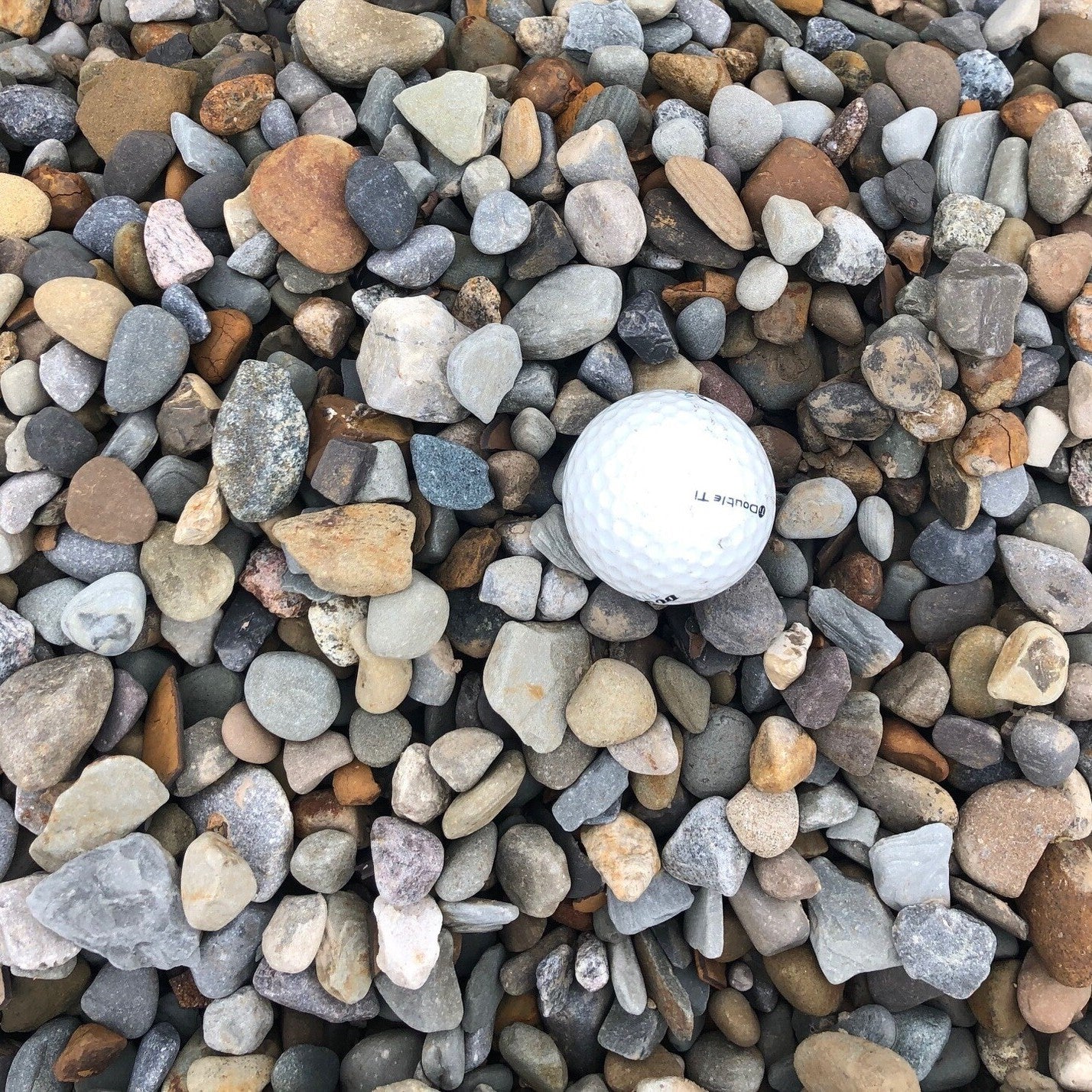
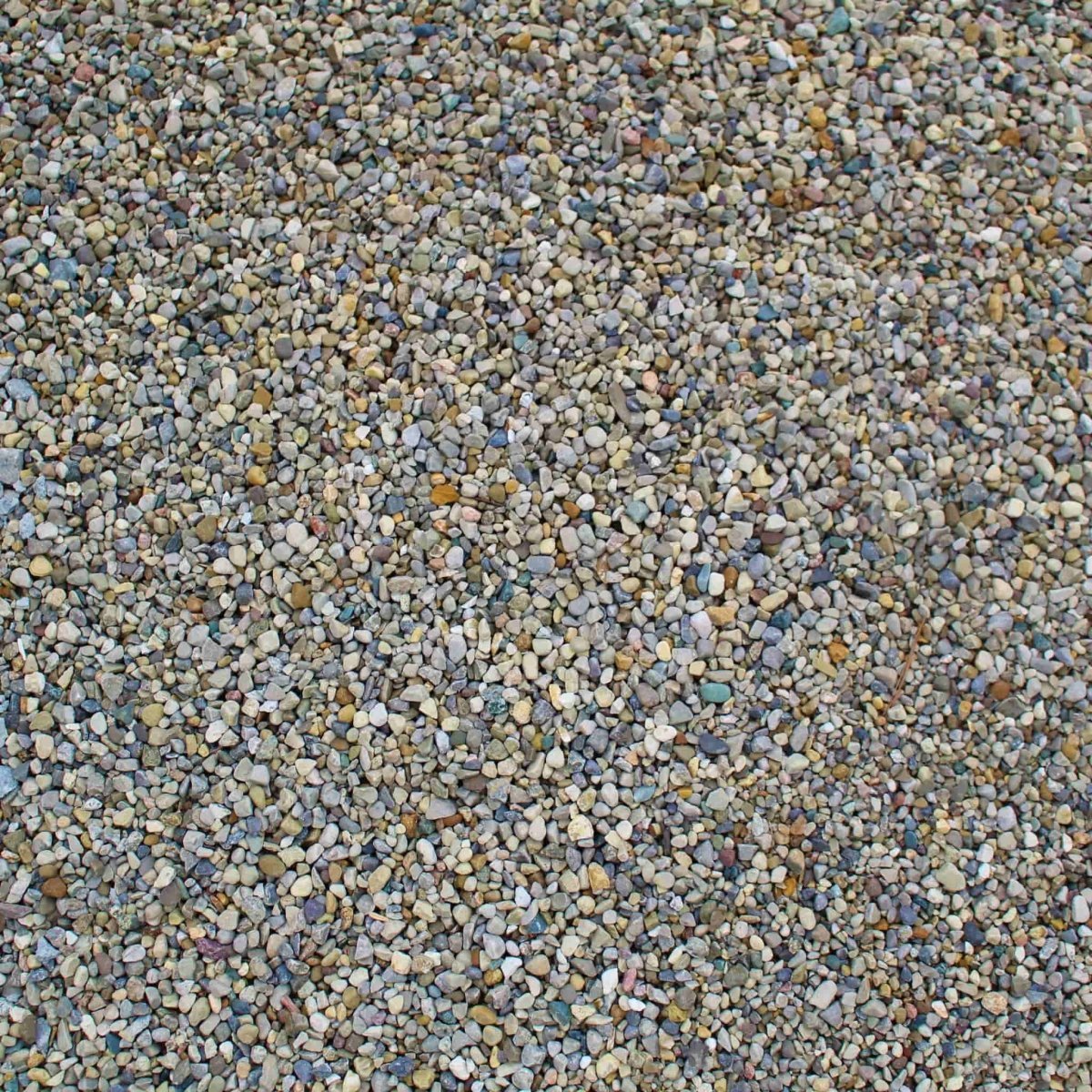
Number 57 crushed stone, angular limestone graded to about three quarters of an inch. The standard driveway, base and drainage gravel, it locks together under traffic and drains fast.
I used Mulch Mound to have 3 cubic yards of garden soil delivered. The process was easy and I love that I didn't have to call anyone. I placed my order online, picked my delivery date, laid out my tarp and the dirt was delivered. My delivery had to be pushed back, but I was ke...
Tell us what you're looking for
Thanks! We received your request.
Something went wrong. Please try again.
How Much Material Do I Need?
For decorative garden beds and foundation borders in West Allis, 3 to 4 inches of stone depth provides adequate weed suppression and visual coverage through the full growing season. Drainage applications like French drains or downspout basins may need 6 inches or more of clean stone to handle the water volume generated by the city's 35 inches of annual rainfall.
Use our free gravel calculator
What is a yard?
A yard is approximately 27 cubic feet. As a general guideline, one yard of material can cover an area of about 100-160 square feet at a 2-3 inch depth.
What is a ton?
A ton is approximately 2,000 pounds. Coverage varies by stone type and depth, but as a general guideline, one ton covers roughly 80-100 square feet at 2 inches deep.
We can't take orders for this right now. Tell us what you need and we'll get back to you.
What do you need?
Thanks! We received your request.
Something went wrong. Please try again.
Hand-picked local yards
4,000+ regional deliveries
Dedicated support
Why order through Mulch Mound
The best local stone, without the guesswork.
We hand-pick and partner with the best yards in your region, keep only the ones our buyers rate well, and back each load with our guarantee.
Mulch Mound Guarantee
If your stone isn't the quantity or quality you ordered, we'll make it right.
About this stone
Number 57 crushed stone, angular limestone graded to about three quarters of an inch. The standard driveway, base and drainage gravel, it locks together under traffic and drains fast.
I used Mulch Mound to have 3 cubic yards of garden soil delivered. The process was easy and I love that I didn't have to call anyone. I placed my order online, picked my delivery date, laid out my tarp and the dirt was delivered. My delivery had to be pushed back, but I was ke...
How Much Material Do I Need?
For decorative garden beds and foundation borders in West Allis, 3 to 4 inches of stone depth provides adequate weed suppression and visual coverage through the full growing season. Drainage applications like French drains or downspout basins may need 6 inches or more of clean stone to handle the water volume generated by the city's 35 inches of annual rainfall.
Use our free gravel calculator
What is a yard?
A yard is approximately 27 cubic feet. As a general guideline, one yard of material can cover an area of about 100-160 square feet at a 2-3 inch depth.
What is a ton?
A ton is approximately 2,000 pounds. Coverage varies by stone type and depth, but as a general guideline, one ton covers roughly 80-100 square feet at 2 inches deep.
I used Mulch Mound to have 3 cubic yards of garden soil delivered. The process was easy and I love that I didn't have to call anyone. I placed my o...
Read full review
I used Mulch Mound to have 3 cubic yards of garden soil delivered. The process was easy and I love that I didn't have to call anyone. I placed my order online, picked my delivery date, laid out my tarp and the dirt was delivered. My delivery had to be pushed back, but I was kept informed via text, which was great. So why not 5 stars? The description of garden soil on the website is "A balanced mix of topsoil and organic amendments ready for raised beds, flower gardens, and new planting areas. Good drainage, solid nutrients, easy to work with." What I got was more like fill dirt. It had a lot of gravel, a lot of clay, and random trash mixed in. I didn't test the soil to see if it actually had "amendments" because I already have compost and alpaca manure ready to add, but if I'd known the quality of the dirt was going to be the same as the bagged dirt I bought last year, I probably would have gotten 2 yards of top soil and a yard of leaf compost for better quality, especially since the leaf compost is cheaper. Photo of my mountain of dirt and just some of the trash I found in it.
Measure the length and width of your stone area in feet, multiply to get square footage, then decide on your desired depth. At 3 inches deep one cubic yard covers roughly 108 square feet. West Allis projects like drainage channels and pathway borders often have irregular shapes, so break those areas into rectangles, calculate each one separately, and add the totals together for a more accurate order estimate.
Stone Types We Deliver in West Allis
Mulch Mound delivers bulk stone by the cubic yard to homes and properties across the area. If you have been searching for bulk gravel by the yard in West Allis, we offer a straightforward ordering process with reliable delivery for any project size. Our stone travels from our facility directly to your driveway or property line.
Pea Gravel
Pea gravel is a popular choice for homeowners across the region thanks to its smooth, rounded edges and earthy tones that complement Wisconsin's natural landscape. It works well for backyard pathways, patio borders, and around downspouts where the clay-heavy local soil benefits from improved surface drainage.
1-2" River Stone
This smaller smooth river rock brings a refined look to garden beds, dry creek channels, and tight spaces between plantings. Its modest size makes it easy to spread by hand or shovel, and the rounded surface holds up well through Wisconsin's freeze and thaw cycles without crumbling or shifting.
2-4" River Stone
Larger and bolder than smaller river rock, these stones suit feature landscaping, accenting planting beds, and lining dry creek beds in yards where drainage is a real concern. The generous size means fewer stones are needed to cover an area, making it a practical pick for wider open spaces.
Complete Your Outdoor Stone Project
Pairing a stone delivery with a bulk mulch order lets you use each material where it performs best, stone in drainage zones and high-traffic areas and mulch over planting beds where organic matter feeds the silt loam soil below. Adding topsoil to low spots before laying stone also ensures a stable, level base that resists settling during West Allis's freeze-thaw cycles.
Before laying stone anywhere in your West Allis yard, install a quality non-woven landscape fabric underneath. Silt loam is fine-textured and migrates upward into stone layers over time through frost action and rain infiltration. Without fabric, a 4-inch stone layer can become half stone and half muddy soil within just a few seasons, losing both its appearance and its drainage function in the process.
Mulch Mound Pro Tip
For West Allis foundation borders, slope your stone bed away from the house at roughly a 1-inch drop per foot for the first 6 feet away from the wall. This directs rainfall away from the foundation and reduces the moisture load on basement waterproofing over time. Stone is far more effective than soil or mulch at this task because it does not dam water or hold it pressed against the structure the way organic materials can.
Mulch Mound Pro Tip
In Zone 5b, frost heaving can shift edging and expose the edges of stone beds over the winter months. Check your stone borders each spring after the May 1 last frost date and reset any edging that has lifted out of position. Tapping shifted edging back into place and raking stone back into the bed takes only a few minutes and keeps the border looking sharp through the new growing season without requiring a full reinstall.
The Unique Landscape of West Allis
West Allis homeowners deal with a challenging combination of fine-textured silt loam soil and 35 inches of annual rainfall that makes erosion, soft pathways, and standing water recurring problems in yards across the city. Decorative and utility stone provides a permanent, low-maintenance solution for areas where turf struggles, drainage needs to be directed, and foot traffic demands a stable surface. Stone does not break down through Zone 5b's freeze-thaw cycles the way organic materials do, making it a cost-effective long-term investment for pathways, borders, and drainage channels. West Allis's older residential lots often feature narrow side yards and tight foundation beds where stone creates clean, functional separation between the lawn and the structure. With the growing season running only from May 1 to October 23, low-maintenance materials like stone reduce the annual workload so homeowners can focus on planting rather than constant upkeep and repairs.
Frequently Asked Questions
Click a question to see the answer
Answer
What type of stone works best for a pathway through my West Allis backyard?
Crushed limestone or a compactable gravel works well for West Allis backyard pathways because the angular edges lock together under foot traffic and resist the shifting that freeze-thaw cycles cause. Larger rounded river rock is attractive but tends to roll and scatter on a silt loam base that softens after rain. For long-term stability, a 4-inch compacted gravel base beneath your decorative top layer is the right approach in Zone 5b.
Answer
Can stone help with the drainage problems I have along the side of my house?
Absolutely. A gravel-filled drainage swale or French drain trench along the side of your West Allis home can intercept surface runoff before it pools against the foundation. Silt loam's slow infiltration rate during heavy rain events makes these drainage features especially valuable in this area. A layer of clean washed stone over landscape fabric in a graded channel gives water a fast path to a lower outlet away from the structure.
Answer
Will decorative stone stay in place through a Wisconsin winter?
Larger stone products, roughly 1 to 2 inches in diameter, do an excellent job of staying put through West Allis's freeze-thaw cycles. Smaller fine gravel can migrate a bit as frost heaves the silt loam beneath it. Installing stone over a compacted base layer and non-woven landscape fabric significantly reduces movement. Expect minor touch-up raking each spring after snowmelt, especially in areas adjacent to shoveled pathways.
Answer
How deep should I lay stone for a low-maintenance garden bed in West Allis?
A 3 to 4 inch depth of decorative stone over landscape fabric is standard for West Allis garden beds. That depth is enough to suppress weeds through the full growing season between May 1 and October 23 and to handle the runoff from a typical summer rain event without washing material into the lawn. Going thinner than 3 inches allows light through the fabric and lets weed seeds germinate in the gaps between stones.
Answer
Is stone a good solution for the muddy mess under my downspouts?
Stone is one of the best materials you can use for downspout splash zones in West Allis. The city's 35 inches of annual rainfall means downspouts handle significant water volume throughout the year, and bare silt loam beneath them erodes quickly and compacts into hard impermeable patches. A basin filled with 4 to 6 inches of river rock or crushed stone absorbs the impact, disperses flow, and eliminates the muddy damage that develops under unprotected downspouts.
Answer
What is the difference between river rock and crushed stone for landscaping in my yard?
River rock is smooth and rounded, making it visually attractive for decorative beds and dry creek features in West Allis yards, but it does not compact and is not suitable for load-bearing pathways or driveways. Crushed stone has angular edges that lock together when compacted, making it far more stable under foot traffic and equipment weight. For drainage applications, clean washed stone of either type performs well as long as it is sized appropriately for the water volume expected.
Answer
How much stone do I need to border the foundation planting beds around my house?
Measure the linear footage of your foundation beds and decide on your border width, typically 12 to 18 inches wide in West Allis where beds sit close to the house. At a 3-inch depth, one cubic yard of stone covers about 108 square feet of area. Stone foundation borders also help protect siding from mulch and soil contact that causes long-term moisture damage, which is an added benefit in West Allis's consistently wet climate.
Answer
Is there a stone yard near West Allis?
Silt loam soil and about 35 inches of yearly rain leave West Allis yards soft and prone to standing water, so a compacted Traffic Bond base works well under paths and parking areas. You can have it delivered to your driveway without driving to a stone yard or a quarry, and Mulch Mound drops it right where you want it.