


Online ordering was really simple and I liked the transparent pricing.
About this fill dirt
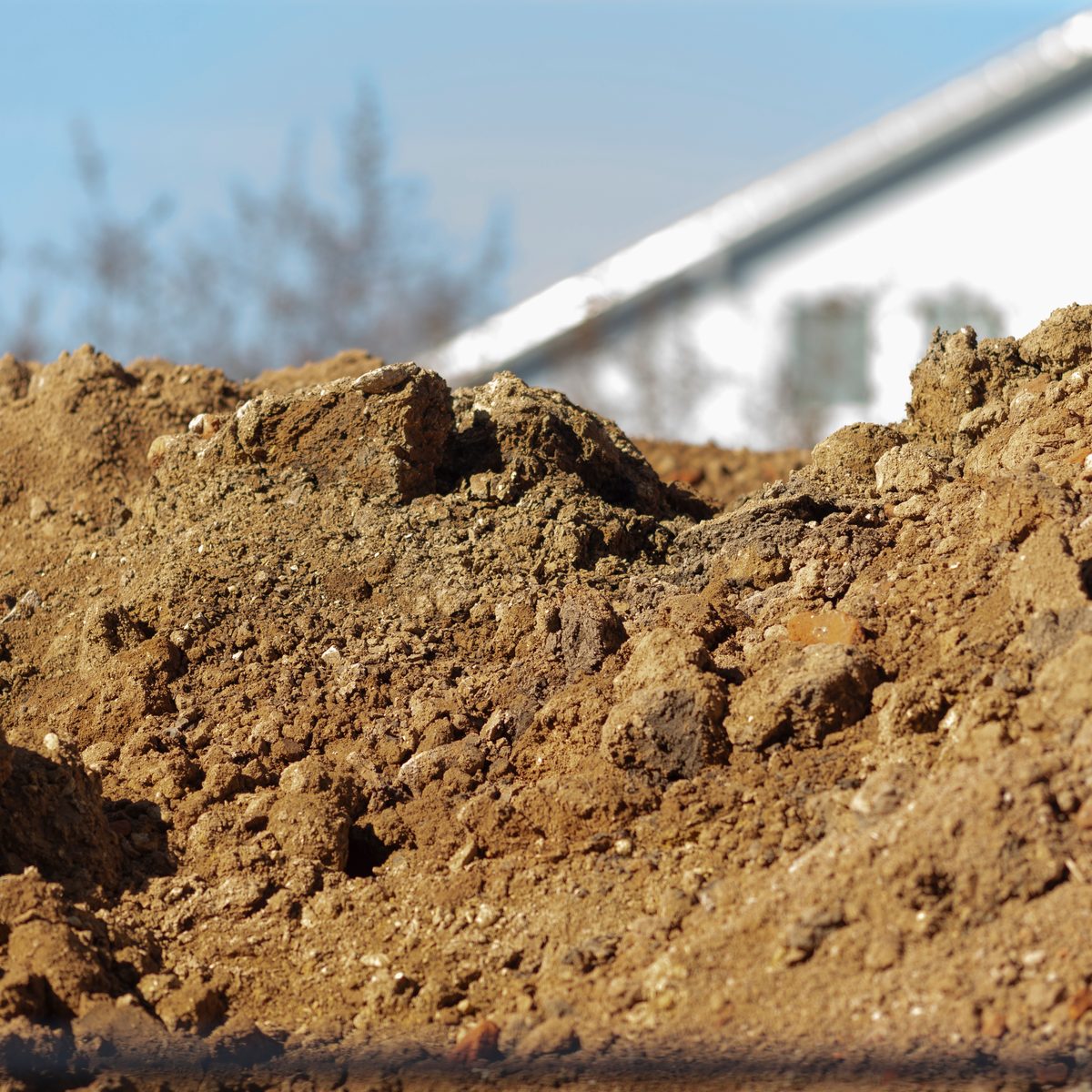
Inorganic subsoil for filling holes, raising low ground, and backfill. Small rocks and bits of stick or root are normal in the mix, this is structural material and not a growing medium. Do not use it to level a lawn surface or fill flower beds, put topsoil over it for anything you want to plant. Place it in lifts and compact as you go.
Online ordering was really simple and I liked the transparent pricing.
Tell us what you're looking for
Thanks! We received your request.
Something went wrong. Please try again.
How Much Fill Dirt Do I Need?
How Much Fill Dirt Do I Need?
One cubic yard covers about 54 square feet at a 6 inch depth, so a 10 by 10 foot low spot needs roughly 2 cubic yards to bring it level. For deeper builds, like raising a pad 12 inches before a slab or pool deck, plan on double that per square foot. Measure the area you are filling and the depth you need, then order by the cubic yard rather than guessing, since underordering means a second delivery and a delay mid-project.
Estimate fill dirt with our free topsoil calculator
What is a Yard?
What is a Yard?
FAQs
FAQs
West Palm Beach Fill Dirt Delivery
West Palm Beach Fill Dirt Delivery
Regular price
$38.00
per
Yard
Regular price
Sale price
$38.00
Unit price
per
Shipping calculated at checkout.
Minimum of 3 Yard
Couldn't load pickup availability
Not currently available
We can't take orders for this right now. Tell us what you need and we'll get back to you.
Hand-picked local yards
4,000+ regional deliveries
Dedicated support
Why order through Mulch Mound
The best local fill dirt, without the guesswork.
We hand-pick and partner with the best yards in your region, keep only the ones our buyers rate well, and back each load with our guarantee.
Mulch Mound Guarantee
If your fill dirt isn't the quantity or quality you ordered, we'll make it right.
About this fill dirt
Inorganic subsoil for filling holes, raising low ground, and backfill. Small rocks and bits of stick or root are normal in the mix, this is structural material and not a growing medium. Do not use it to level a lawn surface or fill flower beds, put topsoil over it for anything you want to plant. Place it in lifts and compact as you go.
Online ordering was really simple and I liked the transparent pricing.
How Much Fill Dirt Do I Need?
How Much Fill Dirt Do I Need?
One cubic yard covers about 54 square feet at a 6 inch depth, so a 10 by 10 foot low spot needs roughly 2 cubic yards to bring it level. For deeper builds, like raising a pad 12 inches before a slab or pool deck, plan on double that per square foot. Measure the area you are filling and the depth you need, then order by the cubic yard rather than guessing, since underordering means a second delivery and a delay mid-project.
Estimate fill dirt with our free topsoil calculator
What is a Yard?
What is a Yard?
FAQs
FAQs
Tell us what you're looking for
Thanks! We received your request.
Something went wrong. Please try again.
How It Works
Getting started is easy — just follow these simple steps
1
Choose your quantity
Adjust the quantity to match your project. One cubic yard covers about 100 to 160 square feet at a 2 to 3 inch depth.
2
Select your delivery date
Select a delivery date you'd like for the product to be dropped off at your home
3
Sit back and wait
Sit back, wait, and let us work our magic to make sure the highest quality product is delivered to your driveway.

Easy to order, great service, and great product. We enjoy the final look of a very neglected beds we inherited!

I contacted Mulch Mound for #57 river rocks and it was easy and fast to get a delivery right before the holiday weekend. Stone was delivered as pro...
Read full review
I contacted Mulch Mound for #57 river rocks and it was easy and fast to get a delivery right before the holiday weekend. Stone was delivered as promised and place exactly where I asked. Excellent service! I will be ordering mulch next!
Complete Your Outdoor Project
Fill dirt is rarely the last layer. Most jobs here cap it with a few inches of topsoil once the grade is set, especially if sod or planting beds are going in on top. If you are building a pad for a shed or pool equipment, a layer of compacted base material on top of the fill can help with long-term stability in our sandy ground.


Service area
Areas we deliver fill dirt in West Palm Beach, Florida
Mulch Mound Pro Tip
Do not dump fill dirt in one thick layer and walk away. In West Palm Beach's sandy soil, uncompacted fill can settle unevenly for a full rainy season, leaving dips right where you least want them, like against a pool deck or foundation. Place it in 6 to 8 inch lifts and compact each one with a plate compactor or hand tamper before adding the next. It takes longer up front but saves you from redoing the grading work after the first big storm.
Mulch Mound Pro Tip
A common mistake on flat coastal lots is filling low spots without checking where the water is actually supposed to go afterward. Raising one section of yard can just push drainage problems onto a neighbor's lot or back toward your own foundation. Before you order, walk the property after a rain if you can, note where water pools and moves, and grade your fill so it slopes gently away from structures rather than just filling the visible dip.
Mulch Mound Pro Tip
If your project needs both fill and topsoil, order them as separate deliveries rather than trying to blend them, since mixing subsoil into your topsoil layer just dilutes the good stuff you paid for. Use fill dirt to get the elevation and shape right first, compact it, then cap with a few inches of topsoil only where something needs to actually grow. It is a more efficient use of both materials and it shows in how the finished grade holds up.
Grading and Filling in West Palm Beach
West Palm Beach sits at 21 feet of elevation on sandy soil that drains fast but also settles fast when it is loose. A lot of the fill work here is about correcting low spots that hold water after our summer downpours, or building pad height before a pool deck or slab goes in near the coast. Because the native soil is sandy, fill dirt needs to be compacted in lifts here more than it would in a clay-heavy region, or you will see settling months later. This is structural material for shaping the ground, not for growing anything directly in it.
What Fill Dirt Is
Fill dirt is inorganic subsoil sold for volume and grade, not for growing. Small rocks and bits of stick or root are normal in the mix. It compacts predictably, which is exactly what you want under slabs, in trenches, and behind walls.
Fill Dirt vs Topsoil
Fill dirt builds the shape of the ground, topsoil grows things on top of it. Bring the grade up with fill, then cap it with 4 to 6 inches of topsoil anywhere grass or plants are going in.
Compact in Lifts
Place fill in layers of 4 to 6 inches and compact each one before adding the next. Dumping the full depth at once leaves voids that settle later, and settling is the one problem fill is supposed to solve.