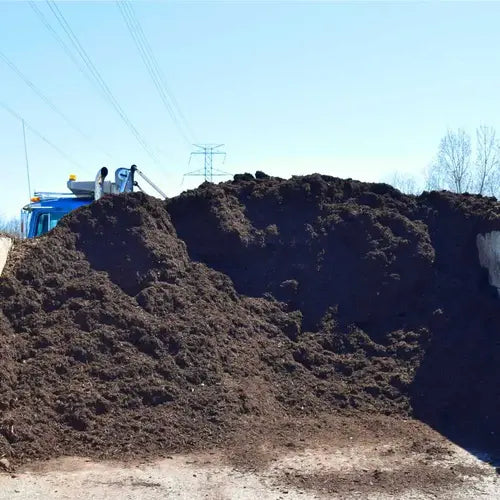
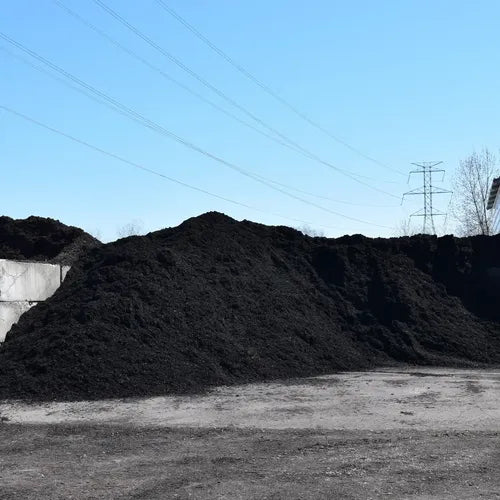
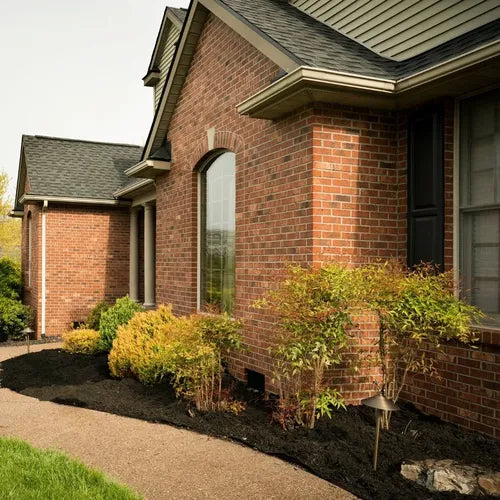
Good quality, great price, fast delivery. All online - no submitting forms and waiting for days for quotes. Getting mulch should be this easy from everyone. Only Mulch Mound is ACTUALLY this simple.
Tell us what you're looking for
Thanks! We received your request.
Something went wrong. Please try again.
How Much Material Do I Need?
Plan on 3 inches of mulch for established beds and 2 inches around shallow rooted plants like azaleas and strawberries. One cubic yard covers roughly 100 square feet at 3 inches deep.
Use our free mulch calculator
What is a yard?
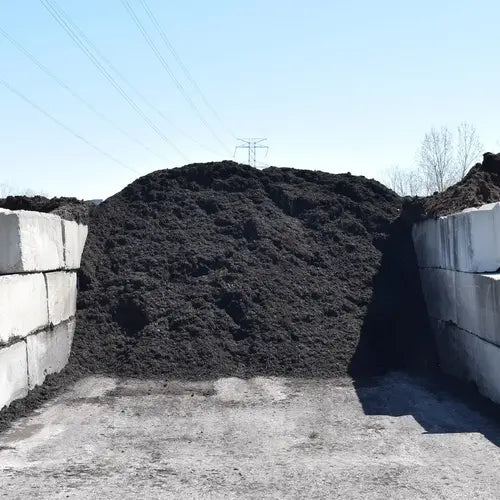
A yard is approximately 27 cubic feet. As a general guideline, one yard of material can cover an area of about 100-160 square feet at a 2-3 inch depth.
Good quality, great price, fast delivery. All online - no submitting forms and waiting for days for quotes. Getting mulch should be this easy from everyone. Only Mulch Mound is ACTUALLY this simple.
How Much Material Do I Need?
Plan on 3 inches of mulch for established beds and 2 inches around shallow rooted plants like azaleas and strawberries. One cubic yard covers roughly 100 square feet at 3 inches deep.
Use our free mulch calculator
What is a yard?
A yard is approximately 27 cubic feet. As a general guideline, one yard of material can cover an area of about 100-160 square feet at a 2-3 inch depth.
Good quality, great price, fast delivery. All online - no submitting forms and waiting for days for quotes. Getting mulch should be this easy fr...
Read full review
Good quality, great price, fast delivery. All online - no submitting forms and waiting for days for quotes. Getting mulch should be this easy from everyone. Only Mulch Mound is ACTUALLY this simple.
I highly recommend Mulch Mound. The quality of the mulch is very good. The ordering system on their website makes it very easy. The delivery driver...
Read full review
I highly recommend Mulch Mound. The quality of the mulch is very good. The ordering system on their website makes it very easy. The delivery driver did a great job placing the mulch on the driveway. To finish off, the pricing was very reasonable as well.
They offered a quick turnaround and delivered high quality mulch at a reasonable price. They also dropped it off exactly where I told them to put i...
Read full review
They offered a quick turnaround and delivered high quality mulch at a reasonable price. They also dropped it off exactly where I told them to put it. Good service!
Measure each bed separately rather than guessing at the whole yard, since West Valley City lots often mix a narrow park strip, a foundation bed, and a back fence line with very different dimensions. Multiply length by width for each, add them together, then enter the total square footage and your desired depth. Round up about ten percent so you are not short on the last strip.
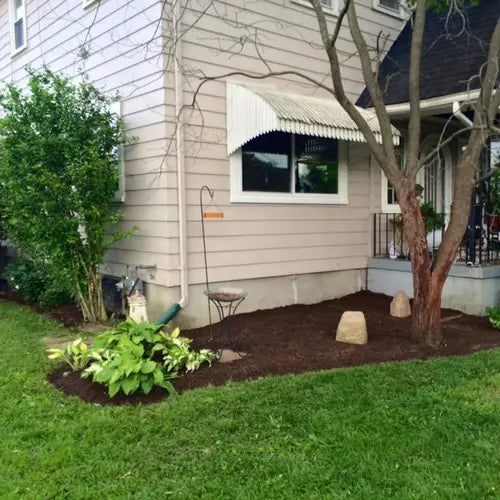
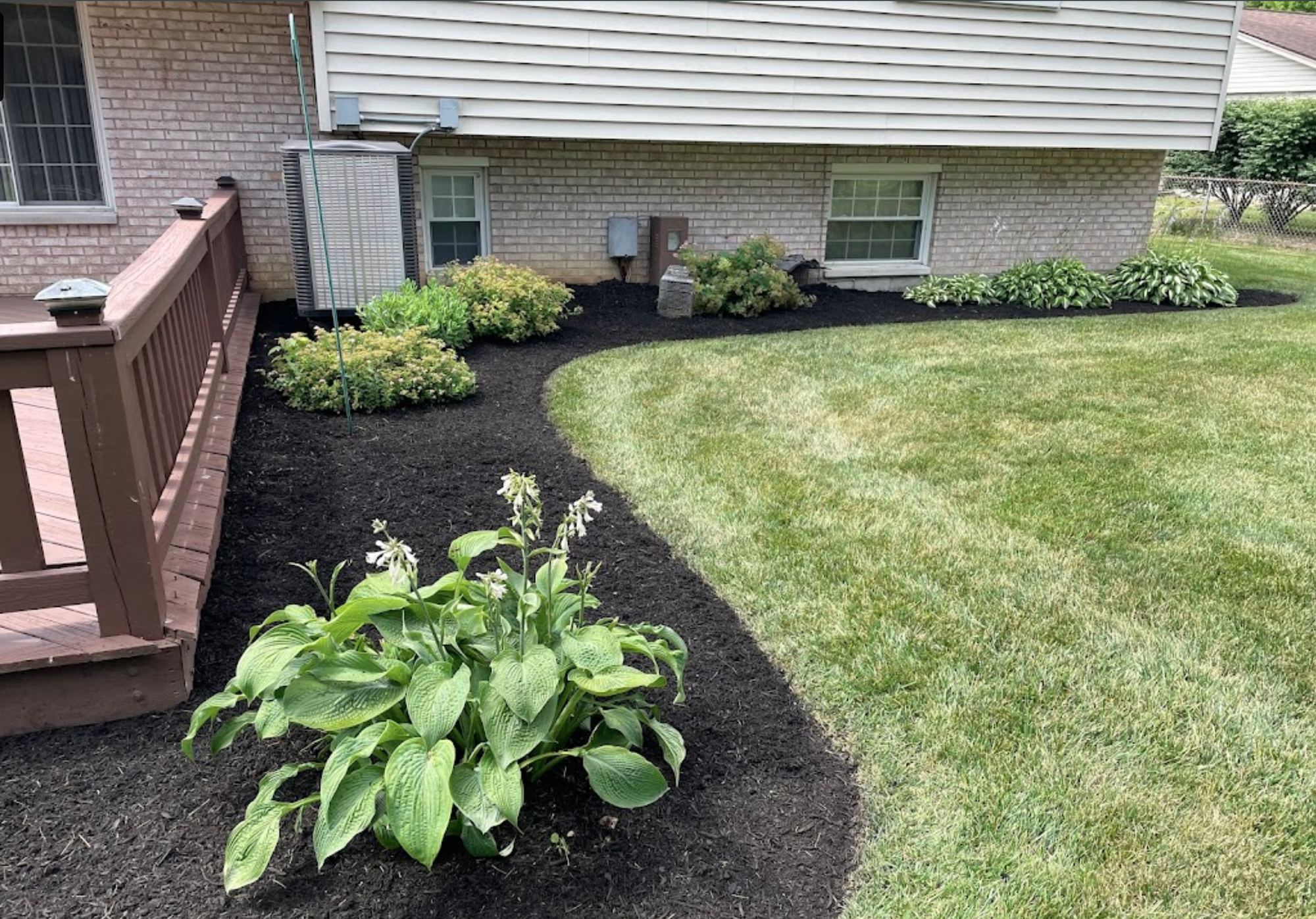
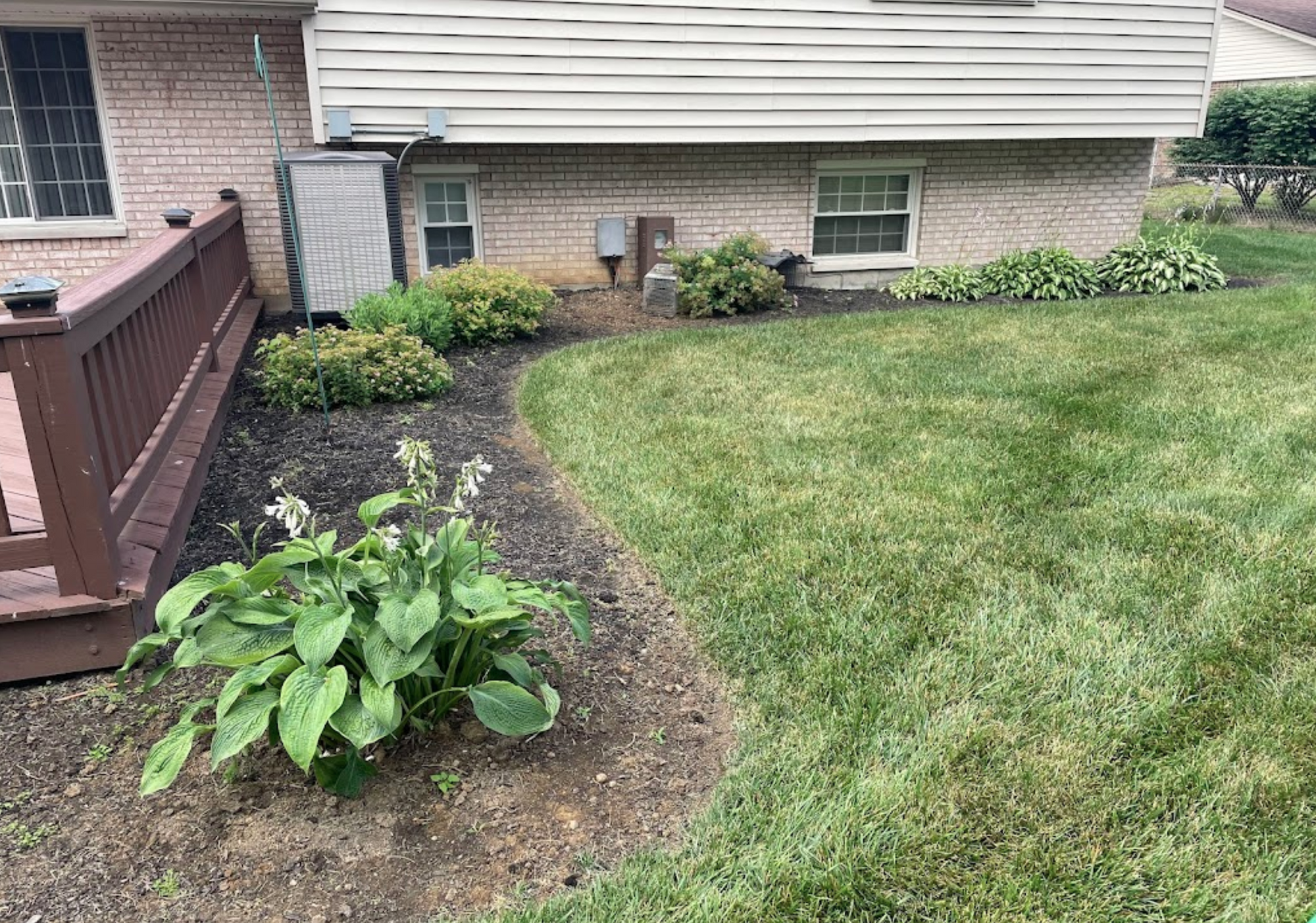
Mulch vs. No Mulch: The Difference
West Valley City's dry, high desert conditions at 4,304 feet mean mulch breaks down far slower than it would in a humid climate. With 21 inches of annual precipitation and very low summer humidity, the microbes that decompose organic mulch stay relatively inactive for months at a time. That means natural mulch here fades from UV before it rots, while dyed mulch holds color longer but adds nothing back to your silt loam.
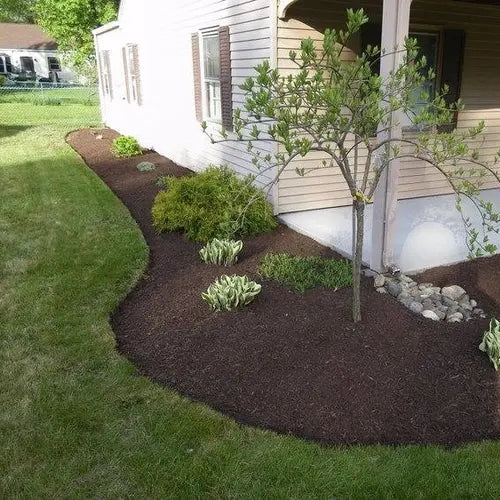
Before
After
Best Mulch Choice for West Valley City Lawns
Most yards in the West Valley City area sit on type of soil. Silt loam is the dominant soil across West Valley City, and while it holds nutrients and moisture well, its fine particles compact easily and form a surface crust that repels water and suffocates shallow roots.
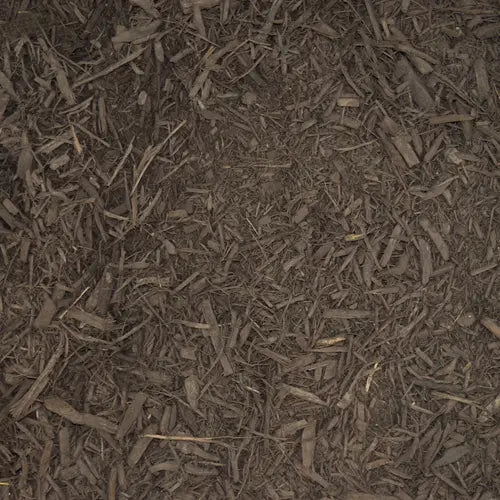
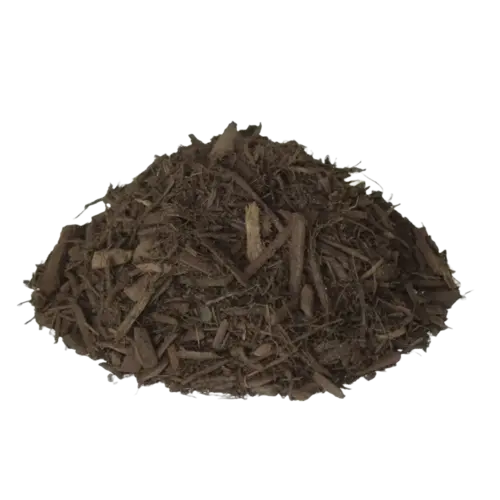
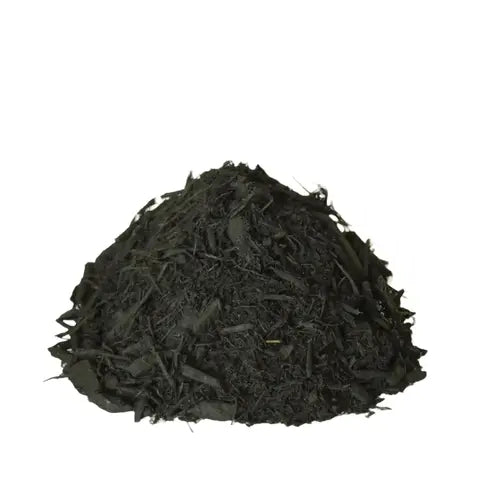
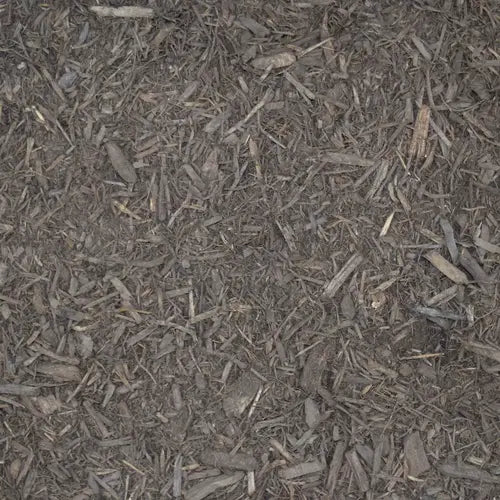
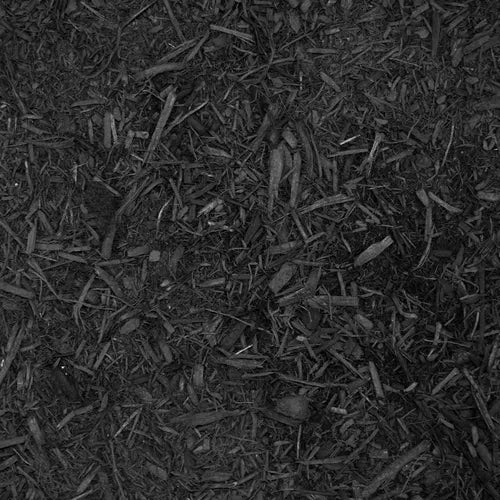
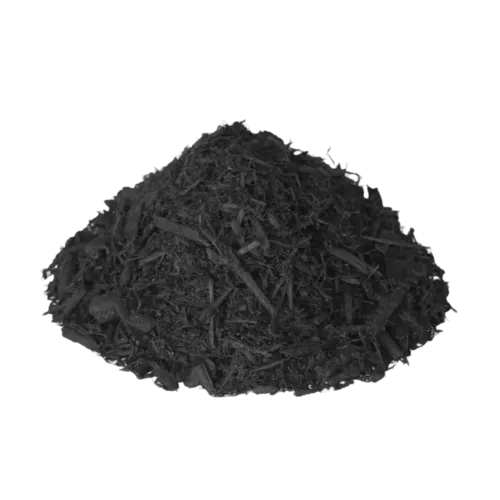
Hardwood Mulch
Shredded hardwood mulch is the best answer for local silt loam because its fibrous strands cushion the soil surface, prevent crusting, and slowly feed organic matter into the top layer, which loosens the fine particles and improves both drainage and water holding capacity over time.
Complete Your Outdoor Mulch Project
Pair your mulch with a few yards of compost worked into the silt loam beforehand, and add steel or stone edging to keep mulch out of your lawn during West Valley City windstorms.
Keep mulch off the trunk flare. West Valley City has a lot of maples and lindens planted in the 1970s and 80s that are slowly being killed by volcano mulching. Piling mulch against bark holds moisture against the trunk, invites rot, and encourages girdling roots. Pull mulch back three to four inches from any trunk and leave the root flare visible. The tree should look like it comes out of the ground, not out of a mound.
Mulch Mound Pro Tip
Water before you mulch, not just after. Silt loam that has dried out at 4,304 feet becomes hydrophobic at the surface, and dry mulch laid over dry soil makes it worse by intercepting the first inch of every irrigation cycle. Run your drip or sprinklers long enough to soak the top four inches, spread mulch onto damp soil, then water again lightly to settle it. The mulch bonds to the soil surface and stops drifting.
Mulch Mound Pro Tip
Time your fall mulch application after the Oct 22 first frost, not before. Mulching while soil is still warm gives voles and mice a cozy tunnel network right when they are looking for winter quarters, and West Valley City yards near open fields and canal banks see plenty of both. Wait until the ground has chilled, then add an inch or two for winter insulation. You get the frost heave protection without the rodent hotel.
Frequently Asked Questions
Click a question to see the answer
Answer
How often do I need to replace mulch in West Valley City?
Most West Valley City yards need a refresh every 18 to 24 months rather than annually. Our dry 21 inch rainfall and low humidity slow the microbial breakdown that eats mulch fast in wetter climates. What you will notice first is color fading from UV exposure at 4,304 feet, not the mulch actually disappearing. A light 1 inch top dressing restores the look without smothering roots.
Answer
Will mulch help with the hard crust that forms on my silt loam beds?
Yes, and it is one of the biggest reasons to mulch here. Silt loam has fine particles that pack tight and seal at the surface when raindrops or sprinkler heads hit bare soil, so water runs off instead of soaking in. A 3 inch mulch layer absorbs that impact and keeps the top inch of soil open and crumbly. Within a season you should see water penetrating instead of pooling.
Answer
When should I mulch given our Apr 21 last frost?
Wait until roughly the first week of May, about two weeks after the Apr 21 average last frost, so the soil has warmed. Mulching too early over cold West Valley City soil insulates the chill in and delays perennial emergence. If you already mulched in March, pull it back a few inches from crowns until the soil warms, then push it back in place.
Answer
Does mulch really save water with our summer watering restrictions?
It does, measurably. Bare silt loam in a Salt Lake Valley July can lose a substantial share of applied irrigation to evaporation within a day. Three inches of shredded mulch cuts that loss significantly and lets you stretch bed watering to two deep cycles a week instead of daily sprinkling. That matters when secondary water allocations tighten in late summer.
Answer
Will wind blow my mulch around out here?
West Valley City gets steady canyon and valley winds, especially on open lots west of Bangerter Highway. Shredded hardwood knits together and stays put far better than nugget or chunk bark, which rolls and drifts. If you want a chunkier look, keep it in beds sheltered by fencing or shrubs and edge the beds an inch below grade so wind has nothing to catch.
Answer
Can I put mulch over my existing rock beds?
You can, but it is worth pulling the rock first. Many older West Valley City yards have decades of gravel worked into the top few inches of silt loam, and layering mulch over it creates a mixed zone that is miserable to plant into later. Rake out what you can, remove any degraded fabric, then lay fresh mulch directly on the soil.
Answer
How much mulch fits in a standard pickup?
A half ton pickup with a short bed safely carries about one cubic yard of mulch, which covers roughly 100 square feet at 3 inches. Since a typical West Valley City front yard bed system runs 400 to 600 square feet, that means four to six trips. Bulk delivery drops the whole load at once and usually costs less than the gas and the weekend.
The Unique Landscape of West Valley City
West Valley City sits at 4,304 feet on the old Jordan River floodplain, where silt loam soils hold moisture well but crust over hard under the Salt Lake Valley sun. With only 21 inches of precipitation a year and much of that arriving as winter snow, summer beds here can go weeks without natural water. Mulch is what keeps that silt loam from baking into a sealed crust that sheds sprinkler water instead of absorbing it. A steady 3 inch layer over beds cuts evaporation dramatically during the July and August stretch when afternoon temperatures regularly top 95 degrees. It also buffers roots through the temperature swings between the Oct 22 first frost and the Apr 21 last frost, when a 40 degree daily swing is common along the valley floor. For Zone 7b plantings that push growth early, mulch is the single cheapest insurance against both drought stress and late spring cold snaps.