




Good quality top soil and was delivered exactly where I wanted it. Nice Job!
About this soil
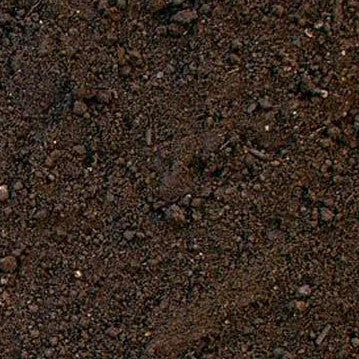
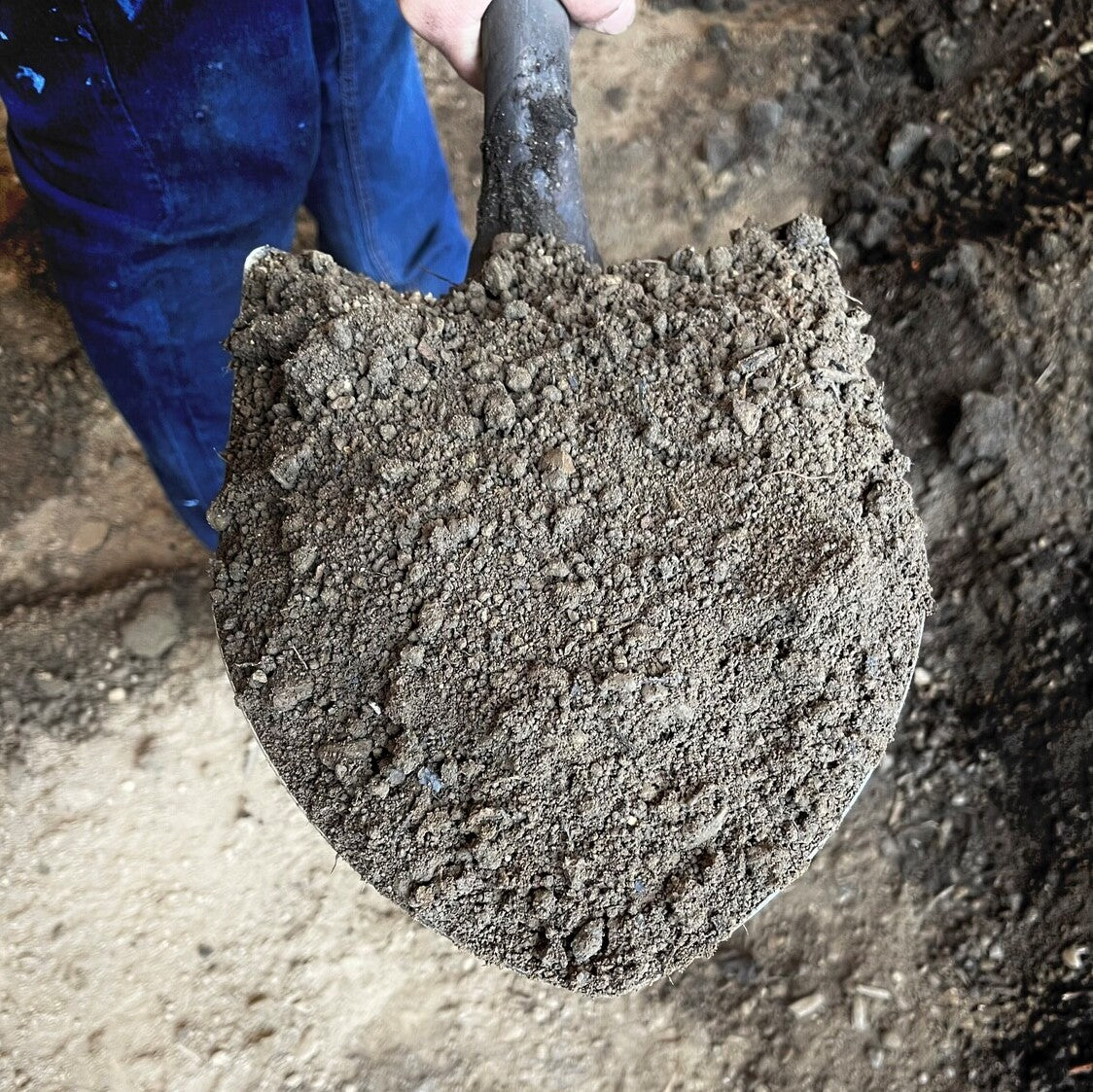
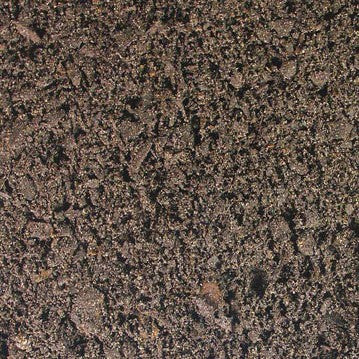
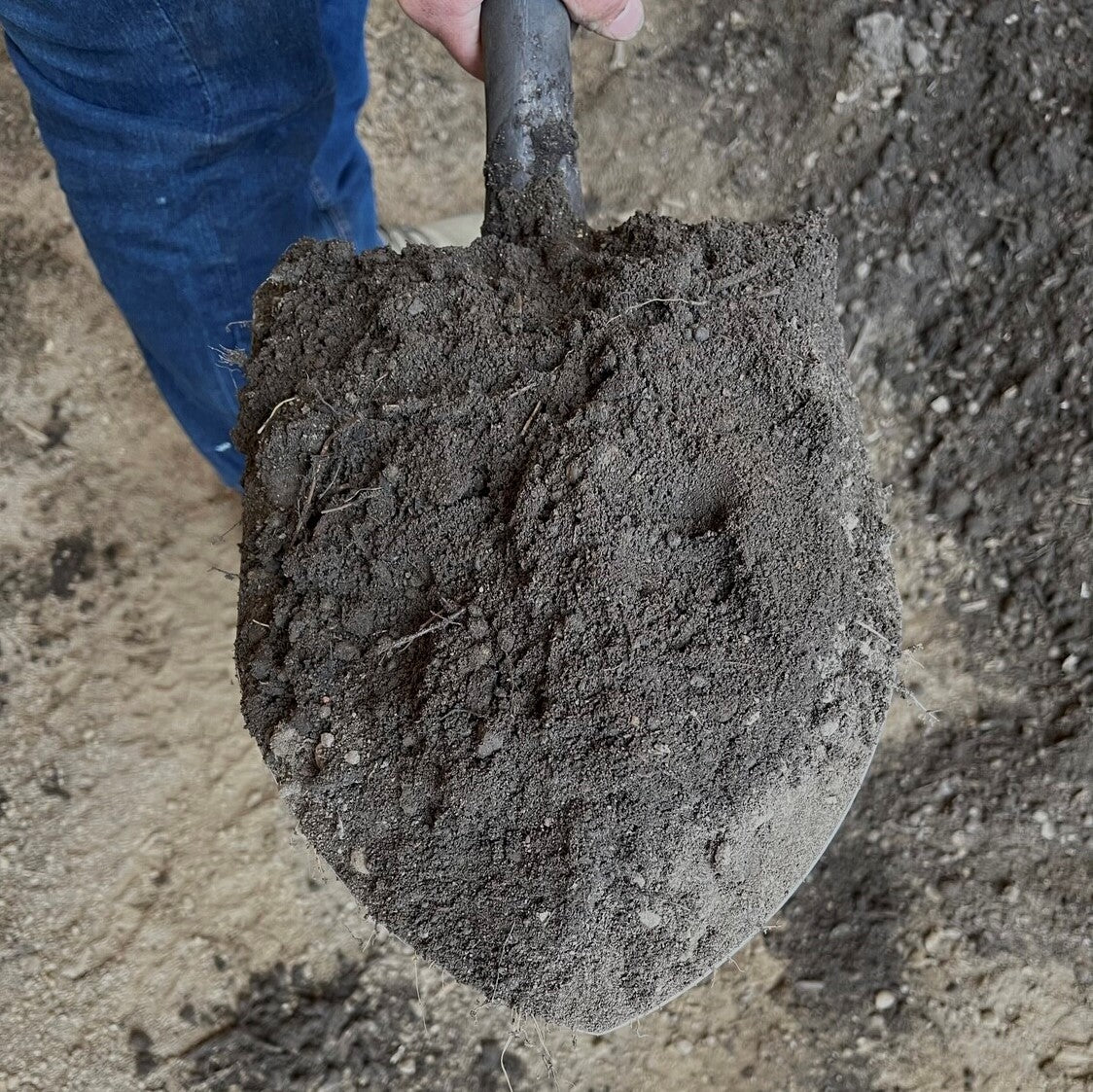
Screened topsoil with a fine, even texture. Ideal for new lawns, sod prep, and raised garden beds.
Good quality top soil and was delivered exactly where I wanted it. Nice Job!
Tell us what you're looking for
Thanks! We received your request.
Something went wrong. Please try again.
How Much Material Do I Need?
How Much Material Do I Need?
Plan 4 to 6 inches of topsoil for new lawn areas, 10 to 12 inches for raised vegetable beds, and 1 to 2 inches of compost for top dressing existing beds. One cubic yard covers 100 square feet at 3 inches deep.
Use our free soil calculator
What is a Yard?
What is a Yard?
What is a yards?
What is a yards?
FAQs
FAQs
West Valley City Soil Delivery
West Valley City Soil Delivery
Regular price
$64.00
per
Yard
Regular price
Sale price
$64.00
Unit price
per
Shipping calculated at checkout.
Minimum of 3 Yard
Couldn't load pickup availability
Not currently available
We can't take orders for this right now. Tell us what you need and we'll get back to you.
Hand-picked local yards
4,000+ regional deliveries
Dedicated support
Why order through Mulch Mound
The best local , without the guesswork.
We hand-pick and partner with the best yards in your region, keep only the ones our buyers rate well, and back each load with our guarantee.
Mulch Mound Guarantee
If your isn't the quantity or quality you ordered, we'll make it right.
About this soil
Screened topsoil with a fine, even texture. Ideal for new lawns, sod prep, and raised garden beds.
Good quality top soil and was delivered exactly where I wanted it. Nice Job!
How Much Material Do I Need?
How Much Material Do I Need?
Plan 4 to 6 inches of topsoil for new lawn areas, 10 to 12 inches for raised vegetable beds, and 1 to 2 inches of compost for top dressing existing beds. One cubic yard covers 100 square feet at 3 inches deep.
Use our free soil calculator
What is a Yard?
What is a Yard?
What is a yards?
What is a yards?
FAQs
FAQs
Tell us what you're looking for
Thanks! We received your request.
Something went wrong. Please try again.

How It Works
Getting started is easy — just follow these simple steps
1
Choose your soil
Make sure you adjust the quantity to your home's needs. You can use our calculator to estimate how much you'll need.
2
Select your delivery date
Select a delivery date you'd like for the product to be dropped off at your home
3
Sit back and wait
Sit back, wait, and let us work our magic to make sure the highest quality product is delivered to your driveway.

Online ordering was really simple and I liked the transparent pricing.

Easy to order, great service, and great product. We enjoy the final look of a very neglected beds we inherited!
Need Help Calculating How Much Soil You Need?
Use our NEW Trace from Satellite tool to get an estimate for your project based on an aerial view of your property
Try Our CalculatorFor raised beds, multiply length by width by depth in feet and divide by 27 to get cubic yards. For lawn prep or leveling, measure the whole area and use the average depth you plan to spread, remembering that silt loam settles about fifteen percent after watering. Order a little extra so you are not chasing a partial load.
Complete Your Outdoor Soil Project
Add compost to boost organic matter in West Valley City's lean silt loam, and finish with mulch on top so your new soil does not crust over in the summer sun.
Service area
Areas we deliver soil in West Valley City, Utah
Mulch Mound Pro Tip
Do not import soil without checking your grade first. Many West Valley City homes were built with minimal fall away from the foundation, and adding four inches of topsoil against the house can push water toward the basement. Keep new soil at least six inches below siding and slope it away at roughly a quarter inch per foot for the first ten feet. Grade first, then plant.
Mulch Mound Pro Tip
Blend new soil into old rather than layering it. If you drop six inches of garden blend on top of compacted West Valley City fill, roots hit that interface and stop dead. Till or fork the bottom two inches of your new soil into the top two inches of native ground to create a transition zone. It takes an extra hour and doubles your effective root depth in the first year.
Mulch Mound Pro Tip
Test before you amend. Utah State University Extension runs an affordable soil analysis, and for most West Valley City yards the results are the same story of high pH, low organic matter, and adequate phosphorus. Knowing your actual numbers stops you from buying fertilizer you do not need. Phosphorus especially builds up in valley soils, and adding more locks up iron and zinc that your plants already struggle to get.
The Unique Landscape of West Valley City
Native West Valley City ground is silt loam, often with construction fill or gravel mixed in on lots built since the 1980s. It is naturally fertile but low in organic matter, alkaline in pH, and prone to compacting into a dense layer that roots struggle to penetrate. At 4,304 feet with 21 inches of annual precipitation, there is not enough natural decomposition happening to build organic matter on its own the way it does in wetter regions. Adding quality topsoil and compost is how West Valley City gardeners create a root zone that actually drains, breathes, and holds nutrients. It also lets you plant on schedule after the Apr 21 last frost instead of waiting for soggy native ground to dry. For raised beds, new lawns, and grading around foundations, bringing in engineered soil is faster and more reliable than trying to amend fill dirt in place.