About this mulch

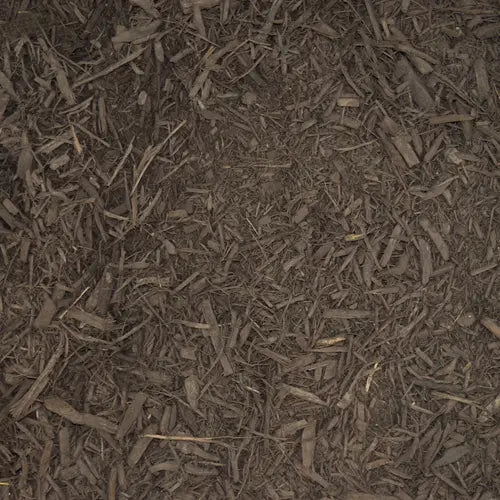
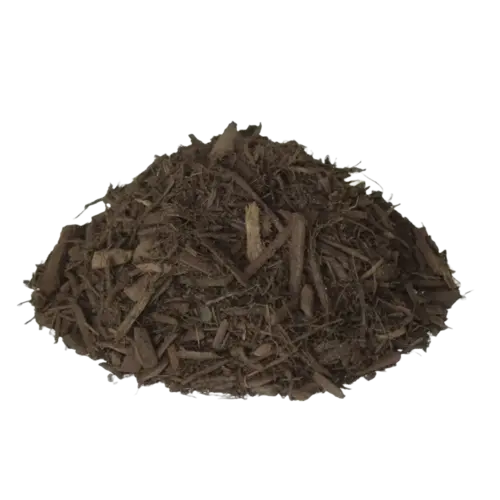
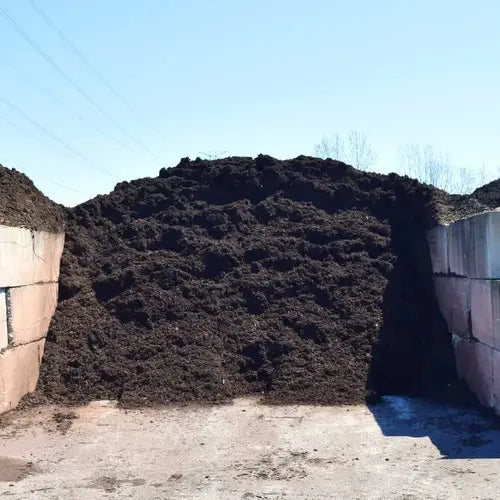
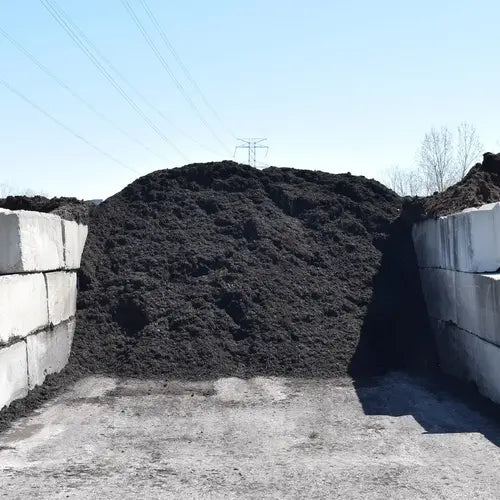
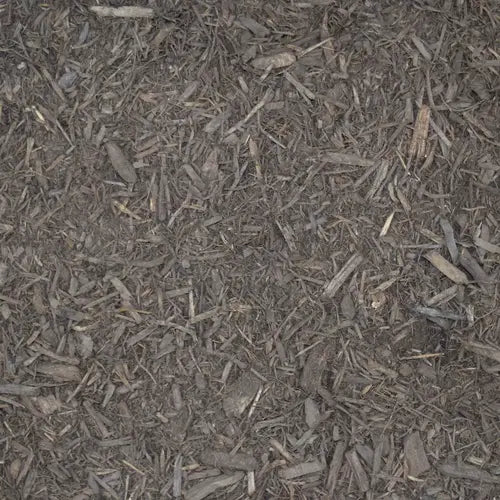
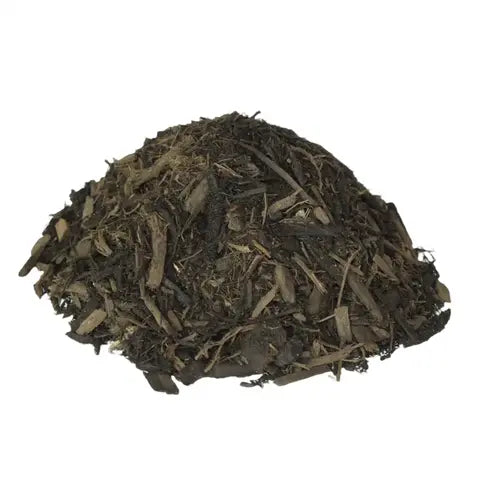
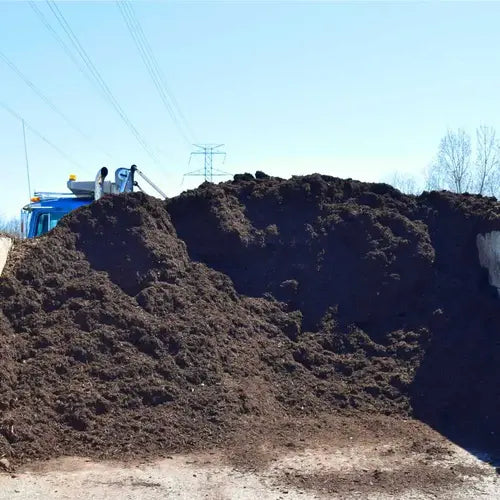
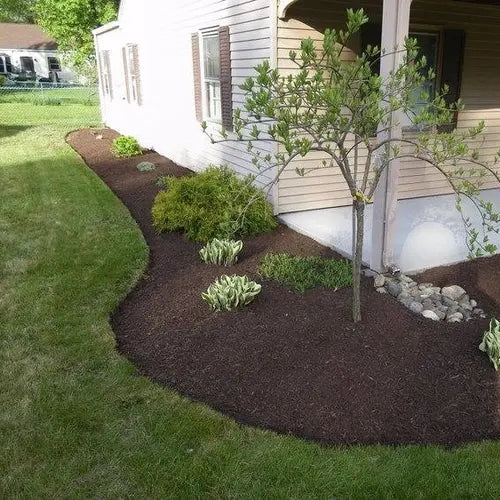
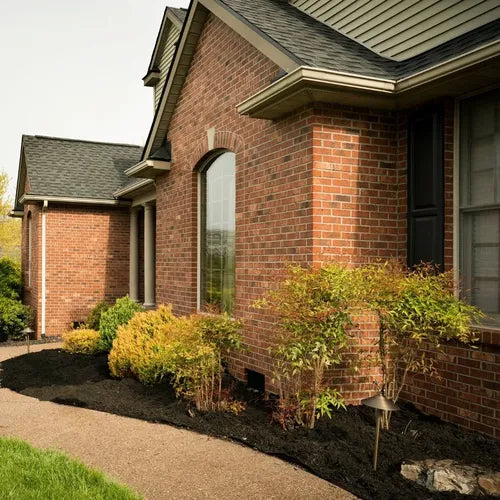
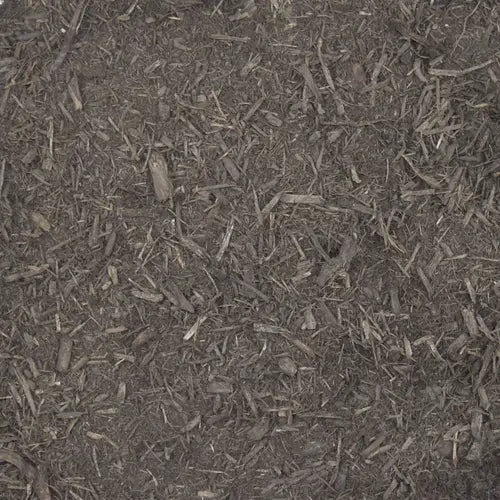
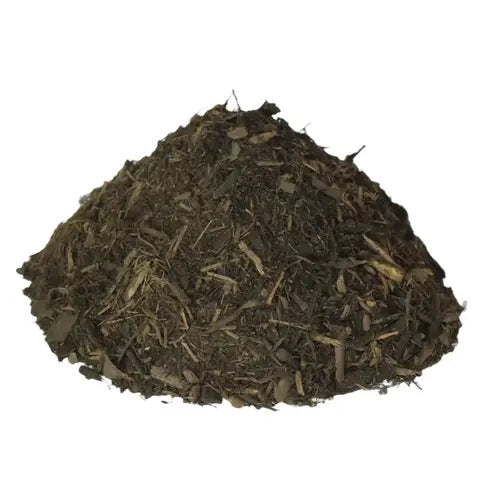
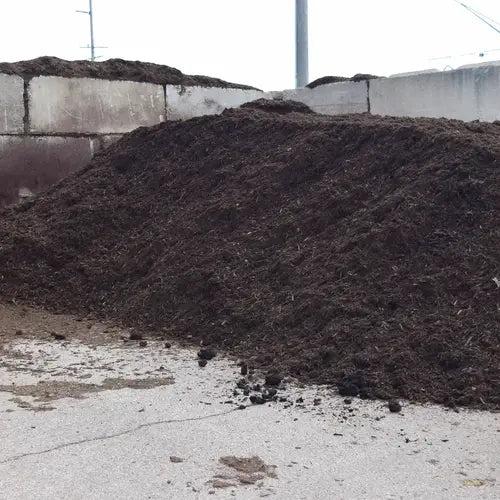
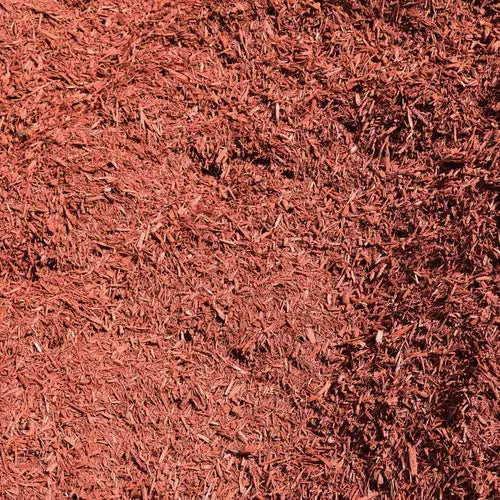
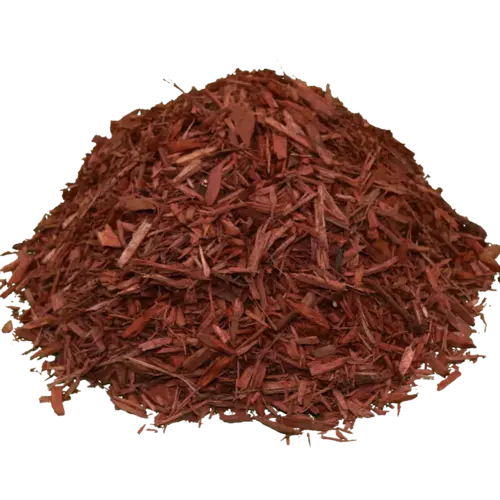
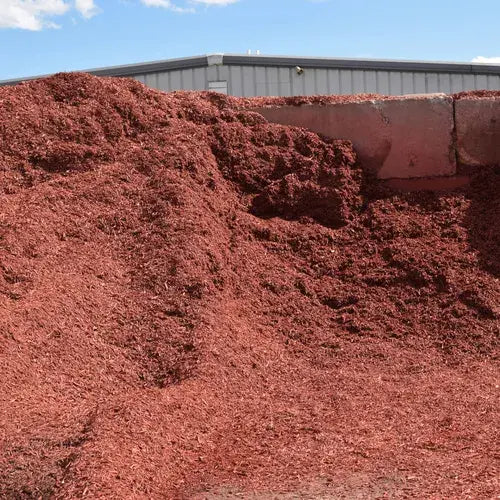
Double-shredded mulch dyed a rich, even brown that holds its color through the season.

Mulch Mound delivered a yard of pea gravel to us. Delivery was on time, driver was friendly and hit a bullseye on the “tarp target”. We used the pea gravel (which was diameter as specified) to fill several muskrat holes around our pond. I would definitely recommend Mulch Mo...

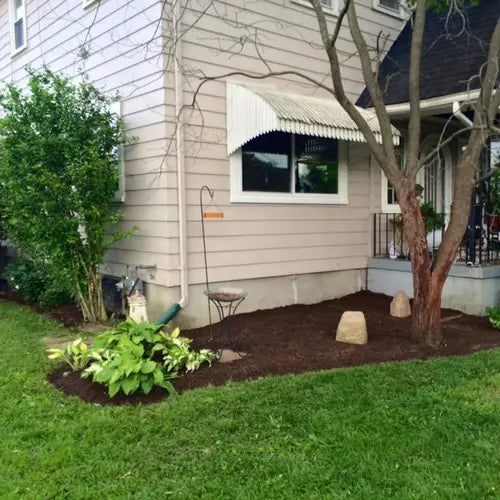
Plan on 3 inches for established shrub and perennial beds and 2 inches around tree rings and anything newly planted. At 3 inches, one cubic yard covers about 100 square feet, so a 500 square foot bed set takes 5 yards.
Use our free mulch calculator

A yard is approximately 27 cubic feet. As a general guideline, one yard of material can cover an area of about 100-160 square feet at a 2-3 inch depth.

Westfield Mulch Delivery

Westfield Mulch Delivery

4.7
137 reviews
Regular price $55.00 per Yard
Regular price Sale price $55.00
Sale Sold out
Shipping calculated at checkout.
Color
Style
Hand-picked local yards
4,000+ regional deliveries
Dedicated support
Why order through Mulch Mound

The best local , without the guesswork.

We hand-pick and partner with the best yards in your region, keep only the ones our buyers rate well, and back each load with our guarantee.

Mulch Mound Guarantee

If your isn't the quantity or quality you ordered, we'll make it right.

About this mulch

Double-shredded mulch dyed a rich, even brown that holds its color through the season.

Mulch Mound delivered a yard of pea gravel to us. Delivery was on time, driver was friendly and hit a bullseye on the “tarp target”. We used the pea gravel (which was diameter as specified) to fill several muskrat holes around our pond. I would definitely recommend Mulch Mo...

Plan on 3 inches for established shrub and perennial beds and 2 inches around tree rings and anything newly planted. At 3 inches, one cubic yard covers about 100 square feet, so a 500 square foot bed set takes 5 yards.
Use our free mulch calculator

A yard is approximately 27 cubic feet. As a general guideline, one yard of material can cover an area of about 100-160 square feet at a 2-3 inch depth.

View full details

How It Works

Getting started is easy — just follow these simple steps

1

Choose your Mulch

Make sure you adjust the quantity to your home's needs. You can use our calculator to estimate how much you'll need.

2

Select your delivery date

Select a delivery date you'd like for the product to be dropped off at your home

3

Sit back and wait

Sit back, wait, and let us work our magic to make sure the highest quality product is delivered to your driveway.

What Westfield Customers Are Saying

4.7
out of 5 based on 137 reviews
Google Reviews

Calculate mulch for your Westfield project

For Westfield's type of soil, we recommend 2-3 inches for best weed suppression and moisture retention

Try Our Calculator
📍

Break your yard into simple rectangles and circles instead of trying to measure one odd shaped bed, then add the square footage together. Measure the actual bed edge, not the property line, since most Westfield beds have curved fronts that read wider than they are. Round up to the next half yard because a light spot in a bed is more noticeable than a little extra pile on the driveway.

Mulch vs. No Mulch: The Difference

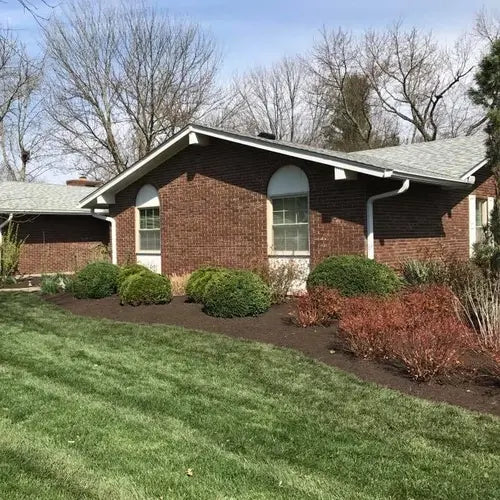
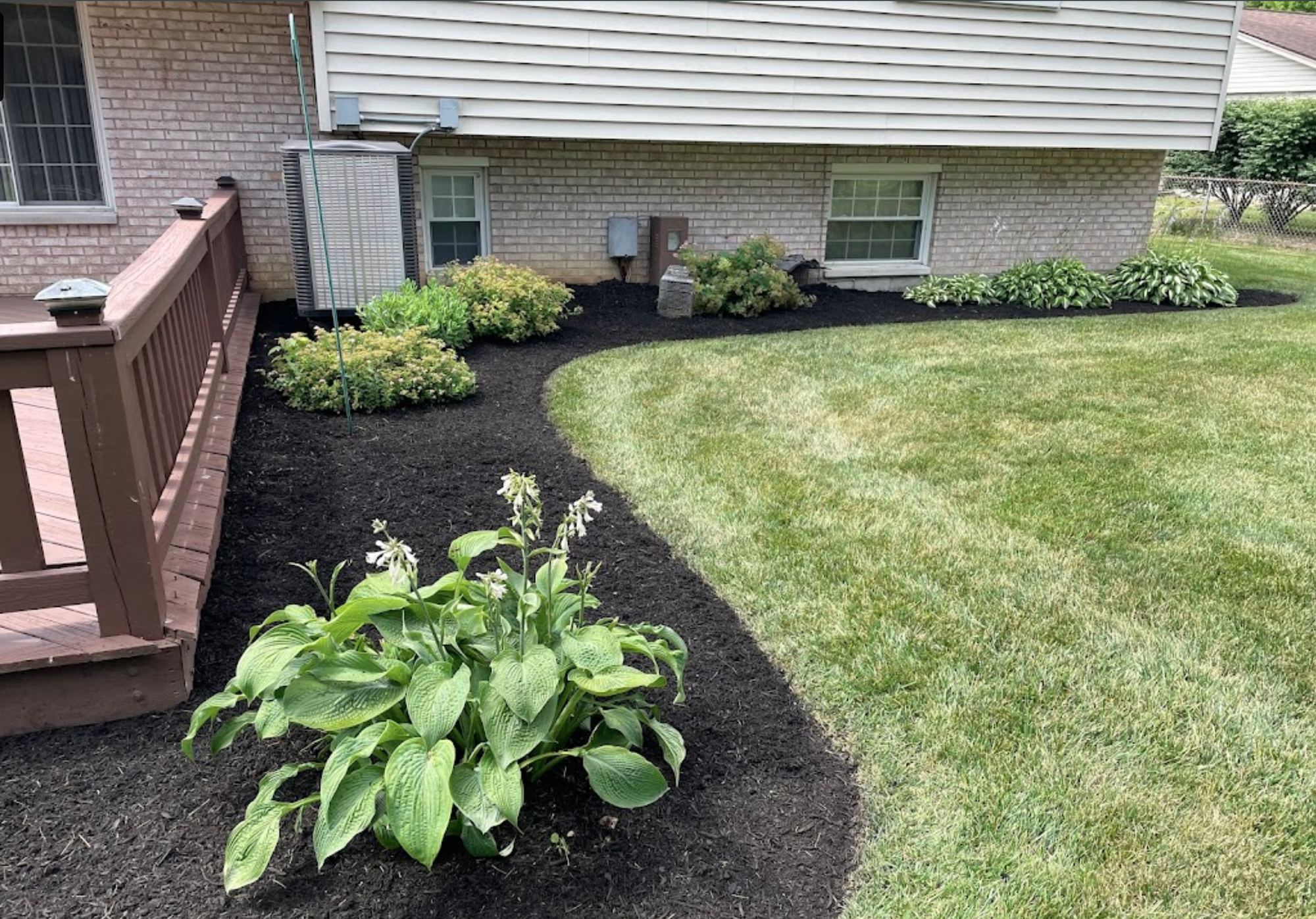
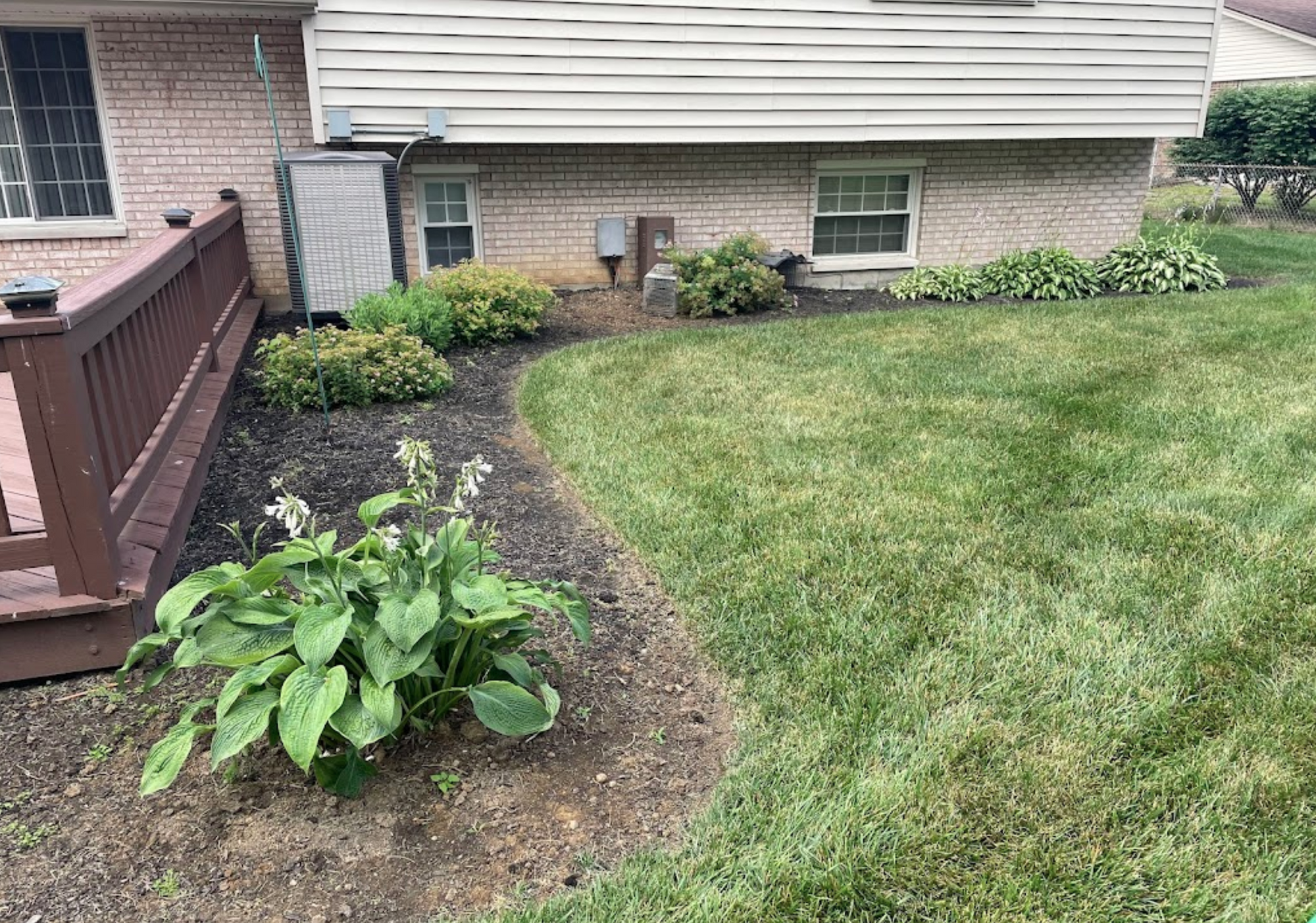
Westfield mulch works hard because our conditions are hard on it. Roughly 40 inches of rain, humid Indiana summers, and a long freeze thaw window from December through March all speed up decomposition, which means organic mulch here loses about an inch of depth every year. That is good news for the soil and a reason to plan on a top dressing each spring.

Before image
After image
Slider handle
Before
After

Complete Your Outdoor Mulch Project

Pair your mulch order with a few yards of garden soil or compost blend to build up thin builder soil before you top dress, and add river rock or crushed stone for downspout splash zones where mulch always washes out. Steel or paver edging keeps mulch out of the lawn during our heavy spring rains.

Map of the mulch delivery area around Westfield, Indiana

Service area

Areas we deliver mulch in Westfield, Indiana

Mulch Mound Pro Tip

Edge before you mulch, not after. Cut a 4 inch deep spade trench along the bed line while the silt loam is still moist in late April, because once Westfield hits a dry July stretch that same soil turns to concrete and the spade will not bite. The trench also gives mulch a lip to sit behind, which keeps it from floating out across the lawn during the heavy downpours we get in May and June.

Mulch Mound Pro Tip

Never volcano mulch your trees. Piling mulch against the trunk traps moisture, and with Westfield humidity and 40 inches of annual rain that wet collar rots bark and invites voles that girdle young maples over winter. Pull mulch back so you can see the root flare, then spread a flat 2 to 3 inch donut out to the drip line. Newly planted trees in subdivision soil especially need air at the trunk.

Mulch Mound Pro Tip

Time your last mulch touch up for late October, just after our October 15 average first frost. A fresh inch going into winter insulates root zones through the zone 6a freeze thaw swings that lift shallow rooted perennials like coral bells and heuchera out of the ground in February. Do it after the ground has cooled, though, or you will keep plants pushing tender growth right into the first hard freeze.

Frequently Asked Questions

Click a question to see the answer

Answer

When should I mulch my beds in Westfield?

Wait until the soil warms, which in Westfield is usually the last week of April right around our April 25 average last frost. Mulching over cold wet silt loam in March traps the chill and slows down perennials and shrubs. Late April into early May is the sweet spot because the ground has warmed but summer weeds have not germinated yet.

Answer

How many cubic yards do I need for a typical Westfield front bed?

One cubic yard covers about 100 square feet at 3 inches deep. A common Westfield front foundation bed running 30 feet along the house at 6 feet deep is 180 square feet, so roughly 2 yards. Most full front and side yard refreshes on a standard subdivision lot here land between 5 and 9 yards.

Answer

Will mulch make my clay heavy silt loam drain any better?

Not immediately, but yes over time. Westfield silt loam has fine particles that pack tight, and as the bottom inch of hardwood mulch decomposes each year, earthworms and microbes pull that organic matter down and open up pore space. After three or four annual top dressings most homeowners here notice water soaking in instead of pooling after a heavy June rain.

Answer

Does mulch attract termites around my foundation?

Termites are present in Hamilton County but mulch is not what draws them, moisture against wood is. Keep the mulch layer at 3 inches or less and hold it back 4 to 6 inches from siding and brick weep holes so the foundation can dry out. That gap matters more in Westfield than most places because our silt loam stays damp for days after a storm.

Answer

Why does my mulch fade so fast on the south side of the house?

Westfield gets strong afternoon sun and roughly 190 clear to partly clear days, and UV bleaches surface pigment on dyed mulch fastest on southern and western exposures. Natural hardwood grays out too but the shift looks less abrupt. A light 1 inch refresh on just the sunny side in midsummer usually fixes the mismatch without a full reorder.

Answer

Can I mulch right over the weeds already in my bed?

Only if they are small annuals. Westfield beds tend to fill with creeping charlie, bindweed, and nutsedge, and all three push straight through 3 inches of mulch from established roots. Pull or spot treat the perennial weeds first, then mulch, and you will get most of the season weed free.

Answer

Should I remove last year's mulch before adding new?

Usually no. In our climate about an inch of the old layer breaks down into the silt loam over a season, so you just top up to 3 inches total. Do rake and break up any matted crust first, because compacted old mulch sheds water and Westfield delivers a lot of it in short heavy storms.

The Unique Landscape of Westfield

Westfield sits in growing zone 6a, which means beds go through a hard freeze in December and then repeated thaw cycles in February that heave shallow roots right out of the ground. The silt loam under most Westfield yards holds moisture well but crusts over and sheds water when it bakes dry in July, so bare soil in a front bed can shed a summer thunderstorm instead of absorbing it. A 3 inch mulch layer buffers both problems by insulating roots through the freeze thaw swing and keeping the silt surface open so rain soaks in. With roughly 40 inches of rain a year, much of it arriving in heavy May and June downpours, mulch also stops silt particles from splashing up onto siding, walkways, and lower plant foliage. Newer Westfield subdivisions off Ditch Road and Spring Mill often have compacted builder subsoil near the surface, and mulch is the simplest way to start rebuilding structure without digging up finished beds. Over a few seasons the bottom of the mulch layer breaks down into the silt loam and turns it into something roots can actually move through.