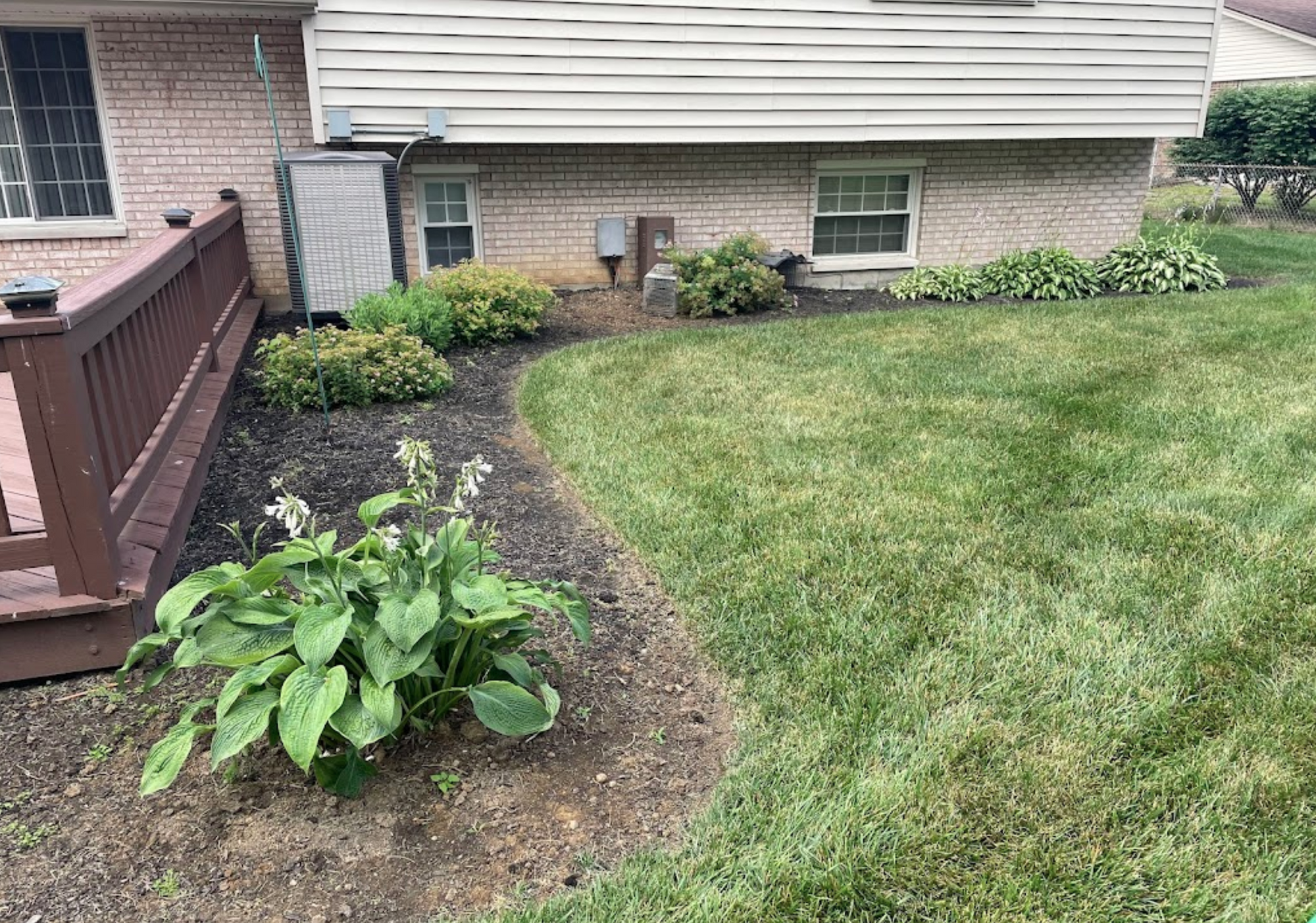
About this mulch

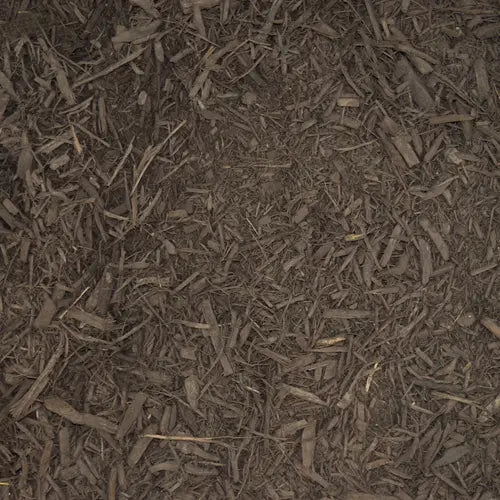
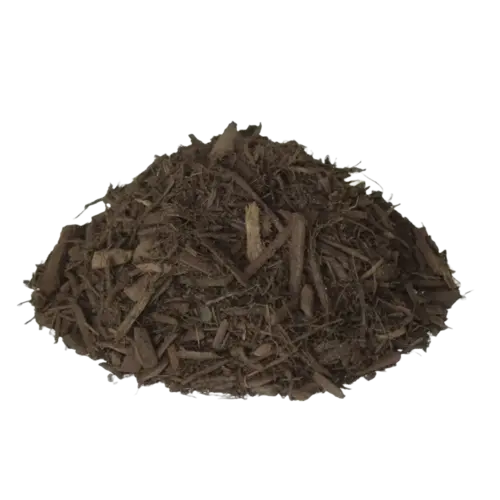
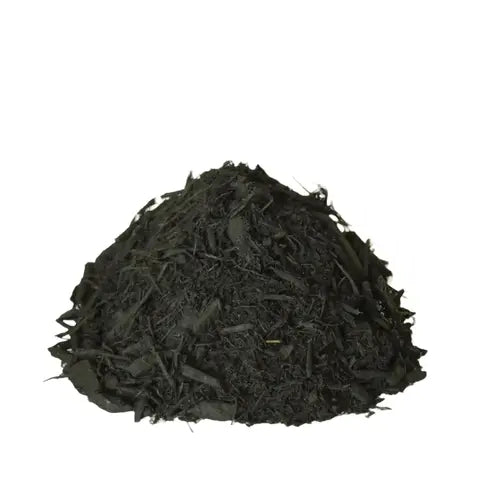
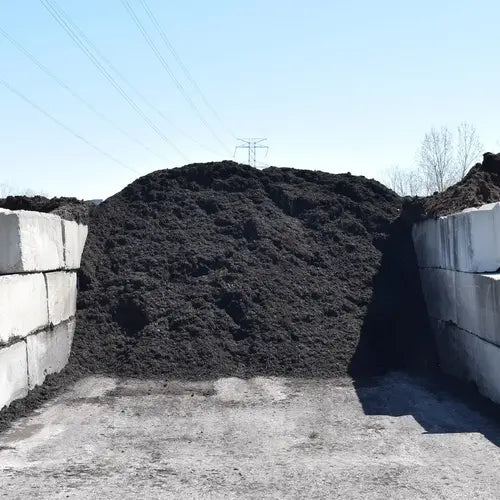
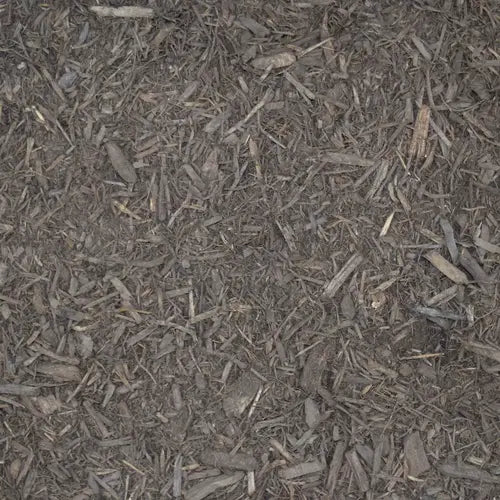
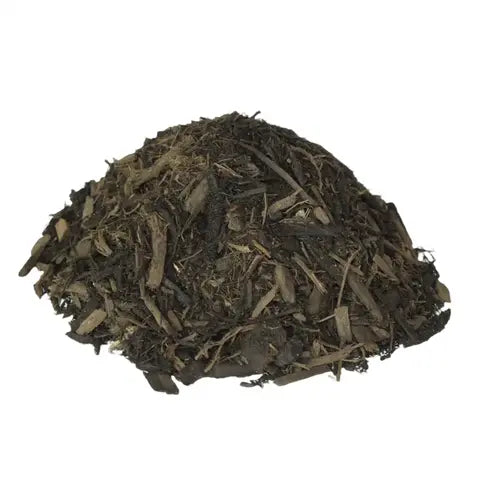
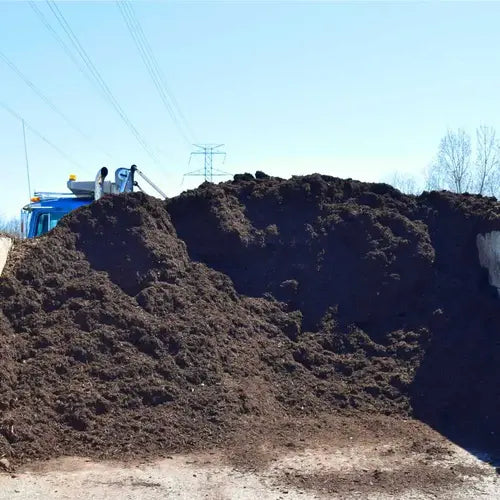
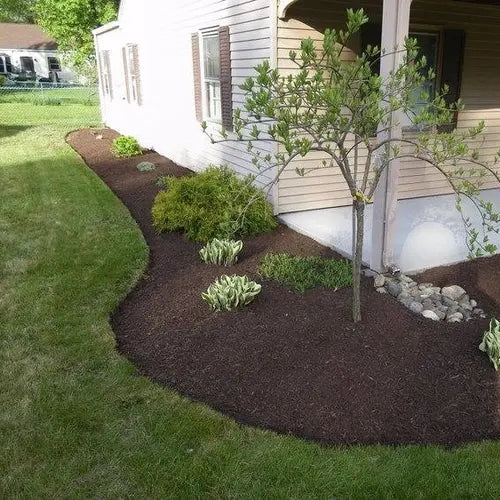
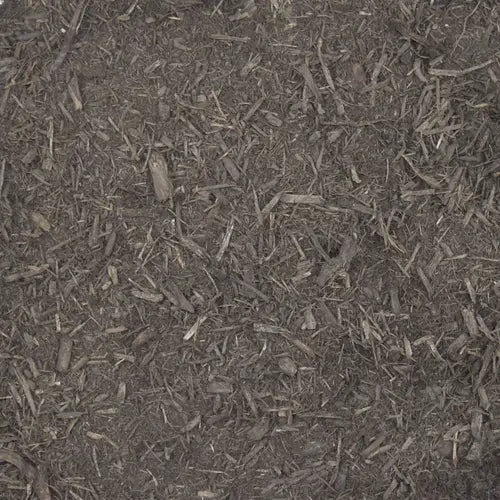
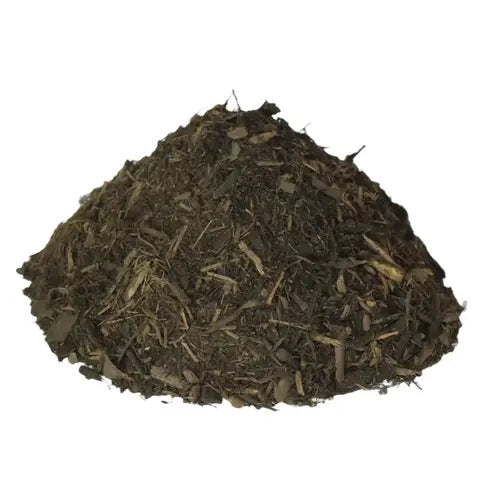
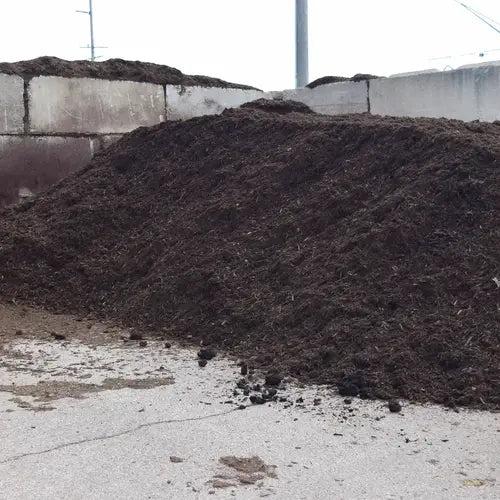
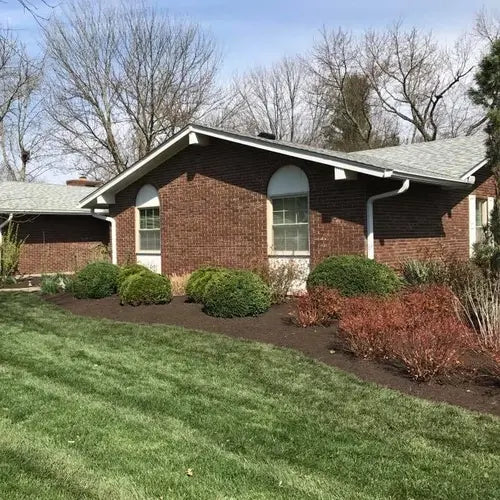
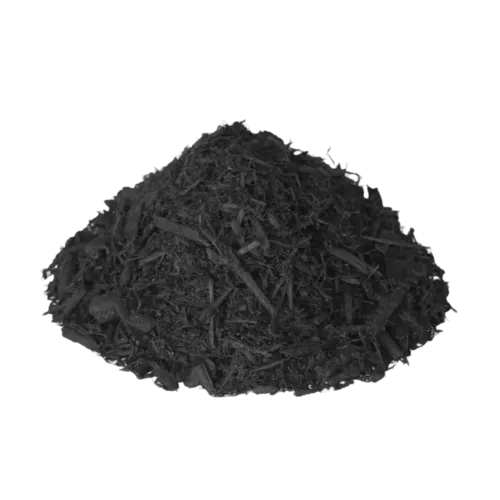
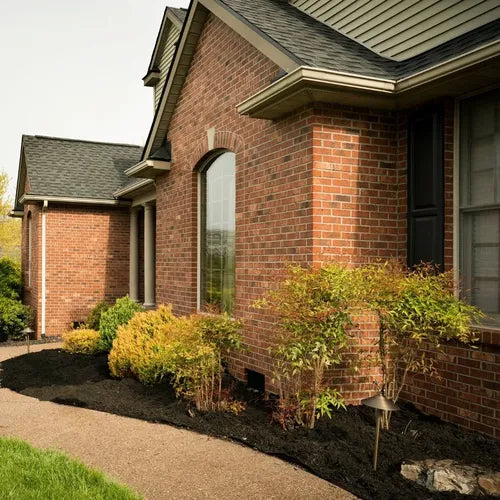
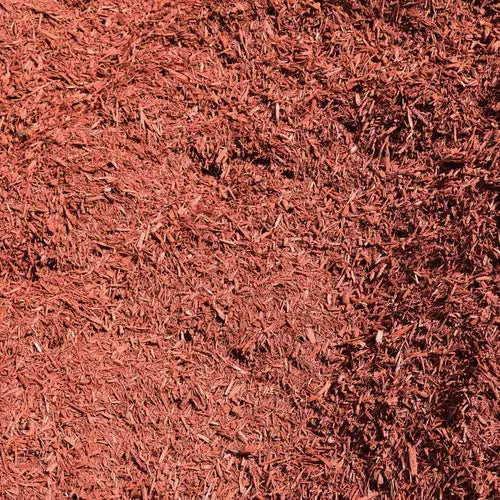
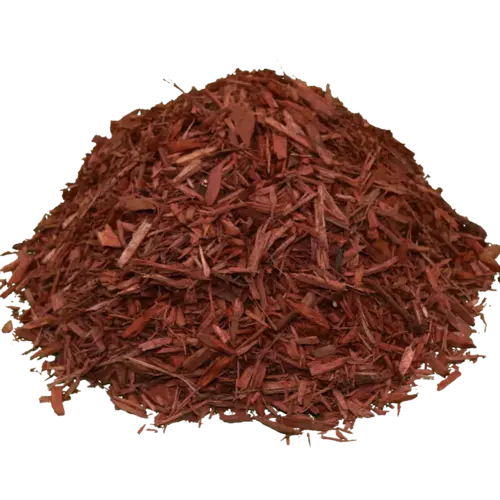
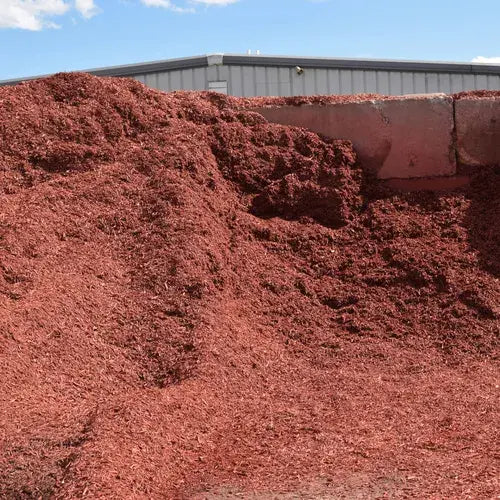
Double-shredded mulch dyed a rich, even brown that holds its color through the season.

We needed mulch for our HOA common areas. Local providers were all holding high prices even for 40 yards of mulch. Mulch mound was easy to wowith & has great price for natural mulch + delivery schedule options. They called before delivery to ensure Delivery was exactly wher...

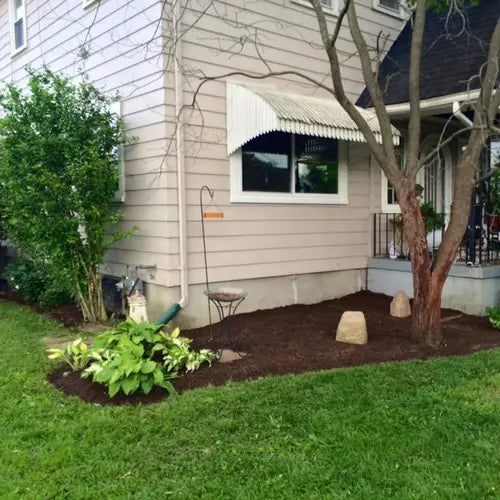
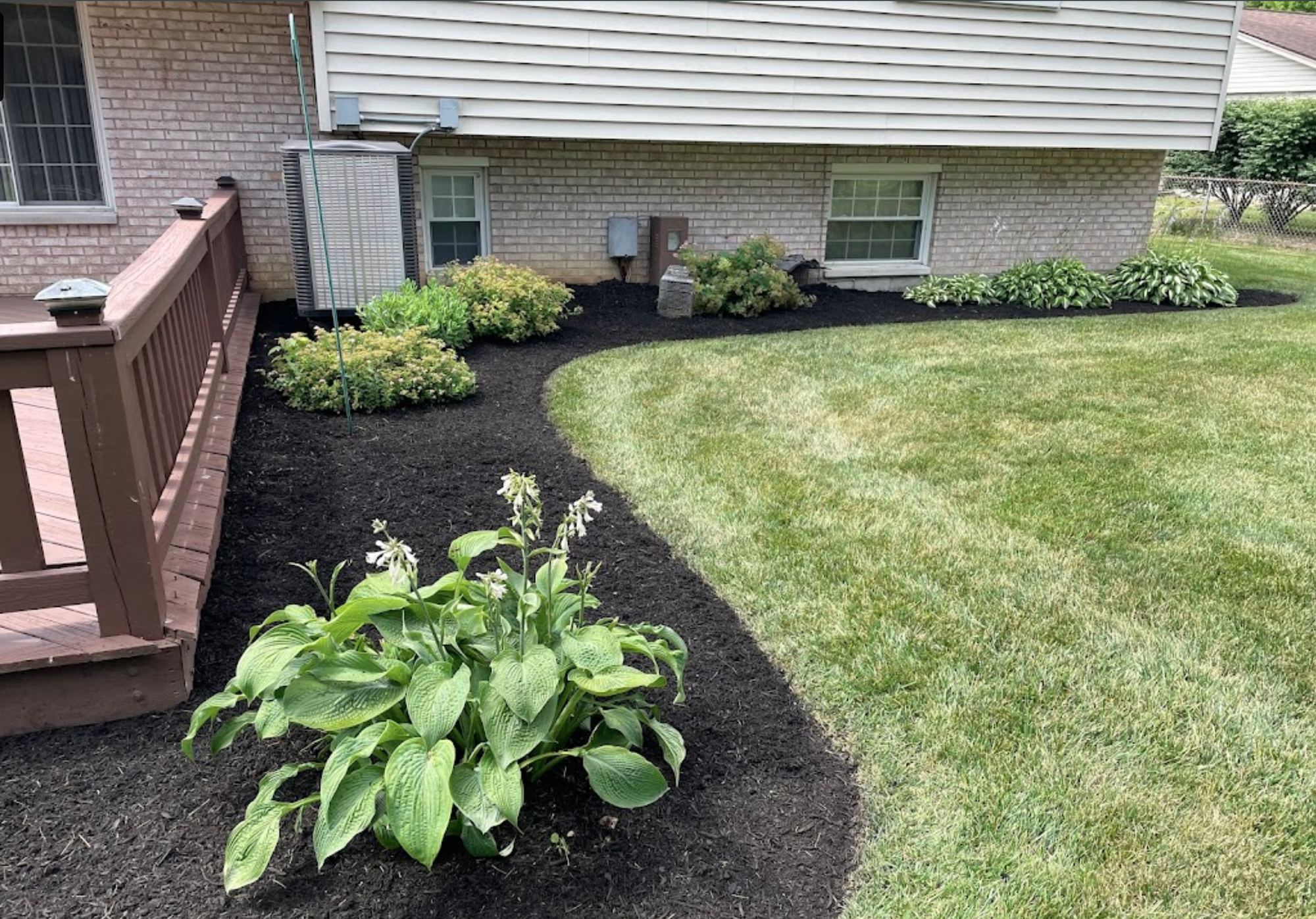
For most ornamental beds and tree rings in Wilmington, a 2 to 3 inch depth is ideal, balancing moisture retention with adequate airflow at the soil surface. Tree rings benefit from a full 3 inches out to the drip line to protect surface feeder roots from Wilmington's summer heat and winter frost cycles.
Use our free mulch calculator

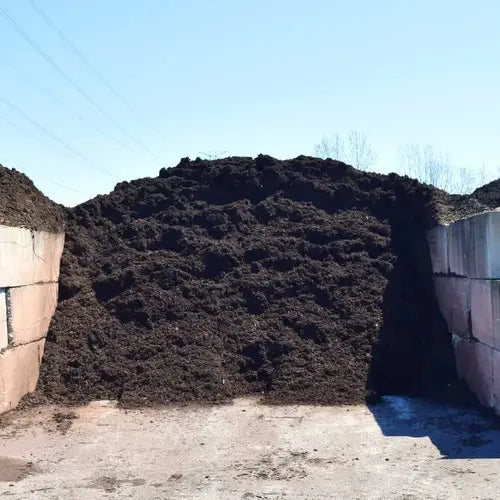
A yard is approximately 27 cubic feet. As a general guideline, one yard of material can cover an area of about 100-160 square feet at a 2-3 inch depth.

Wilmington Mulch Delivery

Wilmington Mulch Delivery

4.7
137 reviews
Regular price $55.00 per Yard
Regular price Sale price $55.00
Sale Sold out
Shipping calculated at checkout.
Color
Style
Hand-picked local yards
4,000+ regional deliveries
Dedicated support
Why order through Mulch Mound

The best local , without the guesswork.

We hand-pick and partner with the best yards in your region, keep only the ones our buyers rate well, and back each load with our guarantee.

Mulch Mound Guarantee

If your isn't the quantity or quality you ordered, we'll make it right.

About this mulch

Double-shredded mulch dyed a rich, even brown that holds its color through the season.

We needed mulch for our HOA common areas. Local providers were all holding high prices even for 40 yards of mulch. Mulch mound was easy to wowith & has great price for natural mulch + delivery schedule options. They called before delivery to ensure Delivery was exactly wher...

For most ornamental beds and tree rings in Wilmington, a 2 to 3 inch depth is ideal, balancing moisture retention with adequate airflow at the soil surface. Tree rings benefit from a full 3 inches out to the drip line to protect surface feeder roots from Wilmington's summer heat and winter frost cycles.
Use our free mulch calculator

A yard is approximately 27 cubic feet. As a general guideline, one yard of material can cover an area of about 100-160 square feet at a 2-3 inch depth.

View full details

How It Works

Getting started is easy — just follow these simple steps

1

Choose your Mulch

Make sure you adjust the quantity to your home's needs. You can use our calculator to estimate how much you'll need.

2

Select your delivery date

Select a delivery date you'd like for the product to be dropped off at your home

3

Sit back and wait

Sit back, wait, and let us work our magic to make sure the highest quality product is delivered to your driveway.

What Wilmington Customers Are Saying

4.7
out of 5 based on 137 reviews
Google Reviews

Calculate mulch for your Wilmington project

For Wilmington's type of soil, we recommend 2-3 inches for best weed suppression and moisture retention

Try Our Calculator
📍

Measure the length and width of each bed in feet and multiply those numbers together to get the square footage. For most Wilmington plant beds, plan on enough material to cover at a 2 to 3 inch depth, which works out to roughly one cubic yard per 100 square feet at 3 inches deep. Add up all your beds before ordering so you can get everything delivered in one trip.

Mulch vs. No Mulch: The Difference

Wilmington's combination of 43 inches of annual rainfall and Zone 6a winters creates a climate where organic mulch breaks down at a steady but manageable pace. The cold months essentially pause decomposition, which means a good fall application lasts well into the following growing season. Understanding this cycle helps you time your mulch orders so you are always working with a fresh, effective layer rather than compacted remnants from the previous year.

Before image
After image
Slider handle
Before
After

Complete Your Outdoor Mulch Project

Pairing fresh mulch with a quality topsoil or compost blend underneath gives your plant beds a strong foundation before you top them off. Browse our bulk soil options to amend your silt loam beds before spreading mulch for the season.

Map of the mulch delivery area around Wilmington, Ohio

Service area

Areas we deliver mulch in Wilmington, Ohio

Mulch Mound Pro Tip

Wilmington's silt loam soil has a tendency to crust over after heavy rains, which slows water infiltration into the root zone. Before spreading mulch in spring, lightly rake or aerate the top inch of soil in your plant beds to break up any surface crust that formed over winter. This simple step means water from spring rains actually reaches plant roots instead of running off the hardened soil surface underneath your mulch layer.

Mulch Mound Pro Tip

Because the last frost in Wilmington falls around April 22, many homeowners are tempted to mulch as soon as the weather warms in early April. Waiting until after that last frost date is the smarter move for annual beds and newly planted perennials. Mulching too early can keep soil temperatures colder than plants need to push new growth, and it can also trap late frost conditions right at the crown where emerging stems are most vulnerable.

Mulch Mound Pro Tip

Tree rings are one of the most overlooked mulching opportunities in Wilmington yards. Lawn mowers and string trimmers nick tree bark repeatedly over the season, creating wounds that invite pests and disease. Extending a 3 inch mulch ring out to at least the drip line of each tree eliminates the need to mow close to the trunk and protects the shallow feeder roots that extend well beyond what most homeowners expect.

Frequently Asked Questions

Click a question to see the answer

Answer

How thick should I apply mulch around my shrubs given how much rain Wilmington gets each year?

With 43 inches of annual rainfall in Wilmington, a 2 to 3 inch layer is the sweet spot for most shrub beds. Going deeper than 3 inches can trap too much moisture against the crown of plants and encourage root rot, especially in the silt loam soil that already drains slowly. Keep mulch pulled a couple inches away from the base of each shrub so air can circulate at the soil line.

Answer

My backyard stays soggy after spring rain. Will adding mulch make the drainage problem worse?

Mulch in a poorly drained area can help regulate surface moisture but it will not fix an underlying drainage problem on its own. If your Wilmington yard holds standing water for more than a day after a rain, you may have compacted silt loam underneath that needs to be amended or graded before mulching. In those spots, a thinner 1.5 to 2 inch layer of shredded hardwood mulch allows some evaporation while still providing weed suppression.

Answer

When is the best time of year to put down fresh mulch in Wilmington?

The two best windows in Wilmington are mid to late April, just after the last frost date around April 22, and again in mid-October before the first frost hits around October 20. Spring mulching locks in soil warmth and moisture as plants come out of dormancy. Fall mulching insulates roots before the ground freezes and reduces frost heave damage through the winter months.

Answer

Does dyed mulch cause any problems for vegetable gardens or flower beds here in Wilmington?

Dyed mulches are generally fine for ornamental beds but most gardeners in Wilmington prefer undyed natural hardwood or organic options around vegetables and edibles. The concern is not so much the colorant itself but the wood source sometimes used in cheaper dyed products. For food gardens, stick with natural shredded hardwood or straw so you know exactly what is breaking down into your soil over the season.

Answer

How often do I need to top off my mulch beds in Wilmington compared to a warmer climate?

In Wilmington's Zone 6a climate, hardwood mulch breaks down at a moderate pace because the cold winters slow decomposition for several months each year. Most homeowners find they need to add a fresh inch or so every one to two years rather than every season. If you mulch in fall and again in spring you can stretch out that cycle even further because you are always maintaining some active barrier on the soil.

Answer

Will mulch help protect my perennials from the freeze-thaw cycles we get here in the winter?

Absolutely. Wilmington's Zone 6a winters include repeated freeze-thaw events that can heave shallow-rooted perennials right out of the ground. A 3 inch layer of shredded hardwood mulch applied in late October keeps the soil temperature more stable and slows the rate of freezing and thawing at the root zone. Just wait until the ground has cooled in fall before mulching so you are insulating cold soil rather than trapping warmth that invites late-season disease.

Answer

Are there any mulch types that work better with the silt loam soil in this area?

Shredded hardwood mulch is particularly well suited for the silt loam soils common around Wilmington because it breaks down gradually and adds organic matter that improves both drainage and structure over time. Finer mulches like triple-shredded hardwood knit together on slopes and resist washing during heavy rain events, which matters here given the 43 inches of annual precipitation. Avoid using rock mulch over silt loam in planting beds because it can actually increase soil compaction and heat stress on roots during Wilmington summers.

The Unique Landscape of Wilmington

Wilmington sits at 1,027 feet in Clinton County, where the combination of heavy clay-influenced silt loam soil and 43 inches of annual rainfall creates a landscape environment that constantly battles compaction and moisture imbalance. Without a proper mulch layer, plant beds in Wilmington dry out fast during the dry stretches that follow summer storms, then turn waterlogged during prolonged spring rains. The growing season here runs from the last frost around April 22 all the way to the first frost near October 20, giving roots a solid window to establish but also plenty of time for weeds to take hold if beds are left bare. A consistent mulch layer is one of the most practical investments a Wilmington homeowner can make to protect plants through the freeze-thaw cycles that arrive each November and persist well into early spring. Zone 6a winters are cold enough to heave shallow roots when soil freezes and thaws repeatedly, and mulch acts as the insulating buffer that keeps soil temperature more stable. Managing your mulch correctly in Wilmington is not just about curb appeal, it is about giving your plantings a fighting chance against the specific stresses this corner of Ohio delivers.