About this mulch

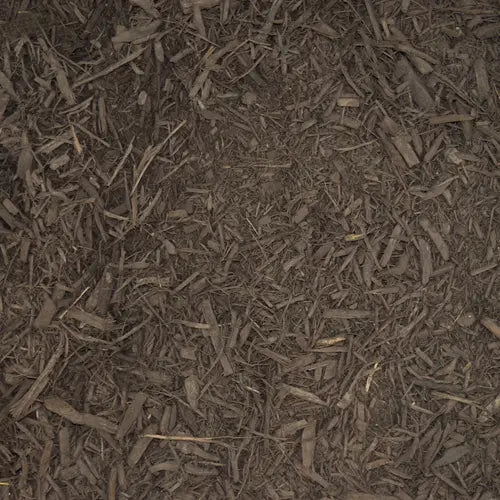
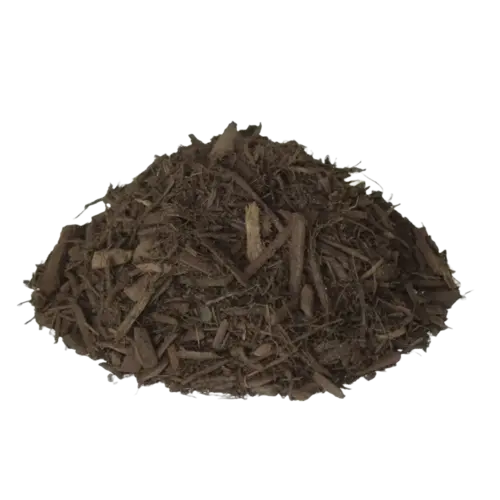
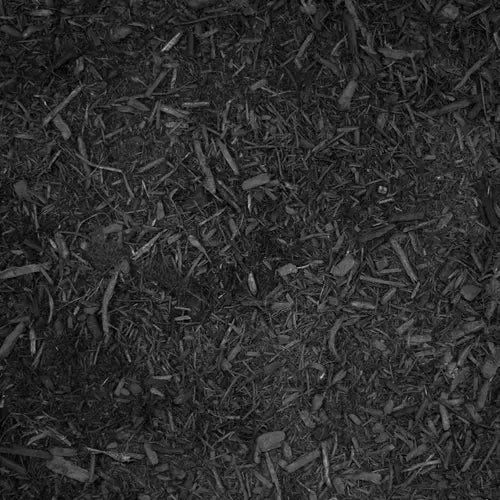
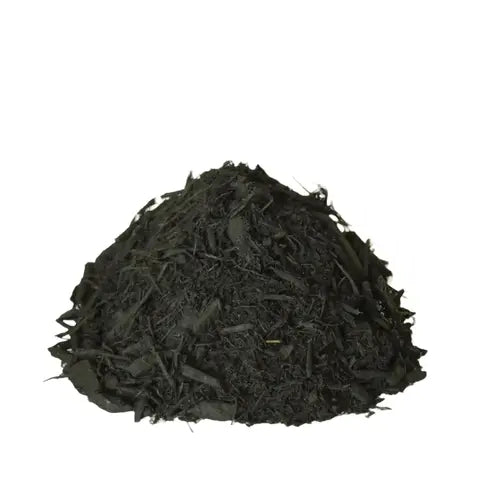
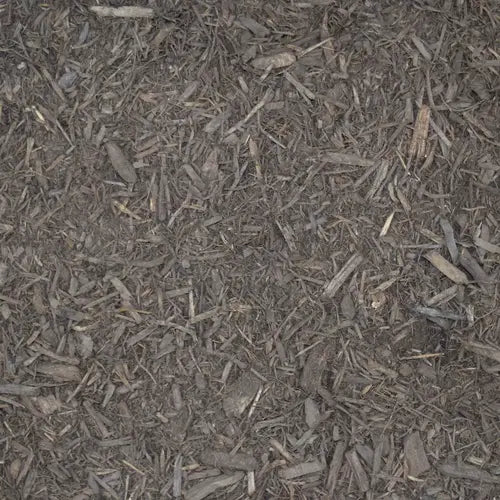
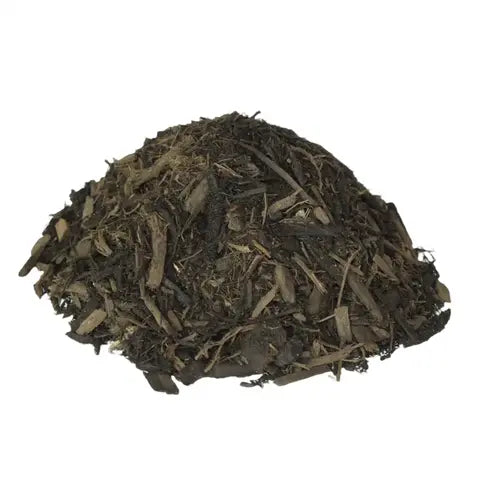
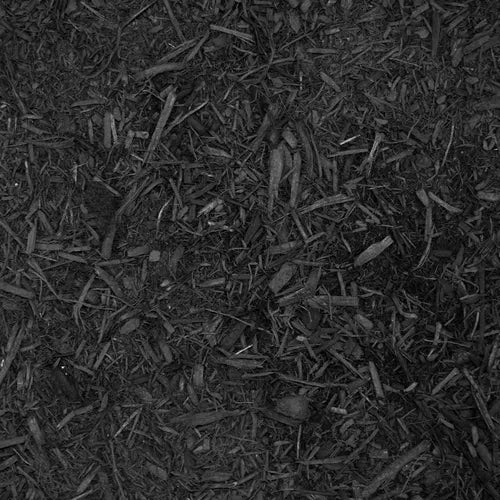
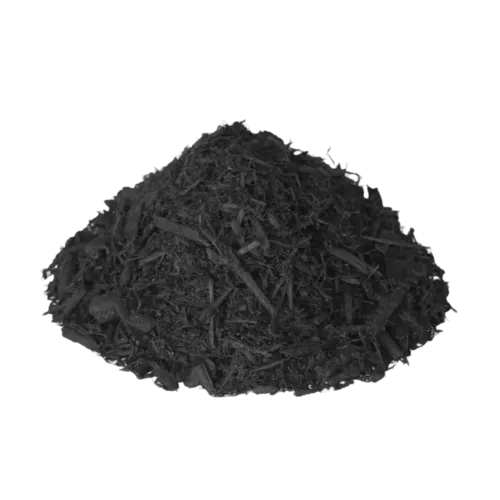
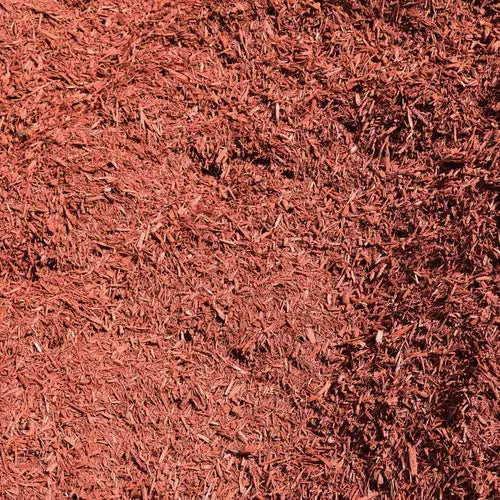
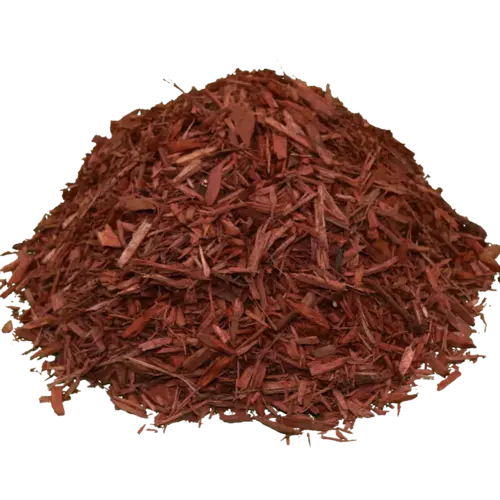
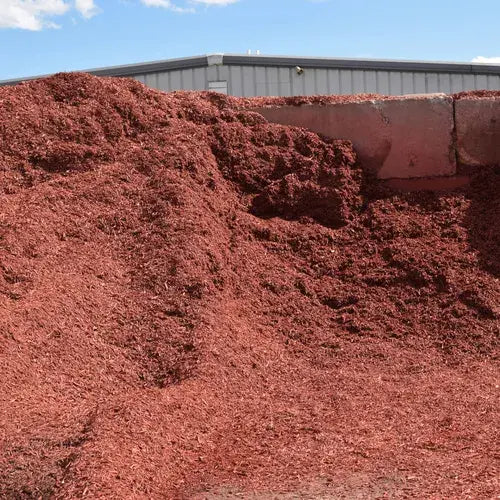
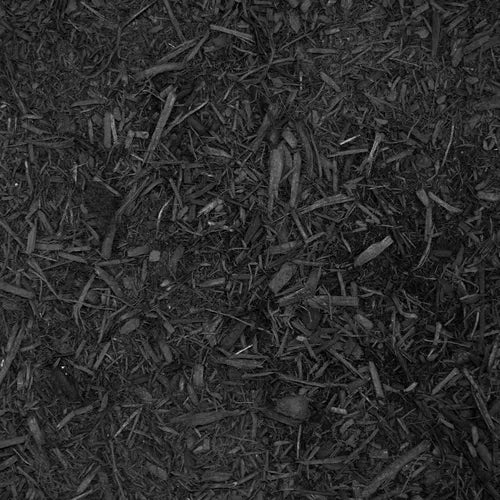
Double-shredded mulch dyed a rich, even brown that holds its color through the season.

Delivery was on time and great quality Mulch. Got it done in a reasonable time and yard looks great. Couldn’t be happier!!! Thank you and will use again!!

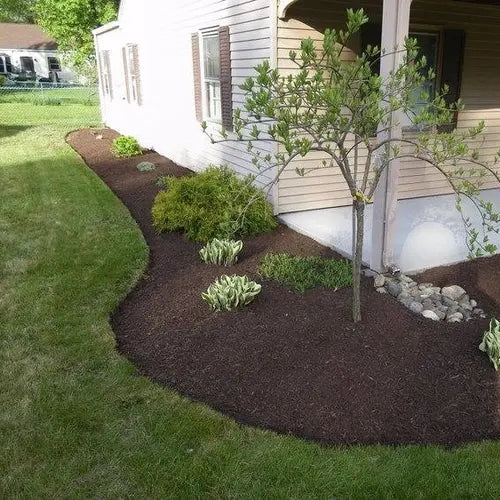
Three inches is the sweet spot for Wyoming beds, deep enough to hold moisture in sandy loam but not so deep that it smothers shallow roots. One cubic yard covers about 108 square feet at that depth.
Use our free mulch calculator

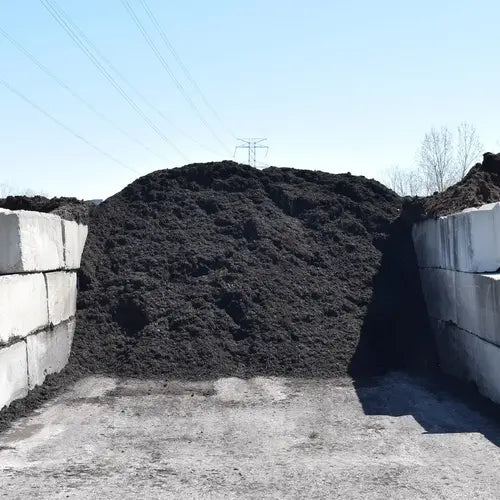
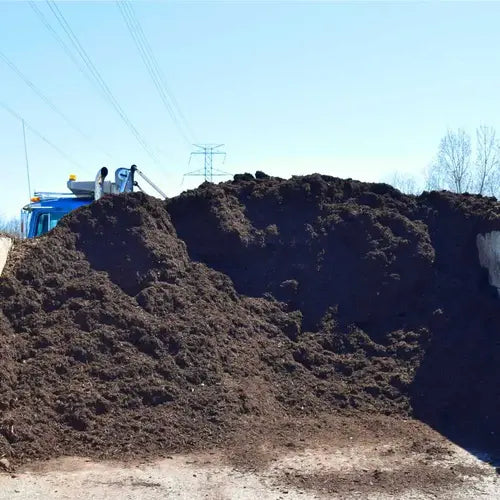
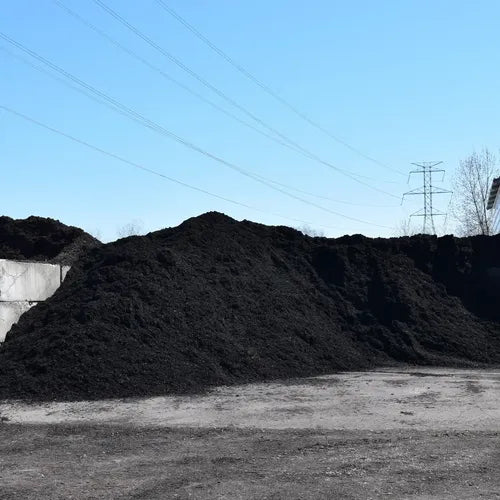
A yard is approximately 27 cubic feet. As a general guideline, one yard of material can cover an area of about 100-160 square feet at a 2-3 inch depth.

Wyoming Mulch Delivery

Wyoming Mulch Delivery

4.7
137 reviews
Regular price $55.00 per Yard
Regular price Sale price $55.00
Sale Sold out
Shipping calculated at checkout.
Color
Style
Hand-picked local yards
4,000+ regional deliveries
Dedicated support
Why order through Mulch Mound

The best local , without the guesswork.

We hand-pick and partner with the best yards in your region, keep only the ones our buyers rate well, and back each load with our guarantee.

Mulch Mound Guarantee

If your isn't the quantity or quality you ordered, we'll make it right.

About this mulch

Double-shredded mulch dyed a rich, even brown that holds its color through the season.

Delivery was on time and great quality Mulch. Got it done in a reasonable time and yard looks great. Couldn’t be happier!!! Thank you and will use again!!
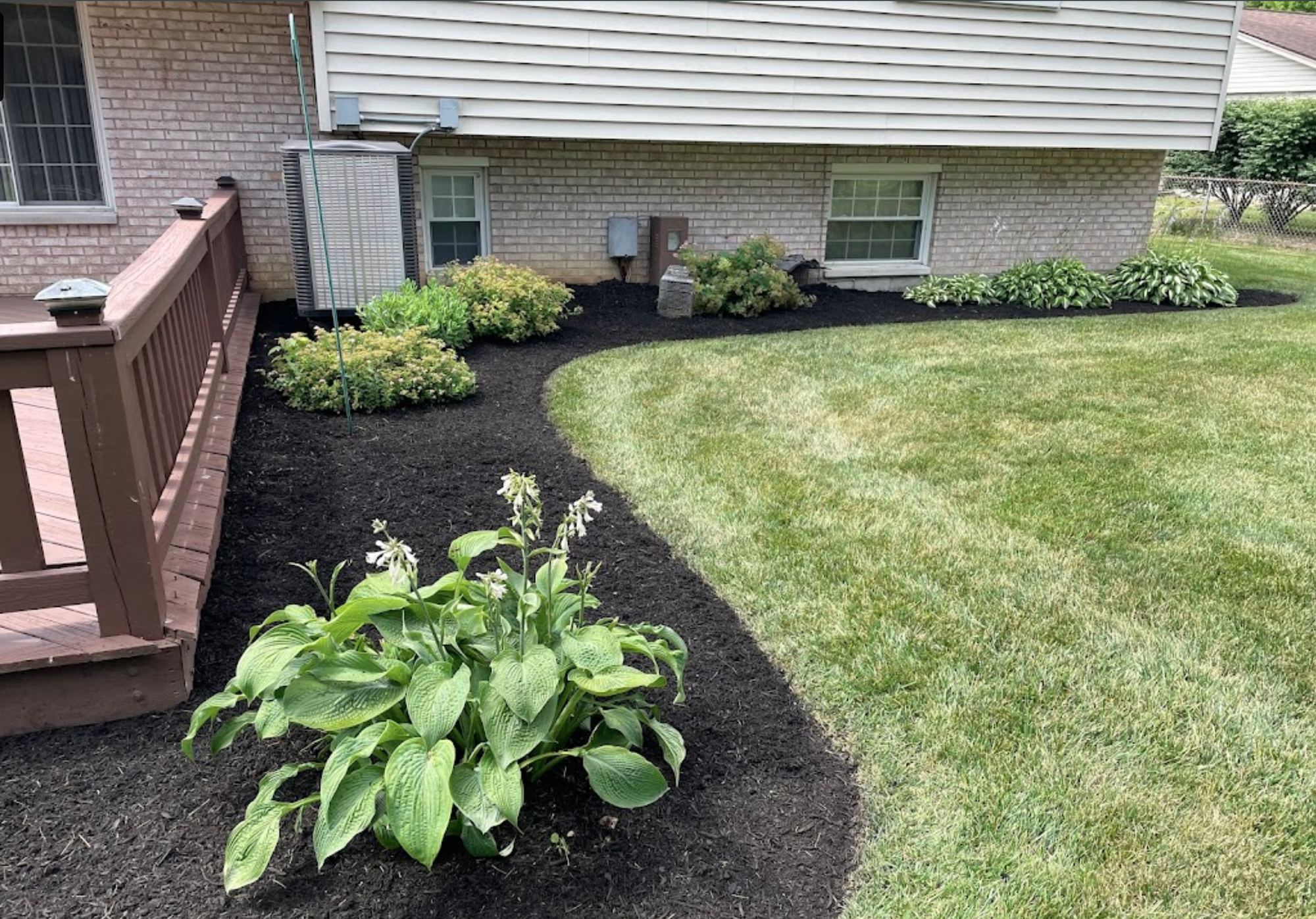
Three inches is the sweet spot for Wyoming beds, deep enough to hold moisture in sandy loam but not so deep that it smothers shallow roots. One cubic yard covers about 108 square feet at that depth.
Use our free mulch calculator

A yard is approximately 27 cubic feet. As a general guideline, one yard of material can cover an area of about 100-160 square feet at a 2-3 inch depth.

View full details

How It Works

Getting started is easy — just follow these simple steps

1

Choose your Mulch

Make sure you adjust the quantity to your home's needs. You can use our calculator to estimate how much you'll need.

2

Select your delivery date

Select a delivery date you'd like for the product to be dropped off at your home

3

Sit back and wait

Sit back, wait, and let us work our magic to make sure the highest quality product is delivered to your driveway.

What Wyoming Customers Are Saying

4.7
out of 5 based on 137 reviews
Google Reviews

Calculate mulch for your Wyoming project

For Wyoming's type of soil, we recommend 2-3 inches for best weed suppression and moisture retention

Try Our Calculator
📍

Break your yard into simple rectangles and circles, measure each one in feet, and add the square footage together. Tree rings are easy to overestimate, so measure the actual radius rather than eyeballing it. Enter your total with a 3 inch depth and add about 10 percent for settling and spillage.

Mulch vs. No Mulch: The Difference

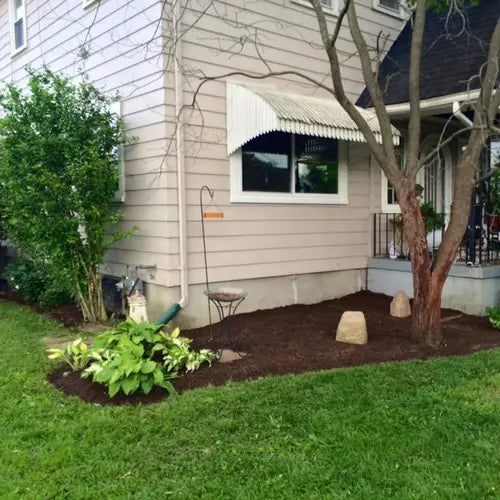
West Michigan gives mulch a real workout. Humid summers, roughly 37 inches of annual precipitation, and a long freeze and thaw shoulder season between October and May all speed up decomposition. That means natural hardwood mulch feeds your soil quickly but fades and thins faster, while nugget and cedar products hold color and structure longer with less soil benefit.

Before image
After image
Slider handle
Before
After

Complete Your Outdoor Mulch Project

Pair your mulch with a few yards of compost or garden soil to build organic matter into our lean sandy ground, and add steel or poly edging to keep mulch out of the lawn. Decorative stone works well for downspout splash zones where mulch tends to wash away.

Map of the mulch delivery area around Wyoming, Michigan

Service area

Areas we deliver mulch in Wyoming, Michigan

Mulch Mound Pro Tip

Rake back last year's mulch before adding new material instead of piling on top. Over three or four seasons Wyoming beds can build up 6 or 7 inches of matted mulch that repels water rather than absorbing it. Pull the old layer away from stems, fluff it with a cultivator to break the crust, then add just enough fresh mulch to reach 3 inches total. Your shrubs will root deeper and water will actually reach them.

Mulch Mound Pro Tip

Never volcano mulch a tree. Piling mulch against the trunk of a maple or crabapple traps moisture against the bark, and with West Michigan humidity that invites rot and rodent damage over winter. Spread a flat donut instead, 3 inches deep and pulled back a few inches from the flare, extending out toward the drip line. Wider and flatter always beats taller when it comes to tree health here.

Mulch Mound Pro Tip

Time your pre emergent with the mulch job. If crabgrass and creeping charlie are a problem in your Wyoming beds, apply a granular pre emergent to bare soil first, then lay mulch over the top. Doing it in that order in early to mid May, when soil temperatures reach the mid 50s, catches the germination window. Skip the pre emergent in areas where you plan to direct sow annual seed.

Frequently Asked Questions

Click a question to see the answer

Answer

When is the right time to mulch in Wyoming, MI?

Wait until the soil has warmed, which is usually the first two weeks of May here, right around the last frost date of May 7. Mulching too early over cold sandy loam traps the chill and slows perennials and shrubs from waking up. A second light top dressing in early October before the October 12 frost helps insulate crowns for winter.

Answer

How fast does mulch break down in our climate?

Faster than most people expect. Warm humid West Michigan summers plus 37 inches of annual moisture speed up microbial activity, so shredded hardwood usually loses noticeable depth within a single season and needs topping off every year or two. Bark nuggets and cedar hold their form longer, often two to three seasons.

Answer

Will mulch keep my beds from drying out in a July dry spell?

It helps a lot. Wyoming's sandy loam sheds water quickly, and rainfall here tends to arrive in short thunderstorms rather than steady soaks. Three inches of mulch cuts surface evaporation substantially and holds moisture in the top few inches where most shrub and perennial roots live.

Answer

Does mulch attract termites or carpenter ants around my foundation?

Termites are not common in Kent County, but carpenter ants and pill bugs do like damp mulch against siding. Keep mulch pulled back about 6 inches from your foundation and never bury the bottom row of siding or the sill plate. That gap also lets the soil dry out after our heavy spring rains.

Answer

Is dyed mulch a problem for my vegetable garden?

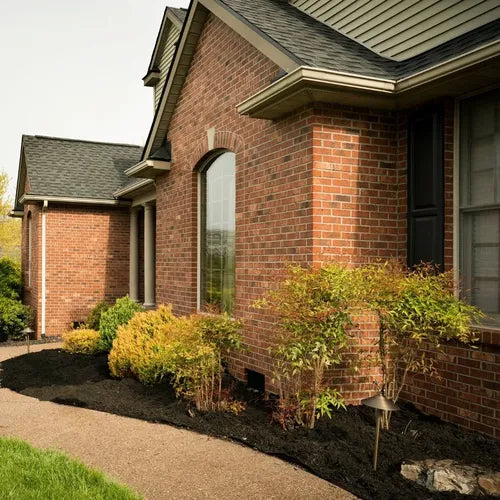
For ornamental beds along the driveway or house, colored mulch is fine and holds its tone well through a West Michigan summer. For vegetable beds we recommend undyed shredded hardwood, straw, or leaf compost, since those break down into the organic matter our sandy soils badly need.

Answer

How much mulch do I need for a typical Wyoming ranch home?

A standard ranch with front foundation beds, a side bed, and a couple of tree rings usually measures 400 to 700 square feet. At 3 inches deep that works out to roughly 4 to 6.5 cubic yards. Measure each bed and let the calculator do the math so you are not guessing.

Answer

Can you dump on my driveway without staining the concrete?

Fresh mulch can leave tannin marks on light concrete, especially dyed products after a rain. We recommend laying down a tarp or a sheet of plywood, or choosing a gravel or grass spot. If you do dump directly, move the pile within a day or two and rinse the pad.

The Unique Landscape of Wyoming

Wyoming sits just southwest of Grand Rapids on sandy loam left behind by glacial outwash, and that soil drains fast. With only about 37 inches of rain a year spread unevenly across the seasons, beds along Byron Center Avenue and Clyde Park can go from soggy in April to bone dry by the third week of July. Mulch is the cheapest insurance a Wyoming homeowner has, because a 3 inch blanket slows evaporation from that porous sandy loam and keeps root zones from spiking in temperature during the humid stretches of August. It also buffers the freeze and thaw cycles that hit hard between the last frost around May 7 and the first frost around October 12, when Lake Michigan pushes warm days and cold nights back to back. Zone 6a perennials like coneflower, hosta, and daylily hold up far better here when their crowns are insulated rather than exposed. And because our sandy soils are naturally low in organic matter, hardwood mulch slowly feeds the ground as it breaks down.