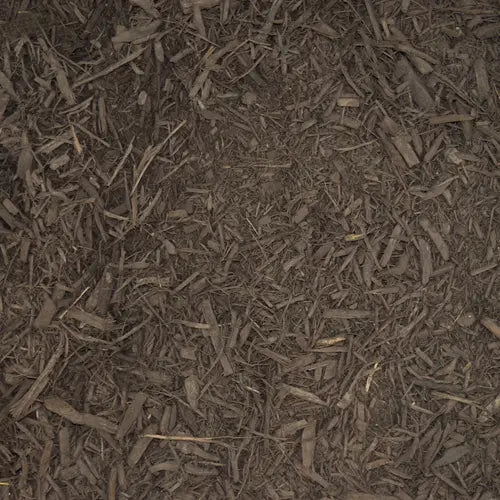
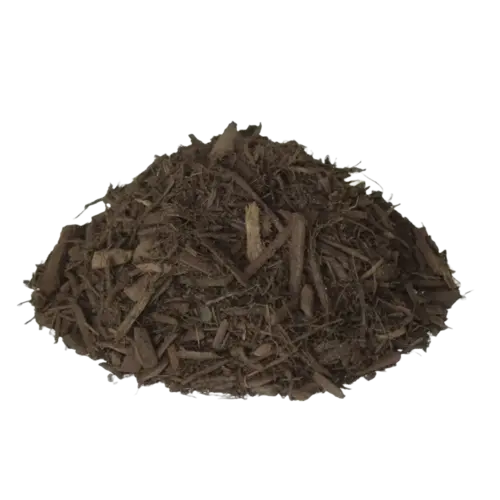
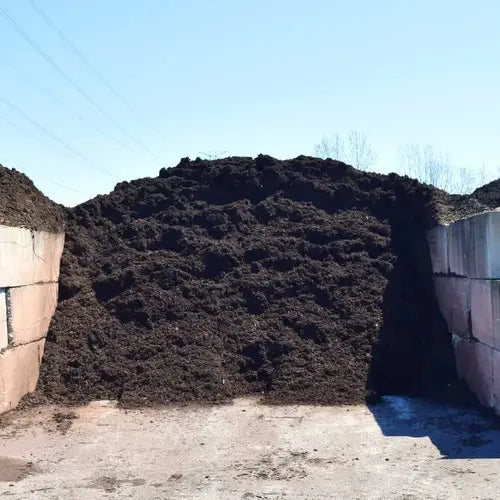
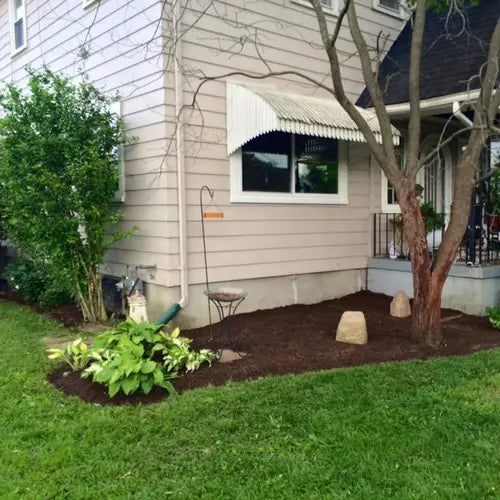
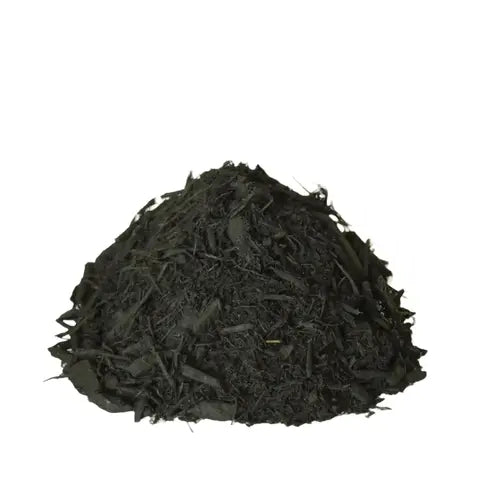
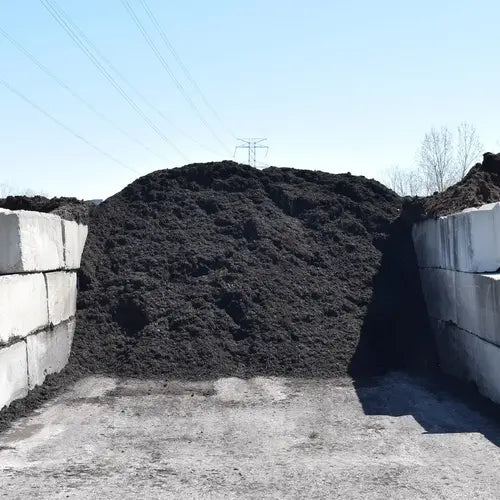
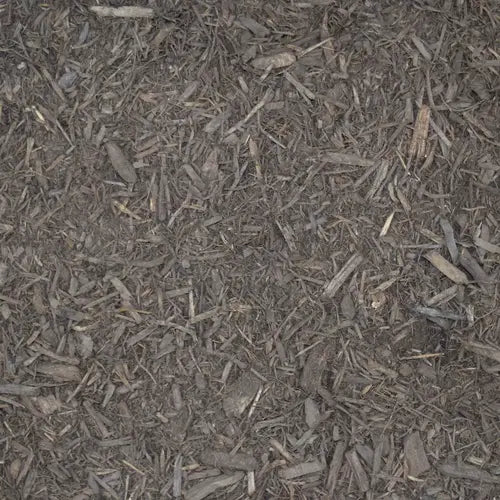
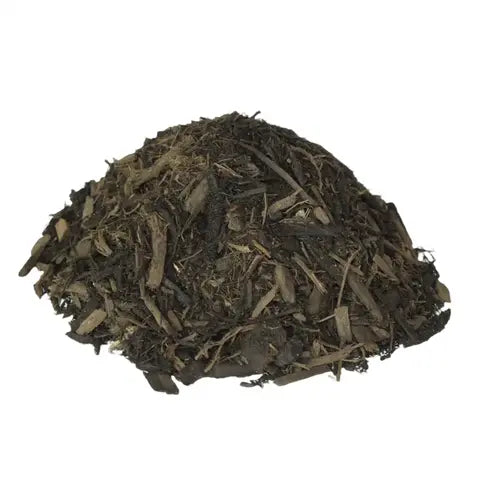
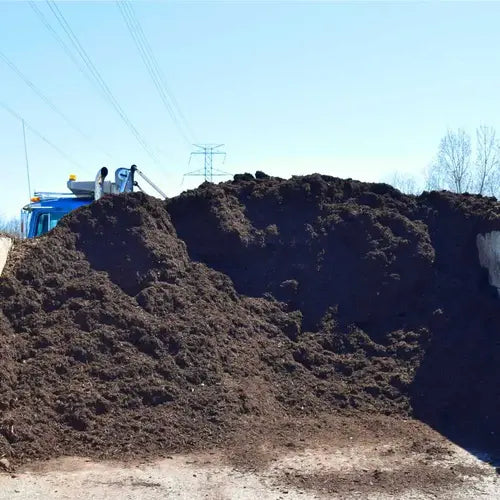
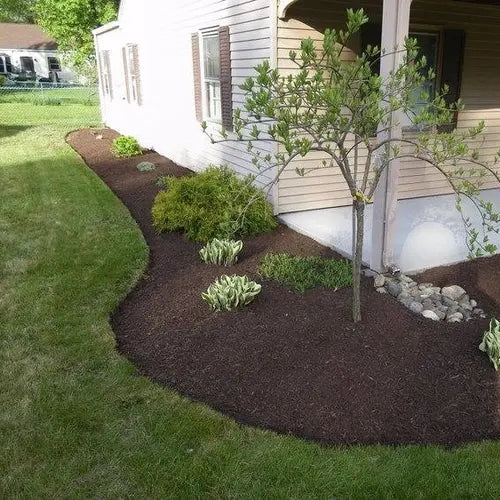
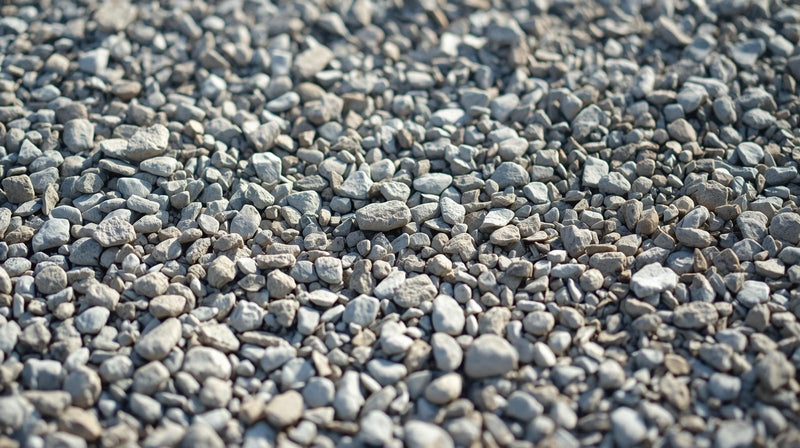
Warm brown double shredded mulch with lasting color that looks freshly applied for weeks. Spreads smooth, stays put, and gives beds a natural, polished appearance.
Great experience with mulch mound. Their online calculator made it easy to estimate how many yards of mulch I needed and delivery was quick. I would definitely recommend them for your future projects.
Tell us what you're looking for
Thanks! We received your request.
Something went wrong. Please try again.
How Much Material Do I Need?
For most planting beds in Albany, plan on 3 inches of mulch depth to adequately protect sandy loam soil from moisture loss and surface erosion. Tree rings and larger landscape areas benefit from the same depth, applied in an even layer and kept a few inches away from trunks and stems.
Use our free mulch calculator
What is a yard?
A yard is approximately 27 cubic feet. As a general guideline, one yard of material can cover an area of about 100-160 square feet at a 2-3 inch depth.
We can't take orders for this right now. Tell us what you need and we'll get back to you.
What do you need?
Thanks! We received your request.
Something went wrong. Please try again.
Hand-picked local yards
4,000+ regional deliveries
Dedicated support
Why order through Mulch Mound
The best local mulch, without the guesswork.
We hand-pick and partner with the best yards in your region, keep only the ones our buyers rate well, and back each load with our guarantee.
Mulch Mound Guarantee
If your mulch isn't the quantity or quality you ordered, we'll make it right.
About this mulch
Warm brown double shredded mulch with lasting color that looks freshly applied for weeks. Spreads smooth, stays put, and gives beds a natural, polished appearance.
Great experience with mulch mound. Their online calculator made it easy to estimate how many yards of mulch I needed and delivery was quick. I would definitely recommend them for your future projects.
How Much Material Do I Need?
For most planting beds in Albany, plan on 3 inches of mulch depth to adequately protect sandy loam soil from moisture loss and surface erosion. Tree rings and larger landscape areas benefit from the same depth, applied in an even layer and kept a few inches away from trunks and stems.
Use our free mulch calculator
What is a yard?
A yard is approximately 27 cubic feet. As a general guideline, one yard of material can cover an area of about 100-160 square feet at a 2-3 inch depth.
Great experience with mulch mound. Their online calculator made it easy to estimate how many yards of mulch I needed and delivery was quick. I woul...
Read full review
Great experience with mulch mound. Their online calculator made it easy to estimate how many yards of mulch I needed and delivery was quick. I would definitely recommend them for your future projects.
We needed mulch for our HOA common areas. Local providers were all holding high prices even for 40 yards of mulch. Mulch mound was easy to wowith...
Read full review
We needed mulch for our HOA common areas. Local providers were all holding high prices even for 40 yards of mulch. Mulch mound was easy to wowith & has great price for natural mulch + delivery schedule options. They called before delivery to ensure Delivery was exactly where we wanted it.
Delivery was on time and great quality Mulch. Got it done in a reasonable time and yard looks great. Couldn’t be happier!!! Thank you and will us...
Read full review
Delivery was on time and great quality Mulch. Got it done in a reasonable time and yard looks great. Couldn’t be happier!!! Thank you and will use again!!
To estimate how much mulch you need for your Albany beds, measure the length and width of each area in feet and multiply those numbers together to get the square footage. Albany's sandy loam soil benefits from a full 3-inch depth, so divide your square footage by 100 to get a rough cubic yard estimate at that depth. It is always better to order a little extra since topping off thin spots is easier than placing a second order.
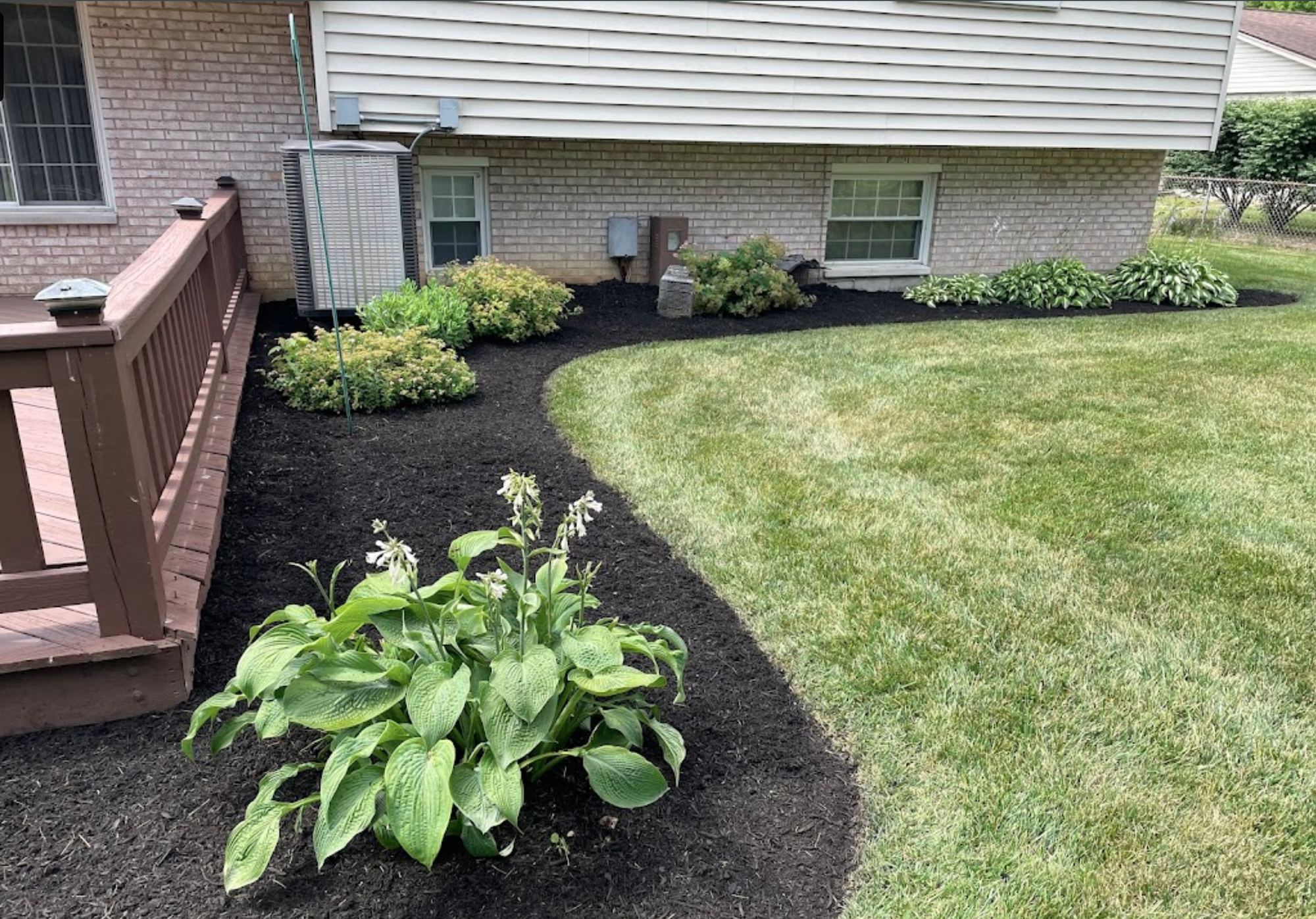
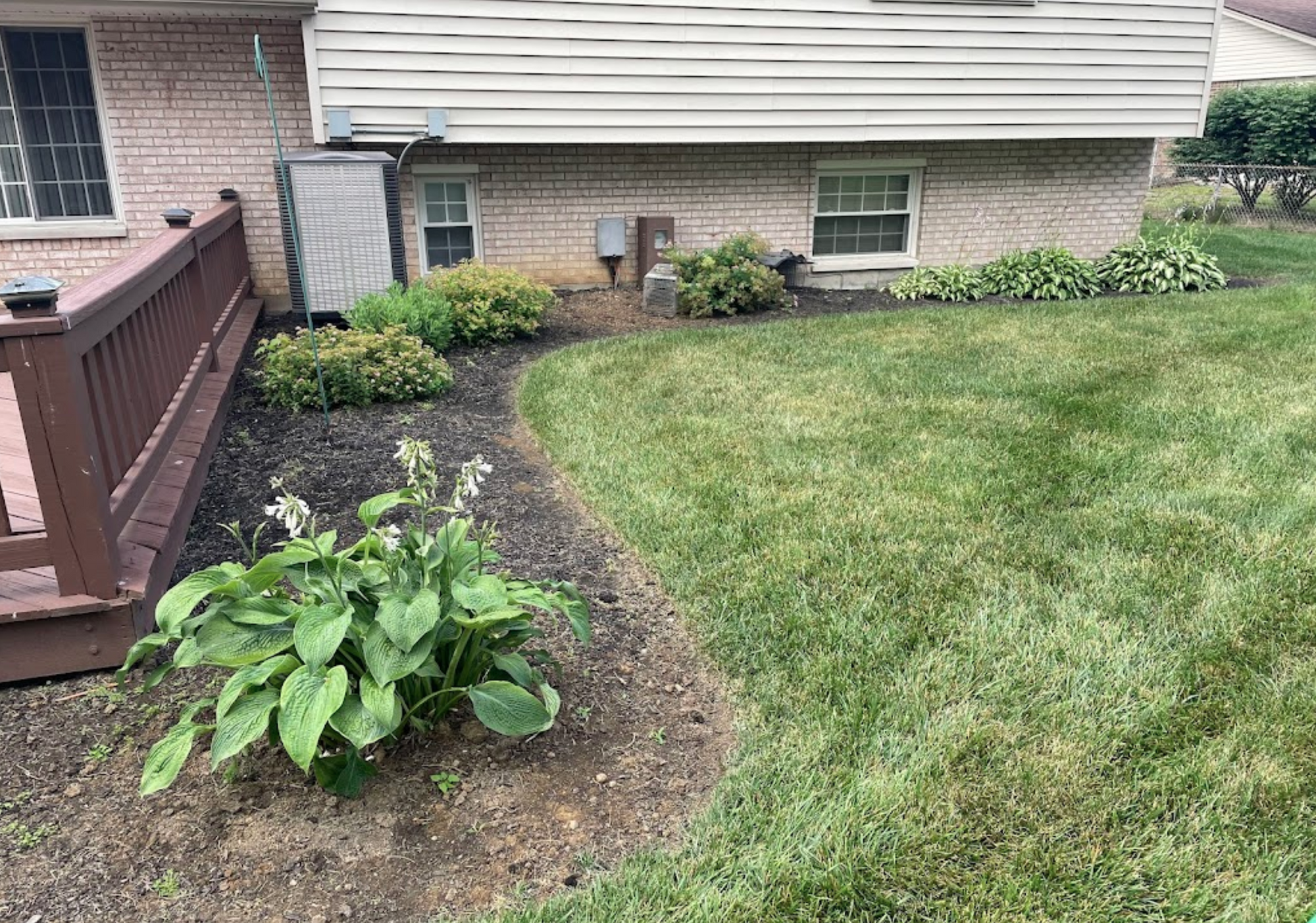
Mulch vs. No Mulch: The Difference
Albany's Zone 8b climate means organic mulches break down faster than they would in northern states, which gives natural hardwood mulches an advantage because their decomposition actively feeds the sandy loam soil beneath them. Dyed mulches use colorants that slow breakdown, so they tend to hold their appearance longer through Albany's intense summer sun. The right choice depends on whether you prioritize soil improvement over time or consistent color through the long Albany growing season.
Before
After
Best Mulch Choice for Albany Lawns
Most yards in the Albany area sit on Sandy Loam type of soil. Albany's sandy loam soil has limited organic matter and loses moisture quickly, which makes plant beds especially vulnerable to drying out between rain events. Mulch is the most practical tool for slowing that moisture loss and gradually building up the soil's ability to hold water over multiple seasons.
Hardwood Mulch
Hardwood mulch breaks down gradually into the sandy loam, adding organic matter that improves the soil's structure and nutrient-holding ability with each passing season. Over two to three years of consistent mulching, Albany homeowners often notice that their beds hold moisture better and require less frequent watering as the organic content builds up beneath the surface.
Mulch Types We Deliver in Albany
When it comes to refreshing beds and protecting roots in the Georgia heat, ordering bulk mulch delivery in Albany is the simplest way to get the cubic yards you need without hauling bags. This part of southwest Georgia has a warm, humid growing season and heavy clay soils that make a proper mulch layer especially valuable. We deliver a focused selection of top varieties so you can find the right color and coverage for any size project.
Dyed Black Mulch
Bold dyed black double shredded mulch makes planting beds stand out against the red clay soils and warm tones of a southwest Georgia yard. The rich color holds through hot, humid summers and spreads smoothly, giving any bed a clean and striking finished look that lasts.
Dyed Brown Mulch
Warm dyed brown double shredded mulch blends naturally with the earthy tones of Georgia landscapes and holds its color for weeks after spreading. Homeowners throughout the area appreciate how it stays put during heavy summer rains, keeping beds looking freshly tended through the long growing season.
Natural Brown Mulch
Natural brown double shredded mulch delivers a clean, honest look without dye or additives, letting the wood's own warm tone do the work. The smooth texture pairs well with the brick and neutral home exteriors common in this part of south Georgia and spreads quickly over large areas.
Complete Your Outdoor Mulch Project
If you are refreshing your beds with mulch, consider pairing your order with a load of topsoil to build up low spots in your landscape before you mulch over them. Adding a stone border or pathway to your project creates a clean edge that keeps mulch in place through Albany's heavy rain seasons.
Albany's sandy loam soil tends to become compacted along high-traffic edges of planting beds over time. Before you spread fresh mulch, use a garden fork to lightly loosen the top inch or two of soil along those edges. This simple step improves water penetration so that rain and irrigation can reach root zones instead of sheeting off compacted surfaces. It takes only a few minutes and makes a noticeable difference in how well your plants respond through the summer growing season.
Mulch Mound Pro Tip
In Zone 8b, summer soil temperatures in Albany can exceed 85 degrees in exposed beds, which stresses shallow-rooted annuals and perennials. Applying mulch before the heat peaks in June gives the soil a head start on staying cooler. Research shows that a 3-inch mulch layer can reduce soil surface temperatures by 10 degrees or more, which translates directly into less heat stress, better water uptake, and stronger plant performance through the hottest months of the Albany growing season.
Mulch Mound Pro Tip
With Albany receiving around 50 inches of rainfall per year, one overlooked benefit of mulch is how it prevents soil splash. When heavy raindrops hit bare soil at speed, they scatter soil particles and can splash soil-borne pathogens up onto plant leaves and stems. A mulch layer absorbs that raindrop impact and keeps the soil underneath in place. This is particularly valuable in Albany's warm, humid summers when fungal issues are most likely to take hold in ornamental and vegetable beds.
Frequently Asked Questions
Click a question to see the answer
Answer
How thick should I spread mulch over my flower beds here in Albany?
In Albany's sandy loam soil, a 3-inch layer of mulch gives the best balance of moisture retention and weed suppression. Sandy loam drains fast, so going thinner than 2 inches means beds dry out quickly between rain events. Avoid piling mulch more than 4 inches deep around plant crowns, since Zone 8b summers are humid enough that excess moisture trapped against stems can encourage rot.
Answer
Will mulch break down faster in Albany's heat and humidity?
Yes, Albany's warm Zone 8b climate accelerates the decomposition of organic mulches compared to cooler parts of the country. Natural hardwood mulch typically breaks down within 12 to 18 months in Albany's conditions, which is actually a benefit because it adds organic matter to the sandy loam as it decomposes. Plan to top-dress your beds once a year, usually in spring after the last frost around April 26, to keep the layer at the right depth.
Answer
What is the best time of year to mulch my Albany yard?
The two best times to mulch in Albany are early spring just after the last frost date of April 26 and late fall just before the first frost around November 13. The spring application helps stabilize soil temperature and retain moisture heading into the hot summer months. The fall application insulates root systems through the mild Albany winter and gives the mulch time to begin breaking down before the growing season returns.
Answer
Does mulch help with the weeds that come up after Albany's spring rains?
Albany receives around 50 inches of rain per year, and the warm, wet springs create ideal conditions for weed germination in open soil. A consistent 3-inch layer of mulch blocks the sunlight that weed seeds need to sprout and significantly reduces the number of weeds you will pull from your beds. It will not eliminate every weed, especially from seeds that blow in from neighboring areas, but it cuts the workload down considerably throughout the growing season.
Answer
Is dyed mulch safe for my vegetable garden beds in Albany?
Most dyed mulches use iron oxide or carbon-based colorants that are considered safe for ornamental beds, but for vegetable gardens in Albany we recommend using a natural hardwood or pine bark mulch instead. Natural mulches break down into the sandy loam and add organic matter without introducing any colorants near food crops. This is especially important in Albany where the long growing season means your vegetable beds are actively producing from late April through early November.
Answer
How does mulch help during Albany's dry summer stretches?
Even with 50 inches of annual rainfall, Albany often sees dry spells in July and August when heat is at its peak and evaporation rates are high. Mulch reduces soil moisture evaporation by as much as 50 percent, which means your plants have access to water in the soil even when rainfall is inconsistent. For homeowners watering on a schedule, a properly mulched bed means you can water less frequently and still maintain healthy plants through the heat of a Southwest Georgia summer.
Answer
Can I use mulch to help with erosion in my yard near Albany?
Absolutely. Sandy loam soil, while great for drainage, is relatively lightweight and prone to surface erosion during the heavy rain events that Albany sees throughout the year. A layer of shredded hardwood mulch interlocks as it settles and holds together much better than bare soil when rain hits. For slopes or areas near drainage channels, mulch is one of the most affordable and effective erosion control options available to Albany homeowners.
The Unique Landscape of Albany
Albany's sandy loam soil drains quickly, which means plant beds dry out faster than homeowners expect, especially during the stretches of summer heat that push temperatures well above 90 degrees. A proper layer of mulch slows that moisture loss dramatically, giving roots time to absorb water before it percolates through the sandy profile. With 50 inches of annual rainfall spread unevenly across the year, Albany landscapes also face hard rain events that erode bare soil and wash nutrients away from beds. Mulch acts as a buffer, softening the impact of those heavy rains while keeping the soil structure beneath intact. In Zone 8b, where the growing season runs from late April through mid-November, keeping soil temperatures stable helps plants transition smoothly through the warm season without heat stress. A well-mulched bed in Albany is simply a healthier bed year-round.