


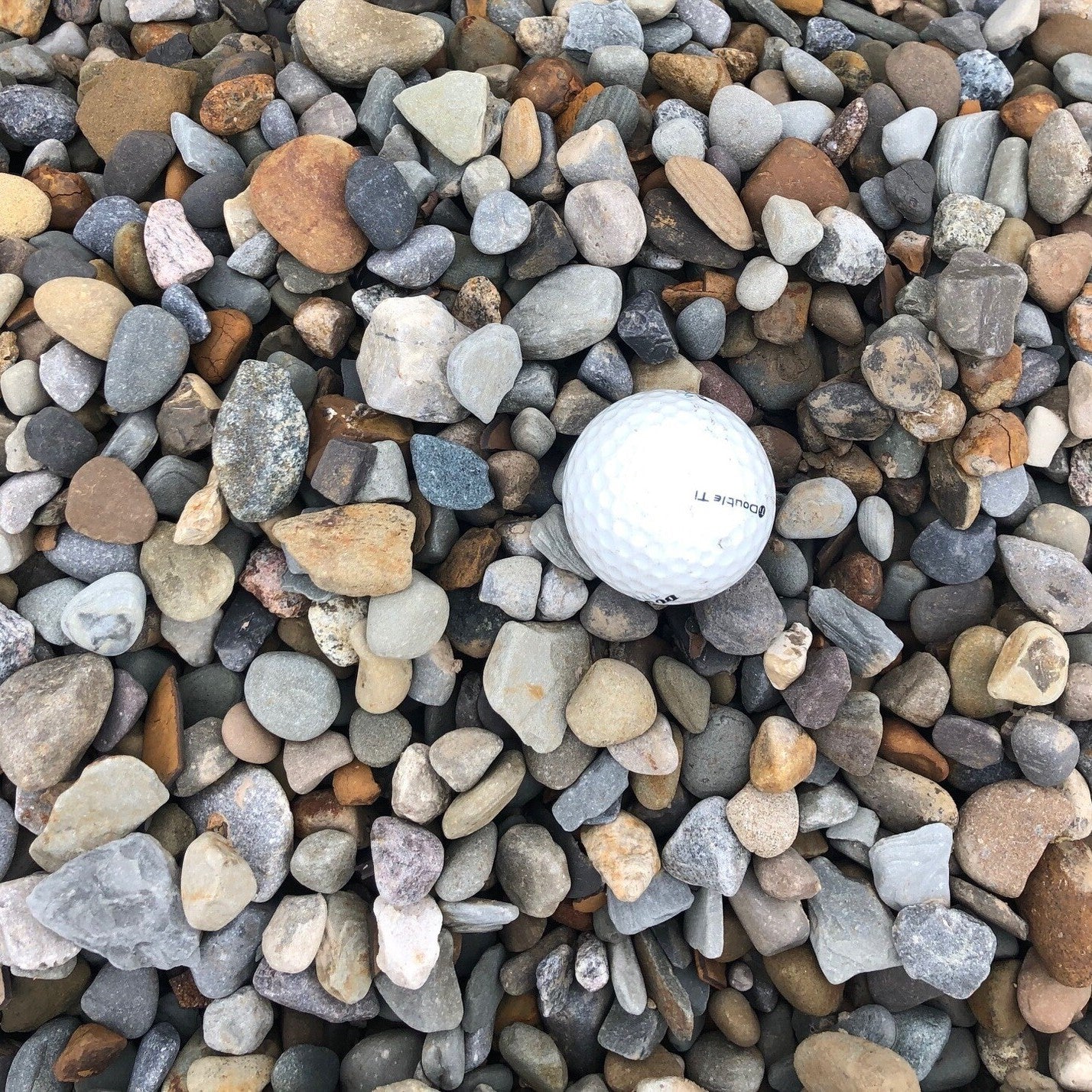

The driver nailed it on putting the gravel I ordered in front of my trailer and between the sidewalk. Very satisfied with how my flowerbeds look now.
About this stone
Number 57 crushed stone, angular limestone graded to about three quarters of an inch. The standard driveway, base and drainage gravel, it locks together under traffic and drains fast.
The driver nailed it on putting the gravel I ordered in front of my trailer and between the sidewalk. Very satisfied with how my flowerbeds look now.
Tell us what you're looking for
Thanks! We received your request.
Something went wrong. Please try again.
How Much Material Do I Need?
How Much Material Do I Need?
For most Albany pathway and border projects, plan on 3 to 4 inches of depth to get a stable and lasting result over the sandy loam base. Decorative stone used as ground cover in planting beds typically works well at 2 to 3 inches, which is enough to suppress weeds and cover the landscape fabric cleanly.
Use our free gravel calculator
What is a yard?
What is a yard?
FAQs
FAQs
Albany Gravel Delivery
Albany Gravel Delivery
Regular price
$133.00
per
yard
Regular price
Sale price
$133.00
Unit price
per
Shipping calculated at checkout.
Minimum of 3 yard
Couldn't load pickup availability
Not currently available
We can't take orders for this right now. Tell us what you need and we'll get back to you.
Hand-picked local yards
4,000+ regional deliveries
Dedicated support
Why order through Mulch Mound
The best local stone, without the guesswork.
We hand-pick and partner with the best yards in your region, keep only the ones our buyers rate well, and back each load with our guarantee.
Mulch Mound Guarantee
If your stone isn't the quantity or quality you ordered, we'll make it right.
About this stone
Number 57 crushed stone, angular limestone graded to about three quarters of an inch. The standard driveway, base and drainage gravel, it locks together under traffic and drains fast.
The driver nailed it on putting the gravel I ordered in front of my trailer and between the sidewalk. Very satisfied with how my flowerbeds look now.
How Much Material Do I Need?
How Much Material Do I Need?
For most Albany pathway and border projects, plan on 3 to 4 inches of depth to get a stable and lasting result over the sandy loam base. Decorative stone used as ground cover in planting beds typically works well at 2 to 3 inches, which is enough to suppress weeds and cover the landscape fabric cleanly.
Use our free gravel calculator
What is a yard?
What is a yard?
FAQs
FAQs
Tell us what you're looking for
Thanks! We received your request.
Something went wrong. Please try again.
How It Works
Getting started is easy — just follow these simple steps
1
Choose your stone
Make sure you adjust the quantity to your home's needs. You can use our calculator to estimate how much you'll need.
2
Select your delivery date
Select a delivery date you'd like for the product to be dropped off at your home
3
Sit back and wait
Sit back, wait, and let us work our magic to make sure the highest quality product is delivered to your driveway.


Need Help Calculating How Much Gravel You Need?
Use our NEW Trace from Satellite tool to get an estimate for your project based on an aerial view of your property
Try Our CalculatorTo estimate your stone order, measure the length and width of your project area in feet and multiply to get square footage. Then determine the depth you need, typically 3 to 4 inches for pathways and 2 to 3 inches for decorative ground cover, and convert to yards by multiplying square footage by the depth in feet and dividing by 27. Because stone is heavier and more consistent than mulch, your estimate is likely to be quite accurate, but ordering slightly extra ensures you can fill any low spots after the initial spread settles.
Stone Types We Deliver in Albany
Mulch Mound delivers bulk stone by the cubic yard directly to homes and properties across Albany, Georgia, making it easy to tackle any landscape or drainage project without a trip to a supply yard. Whether you are searching for bulk gravel by the yard in Albany or planning a full patio installation, we handle the heavy lifting so you can focus on the work. Our team delivers on schedule, and our materials are measured and priced fairly so there are no surprises at checkout.
Pea Gravel
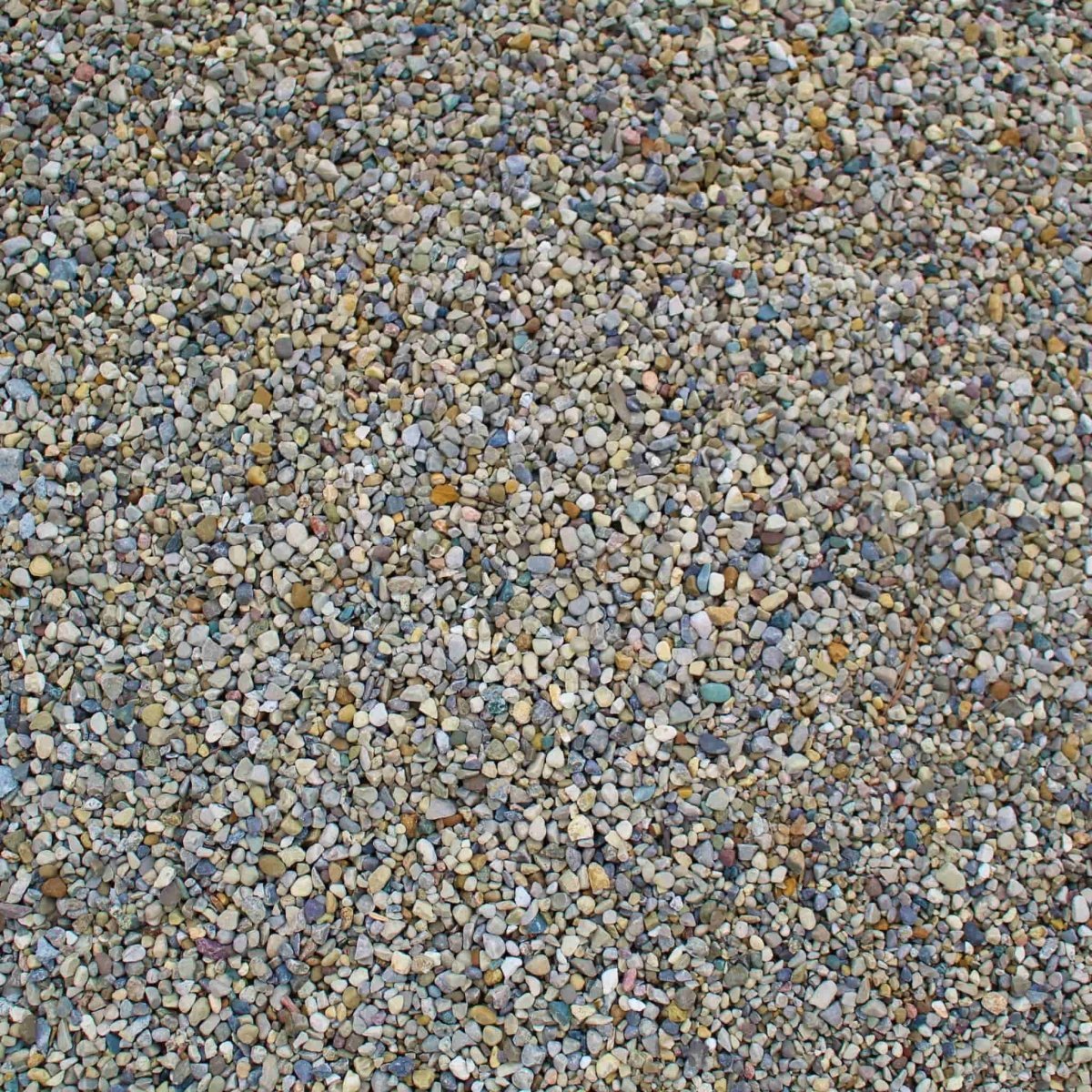
Pea Gravel suits Albany homeowners dealing with clay soils that drain slowly, as its small rounded stones allow water to move freely through garden beds and along pathways. The warm earth tones and smooth texture make it a decorative favorite for patios and low traffic areas in southwest Georgia yards.
Complete Your Outdoor Stone Project
Stone borders and pathways look best when paired with fresh mulch in the surrounding planting beds, creating a clean contrast that defines each area of your Albany landscape. If you are grading or building up areas near your stone project, a bulk soil delivery lets you shape the grade before you lay your stone for a polished finished result.



Service area
Areas we deliver stone and gravel in Albany, Georgia
Mulch Mound Pro Tip
Before laying any stone in your Albany yard, take time to establish the edge definition between your stone area and surrounding lawn or beds. Albany's warm season grasses like Bermuda spread aggressively through the Zone 8b growing season, and without a physical border such as metal edging or a deep spade cut, grass will creep into your gravel area within a single growing season. Installing edging first takes an extra hour but saves many hours of weeding and cleanup over the following years.
Mulch Mound Pro Tip
If you are using stone for a drainage channel or dry creek bed in Albany, make sure the channel is graded to actually move water in the right direction before you fill it with rock. A channel that looks good but has an incorrect slope will pool water rather than drain it. Use a simple line level or a 4-foot level with a straight board to verify slope before placing your stone. In Albany's rainy climate, a correctly graded channel makes the difference between a functional drainage solution and a decorative feature that makes your drainage problem worse.
Mulch Mound Pro Tip
With Albany averaging 50 inches of rain per year, stone areas occasionally develop a thin layer of algae or moss on their surfaces, especially in shaded spots. A simple rinse with a diluted white vinegar solution controls moss buildup without harming surrounding plants the way chemical treatments sometimes can. Doing this once in late spring before the humid summer season keeps your stone looking fresh and prevents surfaces from becoming slippery in the shaded areas of your Albany landscape.
The Unique Landscape of Albany
Decorative and functional stone is one of the most durable landscaping materials available to Albany homeowners, and in this climate it solves several problems that softer materials cannot. Albany's 50 inches of annual rainfall and sandy loam soil can create erosion and runoff issues in areas where plant cover is sparse or slopes are present. Stone pathways, borders, and drainage channels redirect that water without washing away or decomposing over time. Unlike mulch or soil, stone does not break down in Albany's heat and humidity, making it the go-to choice for permanent landscape features and high-traffic areas. In Zone 8b where the growing season is nearly seven months long, stone also reduces the maintenance burden in areas where weeds and grass would otherwise need constant attention. Whether you are creating a clean border, a gravel pathway, or a dry creek bed to manage storm runoff, stone delivers long-lasting results that hold up through every season Albany throws at it.