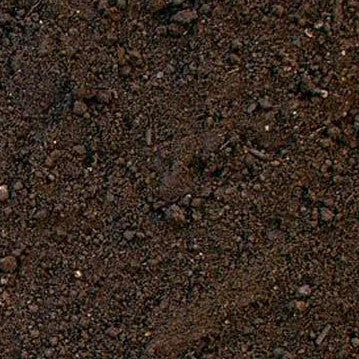
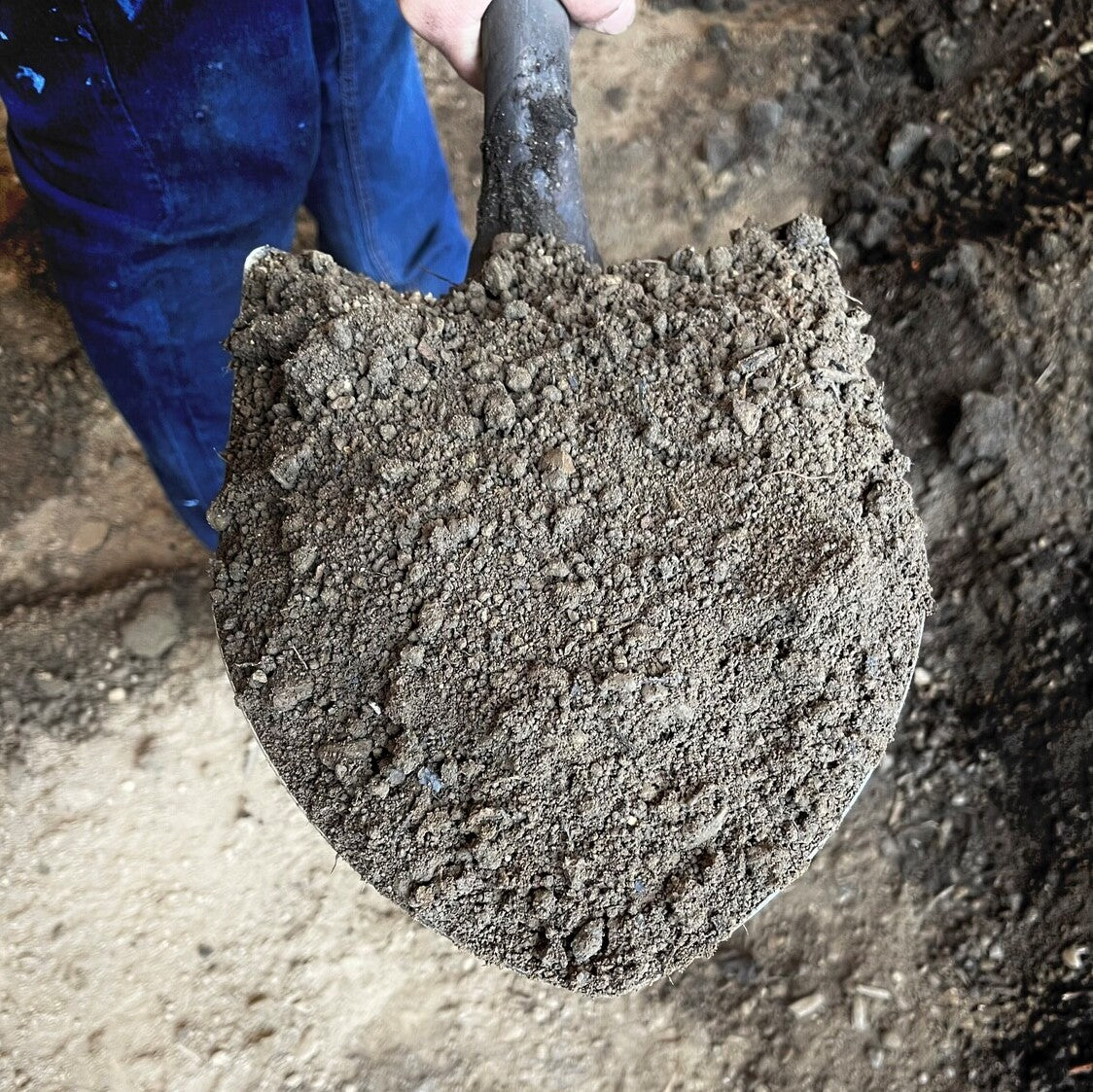
Quality topsoil for lawns, gardens, and landscape projects. Nutrient rich and ready to support strong root development and healthy plant establishment.
I used Mulch Mound to have 3 cubic yards of garden soil delivered. The process was easy and I love that I didn't have to call anyone. I placed my order online, picked my delivery date, laid out my tarp and the dirt was delivered. My delivery had to be pushed back, but I was ke...
Tell us what you're looking for
Thanks! We received your request.
Something went wrong. Please try again.
How Much Material Do I Need?
For garden bed preparation in Albany, plan on at least 4 to 6 inches of topsoil to give plant roots a quality growing zone above the native sandy loam. Lawn leveling projects typically need a quarter to half inch for light grading, while new lawn installations benefit from 2 to 4 inches of topsoil spread before seeding or sodding.
Use our free soil calculator
What is a yard?
A yard is approximately 27 cubic feet. As a general guideline, one yard of material can cover an area of about 100-160 square feet at a 2-3 inch depth.
We can't take orders for this right now. Tell us what you need and we'll get back to you.
What do you need?
Thanks! We received your request.
Something went wrong. Please try again.
Hand-picked local yards
4,000+ regional deliveries
Dedicated support
Why order through Mulch Mound
The best local soil, without the guesswork.
We hand-pick and partner with the best yards in your region, keep only the ones our buyers rate well, and back each load with our guarantee.
Mulch Mound Guarantee
If your soil isn't the quantity or quality you ordered, we'll make it right.
About this soil
Quality topsoil for lawns, gardens, and landscape projects. Nutrient rich and ready to support strong root development and healthy plant establishment.
I used Mulch Mound to have 3 cubic yards of garden soil delivered. The process was easy and I love that I didn't have to call anyone. I placed my order online, picked my delivery date, laid out my tarp and the dirt was delivered. My delivery had to be pushed back, but I was ke...
How Much Material Do I Need?
For garden bed preparation in Albany, plan on at least 4 to 6 inches of topsoil to give plant roots a quality growing zone above the native sandy loam. Lawn leveling projects typically need a quarter to half inch for light grading, while new lawn installations benefit from 2 to 4 inches of topsoil spread before seeding or sodding.
Use our free soil calculator
What is a yard?
A yard is approximately 27 cubic feet. As a general guideline, one yard of material can cover an area of about 100-160 square feet at a 2-3 inch depth.
I used Mulch Mound to have 3 cubic yards of garden soil delivered. The process was easy and I love that I didn't have to call anyone. I placed my o...
Read full review
I used Mulch Mound to have 3 cubic yards of garden soil delivered. The process was easy and I love that I didn't have to call anyone. I placed my order online, picked my delivery date, laid out my tarp and the dirt was delivered. My delivery had to be pushed back, but I was kept informed via text, which was great. So why not 5 stars? The description of garden soil on the website is "A balanced mix of topsoil and organic amendments ready for raised beds, flower gardens, and new planting areas. Good drainage, solid nutrients, easy to work with." What I got was more like fill dirt. It had a lot of gravel, a lot of clay, and random trash mixed in. I didn't test the soil to see if it actually had "amendments" because I already have compost and alpaca manure ready to add, but if I'd known the quality of the dirt was going to be the same as the bagged dirt I bought last year, I probably would have gotten 2 yards of top soil and a yard of leaf compost for better quality, especially since the leaf compost is cheaper. Photo of my mountain of dirt and just some of the trash I found in it.
Measure the length, width, and desired depth of the area you are filling or topping in feet, then multiply all three numbers together and divide by 27 to convert cubic feet into cubic yards. For lawn top-dressing in Albany, even a thin half-inch layer across a large yard adds up quickly, so measuring carefully saves you from ordering too little on a project that could span hundreds or thousands of square feet. When in doubt, rounding up by half a yard ensures you have enough to finish the job in one delivery.
Soil Types We Deliver in Albany
Mulch Mound delivers bulk soil by the cubic yard straight to homes and properties across Albany, Georgia. Whether you are filling raised beds, repairing a lawn, or establishing new plantings, having the right soil brought to your door makes the job far simpler. If you have been searching for bulk topsoil by the yard in Albany, we have you covered with a straightforward ordering process and reliable local delivery.
Screened Top Soil
Our screened top soil arrives clean, loose, and free of rocks or oversized debris, making it easy to spread and grade. It is nutrient rich and well suited for filling low spots in lawns, building up garden beds, or supporting new sod in Albany's warm, humid growing climate where strong root establishment matters from the start.
Complete Your Outdoor Soil Project
After getting your grade right with fresh soil, adding a layer of mulch over your new garden beds locks in moisture and protects the soil surface through Albany's heavy rain seasons. If you are defining walkways or borders alongside graded areas, a load of decorative stone adds structure and helps keep your soil work looking clean and intentional.
My Albany yard has low spots that hold water after every rain. Can fill soil fix that?
Yes, adding and grading fill soil is one of the most effective ways to correct low spots that collect standing water in Albany yards. With 50 inches of annual rainfall and periodic heavy storms, areas that sit even a few inches below grade can stay soggy for extended periods. Bringing in a load of fill soil and grading it to direct water toward your yard's natural drainage outlets resolves most minor pooling issues without needing a full drainage system.
Answer
What kind of soil should I use to build raised vegetable beds in Albany?
For raised vegetable beds in Albany, a blended topsoil with added compost gives you the best starting point. Albany's native sandy loam drains quickly, which is fine for some crops but too dry for others during the summer heat. A richer blended soil in a raised bed holds moisture more evenly, supports a wider range of vegetables, and gives you control over the growing environment through Albany's long season from late April to early November.
Answer
How much soil do I need to level a patchy lawn in Albany?
For lawn leveling in Albany, a light top-dressing of about a quarter to a half inch of soil spread evenly across low or uneven areas is usually enough to smooth the surface without smothering existing grass. For deeper depressions, you may need to add an inch or more in stages, allowing the grass to grow through between applications. Measure the area in square feet and we can help you calculate the right quantity for your specific project.
Answer
Will adding topsoil help my Albany garden hold water better during dry stretches?
It will help, especially when the topsoil has a higher organic content than Albany's native sandy loam. Sandy loam drains so freely that plants in native soil can struggle during dry spells in July and August. A layer of quality topsoil incorporated into or laid over your garden beds increases the water-holding capacity of the growing zone and gives plant roots a better chance to absorb moisture between rain events or watering cycles.
Answer
Can I use bulk soil to prep a new lawn area before seeding or sodding in Albany?
Yes, and it is one of the best things you can do before establishing a new lawn in Albany. Spreading 2 to 4 inches of topsoil over the area, grading it for drainage, and then seeding or laying sod gives your turf a much stronger root environment than native sandy loam alone provides. Bermuda and zoysia grasses, which perform best in Albany's Zone 8b climate, establish faster and fill in more densely when they have a richer soil base to root into.
Answer
Is there a best time of year to do soil work in Albany?
Spring and fall are ideal for most soil projects in Albany. Working in spring after the last frost around April 26 gives you the full growing season ahead for plants and lawns to establish in the new soil. Fall projects completed before the first frost around November 13 allow soil to settle and any amendments to begin breaking down over the mild Albany winter, so beds are ready to perform well when growth resumes in spring.
Answer
How is topsoil different from fill dirt, and which one do I need for my Albany project?
Fill dirt is used to change the grade or elevation of an area and is not intended for planting. Topsoil is the upper layer that contains organic matter and supports plant and grass growth. For Albany projects that involve raising a lawn grade or correcting drainage, fill dirt handles the bulk work. For garden beds, lawn top-dressing, or raised beds where you want plants to grow, topsoil is the right product. Many projects use both, with fill for grading and topsoil as the finished top layer.
Mulch Mound Pro Tip
When filling low spots in an Albany yard, avoid adding all the soil at once if you are working near existing grass or plants. Sandy loam compresses when it gets wet, so soil that looks level when dry may settle unevenly after the first few rains. Adding soil in layers and letting each layer settle before adding more gives you a more stable finished grade that holds up through Albany's regular rainfall over the long term.
Mulch Mound Pro Tip
If you are building raised vegetable beds in Albany, consider the orientation before you fill them with soil. Beds that run east to west capture the most sunlight through Albany's long growing season. With the last frost around April 26 and the first frost not arriving until November 13, you have nearly seven months of active growing time, and positioning beds to maximize sun exposure from the start makes the most of every week of that season.
Mulch Mound Pro Tip
Albany's sandy loam soil is naturally slightly acidic, and when you bring in bulk topsoil from another source, the pH of your new soil may differ from what your plants prefer. Before planting in any newly filled or built bed, do a simple soil pH test available at most local garden centers. Adjusting pH with lime or sulfur before planting is far easier than trying to correct it after your plants are already established, and it gives your garden a healthier start from the very first season.
The Unique Landscape of Albany
Albany's native sandy loam soil is workable and well-draining, but it lacks the organic richness that most garden plants and lawn grasses need to thrive through a long Zone 8b growing season. When homeowners create new garden beds, level out low spots in their lawns, or build raised beds for vegetables, the native soil often falls short on its own. Bringing in quality topsoil allows you to control the starting conditions in any landscape project rather than working around what the native profile offers. Albany's 50 inches of annual rainfall can also cause low-lying areas to stay waterlogged for days after heavy storms, and grading those spots with fresh fill soil corrects drainage without major excavation. The growing season in Albany runs from late April through mid-November, which means garden beds and lawn areas are under near-constant use and need a strong soil foundation to support plant health through the full season.