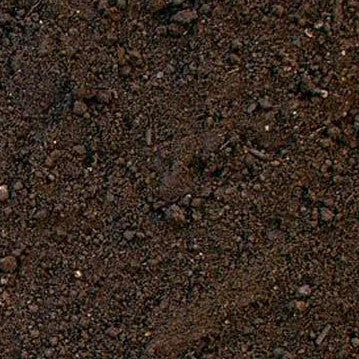
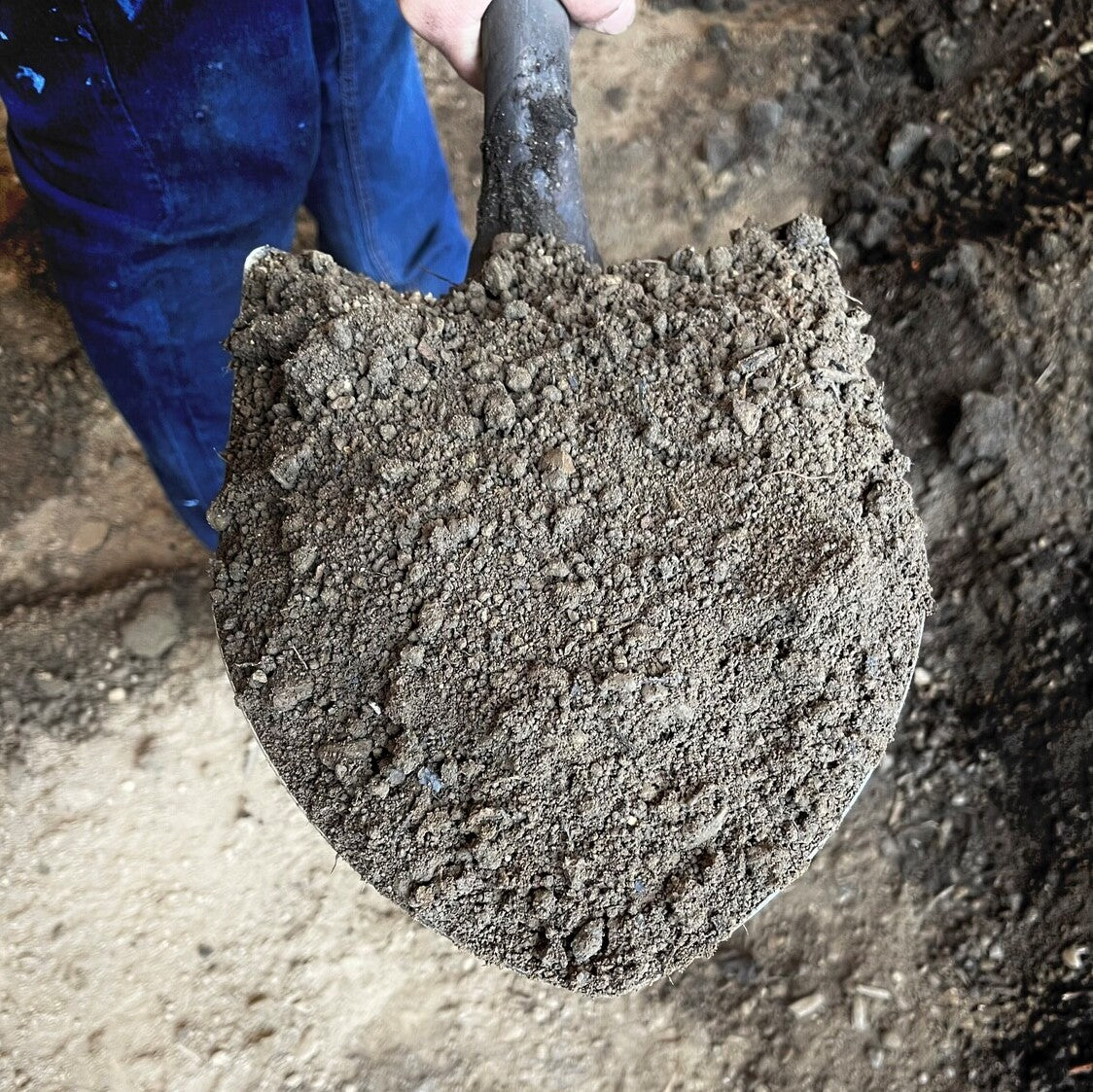
My experience with Mulch Mound was great and super easy. I ordered two yards of screened topsoil and was able to get it delivered within 2 days. They came in my requested time frame (afternoon) and dropped it off where I asked on my driveway. The topsoil was exactly what was a...
Tell us what you're looking for
Thanks! We received your request.
Something went wrong. Please try again.
How Much Material Do I Need?
Plan on three to four inches of amended soil tilled into existing beds, six inches for new lawn areas, and a full twelve inches for vegetable and raised bed growing. One cubic yard covers 100 square feet at three inches deep.
Use our free soil calculator
What is a Yard?
A yard is approximately 27 cubic feet. As a general guideline, one yard of material can cover an area of about 100-160 square feet at a 2-3 inch depth.
My experience with Mulch Mound was great and super easy. I ordered two yards of screened topsoil and was able to get it delivered within 2 days. They came in my requested time frame (afternoon) and dropped it off where I asked on my driveway. The topsoil was exactly what was a...
How Much Material Do I Need?
Plan on three to four inches of amended soil tilled into existing beds, six inches for new lawn areas, and a full twelve inches for vegetable and raised bed growing. One cubic yard covers 100 square feet at three inches deep.
Use our free soil calculator
What is a Yard?
A yard is approximately 27 cubic feet. As a general guideline, one yard of material can cover an area of about 100-160 square feet at a 2-3 inch depth.
My experience with Mulch Mound was great and super easy. I ordered two yards of screened topsoil and was able to get it delivered within 2 days. Th...
Read full review
My experience with Mulch Mound was great and super easy. I ordered two yards of screened topsoil and was able to get it delivered within 2 days. They came in my requested time frame (afternoon) and dropped it off where I asked on my driveway. The topsoil was exactly what was advertised, clean with no rocks or other debris. The price was reasonable. I plan to use them again in a couple weeks to order compost for my garden beds.
Measure length and width in feet, multiply by your desired depth in feet, then divide by 27 to get cubic yards. For raised beds, measure the inside dimensions rather than the outside frame, which can overstate your total by a surprising amount on a multi bed project. Order about ten percent extra since compost rich blends settle several inches after the first watering.
Complete Your Outdoor Soil Project
Finish with three inches of shredded hardwood mulch to keep your new soil from crusting in the Arvada sun, and add compost each spring to maintain organic matter in the clay loam.
Do I really need to amend if Arvada already has clay loam?
Clay loam is actually a decent starting point since it holds nutrients and moisture. The problem in Arvada is that most residential lots were graded during construction and what you are gardening in is compacted subsoil, not the original topsoil. Working three to four inches of compost into the top six to eight inches restores structure, improves infiltration, and gives roots something to work with.
Answer
How much topsoil do I need to level a lawn area?
For minor leveling and overseeding, a half inch to one inch top dress is plenty. For filling low spots or building a new lawn, plan on four to six inches of good soil over the prepared base. On Arvada lots with settled backfill near the foundation, check that you maintain a slope away from the house of at least six inches over the first ten feet.
Answer
What is the best time of year to bring in soil in Arvada?
Late April through early June and again in September are the sweet spots. Spring work should wait until the clay dries enough that a handful crumbles rather than smears, which is usually a week or two after snowmelt. Fall amending after the first frost near September 26 lets the material settle and integrate over winter, and you get a head start the following spring.
Answer
Will new topsoil fix the yellow leaves on my maple?
Partly. Yellowing with green veins on maples, roses, and river birch around Arvada is usually iron chlorosis caused by our alkaline soil, not a lack of iron in the ground. Adding organic matter lowers pH slightly and improves root function so the plant can take up the iron that is already there. For a severe case you may still need a chelated iron treatment while the soil improves.
Answer
Can I use topsoil by itself in raised beds?
Straight topsoil will compact and drain poorly in a raised bed. Use a garden mix that combines screened topsoil with compost, or blend roughly two parts topsoil to one part compost yourself. In Arvada's dry air, that organic fraction is what keeps a raised bed from drying out by midday during a hot July, since raised beds lose moisture on all sides.
Answer
How deep should soil be for a new vegetable garden here?
Aim for twelve inches of good growing medium, and loosen another six inches beneath it so roots can transition into the native clay loam instead of hitting a wall. With Arvada's short frost free window of roughly May 13 to September 26, deep loose soil helps warm season crops establish fast and reach the moisture they need during the driest stretch of summer.
Answer
How many cubic yards of soil do I need per hundred square feet?
One cubic yard covers about 100 square feet at three inches, 50 square feet at six inches, and 27 square feet at twelve inches. For a typical Arvada 4 by 8 raised bed filled twelve inches deep you need roughly 1.2 cubic yards. Add ten percent because soil settles noticeably after the first few waterings, especially compost heavy blends.
Mulch Mound Pro Tip
Never work Arvada clay loam when it is wet. Squeeze a handful, and if it forms a slick ribbon instead of crumbling, wait several more days. Tilling saturated clay destroys soil structure and creates dense clods that stay hard all season, undoing the exact improvement you are paying for. After spring snowmelt this often means holding off until early to mid May, which lines up nicely with our last frost date.
Mulch Mound Pro Tip
Blend the boundary between new soil and native ground rather than laying a clean flat layer. A sharp interface between imported topsoil and compacted Arvada subsoil creates a perched water table, where moisture sits at the seam and roots refuse to cross. Rototill or fork the top few inches of the existing grade first, then feather your new material into it. Roots will follow the transition down instead of circling in a shallow tray.
Mulch Mound Pro Tip
Get a soil test before you buy amendments. Arvada soils typically run alkaline between 7.5 and 8.2 and are often high in phosphorus already from years of general purpose fertilizer. Colorado State University Extension offers affordable testing, and the results usually show you need organic matter and possibly iron, not a balanced fertilizer. That one test can save you a couple hundred dollars in products your yard does not need.
The Unique Landscape of Arvada
Most Arvada yards sit on clay loam that was scraped, compacted, and backfilled during construction, which means the native profile is often buried under subsoil with almost no organic matter. That soil holds nutrients well but drains slowly and turns to concrete once it dries out in our 16 inch rainfall climate. Bringing in quality topsoil and compost is how you build a root zone that actually absorbs the water you apply instead of shedding it toward the gutter. At 5,348 feet with a growing window running from about May 13 to September 26, plants have limited time to establish, so the soil you give them at planting largely determines how they perform. Front Range soils also run alkaline, typically in the 7.5 to 8.2 range, which locks up iron and causes the yellowing you see on maples and roses around town. Blending in organic material is the practical fix that improves structure and nudges pH in the right direction at the same time.