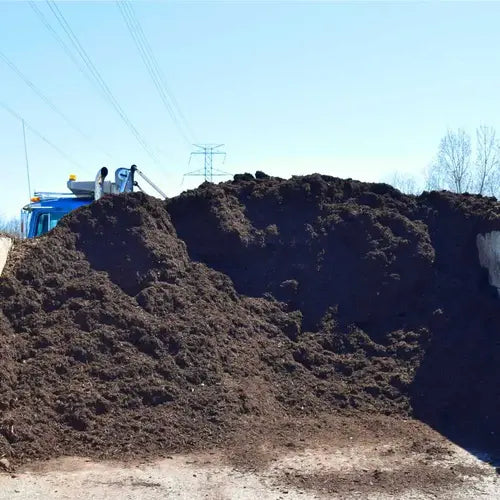
I highly recommend Mulch Mound. The quality of the mulch is very good. The ordering system on their website makes it very easy. The delivery driver did a great job placing the mulch on the driveway. To finish off, the pricing was very reasonable as well.
Tell us what you're looking for
Thanks! We received your request.
Something went wrong. Please try again.
How Much Material Do I Need?
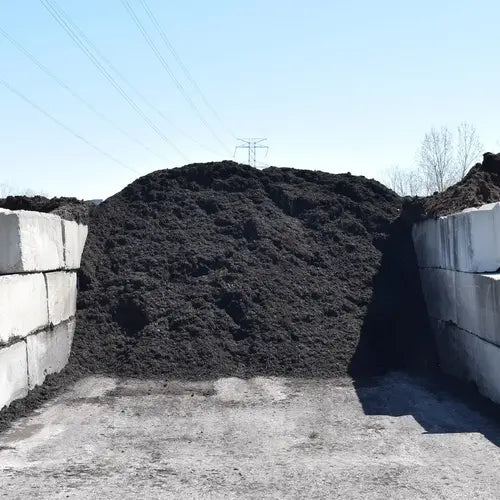
Plan on 3 inches for established beds and 4 inches where weed pressure from bermudagrass is heavy, which means one cubic yard covers roughly 100 square feet at 3 inches. For a typical 800 square foot Bakersfield front yard bed system, that is about 8 cubic yards.
Use our free mulch calculator
What is a yard?
A yard is approximately 27 cubic feet. As a general guideline, one yard of material can cover an area of about 100-160 square feet at a 2-3 inch depth.
I highly recommend Mulch Mound. The quality of the mulch is very good. The ordering system on their website makes it very easy. The delivery driver did a great job placing the mulch on the driveway. To finish off, the pricing was very reasonable as well.
How Much Material Do I Need?
Plan on 3 inches for established beds and 4 inches where weed pressure from bermudagrass is heavy, which means one cubic yard covers roughly 100 square feet at 3 inches. For a typical 800 square foot Bakersfield front yard bed system, that is about 8 cubic yards.
Use our free mulch calculator
What is a yard?
A yard is approximately 27 cubic feet. As a general guideline, one yard of material can cover an area of about 100-160 square feet at a 2-3 inch depth.
I highly recommend Mulch Mound. The quality of the mulch is very good. The ordering system on their website makes it very easy. The delivery driver...
Read full review
I highly recommend Mulch Mound. The quality of the mulch is very good. The ordering system on their website makes it very easy. The delivery driver did a great job placing the mulch on the driveway. To finish off, the pricing was very reasonable as well.
They offered a quick turnaround and delivered high quality mulch at a reasonable price. They also dropped it off exactly where I told them to put i...
Read full review
They offered a quick turnaround and delivered high quality mulch at a reasonable price. They also dropped it off exactly where I told them to put it. Good service!
Measure each bed separately in feet, length times width, rather than guessing at one total for the yard. Bakersfield lots often have long narrow parkway strips between sidewalk and curb that people forget to include, and those add up fast. Enter your square footage and a 3 inch depth, then add about ten percent for settling and the uneven grade common on older east side lots.
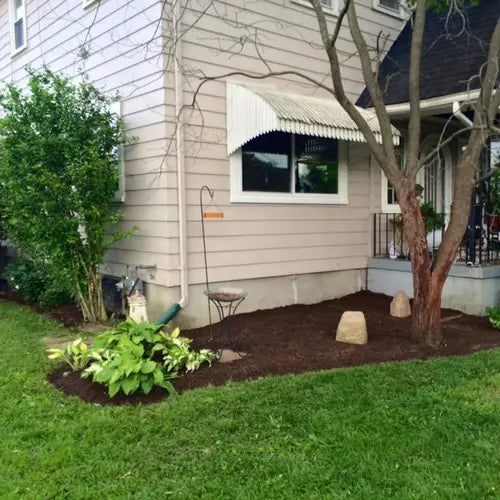
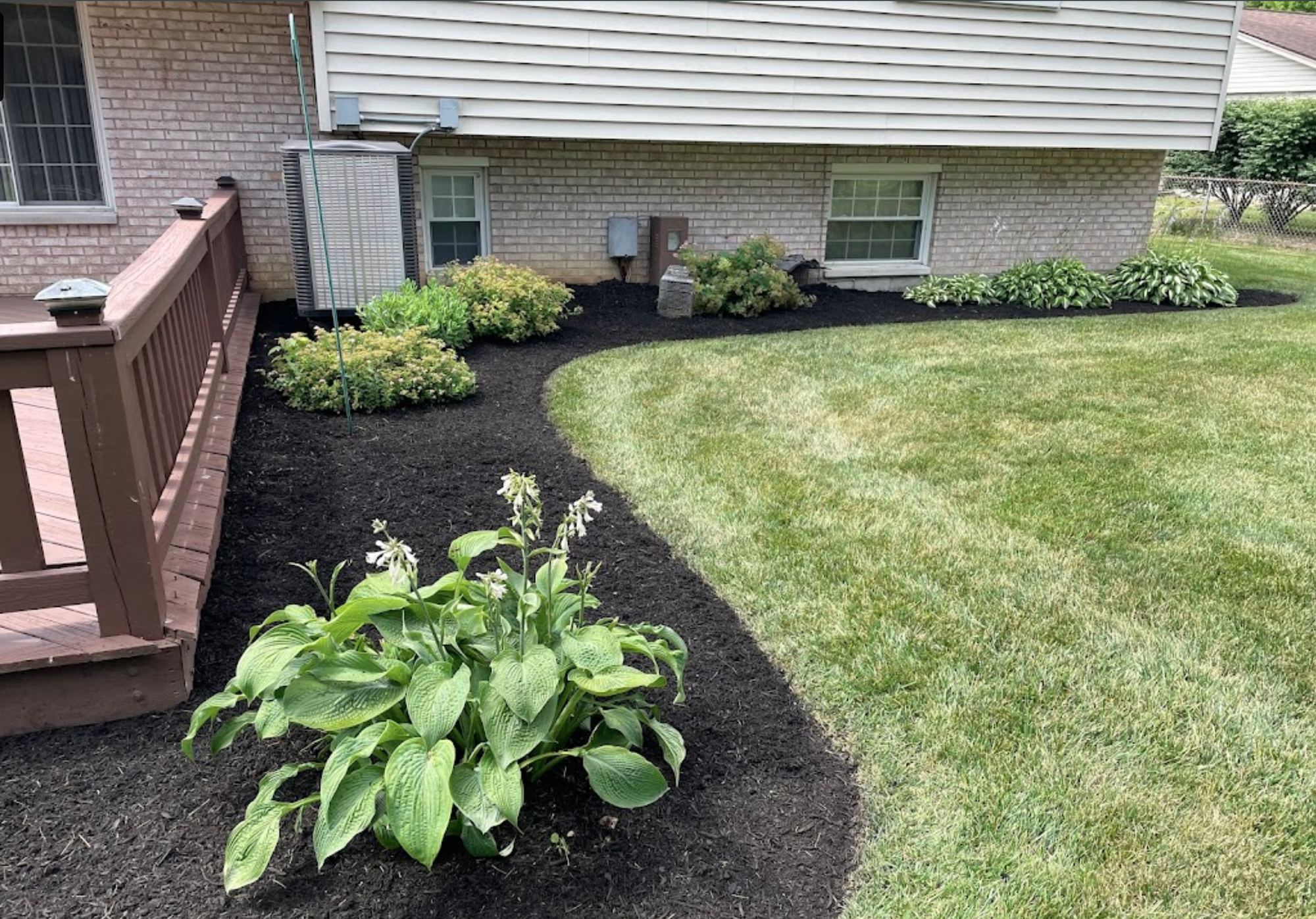
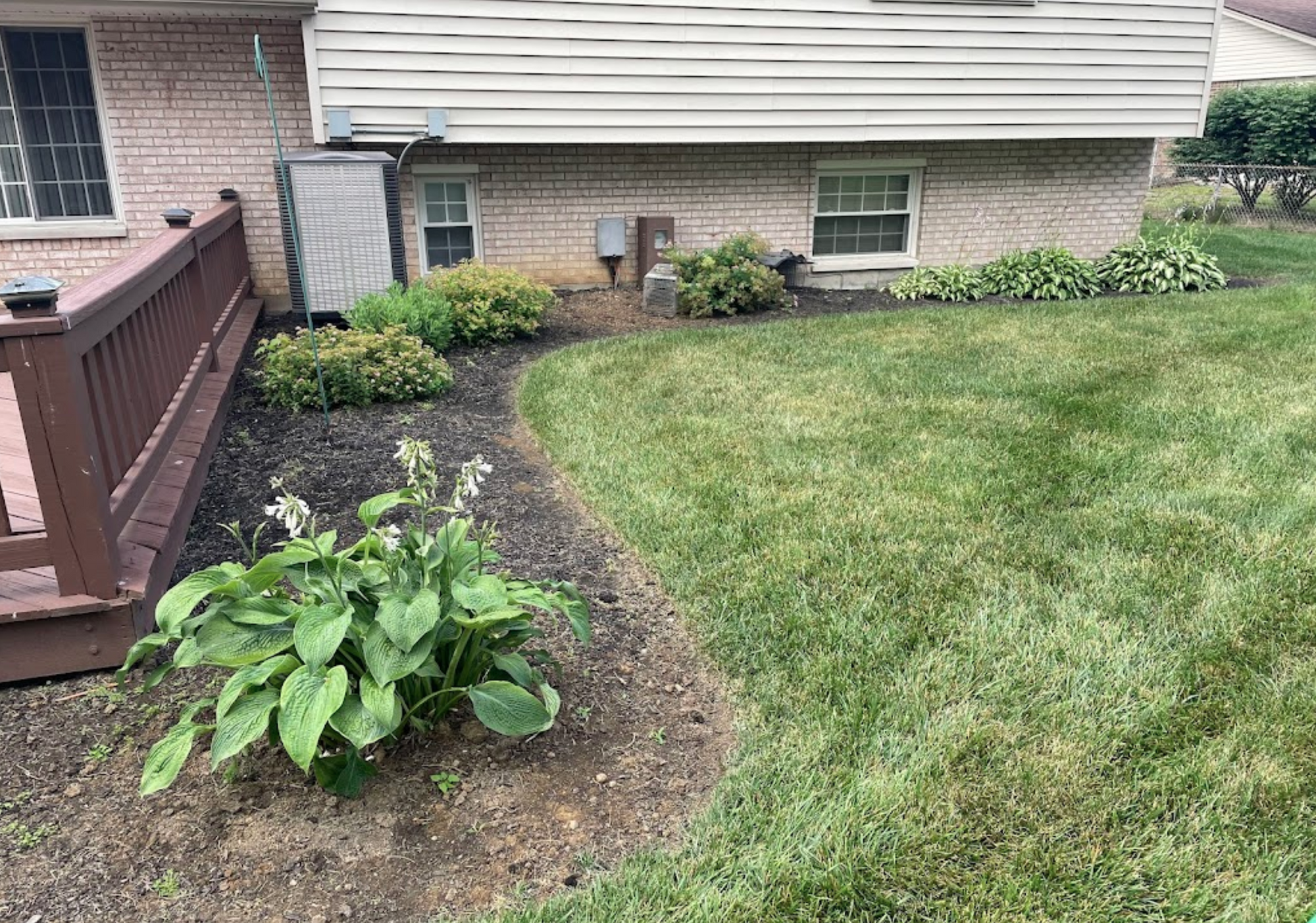
Mulch vs. No Mulch: The Difference
Bakersfield sits in a hot arid pocket where summer highs routinely top 100 degrees and annual rainfall barely reaches 6 inches, so organic mulch breaks down slowly compared to wetter regions. The bigger enemies here are ultraviolet fading and wind, which thin and gray a bed long before decomposition does. That tradeoff shapes the choice between organic mulch that feeds the soil and non organic rock that never needs replacing.
Before
After
Best Mulch Choice for Bakersfield Lawns
Most yards in the Bakersfield area sit on type of soil. Bakersfield sandy loam drains beautifully but holds almost no water or nutrients, so beds can go from saturated to parched in a single hot afternoon. Fertilizer and moisture both slip past the root zone faster than plants can use them.
Hardwood Mulch
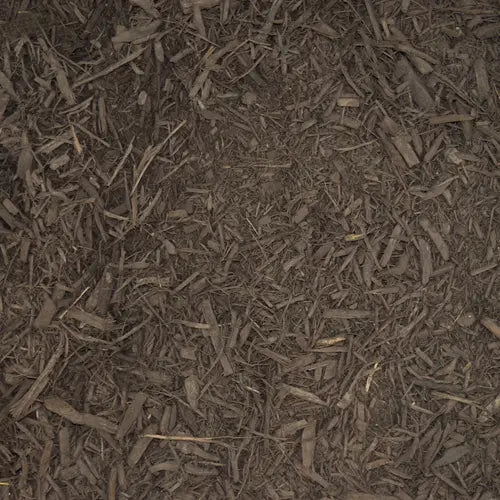
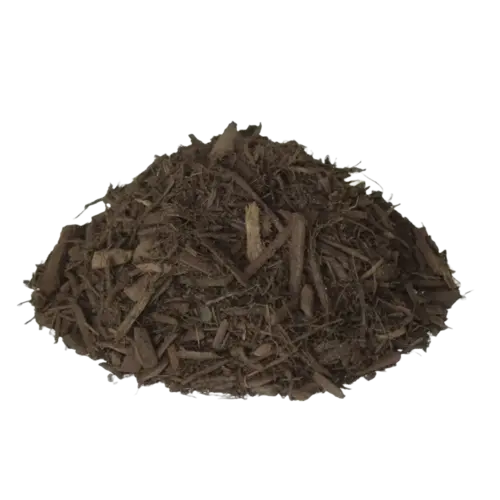
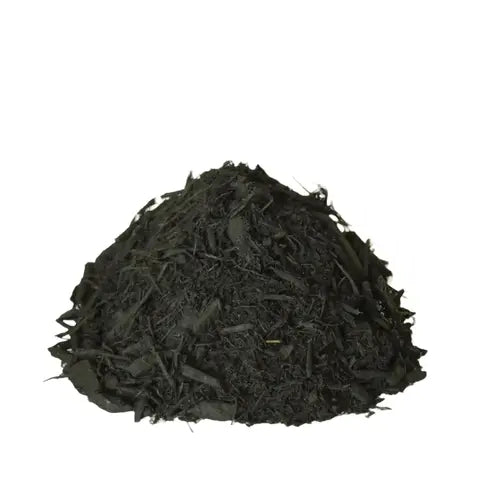
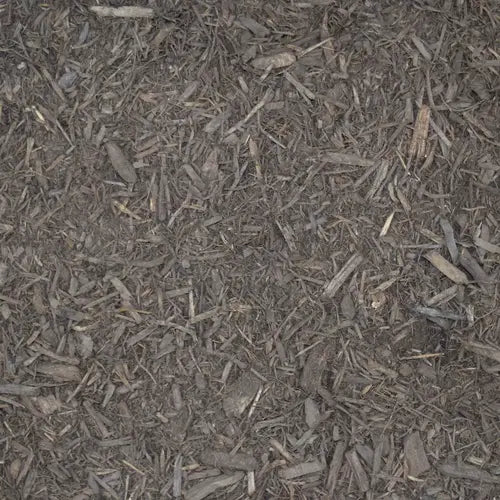
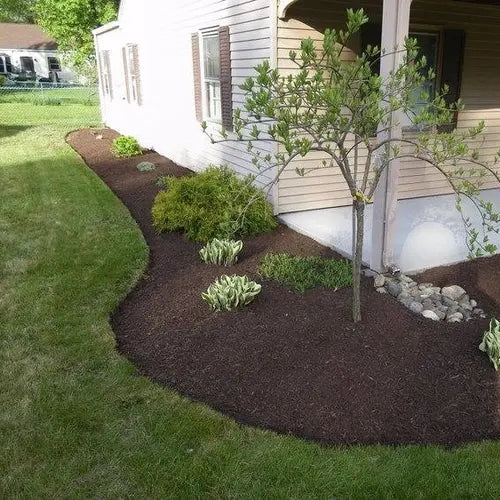
Shredded hardwood mulch is the best fit because it knits together and resists valley wind, and as the bottom layer slowly breaks down it adds the organic matter our sandy loam desperately lacks. Over a few seasons that decomposed layer noticeably improves water holding capacity in the top few inches where roots live.
Complete Your Outdoor Mulch Project
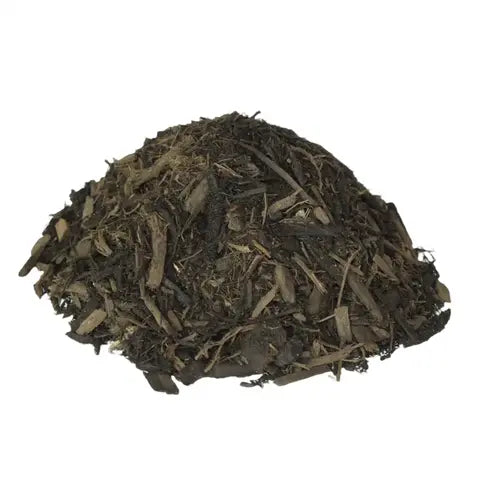
Pair your mulch with a few yards of compost or garden blend worked in first, since Bakersfield sandy loam needs organic matter below the surface as much as on top. Landscape edging and a load of decorative rock for the hot strip along the driveway round out most front yard refreshes.
Water the beds thoroughly the day before mulch arrives. Bakersfield sandy loam that is bone dry will wick moisture upward out of the new mulch layer instead of the other way around, and you will spend your first two irrigation cycles just rewetting the profile. Soaking first means the mulch goes on over already damp soil and immediately starts holding that water in place rather than fighting for it.
Mulch Mound Pro Tip
Spread mulch in March, right after the February 8 average last frost, and you will trap the small amount of winter moisture our soil actually banked. Mulching in June instead means you are sealing in dry soil during the hottest stretch of the year. If you missed the spring window, irrigate deeply first and mulch in the evening when the ground has cooled, then run a long soak cycle that night.
Mulch Mound Pro Tip
Rake and fluff your existing mulch each spring before adding new material. Bakersfield dust and fine silt settle into the top layer over a year and can form a crust that actually sheds water instead of absorbing it. Breaking that crust with a hard rake restores infiltration and refreshes the color at the same time, and you may find you only need an inch of new mulch rather than a full three.
Frequently Asked Questions
Click a question to see the answer
Answer
How deep should mulch be in Bakersfield with only 6 inches of rain a year?
Go 3 to 4 inches deep in ornamental beds. Anything thinner bakes off and blows around in valley wind, and our sandy loam drains so fast that the extra depth is what actually holds moisture between irrigation cycles. Keep it at 2 inches directly over shallow rooted annuals and pull it back a few inches from trunks.
Answer
Will mulch make my Bakersfield yard a haven for termites or roaches?
Mulch does not attract subterranean termites to a house on its own, but a damp wood layer touching stucco gives them a bridge. Keep an 8 to 12 inch bare or gravel strip against the foundation, which is standard practice around older Oleander and Westchester homes, and keep mulch thinner near irrigated slab edges. Turkestan roaches love deep organic debris, so avoid piling mulch above 4 inches in shaded side yards.
Answer
How often will I need to replace mulch here?
Most Bakersfield yards top off shredded hardwood once a year, usually in late February or March after the last frost around February 8. Our dry heat slows biological breakdown compared to humid climates, but ultraviolet exposure fades color fast and summer wind thins the layer. Plan on about an inch of loss per year in full sun beds and less under shade trees.
Answer
Can I put mulch over my drip irrigation lines?
Yes, and you should. Drip tubing laid on bare Bakersfield soil degrades quickly under direct sun and heat, and emitters buried under 3 inches of mulch deliver water to roots instead of losing it to evaporation. Flag or map your lines before spreading so you can find them when a gopher chews through in the fall.
Answer
What color mulch holds up best in Bakersfield sun?
Darker natural browns and blacks fade the fastest because our ultraviolet index stays extreme from May through September. Natural shredded hardwood and cedar toned products weather to a soft gray brown that most homeowners find acceptable. If you want a dyed black or red to stay saturated in a west facing front yard, plan on a light refresh every spring.
Answer
Is mulch a fire concern with how dry it gets out here?
Fine dry bark can smolder, which matters in the foothill neighborhoods east of town toward Rio Bravo and the bluffs. Use larger bark chunks rather than fine shredded material within 5 feet of the house, or switch that zone to gravel entirely, and keep the mulch damp during irrigation cycles. In flat interior neighborhoods the risk is low, though cigarette butts near curbside beds are still the usual culprit.
Answer
Should I mulch my citrus trees, and how close to the trunk?
Bakersfield backyard citrus loves mulch out at the drip line because it keeps the shallow feeder roots cool through July and August. Keep a clear ring of at least 8 to 12 inches around the trunk, since bark kept damp invites collar rot and our alkaline valley soil already stresses the graft union. Mulching also helps hold the winter soil warmth that protects fruit on the few nights we drop near freezing.
The Unique Landscape of Bakersfield
Bakersfield gets roughly 6 inches of rain in an entire year, which means almost every drop of moisture your plants receive comes from irrigation you pay for. Bare sandy loam in the southern San Joaquin Valley dries out within hours once July afternoons hit 105 degrees, and the surface can crust over so tightly that drip emitters run off instead of soaking in. A 3 inch mulch layer shades that soil, cuts evaporation dramatically, and keeps root zones from swinging between scorching and merely hot. In Zone 9b, where the frost window is short and runs only from about December 8 to February 8, mulch also buffers the handful of cold nights that can nip citrus and tender perennials. Add in the summer weed pressure from bermudagrass and nutsedge along Bakersfield alleys and parkways, and mulch becomes the single cheapest tool in the yard.