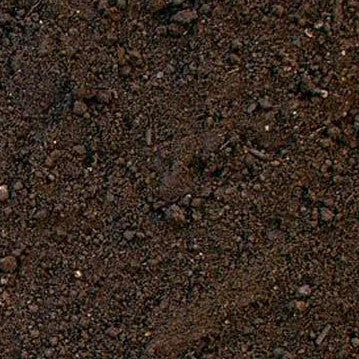
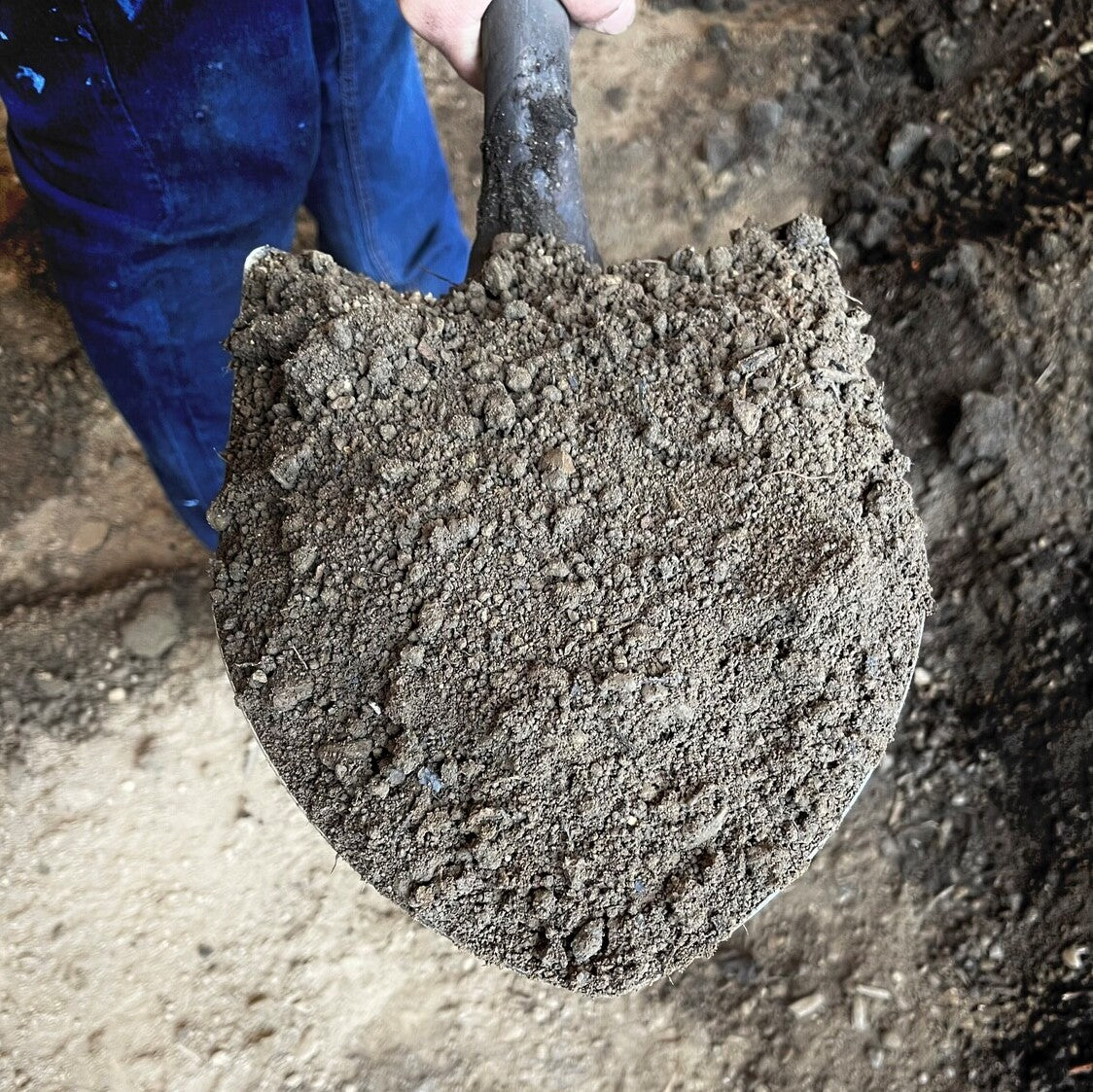
We ordered 3 yards of the garden soil, delivered mext day. We used in raised beds 6x3x2. It was more than needed for both but the soil looked good! I added some perlite to add some drainage since this is a little dense.
Tell us what you're looking for
Thanks! We received your request.
Something went wrong. Please try again.
How Much Material Do I Need?
For amending existing Bakersfield beds, plan on 3 to 4 inches of compost or garden blend tilled into the top 8 inches, which is roughly one cubic yard per 90 square feet. New raised beds need the full interior volume plus a settling allowance.
Use our free soil calculator
What is a Yard?
A yard is approximately 27 cubic feet. As a general guideline, one yard of material can cover an area of about 100-160 square feet at a 2-3 inch depth.
We ordered 3 yards of the garden soil, delivered mext day. We used in raised beds 6x3x2. It was more than needed for both but the soil looked good! I added some perlite to add some drainage since this is a little dense.
How Much Material Do I Need?
For amending existing Bakersfield beds, plan on 3 to 4 inches of compost or garden blend tilled into the top 8 inches, which is roughly one cubic yard per 90 square feet. New raised beds need the full interior volume plus a settling allowance.
Use our free soil calculator
What is a Yard?
A yard is approximately 27 cubic feet. As a general guideline, one yard of material can cover an area of about 100-160 square feet at a 2-3 inch depth.
We ordered 3 yards of the garden soil, delivered mext day. We used in raised beds 6x3x2. It was more than needed for both but the soil looked good!...
Read full review
We ordered 3 yards of the garden soil, delivered mext day. We used in raised beds 6x3x2. It was more than needed for both but the soil looked good! I added some perlite to add some drainage since this is a little dense.
Measure length, width, and desired depth in feet, then convert cubic feet to yards by dividing by 27. For raised beds, use the interior dimensions, not the outside frame, since Bakersfield gardeners commonly build with 2 by 12 lumber that eats up inches. Compost heavy blends settle noticeably in the first month of irrigation, so order ten to fifteen percent more than the math suggests.
Complete Your Outdoor Soil Project
Finish amended beds with 3 inches of mulch to keep that new soil from drying out in the valley sun, and grab decorative stone for pathways between raised beds where soil would otherwise turn to dust.
My yard is pure sand and water disappears instantly. What soil should I add?
That is classic Bakersfield alluvial sandy loam. Work 3 to 4 inches of compost into the top 8 inches rather than just laying topsoil on the surface, because a shallow layer over sand creates an abrupt texture break that water perches on. Compost is what actually raises the water holding capacity in our soils. Repeat the amendment every year or two since organic matter burns off quickly in our heat.
Answer
Is Bakersfield soil alkaline, and does the soil you deliver fix that?
Yes, most southern San Joaquin Valley soils run alkaline, often in the 7.5 to 8.2 pH range, which is why citrus and gardenias here so often show yellow leaves with green veins. Our compost rich blends nudge pH down slightly and, more importantly, improve nutrient availability. For persistent chlorosis you will still want a chelated iron product, since amending soil alone rarely moves valley pH dramatically.
Answer
How much soil do I need for a raised vegetable bed?
A standard 4 by 8 foot bed at 12 inches deep needs just under 1.2 cubic yards. Bakersfield gardeners often go deeper, around 18 inches, because the extra volume buffers root temperature during July and August when bed sides heat up fast. Order about ten percent extra for settling, which is significant with compost heavy blends.
Answer
When is the best time to bring in soil and start planting here?
Late January through February is ideal, since our average last frost lands around February 8 and soil is workable long before spring arrives in most of the country. A second window opens in September for fall and winter crops that will carry through to the December 8 first frost. Avoid amending in mid July unless you can irrigate immediately, because dry compost is hydrophobic in our heat.
Answer
Will new topsoil help my lawn survive Bakersfield summers?
Topdressing with a quarter to half inch of compost enriched soil twice a year helps considerably, especially on bermuda and fescue lawns growing on thin sandy loam. It improves moisture retention so you can shift to deeper, less frequent irrigation, which is exactly what you want under watering restrictions. Core aerate first so the material reaches the root zone instead of sitting on thatch.
Answer
Do I need to worry about hardpan or caliche when I dig?
Parts of Bakersfield, especially older orchard ground and areas out toward the east and northeast, have a compacted or cemented layer a foot or two down that stops roots and water cold. Dig a test hole before planting trees. If you hit a dense layer, break through it or plant on a raised mound of imported soil rather than creating a bathtub that drowns roots during winter irrigation.
Answer
Can I use your soil to fill low spots and settling near my foundation?
Screened topsoil works well for minor grading, and yes, Bakersfield homes on expansive or fill soils do settle. Grade so water flows away from the slab at about a quarter inch drop per foot for the first ten feet, and keep soil at least six inches below the stucco weep screed. For anything deeper than a few inches, use a sandier fill soil that compacts rather than a compost rich blend that will keep settling.
Mulch Mound Pro Tip
Wet new soil in stages rather than all at once. Dry compost heavy blends repel water at first, so a fast deep soak in Bakersfield heat will run right off the surface and down the driveway. Water lightly, wait twenty minutes, then water again, and repeat three or four times the first day. Once the material is uniformly moist it will accept water normally and hold it far better than the native sand underneath.
Mulch Mound Pro Tip
Do not just cap sandy loam with a layer of topsoil. The sharp boundary between two different textures causes water to perch and roots to stall right at the seam, a problem you see constantly in Bakersfield yards where sod was laid over a thin imported layer. Blend the new material into the top several inches of native soil with a fork or tiller so roots transition gradually instead of hitting a wall.
Mulch Mound Pro Tip
Add gypsum along with your soil delivery if your yard has crusting or white salty residue on the surface. Bakersfield irrigation water and low rainfall combine to leave salts behind, since we never get enough rain to flush the profile the way wetter climates do. Gypsum helps displace sodium and improve structure, and an occasional deep leaching irrigation in the cooler months pushes accumulated salts below the root zone.
The Unique Landscape of Bakersfield
The native sandy loam across most of Bakersfield drains fast and is generally low in organic matter, a legacy of alluvial deposits from the Kern River and decades of row crop farming. That texture is easy to dig but it lets water and nutrients race straight past root zones, which is a real problem when you only get about 6 inches of rain a year and irrigation is the main water source. Many newer subdivisions on the southwest side also sit on compacted construction fill where the topsoil was scraped away entirely. Bringing in quality topsoil, garden blend, or compost gives you a root zone that actually holds water between cycles instead of demanding daily irrigation. In Zone 9b with a growing season that runs roughly from February 8 to December 8, good soil is what lets you get two or three vegetable rotations out of a single bed.