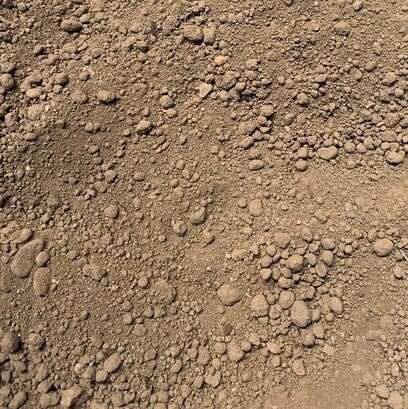
About this soil

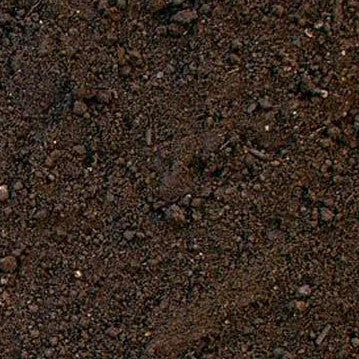
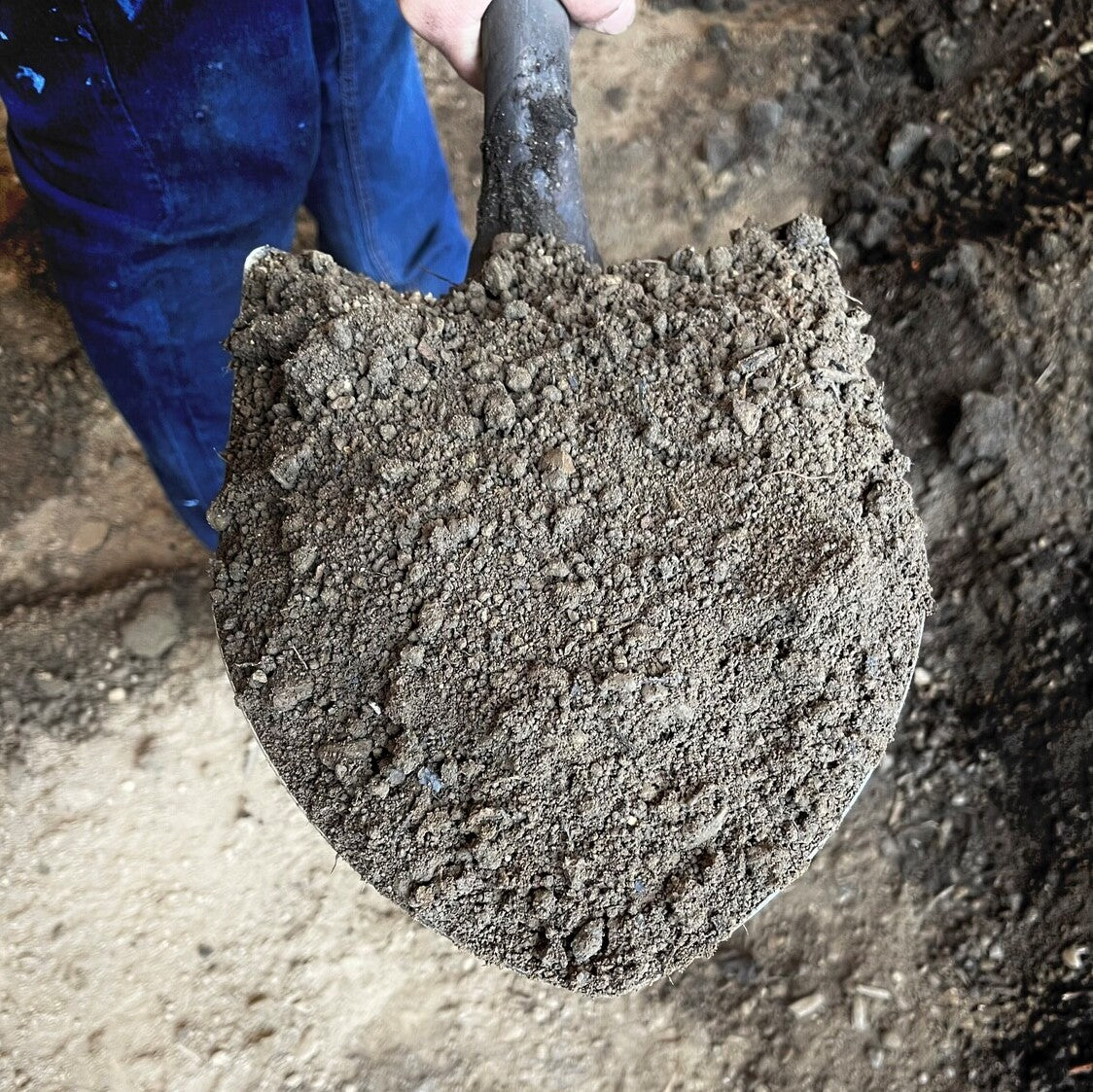
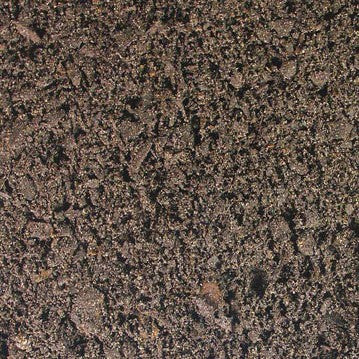
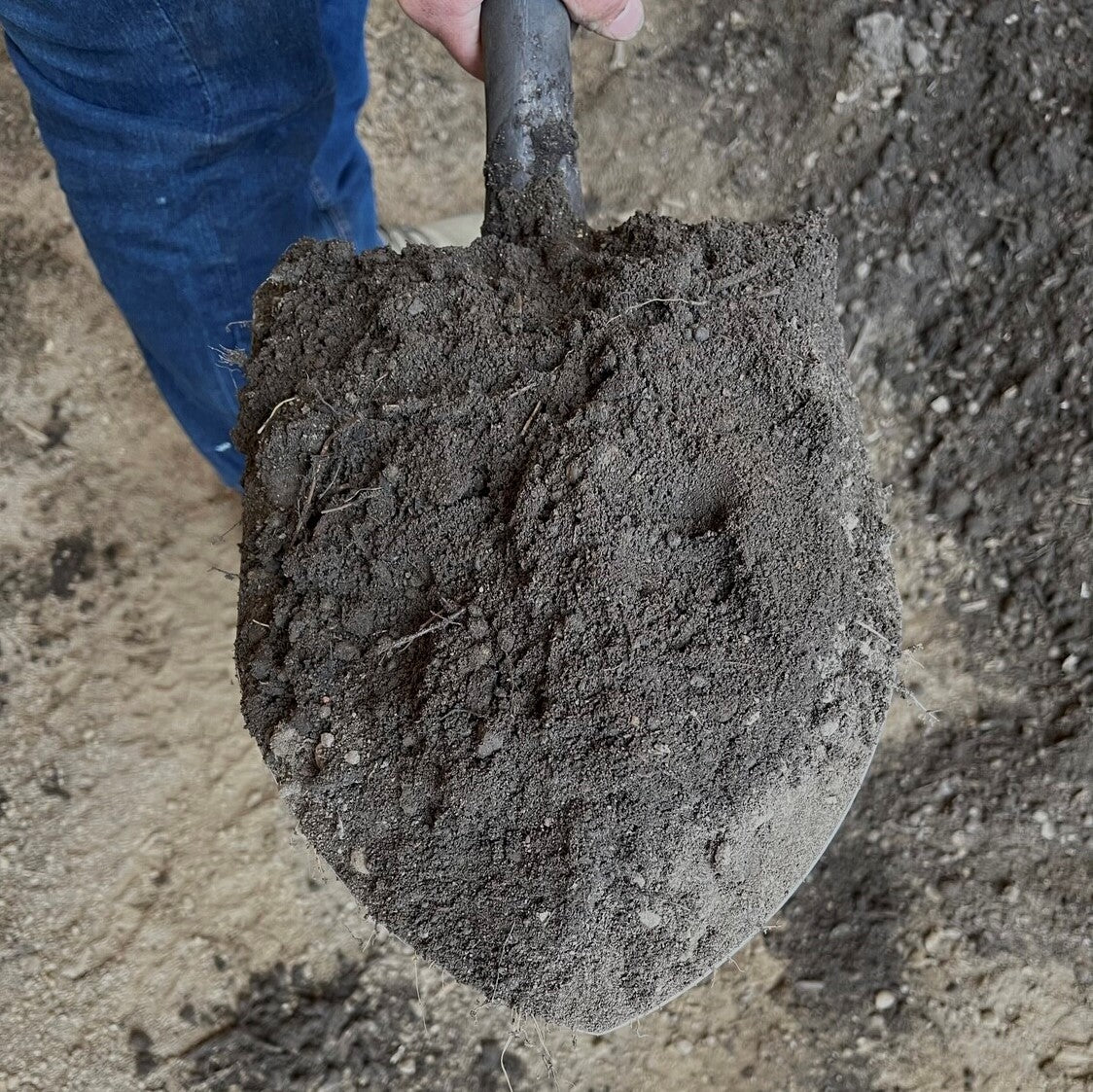
Screened topsoil with a fine, even texture. Ideal for new lawns, sod prep, and raised garden beds.

The website was intuitive and easy to navigate. The material was delivered the date and time it was scheduled, it was dropped off in the area i had specified on top of my tarp with no issues.

I ordered soil, the Gardening Blend that I received had too many plastic and m...

Plan four to six inches of screened topsoil for lawn renovation over compacted builder subsoil, and ten to twelve inches for raised vegetable beds. One cubic yard covers about 100 square feet at three inches deep.
Use our free soil calculator

A yard is approximately 27 cubic feet. As a general guideline, one yard of material can cover an area of about 100-160 square feet at a 2-3 inch depth.

Beavercreek Soil Delivery

Beavercreek Soil Delivery

4.7
137 reviews
Regular price $55.00 per Yard
Regular price Sale price $55.00
Sale Sold out
Shipping calculated at checkout.
Type
Style
Hand-picked local yards
4,000+ regional deliveries
Dedicated support
Why order through Mulch Mound

The best local , without the guesswork.

We hand-pick and partner with the best yards in your region, keep only the ones our buyers rate well, and back each load with our guarantee.

Mulch Mound Guarantee

If your isn't the quantity or quality you ordered, we'll make it right.

About this soil

Screened topsoil with a fine, even texture. Ideal for new lawns, sod prep, and raised garden beds.

The website was intuitive and easy to navigate. The material was delivered the date and time it was scheduled, it was dropped off in the area i had specified on top of my tarp with no issues.

I ordered soil, the Gardening Blend that I received had too many plastic and m...

Plan four to six inches of screened topsoil for lawn renovation over compacted builder subsoil, and ten to twelve inches for raised vegetable beds. One cubic yard covers about 100 square feet at three inches deep.
Use our free soil calculator

A yard is approximately 27 cubic feet. As a general guideline, one yard of material can cover an area of about 100-160 square feet at a 2-3 inch depth.

View full details

How It Works

Getting started is easy — just follow these simple steps

1

Choose your soil

Make sure you adjust the quantity to your home's needs. You can use our calculator to estimate how much you'll need.

2

Select your delivery date

Select a delivery date you'd like for the product to be dropped off at your home

3

Sit back and wait

Sit back, wait, and let us work our magic to make sure the highest quality product is delivered to your driveway.

What Beavercreek Customers Like About Our Soil

4.7
out of 5 based on 137 reviews
Google Reviews

Need Help Calculating How Much Soil You Need?

Use our NEW Trace from Satellite tool to get an estimate for your project based on an aerial view of your property

Try Our Calculator
📍

Measure the length and width of each area in feet and decide your finished depth in inches before you calculate, since depth drives the number far more than area does. For raised beds, use the inside dimensions of the frame, not the outside. Beavercreek homeowners filling new beds should add ten to fifteen percent for settling.

Complete Your Outdoor Soil Project

Add a yard of compost to blend into the top layer, and finish planted beds with shredded hardwood mulch so our spring downpours do not wash the fresh soil out before roots take hold.

Frequently Asked Questions

Click a question to see the answer

Answer

Why is my Beavercreek yard mostly hard clay when the county says the soil is silt loam?

Because the silt loam topsoil was likely stripped during construction. The subsoil left behind under most Beavercreek subdivisions is dense and low in organic matter. Adding four to six inches of screened topsoil, tilled lightly into the top of the existing grade, rebuilds what was lost.

Answer

How much topsoil do I need to fix bare spots and level my lawn?

For overseeding and minor leveling, a quarter to a half inch across the area is enough. For real repair on dead patches, plan on three to four inches. A cubic yard spreads about 324 square feet at a quarter inch or roughly 80 square feet at four inches.

Answer

When can I start working soil in the spring here?

Wait until the silt loam crumbles instead of smearing when you squeeze a handful, usually early to mid April in Beavercreek. Working wet silt loam destroys structure and creates concrete like clods that last all season.

Answer

What should I fill my raised vegetable beds with?

A garden blend of screened topsoil and compost, roughly two thirds to one third, works well for Beavercreek. Straight compost holds too much water in our rainy springs and can shrink dramatically by August.

Answer

Will topsoil settle after I spread it?

Yes, expect ten to twenty percent settling in the first few weeks, faster once our spring rain hits. Order a little extra and mound raised beds slightly high rather than coming back for a second small load.

Answer

Do I need to test my soil pH in Beavercreek?

It is worth doing. Southwest Ohio soils over limestone often run neutral to slightly alkaline, which is fine for turf and most vegetables but frustrating for blueberries, azaleas, and hydrangeas you want blue. Greene County extension can point you to a test kit.

Answer

Can I get soil delivered before my last frost date?

Absolutely, and it is smart planning. Getting soil in place in early April gives it time to settle before you plant after April 25. Just avoid delivery days when the ground is frozen or the yard is saturated enough to rut under a truck.

Mulch Mound Pro Tip

Never dump topsoil straight onto compacted subsoil and walk away. That creates a shelf where water perches and roots stop cold at the boundary. Scratch or lightly till the top two inches of existing Beavercreek ground first, then blend the bottom inch of new soil into it. That transition zone is what lets roots and drainage carry through instead of stalling at a hard line.

Mulch Mound Pro Tip

Time your soil work around Beavercreek rainfall. Our wettest stretch runs through May, and silt loam worked while wet compacts into dense clods that take a full season to recover. Squeeze a handful. If it ribbons and smears, wait two or three dry days. If it crumbles apart, you are clear to till, grade, and plant.

Mulch Mound Pro Tip

Feed the soil biology rather than just the plants. Beavercreek silt loam responds fast to organic matter, and a half inch of compost top dressed each fall before the October 15 frost will do more over three years than repeated synthetic fertilizer. Earthworms pull it down through the profile, which naturally loosens the compacted layer under most subdivision lawns without any tilling on your part.

The Unique Landscape of Beavercreek

Native Beavercreek ground is silt loam, which sounds ideal on paper and often is not once a builder has scraped the topsoil off and backfilled around a foundation. Many homes here sit on compacted subsoil with only two or three inches of thin fill on top, which is why new lawns struggle and raised beds outperform in ground planting. Good screened topsoil and compost rebuild the profile that construction removed. Our 41 inches of annual rain will move nutrients right through a shallow layer, so depth matters as much as quality. With a growing season running roughly from the April 25 last frost to the October 15 first frost, Beavercreek gardeners have about 170 days to get a return on whatever soil they put down, and better soil stretches that season on both ends.