




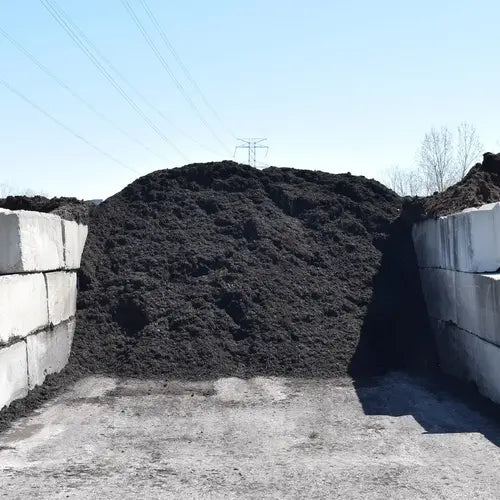
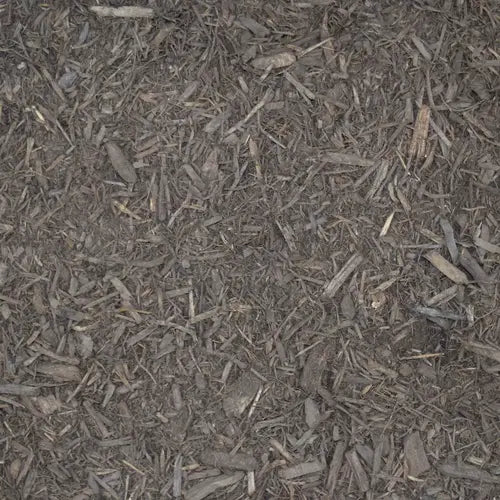
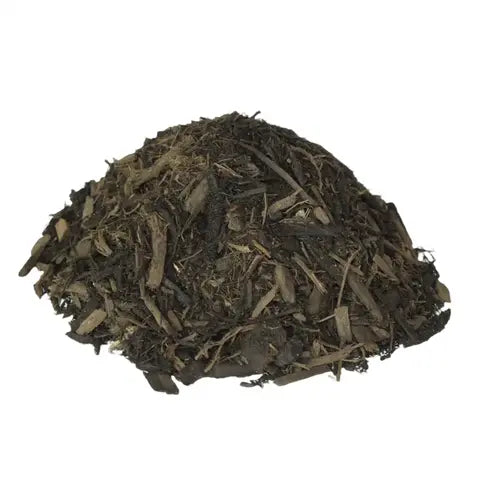
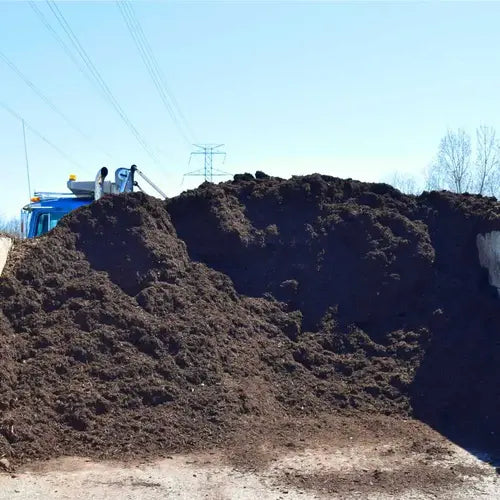
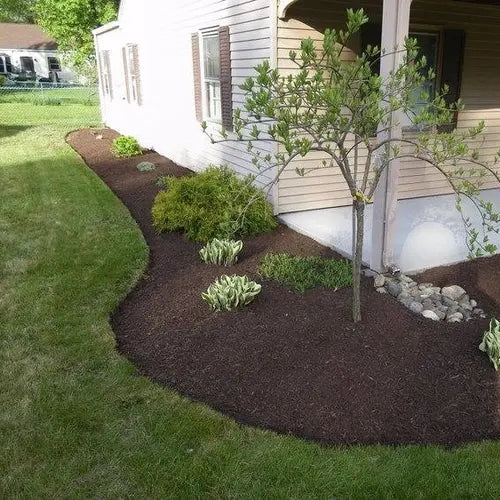

Our delivery was delayed but the new brown color mulch is a nice upgrade to our landscaping.
About this mulch
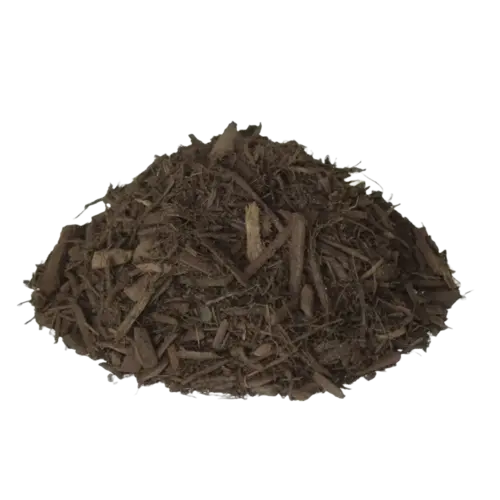
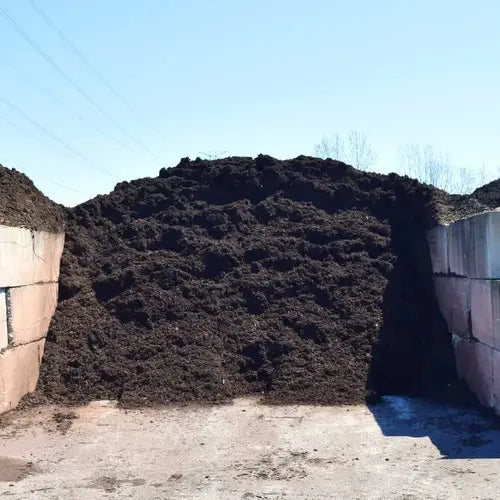
Double-shredded mulch dyed a rich, even brown that holds its color through the season.
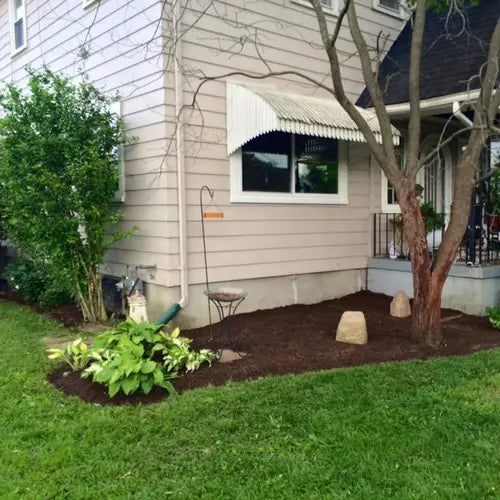
Our delivery was delayed but the new brown color mulch is a nice upgrade to our landscaping.
Tell us what you're looking for
Thanks! We received your request.
Something went wrong. Please try again.
How Much Material Do I Need?
How Much Material Do I Need?
For most landscape beds in Binghamton, a 3-inch depth is the standard recommendation, which provides good weed suppression and moisture retention through the wet spring season. Tree rings and woodland garden areas can go up to 4 inches, but keep mulch pulled a few inches away from plant stems and tree trunks.
Use our free mulch calculator
What is a yard?
What is a yard?
FAQs
FAQs
Binghamton Mulch Delivery
Binghamton Mulch Delivery
Regular price
$64.00
per
Yard
Regular price
Sale price
$64.00
Unit price
per
Shipping calculated at checkout.
Minimum of 3 Yard
Couldn't load pickup availability
Not currently available
We can't take orders for this right now. Tell us what you need and we'll get back to you.
Hand-picked local yards
4,000+ regional deliveries
Dedicated support
Why order through Mulch Mound
The best local , without the guesswork.
We hand-pick and partner with the best yards in your region, keep only the ones our buyers rate well, and back each load with our guarantee.
Mulch Mound Guarantee
If your isn't the quantity or quality you ordered, we'll make it right.
About this mulch
Double-shredded mulch dyed a rich, even brown that holds its color through the season.
Our delivery was delayed but the new brown color mulch is a nice upgrade to our landscaping.
How Much Material Do I Need?
How Much Material Do I Need?
For most landscape beds in Binghamton, a 3-inch depth is the standard recommendation, which provides good weed suppression and moisture retention through the wet spring season. Tree rings and woodland garden areas can go up to 4 inches, but keep mulch pulled a few inches away from plant stems and tree trunks.
Use our free mulch calculator
What is a yard?
What is a yard?
FAQs
FAQs
Tell us what you're looking for
Thanks! We received your request.
Something went wrong. Please try again.

How It Works
Getting started is easy — just follow these simple steps
1
Choose your Mulch
Make sure you adjust the quantity to your home's needs. You can use our calculator to estimate how much you'll need.
2
Select your delivery date
Select a delivery date you'd like for the product to be dropped off at your home
3
Sit back and wait
Sit back, wait, and let us work our magic to make sure the highest quality product is delivered to your driveway.

Mulch Mound made it so easy! So happy with the pricing, turn around time, delivery and product. I submitted my online order on a Thursday. The mu...
Read full review
Mulch Mound made it so easy! So happy with the pricing, turn around time, delivery and product. I submitted my online order on a Thursday. The mulch was delivered to the designated location by a local landscape company at 8:30 a.m. the following Saturday morning. We had the job completed by that afternoon. We chose the natural brown mulch, and the plant beds are beautiful.

Good quality, great price, fast delivery. All online - no submitting forms and waiting for days for quotes.
Getting mulch should be this easy fr...
Read full review
Good quality, great price, fast delivery. All online - no submitting forms and waiting for days for quotes.
Getting mulch should be this easy from everyone. Only Mulch Mound is ACTUALLY this simple.
Calculate mulch for your Binghamton project
For Binghamton's type of soil, we recommend 2-3 inches for best weed suppression and moisture retention
Try Our CalculatorMeasure each bed by multiplying length times width in feet to get square footage, then add all your bed areas together. Binghamton yards often have irregular shapes around mature trees, so break those areas into rough rectangles and add them up. Our calculator converts your total square footage and target depth directly into cubic yards so you order exactly what you need.
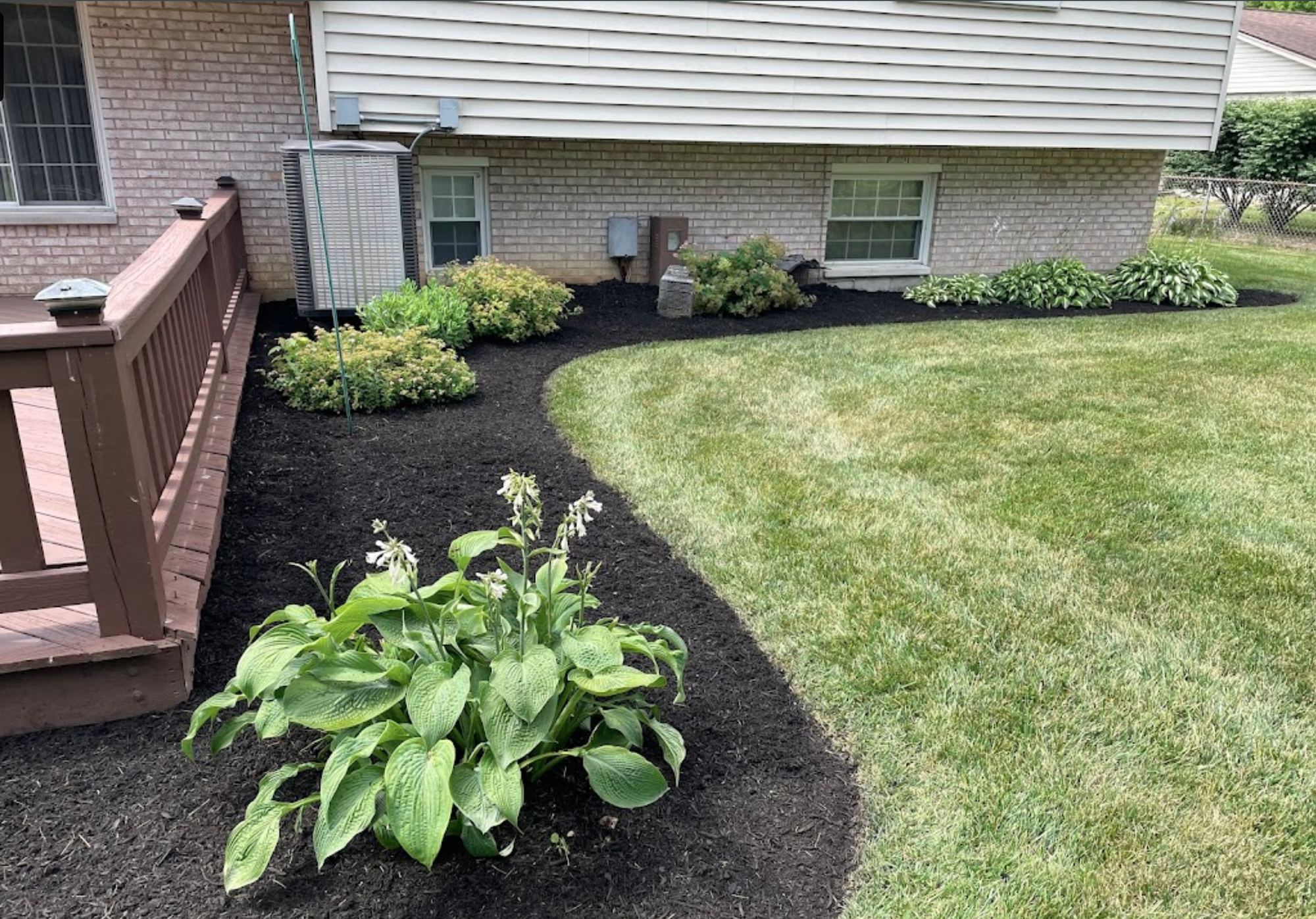
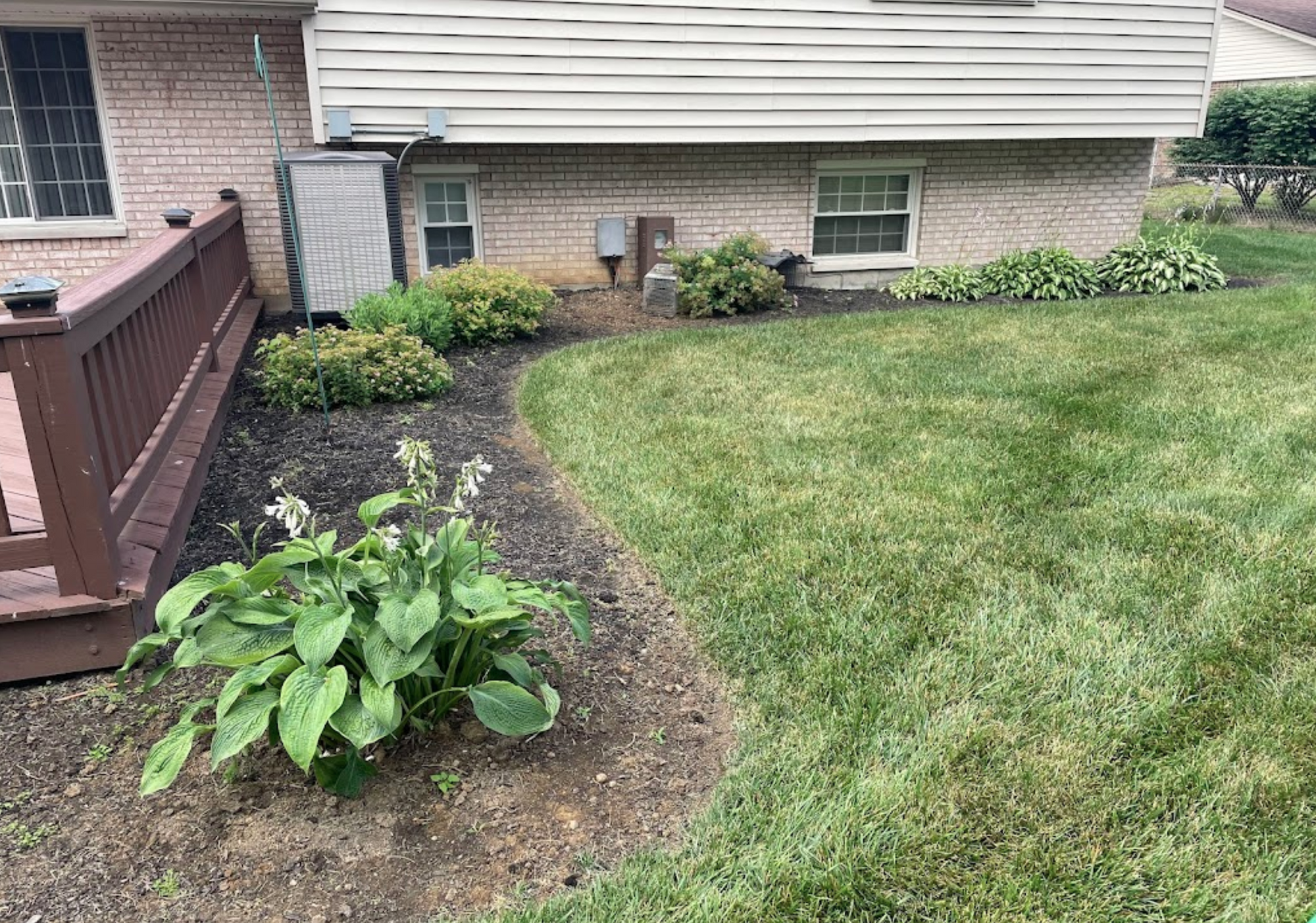

Best Mulch Choice for Binghamton Lawns
Most yards in the Binghamton area sit on type of soil. Binghamton's silt loam soil has a fine particle structure that compacts under foot traffic and heavy spring rainfall, which reduces the oxygen and drainage that plant roots need to thrive. Laying a consistent mulch layer over silt loam beds creates a protective barrier that intercepts rain impact and significantly slows the compaction process.
Hardwood Mulch
Hardwood mulch is an ideal long-term amendment strategy for Binghamton's silt loam because as the wood fibers decompose they add coarse organic matter that slightly opens up the soil texture and improves both drainage and aeration over multiple seasons.
Complete Your Outdoor Mulch Project
If your beds have compacted or poorly draining silt loam, consider adding a cubic yard or two of our blended topsoil to raise and amend your planting areas before mulching. Our decorative stone is also a great complement for edging paths or defining bed borders alongside bulk mulch.
Service area
Areas we deliver mulch in Binghamton, New York
Mulch Mound Pro Tip
Binghamton's spring is wet and cool, and mulch placed directly on saturated silt loam can trap excess moisture against plant crowns and invite crown rot. Before you spread your delivery, let the soil surface dry out for a day or two after a rain. Even an inch of drying time on the surface makes a real difference for plants like hostas and astilbes that are common in Binghamton shade gardens.
Mulch Mound Pro Tip
Because Binghamton sits at 866 feet in elevation and experiences meaningful freeze-thaw cycling from November through March, mulch depth over perennial beds matters more here than in lower-elevation areas of New York. A full 4-inch layer over marginally hardy perennials like ornamental grasses and echinacea can push survival rates noticeably higher than the standard 2-inch application during a harsh Southern Tier winter.
Mulch Mound Pro Tip
Do not skip edging your beds before your mulch delivery arrives. Binghamton lawns grow aggressively in the wet spring conditions, and without a clean edge, grass will creep into fresh mulch within a few weeks. A steel half-moon edger or a rented bed edger run along your bed boundaries right before spreading will keep your landscape looking clean through the entire growing season.
The Unique Landscape of Binghamton
Binghamton sits in a river valley where cool, wet springs and short growing seasons put real pressure on plant beds. With only about 155 frost-free days between the last frost around May 10 and the first frost around October 5, getting mulch down at the right time is critical for protecting root zones during rapid temperature swings. The silt loam soils common across Binghamton compact easily under the region's 40 inches of annual rainfall, and a proper mulch layer acts as a buffer that slows that compaction while reducing surface runoff. Mulch also helps soil hold warmth longer into autumn, which matters in Zone 6a when early October frosts can arrive before perennials have fully hardened off. Without adequate mulch coverage, Binghamton's wet winters and freeze-thaw cycles through November and March can heave plant roots right out of the ground.