




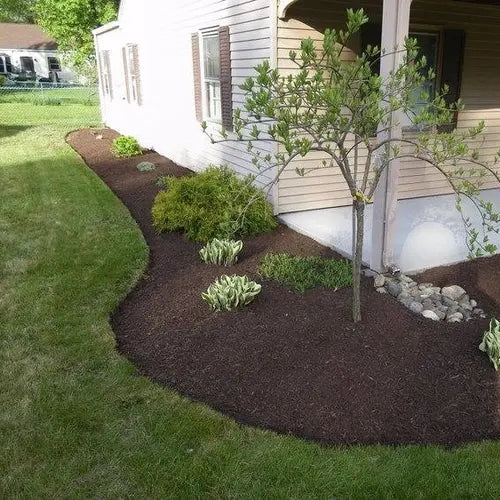



Website was easy to use. Mulch was delivered on time and exactly where specified. It makes our front yard look great just in time for spring!
About this mulch
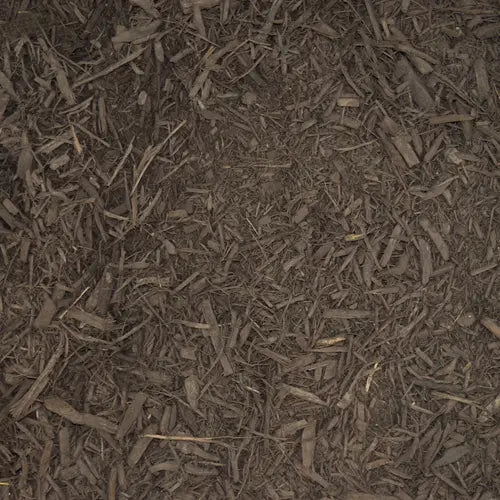
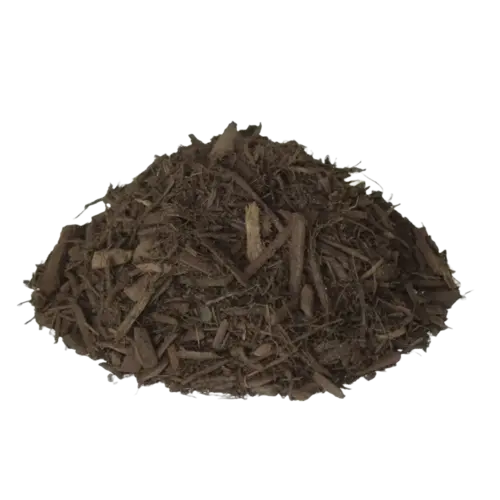
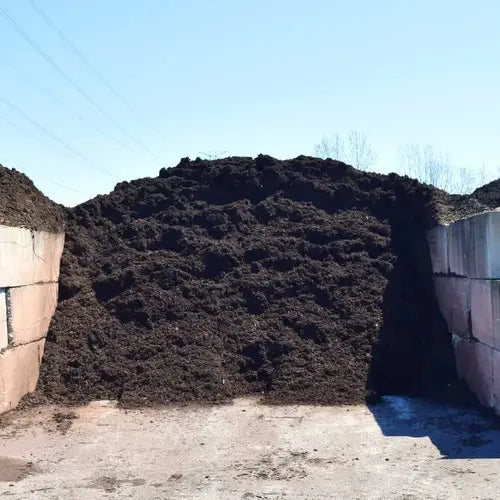
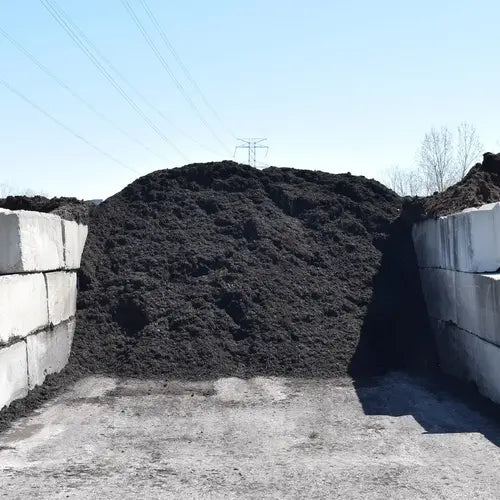
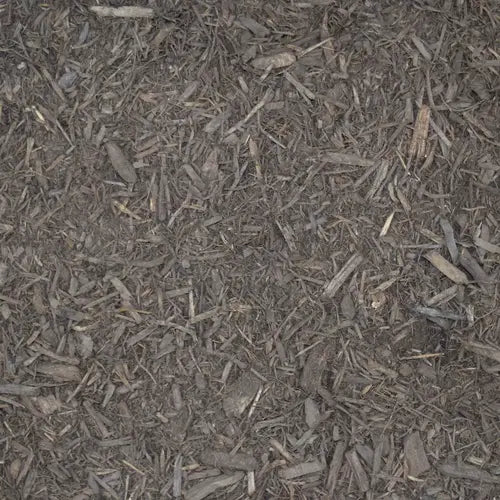
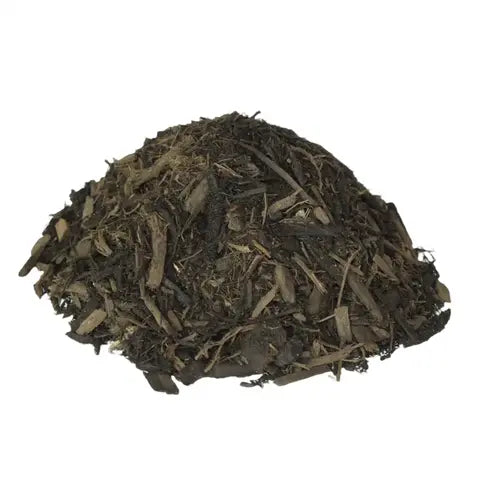
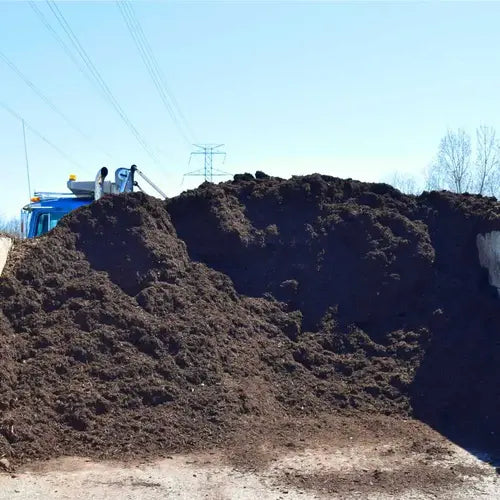
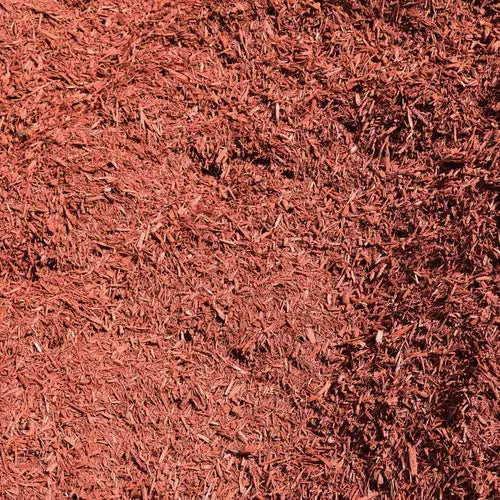
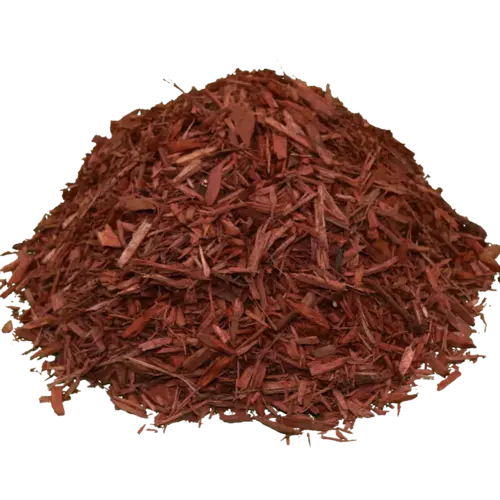
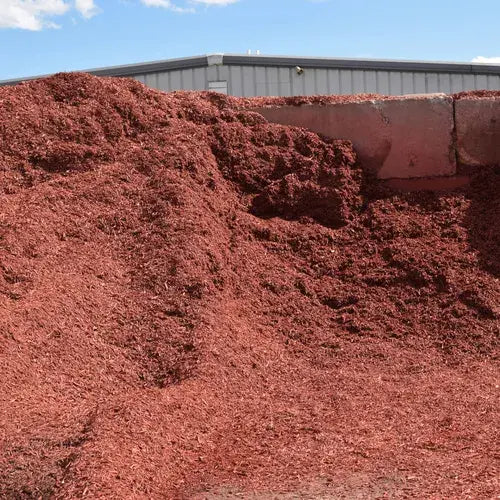
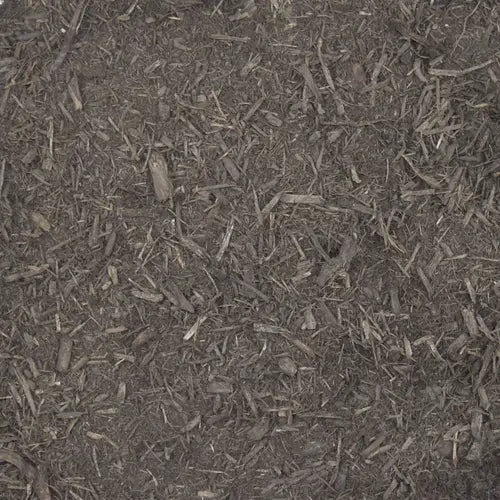
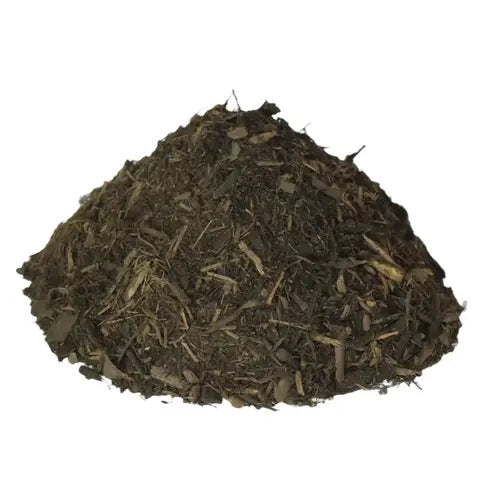
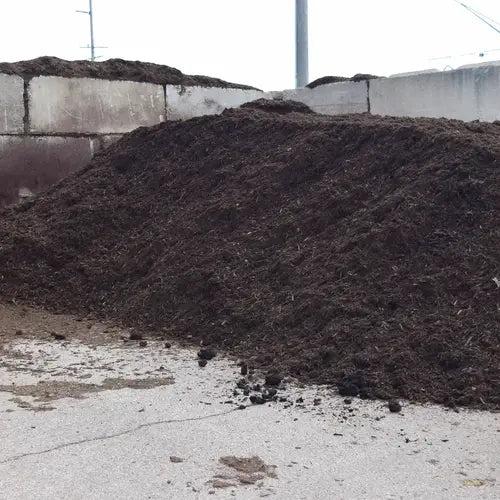
Double-shredded mulch dyed a rich, even brown that holds its color through the season.
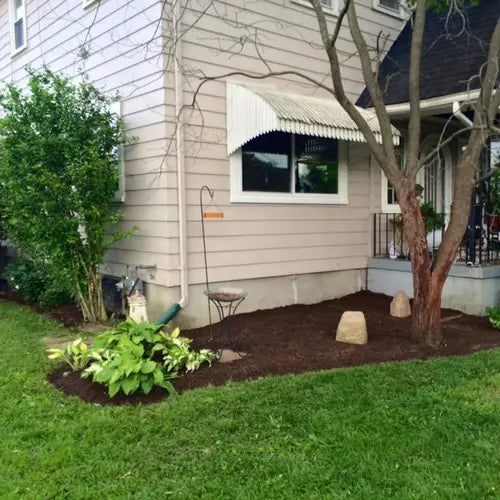
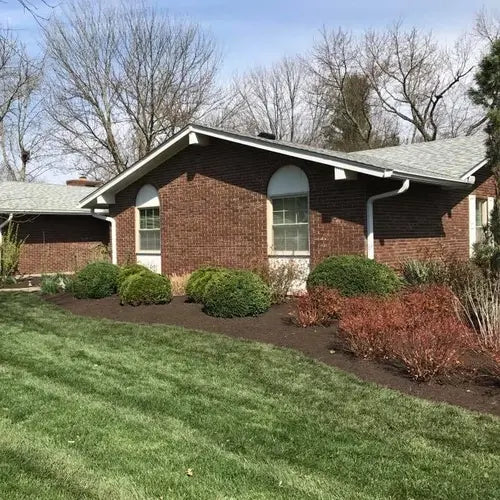
Website was easy to use. Mulch was delivered on time and exactly where specified. It makes our front yard look great just in time for spring!
Tell us what you're looking for
Thanks! We received your request.
Something went wrong. Please try again.
How Much Material Do I Need?
How Much Material Do I Need?
Three inches is the standard depth for Chapel Hill shrub and perennial beds, and one cubic yard covers roughly 108 square feet at that depth. For annual refresh coats, an inch and a half is plenty.
Use our free mulch calculator
What is a yard?
What is a yard?
FAQs
FAQs
Chapel Hill Mulch Delivery
Chapel Hill Mulch Delivery
Regular price
$55.00
per
Yard
Regular price
Sale price
$55.00
Unit price
per
Shipping calculated at checkout.
Minimum of 3 Yard
Couldn't load pickup availability
Not currently available
We can't take orders for this right now. Tell us what you need and we'll get back to you.
Hand-picked local yards
4,000+ regional deliveries
Dedicated support
Why order through Mulch Mound
The best local , without the guesswork.
We hand-pick and partner with the best yards in your region, keep only the ones our buyers rate well, and back each load with our guarantee.
Mulch Mound Guarantee
If your isn't the quantity or quality you ordered, we'll make it right.
About this mulch
Double-shredded mulch dyed a rich, even brown that holds its color through the season.
Website was easy to use. Mulch was delivered on time and exactly where specified. It makes our front yard look great just in time for spring!
How Much Material Do I Need?
How Much Material Do I Need?
Three inches is the standard depth for Chapel Hill shrub and perennial beds, and one cubic yard covers roughly 108 square feet at that depth. For annual refresh coats, an inch and a half is plenty.
Use our free mulch calculator
What is a yard?
What is a yard?
FAQs
FAQs
Tell us what you're looking for
Thanks! We received your request.
Something went wrong. Please try again.

How It Works
Getting started is easy — just follow these simple steps
1
Choose your Mulch
Make sure you adjust the quantity to your home's needs. You can use our calculator to estimate how much you'll need.
2
Select your delivery date
Select a delivery date you'd like for the product to be dropped off at your home
3
Sit back and wait
Sit back, wait, and let us work our magic to make sure the highest quality product is delivered to your driveway.

Prompt, accommodating, lovely mulch.

I am very happy with Mulch Mound service and with the triple shredded mulch. It looks great, and I would use them again.
Calculate mulch for your Chapel Hill project
For Chapel Hill's type of soil, we recommend 2-3 inches for best weed suppression and moisture retention
Try Our CalculatorMeasure each bed separately in length and width, then multiply to get square feet, and add curved sections as rough rectangles. Multiply total square feet by your depth in inches, then divide by 324 to get cubic yards. Chapel Hill beds often follow uneven grades, so add about ten percent for settling into low spots.
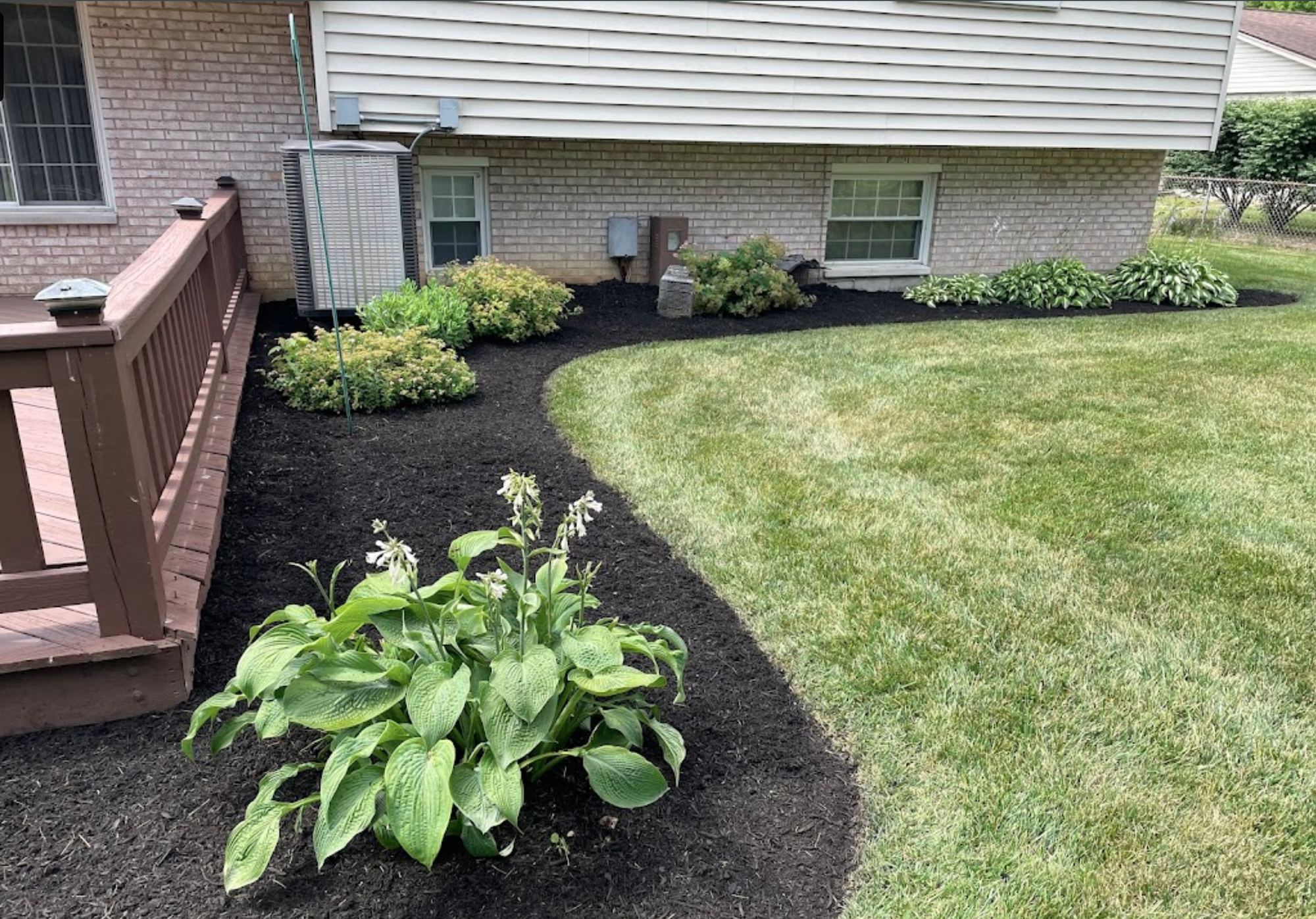
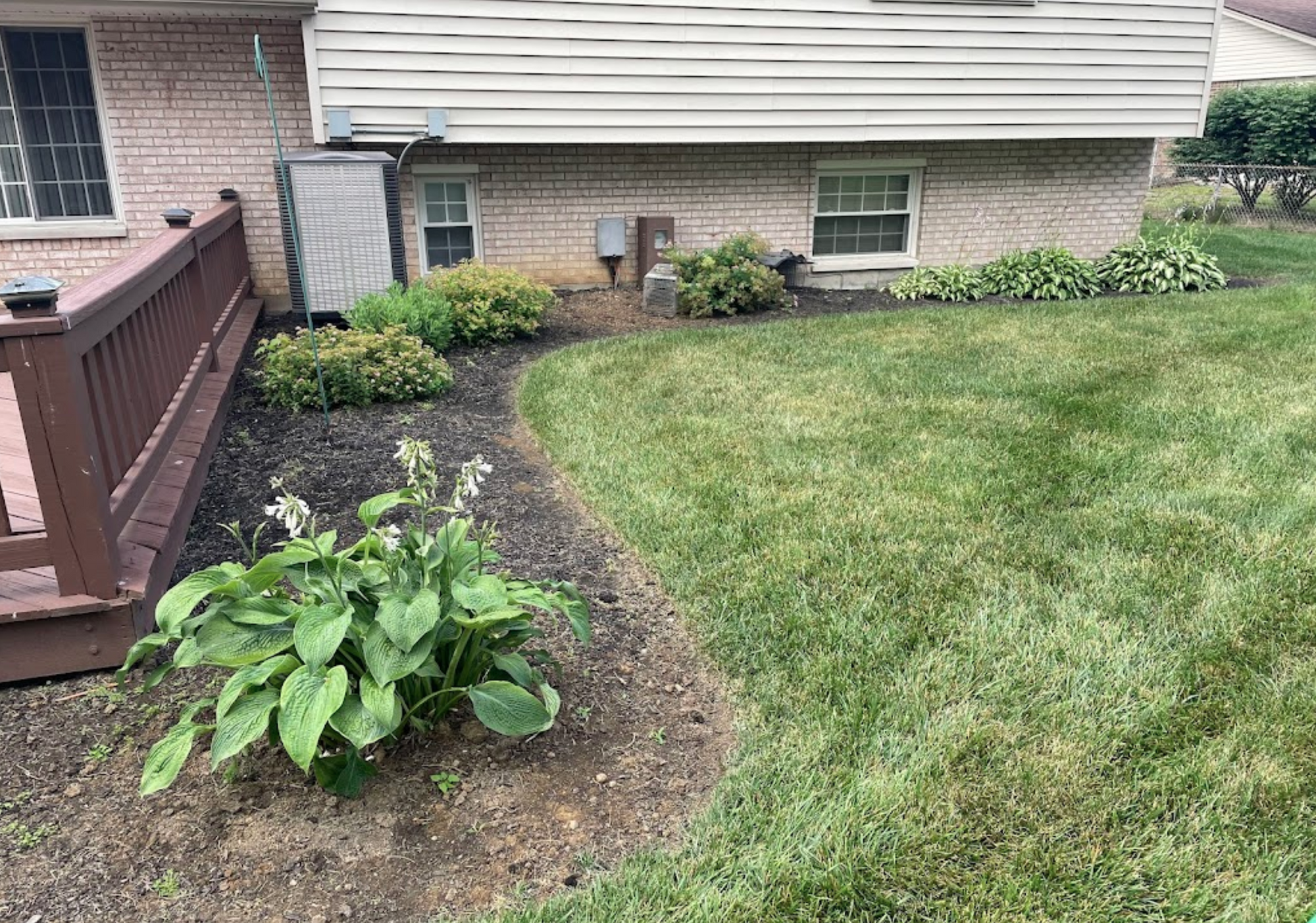

Best Mulch Choice for Chapel Hill Lawns
Most yards in the Chapel Hill area sit on type of soil. Chapel Hill red clay is dense and low in organic matter, so it compacts under foot traffic and rain until roots simply cannot push through it. Plant beds built directly on untreated clay tend to stall out in the second or third year.
Hardwood Mulch
Shredded hardwood mulch is the practical answer because its bottom layer decomposes into the clay each year, feeding earthworms and slowly building the crumb structure that lets water and air move. Over three or four seasons of annual hardwood mulching, Chapel Hill homeowners typically find the top few inches of their beds have gone from brick red and hard to dark and workable.
Complete Your Outdoor Mulch Project
Pair your mulch with a few yards of compost or garden soil worked into the clay first, and add steel or stone edging to keep mulch from migrating downslope during Piedmont downpours.
Service area
Areas we deliver mulch in Chapel Hill, North Carolina
Mulch Mound Pro Tip
Before you spread a single shovelful, cut a clean four inch deep edge along every bed line. In Chapel Hill clay that trench holds its shape for a full season and acts like a small dam, catching mulch and sediment that would otherwise wash onto the lawn during a heavy August storm. It also gives the whole yard a crisp finished look that no amount of extra mulch can fake.
Mulch Mound Pro Tip
Water your beds thoroughly the day before mulching. Dry red clay sheds water like pavement, and if you mulch over baked ground the first rain will run right off the top of the layer without ever reaching the roots. Pre wetting lets the clay accept moisture, and the mulch then holds it there through the long warm stretch between our March frost date and November.
Mulch Mound Pro Tip
Resist the urge to pile mulch into volcanoes around your trees. It is the single most common mistake in Chapel Hill neighborhoods and it kills maples and dogwoods slowly by rotting the bark at the flare. Spread mulch out in a wide flat ring instead, three inches deep at the edges and tapering to bare soil at the trunk. The root zone extends well past the canopy, so wider is always better than deeper.
The Unique Landscape of Chapel Hill
Chapel Hill sits on heavy red clay that seals over hard in the July heat and turns to slick paste after a spring downpour, and with 47 inches of rain a year that swing happens constantly. A good hardwood mulch layer is what keeps that clay from crusting, cracking, and washing off the sloped lots common around Franklin Street, Meadowmont, and the neighborhoods dropping toward Bolin Creek. Because the growing season here runs long from a last frost around March 26 to a first frost near November 5, beds stay exposed and weed pressure stays high for roughly seven and a half months. Mulch buys back moisture during the dry late summer stretch when Piedmont rainfall goes streaky, and it moderates root temperatures for the azaleas, hollies, and dogwoods that fill Chapel Hill yards. Over a season or two the bottom of that layer breaks down and starts feeding organic matter into the clay, which is the slow fix every red clay bed needs.