Wonderful experience! They put the mulch exactly where we wanted. This mulch spread very easily and didn’t have the usual “mulch smell.” We will definitely use again!
How Much Compost Do I Need?
One cubic yard of compost covers about 324 square feet at a 1 inch depth, which is the right rate for topdressing an established lawn. For bed work, where 2 to 3 inches gets tilled in, plan on that same yard covering roughly 110 to 160 square feet depending on depth. Measure your beds or lawn area first, then match it to the depth you actually need rather than rounding up. Use our free compost calculator
What is a Yard?
A yard is approximately 27 cubic feet. As a general guideline, one yard of material can cover an area of about 100-160 square feet at a 2-3 inch depth.
Wonderful experience! They put the mulch exactly where we wanted. This mulch spread very easily and didn’t have the usual “mulch smell.” We will de...
Read full review
Wonderful experience! They put the mulch exactly where we wanted. This mulch spread very easily and didn’t have the usual “mulch smell.” We will definitely use again!
Placing an order online was so easy. Delivery was on time. When the driver realized we had a newly poured driveway they erred on the side of cautio...
Read full review
Placing an order online was so easy. Delivery was on time. When the driver realized we had a newly poured driveway they erred on the side of caution and opted not ti drive in it. The company even sent me a message explaining that call. Would recommend!
Compost pairs well with a mulch topdress once beds are amended, since the mulch holds moisture in and slows the compost from breaking down too fast in Gulf Coast heat. On new beds cut into sandy clay, some people also bring in a bit of screened topsoil to blend before the compost goes in. None of this is required, it just depends on what shape the existing soil is in.
In sandy clay soil, resist the urge to till compost in deep. Work it into the top 2 to 3 inches where roots actually live and microbial activity is highest. Going deeper just buries it below the zone where it helps, and in Corpus Christi's clay content, deep tilling can also drag up dense subsoil that undoes the benefit you're trying to add in the first place.
Mulch Mound Pro Tip
The most common mistake with compost here is applying it too thick, thinking more will fix stressed soil faster. Past 3 inches on beds, compost can actually tie up nitrogen temporarily as it continues breaking down, which stunts new plantings instead of feeding them. Stick to the 1 to 3 inch range and reapply next season rather than loading up all at once.
Mulch Mound Pro Tip
Compost and mulch do different jobs, so buying both in the same delivery often saves a second trip. Get compost worked into the soil first, then topdress with mulch to lock moisture in, which matters through Corpus Christi summers when evaporation off exposed sandy clay is fast. Ordering them together also means one delivery window instead of two separate schedule slots.
Building Better Soil in Corpus Christi
Sandy clay is the dominant soil type across Corpus Christi, and it behaves badly on its own, either shedding water too fast or turning into a hard crust once it dries. Compost worked into beds gives that soil something to hold onto, both moisture and nutrients, which matters through the long growing season in zone 9b. With frost not showing up until late December and gone again by early February, there is a wide window to build soil before the next planting push. Whether you are prepping beds near the bayfront or topdressing a lawn a few blocks from the USS Lexington, finished compost is doing structural work, not just feeding plants.
What Finished Compost Is
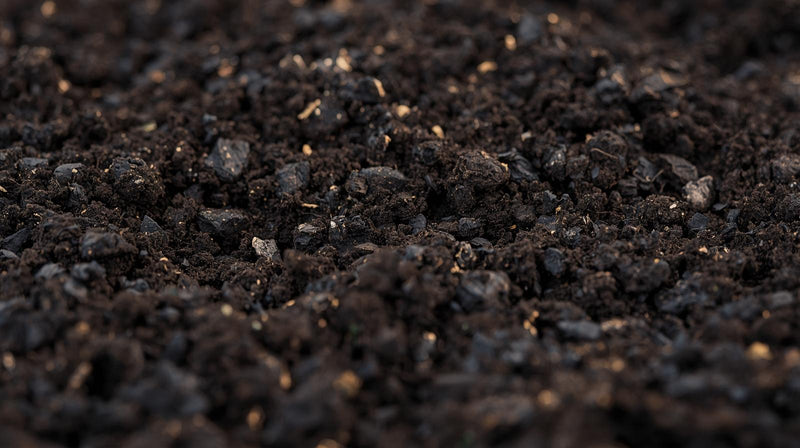
Finished compost is organic matter that has fully broken down into a dark, crumbly material with an earthy smell. It feeds soil life, improves structure, and helps beds hold water without staying soggy.
How Much to Apply
Work 1 to 2 inches into new beds, or topdress lawns with a quarter to half inch and rake it in. More is not better. Too thick a layer can smother roots instead of feeding them.
When to Apply
Spring and fall are both good windows. Spring applications feed the growing season ahead, and fall applications break down over winter so beds are ready at first thaw.
Frequently Asked Questions
Click a question to see the answer
Answer
Is compost going to help my clay soil or just wash away in the rain?
Finished compost improves soil structure rather than sitting on top, so it does not wash away like loose mulch can. Worked into the top few inches of sandy clay, it helps the soil hold moisture and drain better at the same time, which is the main problem with unamended clay in this area. It needs to be tilled in, not just dumped and left.
Answer
How much compost do I need for a 1,000 square foot lawn?
At the recommended 1 inch topdressing depth, one cubic yard covers about 324 square feet, so a 1,000 square foot lawn needs roughly 3 cubic yards. For garden beds at 2 to 3 inches, the same area would need closer to 6 to 9 cubic yards depending on depth, since beds take a heavier application than lawns.
Answer
When is the best time to put compost down in Corpus Christi?
Compost works in both spring and fall here, and with first frost not arriving until late December, fall applications have plenty of time to integrate before winter. Spring works too, ahead of the summer growing push. Avoid working it into soaked soil right after heavy rain, since sandy clay compacts easily when wet.
Answer
Where will the compost be dropped and do I need a specific access point?
Delivery is scheduled at checkout, and the load gets placed wherever the truck can safely reach, typically a driveway or curbside spot. Let us know ahead of time if your access is tight or if you need the pile positioned somewhere specific to cut down on wheelbarrow trips across the yard.
Answer
Should I get compost or topsoil for a new bed cut into sandy clay?
They serve different purposes. Topsoil adds bulk volume and fills low spots, while compost adds organic matter and improves how existing soil behaves. For a new bed, many people blend a bit of topsoil to fill and shape it, then work compost into the top few inches to condition it. Compost alone will not fix a badly graded or shallow bed.”}. 值得注意的是