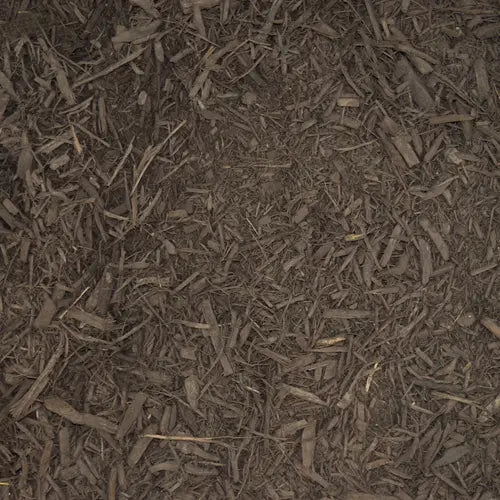
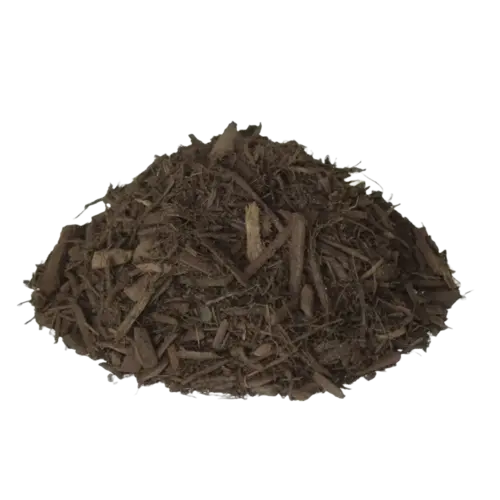
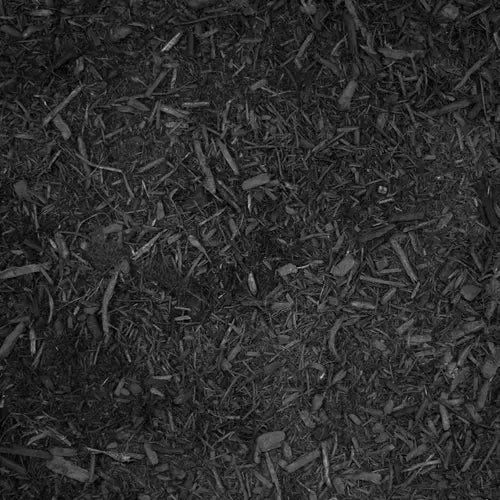
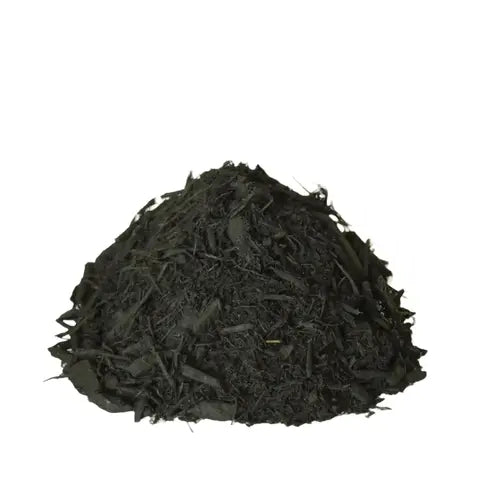
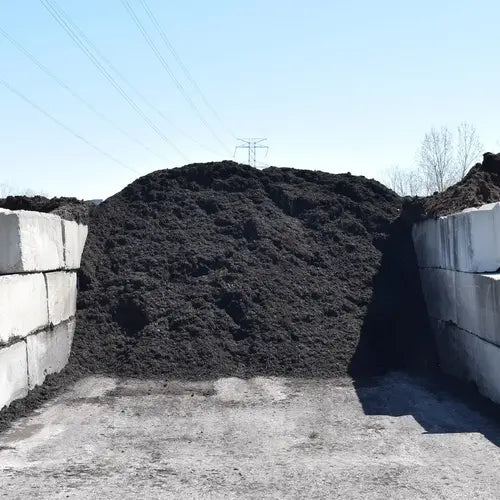
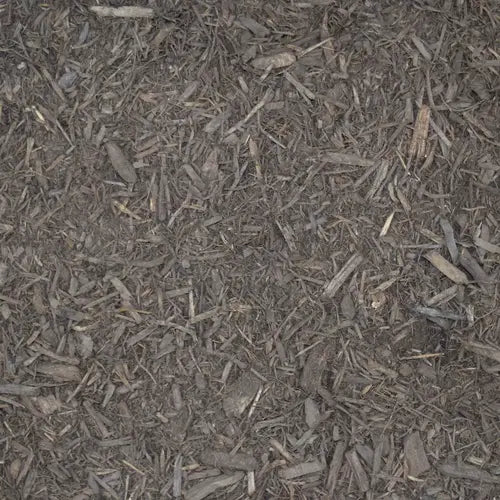
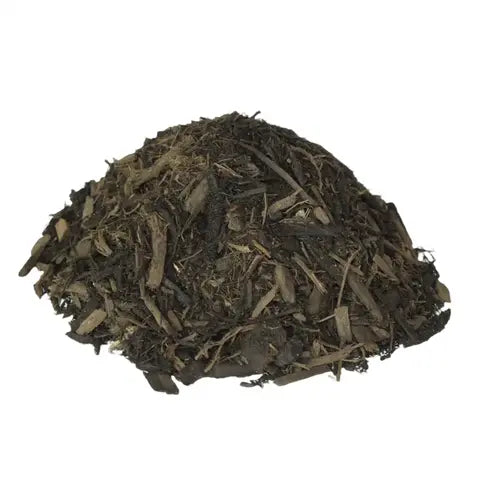
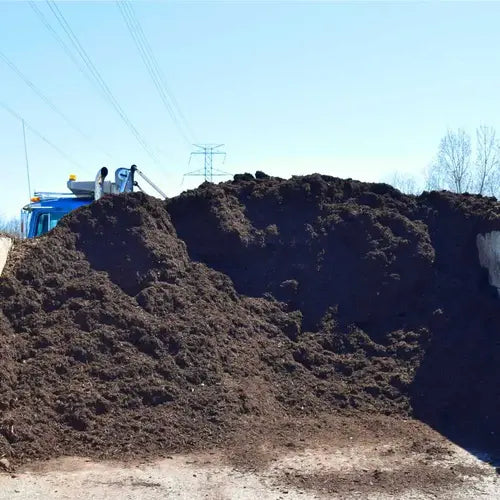
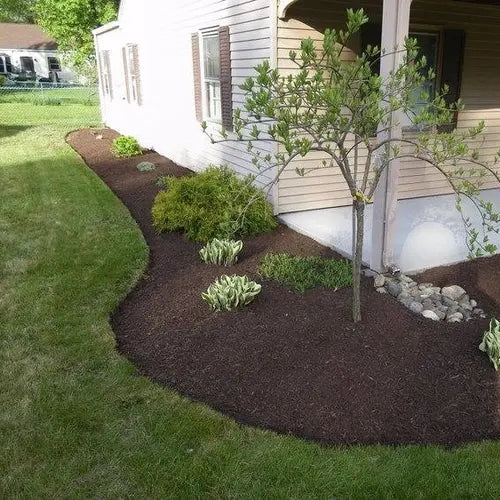
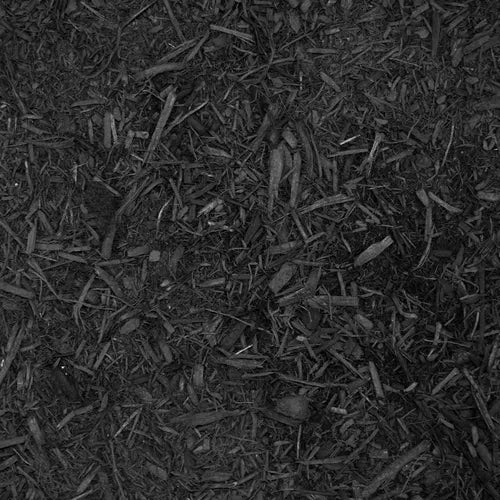
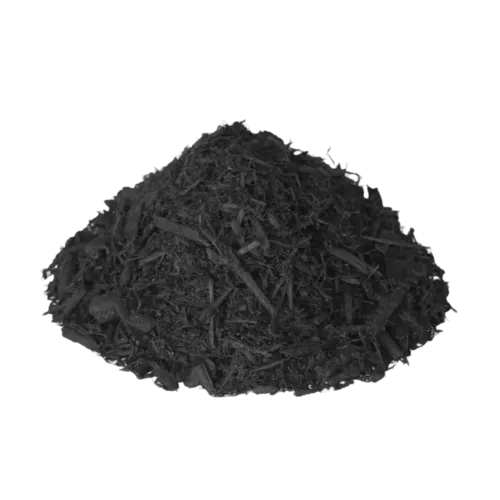
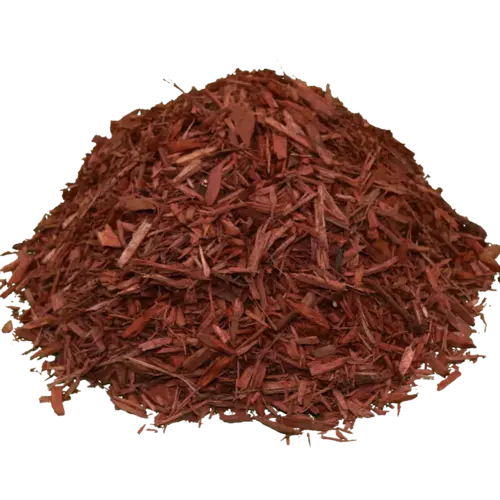
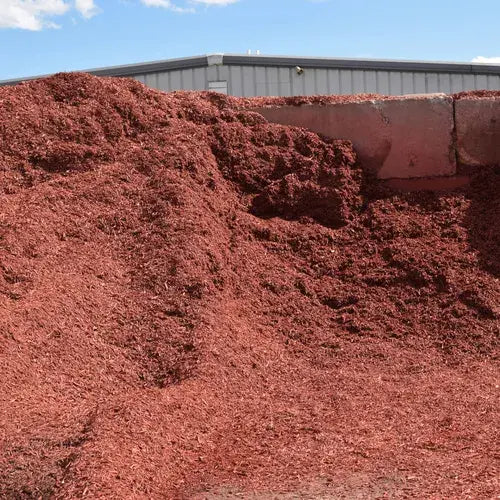
Warm brown double shredded mulch with lasting color that looks freshly applied for weeks. Spreads smooth, stays put, and gives beds a natural, polished appearance.
We needed mulch for our HOA common areas. Local providers were all holding high prices even for 40 yards of mulch. Mulch mound was easy to wowith & has great price for natural mulch + delivery schedule options. They called before delivery to ensure Delivery was exactly wher...
Tell us what you're looking for
Thanks! We received your request.
Something went wrong. Please try again.
How Much Material Do I Need?
Plan for a 3-inch depth across all planted beds in Deltona to adequately offset the moisture loss that happens rapidly through sandy soil. Beds near heat-reflecting pavement or walls in Deltona's intense summer sun may benefit from pushing toward 4 inches for extra insulation and moisture retention.
Use our free mulch calculator
What is a yard?
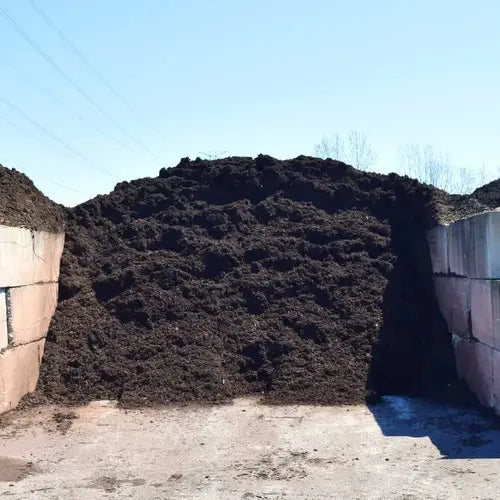
A yard is approximately 27 cubic feet. As a general guideline, one yard of material can cover an area of about 100-160 square feet at a 2-3 inch depth.
We hand-pick and partner with the best yards in your region, keep only the ones our buyers rate well, and back each load with our guarantee.
Mulch Mound Guarantee
If your mulch isn't the quantity or quality you ordered, we'll make it right.
About this mulch
Warm brown double shredded mulch with lasting color that looks freshly applied for weeks. Spreads smooth, stays put, and gives beds a natural, polished appearance.
We needed mulch for our HOA common areas. Local providers were all holding high prices even for 40 yards of mulch. Mulch mound was easy to wowith & has great price for natural mulch + delivery schedule options. They called before delivery to ensure Delivery was exactly wher...
How Much Material Do I Need?
Plan for a 3-inch depth across all planted beds in Deltona to adequately offset the moisture loss that happens rapidly through sandy soil. Beds near heat-reflecting pavement or walls in Deltona's intense summer sun may benefit from pushing toward 4 inches for extra insulation and moisture retention.
Use our free mulch calculator
What is a yard?
A yard is approximately 27 cubic feet. As a general guideline, one yard of material can cover an area of about 100-160 square feet at a 2-3 inch depth.
We needed mulch for our HOA common areas. Local providers were all holding high prices even for 40 yards of mulch. Mulch mound was easy to wowith...
Read full review
We needed mulch for our HOA common areas. Local providers were all holding high prices even for 40 yards of mulch. Mulch mound was easy to wowith & has great price for natural mulch + delivery schedule options. They called before delivery to ensure Delivery was exactly where we wanted it.
Delivery was on time and great quality Mulch. Got it done in a reasonable time and yard looks great. Couldn’t be happier!!! Thank you and will us...
Read full review
Delivery was on time and great quality Mulch. Got it done in a reasonable time and yard looks great. Couldn’t be happier!!! Thank you and will use again!!
Mulch Mound delivered a yard of pea gravel to us. Delivery was on time, driver was friendly and hit a bullseye on the “tarp target”. We used the ...
Read full review
Mulch Mound delivered a yard of pea gravel to us. Delivery was on time, driver was friendly and hit a bullseye on the “tarp target”. We used the pea gravel (which was diameter as specified) to fill several muskrat holes around our pond. I would definitely recommend Mulch Mound to a friend!
To estimate your mulch needs, measure the length and width of each bed in feet and multiply to get square footage, then account for the 3-inch depth recommended for Deltona's sandy soil. One cubic yard of mulch covers about 108 square feet at 3 inches deep, so divide your total square footage by 108 to get your yard count. It is better to order slightly more than you think you need because thin spots appear quickly once you start spreading and sandy soil benefits from complete, even coverage.
Mulch vs. No Mulch: The Difference
Deltona's intense UV exposure and high summer temperatures mean that undyed natural mulch will fade to a gray tone relatively quickly, sometimes within a couple of months of application during peak sun season. Dyed mulch uses colorfast pigments that hold up considerably longer under Florida's sun, making it a popular choice for front-yard beds where curb appeal matters year-round. Natural hardwood mulch, while less colorful over time, has the advantage of actively improving Deltona's nutrient-poor sandy soil as it decomposes through the warm Central Florida months.
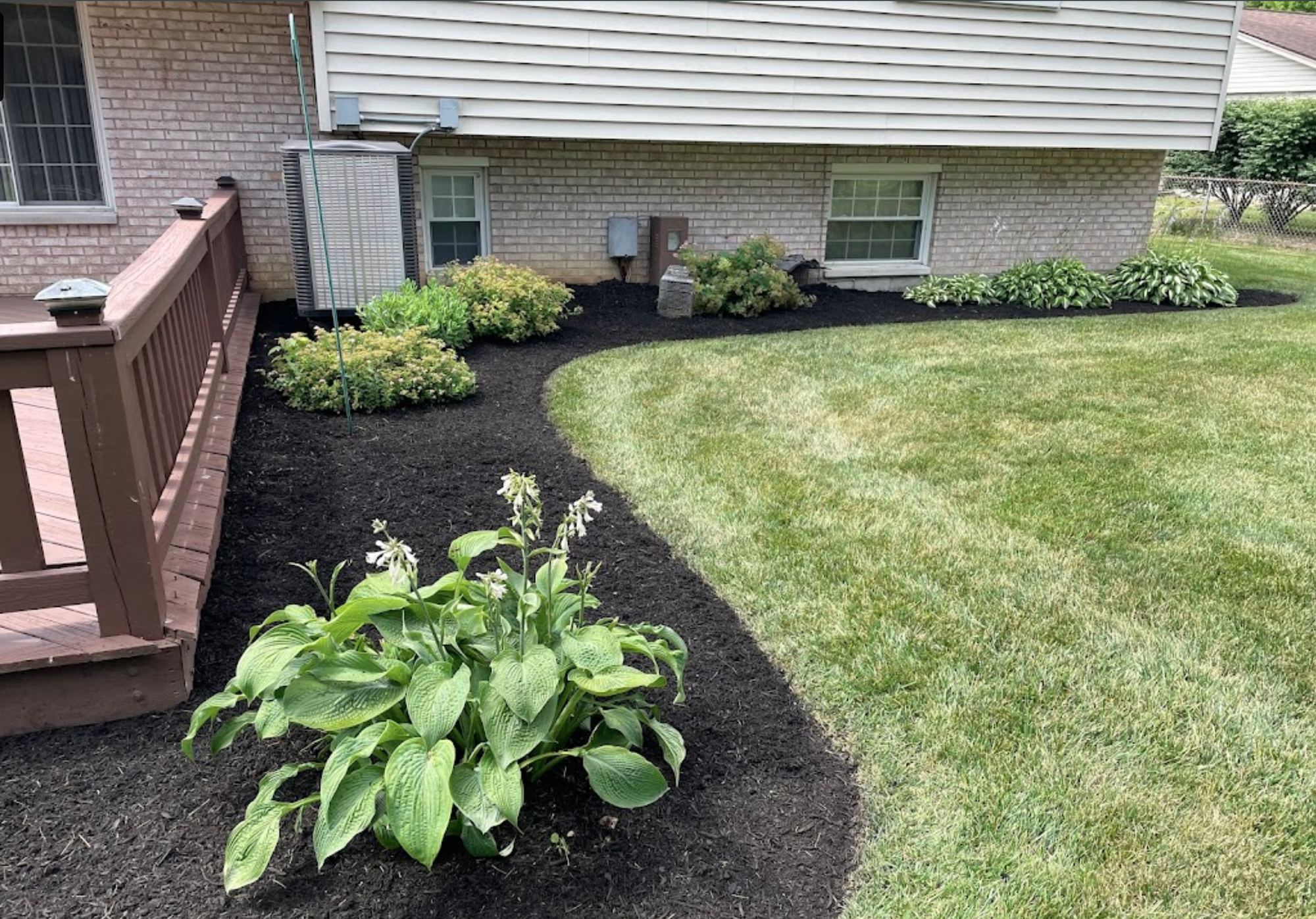
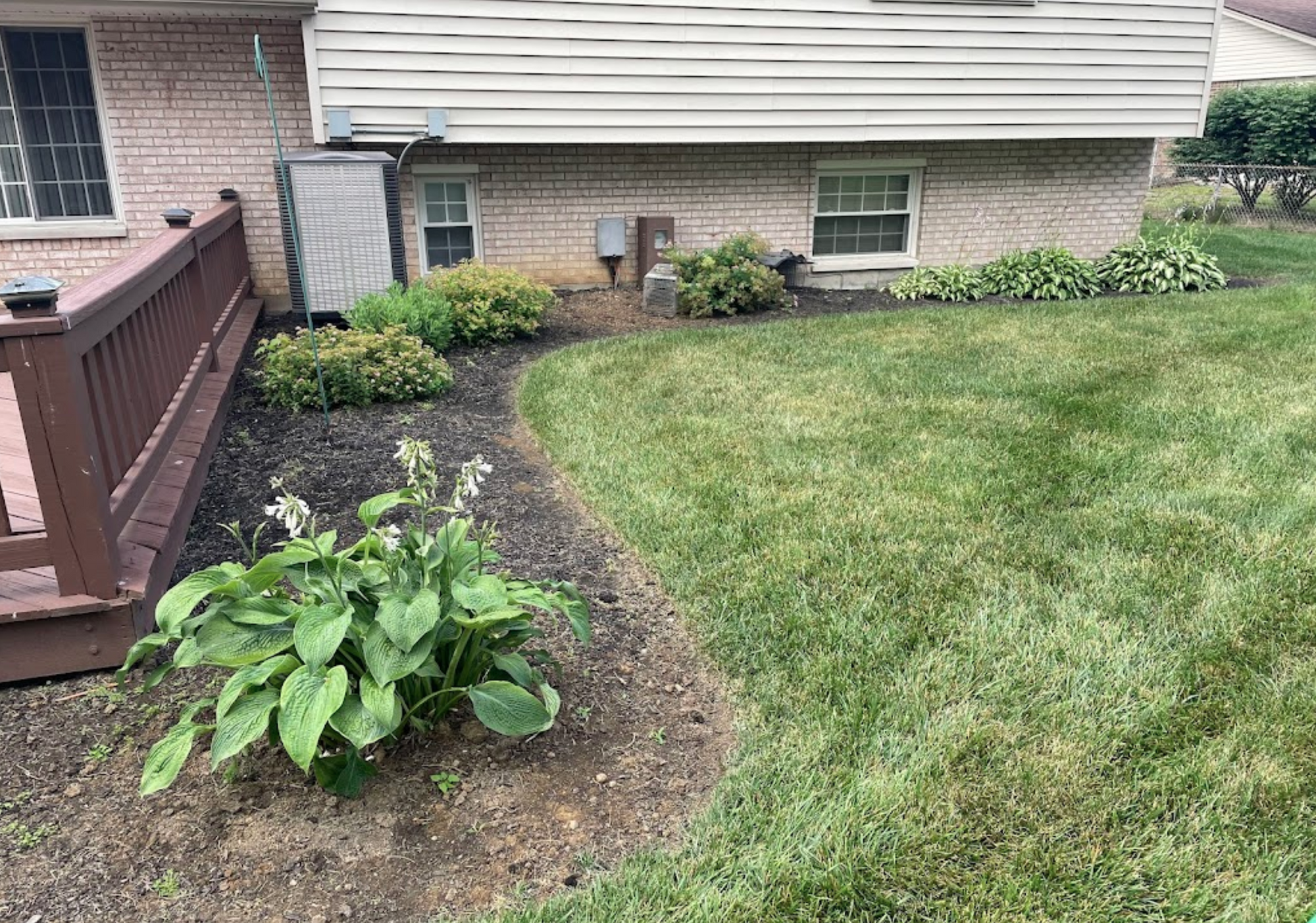
Before
After
Best Mulch Choice for Deltona Lawns
Most yards in the Deltona area sit on Sandy type of soil. Sandy soil in Deltona drains so freely that plant beds lose surface moisture within hours of a rain event, leaving roots of flowers, shrubs, and groundcovers under constant stress during the gaps between summer storms.
Hardwood Mulch
Hardwood mulch is an excellent choice for Deltona's sandy soil because as it slowly breaks down in Central Florida's warm conditions, it releases organic matter that gradually builds the soil's ability to hold both moisture and nutrients, providing a long-term improvement to a base that naturally lacks both qualities.
Mulch Types We Deliver in Deltona
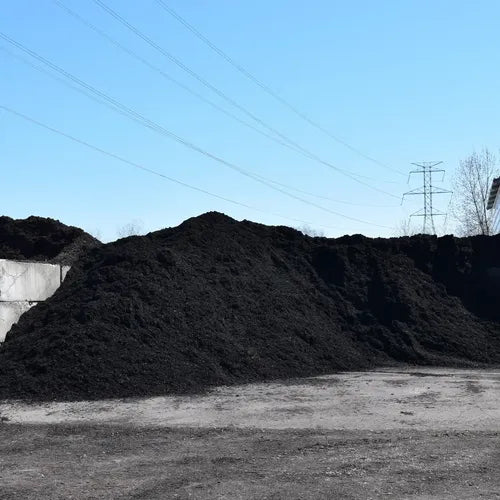
Mulch Mound delivers bulk mulch by the cubic yard right to your door in Deltona, covering large landscape beds without a single bag trip. Whether you are refreshing existing beds or finishing a new install, our bulk mulch delivery service saves time and holds up under Central Florida's intense heat and summer rains.
Dyed Black Mulch
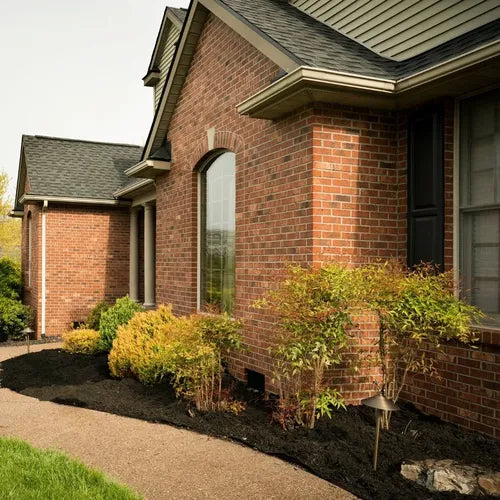
Rich double shredded black mulch that instantly sharpens landscape beds against the sandy soils common across Central Florida. The deep color holds strong under intense UV and heavy afternoon rains, making it a top pick for homeowners who want bold, clean borders around palms and ornamental shrubs.
Dyed Brown Mulch
Warm double shredded brown mulch with lasting color that stays looking fresh for weeks, even through Florida's rainy season. It pairs naturally with stucco and brick exteriors common in Central Florida and spreads smooth across any size bed with a clean, polished result.
Natural Brown Mulch
Undyed double shredded mulch with a warm, earthy tone that comes straight from the wood, no colorants added. It blends into Florida's wooded residential landscapes and suits homeowners who want an organic, natural look that still holds its form through rain and summer heat.
Dyed Red Mulch
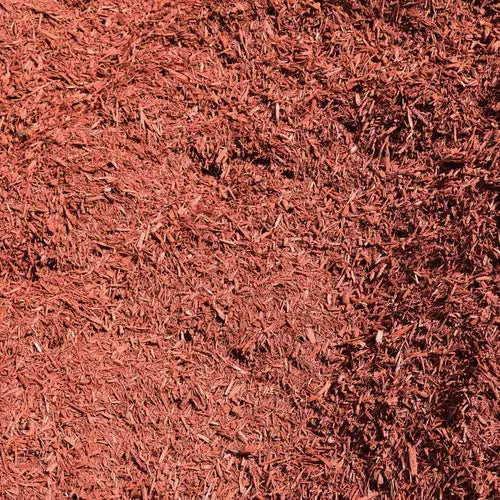
Double shredded red mulch in a vibrant color that holds throughout the season, even in Central Florida's strong sun. A bold accent for landscape beds and a popular choice for homeowners who want striking curb appeal against Florida's lush green foliage.
Complete Your Outdoor Mulch Project
Pairing mulch with a quality garden soil amendment gives Deltona's sandy beds the organic foundation they need before mulching on top, and adding stone edging or border rock helps keep mulch contained during the heavy summer rainstorms that regularly move through Central Florida.
Time your mulch application to just before Deltona's rainy season kicks in, typically late May or early June. Applying fresh mulch right as the heavy summer storms begin means the soil underneath stays consistently moist as rain soaks through the new layer. Sandy soil loses that moisture fast, and getting the mulch down before peak heat arrives gives your plants the best possible buffer through July and August when temperatures are at their highest and most demanding.
Mulch Mound Pro Tip
In Deltona's Zone 9b growing zone, mulch does double duty as a root temperature stabilizer heading into winter. Even though frosts are rare and typically limited to the brief window around late December through mid-February, a fresh 3-inch mulch layer insulates tender plant roots against those unexpected cold snaps that do occur. Keeping mulch replenished through fall means your tropical and subtropical plants have that extra layer of protection when Deltona's occasional overnight lows dip toward freezing.
Mulch Mound Pro Tip
With 54 inches of annual rainfall hitting Deltona each year, much of it arriving in fast, heavy bursts during summer afternoons, mulch plays a critical erosion-control role in sloped or open beds. Bare sandy soil erodes quickly under that kind of rainfall intensity, washing away from plant roots and creating ruts along bed edges. A thick mulch layer absorbs the impact of heavy rain before it hits the soil surface, dramatically reducing washout and keeping your bed contours intact through the entire wet season.
Frequently Asked Questions
Click a question to see the answer
Answer
How often do I need to refresh mulch here in Deltona?
In Deltona's Zone 9b climate, organic mulch breaks down noticeably faster than in cooler parts of the country because the combination of heat, humidity, and warm soil temperatures keeps decomposition active almost year-round. Most Deltona homeowners find that hardwood mulch needs a refresh once a year, typically in early spring before the rainy season begins, to maintain the recommended 3-inch depth that keeps weeds suppressed and moisture locked in through summer.
Answer
How deep should I apply mulch over Deltona's sandy soil?
A 3-inch layer is the sweet spot for Deltona landscapes with sandy soil. That depth is thick enough to meaningfully slow moisture evaporation from the sand below and block weed germination, but not so thick that it creates a barrier preventing rainfall from reaching roots. Because sandy soil drains so freely, the surface moisture buffer that mulch creates is especially important during the dry gaps between Deltona's summer storms.
Answer
Will mulch actually help my plants survive the dry spells between Deltona's rainstorms?
Yes, and it makes a significant difference on sandy soil specifically. Deltona's sandy base releases moisture quickly, so even during the rainy season there can be dry pockets between afternoon storms that stress shallow-rooted plants. A proper 3-inch mulch layer can cut surface moisture loss considerably, giving plant roots more time to absorb what rain does fall before it drains away through the sandy soil profile.
Answer
Does heavy rain wash mulch out of my beds during Deltona's storm season?
Deltona receives about 54 inches of rain per year, and intense summer downpours can move lighter mulch materials if beds are not properly edged. Heavier hardwood mulch products resist displacement better than fine or shredded lightweight varieties. Installing a clean bed edge, whether with a physical border or a defined cut, is the best way to keep mulch in place through Central Florida's heaviest storm months.
Answer
Can I mulch right up to my home's foundation here in Deltona?
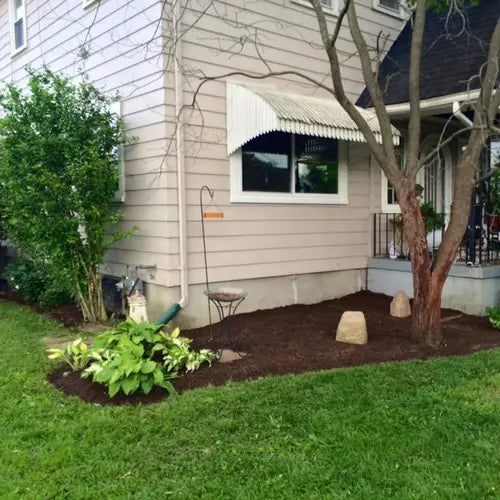
You should keep mulch at least 6 inches away from your home's foundation and siding. Florida's warm, moist conditions create favorable habitat for termites and other wood-destroying insects, and mulch piled against a structure gives them a covered pathway to reach the wood. Pull mulch back from the foundation and consider using stone or gravel in that immediate border zone for a lower-risk alternative.
Answer
Should I pull out the old mulch before putting down a new layer?
In most Deltona landscapes you do not need to remove old mulch before refreshing. As long as the existing layer has not compacted into a dense mat that repels water, simply topping it up to restore the 3-inch depth works fine. If the old mulch has broken down significantly into the sandy soil below, that decomposed organic matter is actually a benefit, so leaving it in place and topping off is the right move.
Answer
Does mulch attract termites or palmetto bugs around my Deltona home?
Mulch itself does not attract termites or palmetto bugs, but it does create moist, sheltered conditions that those insects find comfortable in Central Florida's warm climate. The key in Deltona is placement rather than the product. Keep mulch away from your foundation, avoid piling it against tree trunks, and maintain proper depth rather than over-applying. Cypress and cedar mulch varieties carry some natural insect-deterring properties if this concern is a priority for your property.
The Unique Landscape of Deltona
Deltona's sandy soil drains so rapidly that plant beds can lose surface moisture within hours of a rain event, even during the wet season when afternoon storms are a near-daily occurrence. With 54 inches of annual rainfall concentrated heavily across the summer months, bare soil in landscaping beds becomes a prime environment for weed seeds to germinate, and staying ahead of that growth takes real effort without a solid mulch layer in place. The intense Central Florida sun combined with Zone 9b heat accelerates organic material breakdown, meaning mulch applied in spring may need refreshing before the end of summer if you want to maintain adequate soil coverage. Because frost risk in Deltona is minimal, arriving only around December 31 and clearing by mid-February, plant root zones stay active and productive almost year-round, which makes consistent moisture and temperature management through mulching especially important. Investing in quality mulch is one of the most impactful things a Deltona homeowner can do to counteract the limitations of sandy soil and keep landscape beds healthy through the long, demanding growing season.